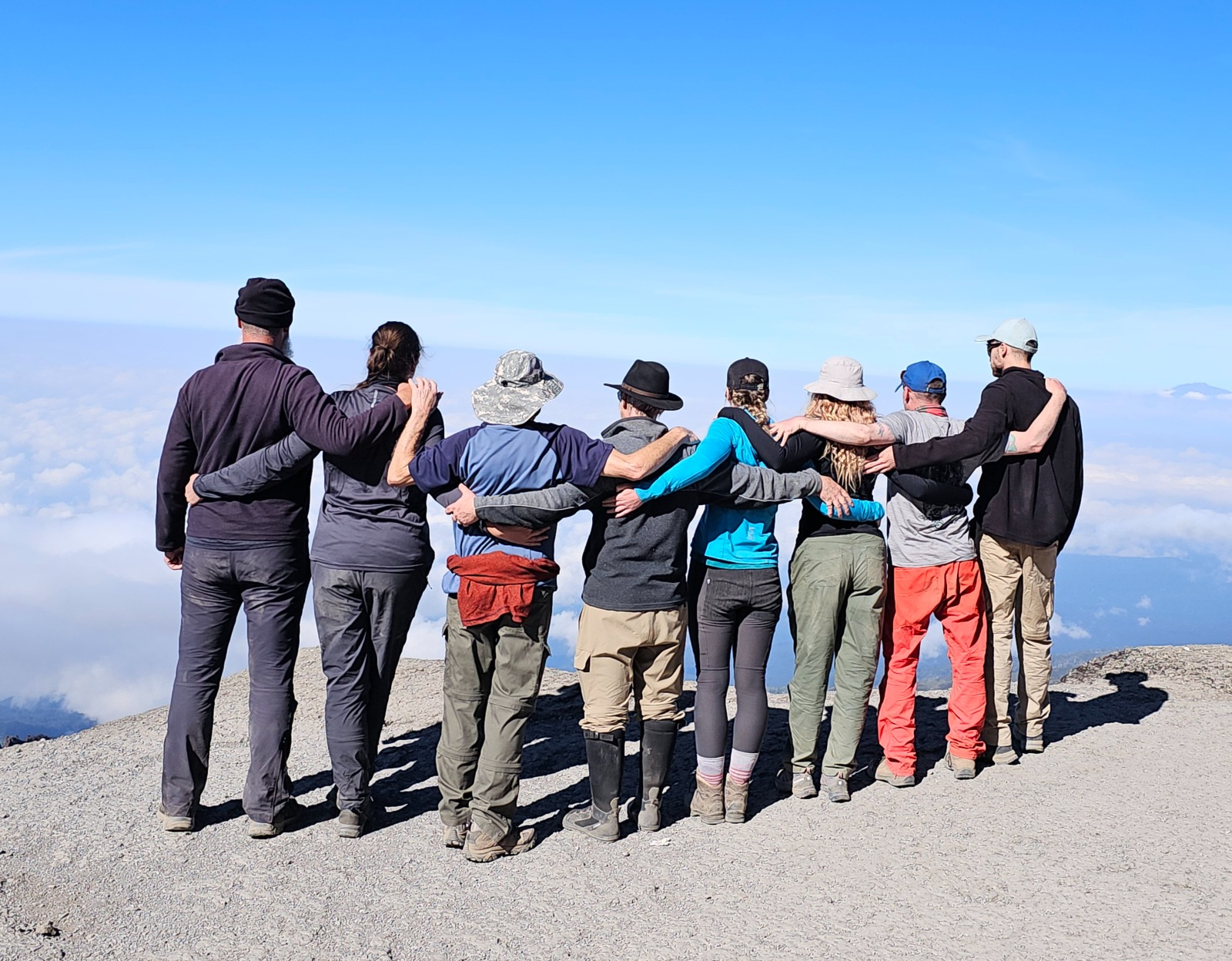
Introduction: When Africa hits your imagination before you even go
People are always dreaming about Africa, like big wild lands, lions walking like they own roads, and mountains sitting in clouds. Especially when talking about an African safari in Tanzania, it already feels like something not just a trip, more like a life-memory thing.
Many travelers start searching for a safari to Tanzania and get confused very fast. Too many options, too many seasons, and also mixed feelings between safari wildlife and Kilimanjaro climbing adventures. Same country but totally different world inside.
In this guide, we talk simple and real about Tanzania tours, safari experiences, mountain climbing, and even things like the cost of climbing Kilimanjaro and the best time to climb Kilimanjaro. Nothing too polished, just honest, travel-style talk.
African Safari in Tanzania—where wildlife is just doing its own thing
When you enter Tanzania for an African safari in Tanzania, the first thing you feel is space. Big open land, sky so wide it looks like it never ends.
Serengeti, Ngorongoro, Tarangire… The names sound like movies but are actually real places where animals just live normal lives. You see lions sleeping like bosses, elephants crossing roads slowly, and zebras like they are doing group meetings.
An African safari in Tanzania is not the same as a zoo or park visit. Here you don’t control anything; nature controls everything. Sometimes you drive many hours and see nothing, and suddenly the whole drama of wild life just appears in front of you.
A safari to Tanzania mostly gives this feeling: you are a guest, not the main character. And that is the beauty of it.
Safari to Tanzania – planning part people always underestimate.
Now when people say “safari to Tanzania,” they think of just booking and going. But reality is a little different.
First you need to choose a route. The northern circuit is most popular, like Serengeti and Ngorongoro. The southern circuit is quieter, less crowded, and has a more raw nature feeling.
A safari to Tanzania also depends on vehicle type, guide quality, and how many days you stay. Some people rush for 3 days and go back, but honestly wildlife needs time. Sometimes patience gives the best moments, not speed.
Another thing: internal flights or long drives—both options exist. Driving gives you a full landscape experience, but it is tiring, also. Flying saves time but is a little expensive.
So Tanzania tour planning is always like a balance between time, money, and patience.
Tanzania Tours—not only safari, but also more than people think
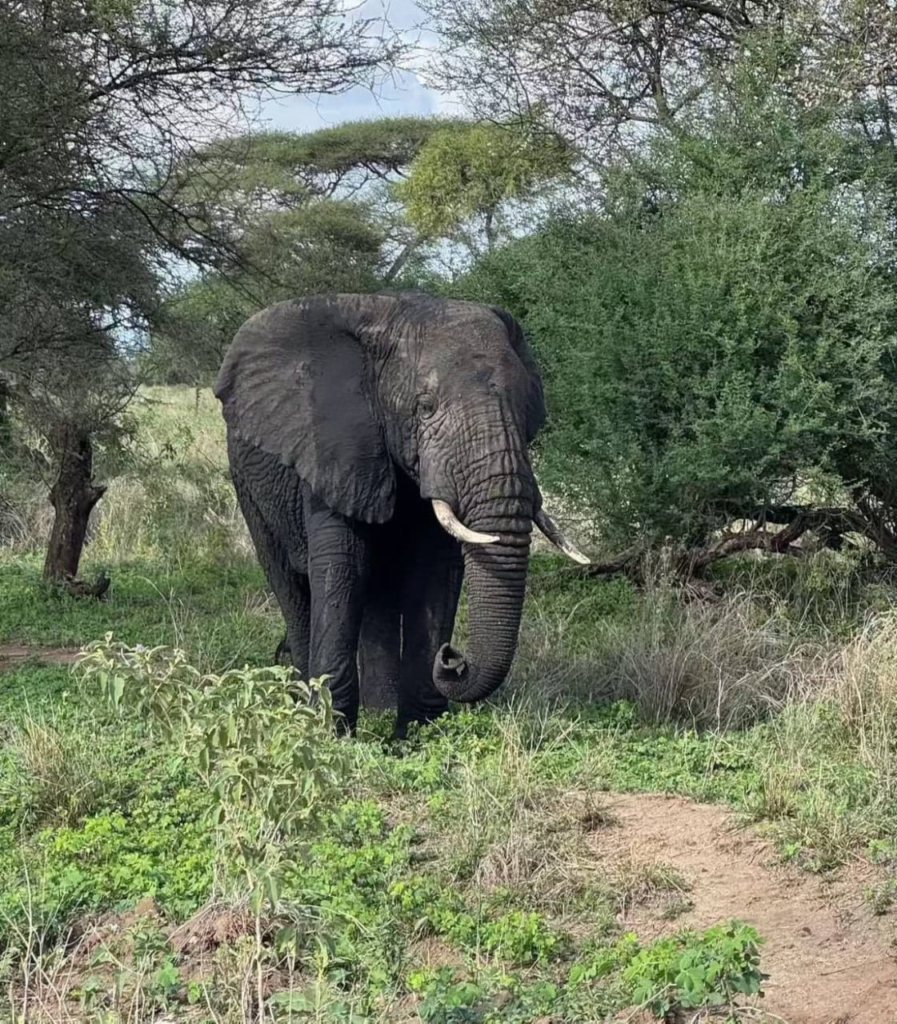
When we say “Tanzania Tours,” many people only imagine a safari jeep. But actually it is wider than that.
Tanzania tours can include safari park visits, cultural village visits, Zanzibar beach relaxation, and also mountain trekking like Kilimanjaro climbing.
Some travelers mix safari and beach, like morning lion watching and evening ocean sunsets. That contrasting feeling is something hard to explain but very special.
And also, guides in Tanzania tours play a big role. Good guides don’t just show animals; they tell stories, explain behavior, and sometimes funny local things too.
So Tanzania Tours is not just a travel package; it is more like a full experience bundle.
Kilimanjaro climbing—slow struggle but beautiful victory
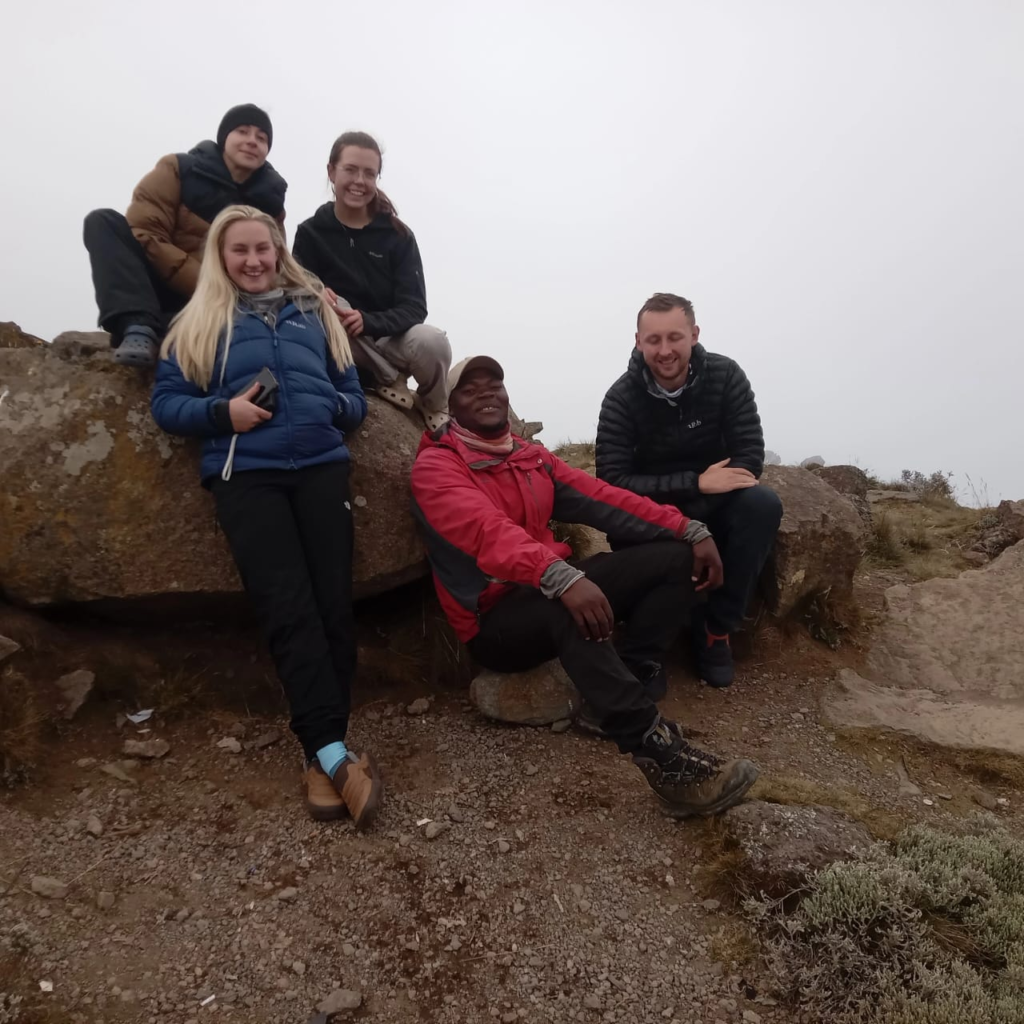
Now coming to the big one, Kilimanjaro climbing. This is not just a hike; it feels like a long conversation with your own body.
Mount Kilimanjaro is the highest free-standing mountain in the world, so altitude is the main challenge, not just walking.
During Kilimanjaro climbing, you go through different zones. First forest, then moorland, then desert-type land, and finally ice near the top. It feels like you travel to different planets in one journey.
People think it is just a fitness game, but actually the mind plays a bigger role. Slow steps, breathing, and accepting slow progress are key.
Summit night is the hardest part. Cold, darkness, a tired body, but also strong motivation inside. Many people cry or are silent at the top, not because it’s easy, but because the journey hits deep.
cost of climbing Kilimanjaro is not cheap, but it’s not impossible either
Let’s talk about the real cost of climbing Kilimanjaro.
Many travelers are shocked the first time they see the price. Because the cost of climbing Kilimanjaro includes park fees, guides, porters, food, camping, safety, and logistics.
So the average cost of climbing Kilimanjaro can range quite wide depending on route and service level. Budget options exist, but safety should not be compromised because mountains are serious places.
Cheaper trips sometimes reduce comfort or support, but good operators keep balance. Also, longer routes cost more but give better acclimatization.
So when thinking about the cost of climbing Kilimanjaro, it’s better not only to think about money but also to think about safety, chance of success, and support systems.
Because cheap trips that fail summits actually become more expensive emotionally.
The best time to climb Kilimanjaro: timing changes everything.
Now the important question is the best time to climb Kilimanjaro.
Generally dry seasons work best. January to March and June to October are the most popular windows. Weather more stable, sky clear, and trail less slippery.
The best time to climb Kilimanjaro also depends on crowd feelings. Peak season means more people on route, so camps are a little busy.
If you want a quiet experience, shoulder months can also work, but the weather is unpredictable sometimes.
So the best time to climb Kilimanjaro is not only about the weather but also about what kind of experience you want. Busy social trek or quiet mountain walk.
mixing an African safari in Tanzania with Kilimanjaro climbing
Many travelers combine an African safari in Tanzania with Kilimanjaro climbing in one trip.
On your first safari, you get wild energy, animal action, and dusty road adventure. Then after that, Kilimanjaro climbing gives you an inner challenge, slow focus, and a personal test.
This combination is very powerful. One is outside-world excitement; another is an inside self-journey.
A safari to Tanzania gives a story for the eyes; Kilimanjaro gives a story for the heart.
Tips from real travel-style experiences
Some small but important things people learn late:
- Slow is better than fast, both in the safari and in the mountains
- Good guide; change everything, seriously.
- Water and rest are always more important than rushing.
- Weather can change the mood of the whole trip.
- Patience is the main travel skill in Tanzania tours.
An African safari in Tanzania and Kilimanjaro climbing both reward people who don’t rush.
Discover Authentic African Adventures with Expert Local Guides of TanzaniaAdventuresAndSafaris
Real Africa never feels the same when you travel with people who truly know every trail, every wildlife corner, and every local story. TanzaniaAdventuresAndSafaris brings you closer to the heart of Tanzania with expert local guides who not only lead the journey but also share the culture, nature, and hidden places many visitors never see. From unforgettable safaris in Tanzania to exciting Tanzania tours and unforgettable Kilimanjaro climbing trips, every adventure becomes more personal and meaningful. If you are searching for the best time to climb Kilimanjaro or planning your first safari, their local experience helps make every moment smooth, safe, and full of memories you never forget.
Conclusion: Tanzania is not just a destination; it feels like a full story.
In the end, a safari in Tanzania and Kilimanjaro climbing together make one of the strongest travel combinations in the world.
Tanzania offers wildlife, culture, oceans, and mountains in one place. And an African safari in Tanzania shows raw natural beauty that you don’t forget easily.
Whether you are thinking about Tanzania Tours, checking the cost of climbing Kilimanjaro, or searching for the best time to climb Kilimanjaro, everything comes back to the same thing: experience matters more than planning perfection.
A trip here is not just a vacation; it feels like a story you live once and remember always.
FAQs
1. Is an African safari in Tanzania safe for first-time travelers?
Yes, mostly safe if you go with the proper Tanzanian tour operator and follow guide rules. Wildlife is wild, so respect is a must.
2. How many days are needed for a safari to Tanzania?
Usually 4 to 7 days are good enough for main parks. Fewer days feel rushed; more days feel relaxed and deeper.
3. What is the average cost of climbing Kilimanjaro?
The cost of climbing Kilimanjaro varies generally. It includes permits, guides, porters, food, and camping. Budget and luxury are both options available.
4. What is the best time to climb Kilimanjaro for clear weather?
The best time to climb Kilimanjaro is usually in dry seasons like Jan–Mar and Jun–Oct, when the weather is more stable and visibility is better.
5. Can I combine a safari and Kilimanjaro climbing in one trip?
Yes, many travelers do that. An African safari in Tanzania first, then Kilimanjaro climbing after or before the safari, works very well for a full experience.


I do not even understand how I ended up here, but I assumed this publish used to be great