
Having access to clean, purified drinking water while traveling used to require stocking up on bottled water or trusting unfamiliar sources. Travel RO systems like the Bluevua ROPOT-Lite have changed that equation entirely, delivering reliable reverse osmosis filtration in a compact, portable package that goes wherever you do. But here’s what many owners discover after a few months of use: water flow slows to a trickle, an odd taste creeps in, or the system flashes alerts that something isn’t right. These aren’t signs of a failing unit—they’re signals that maintenance is overdue.
Neglecting routine care doesn’t just compromise water quality; it actively shortens filter lifespan, forces the membrane to work harder, and drives up the ratio of wasted water to purified output. The good news is that keeping your Travel RO system operating at peak efficiency requires neither specialized expertise nor excessive time. This article breaks down the essential maintenance tasks—from proper use of cleansing tablets and descaling kits to knowing exactly when to swap in RO replacement filters—so you can maintain consistent performance trip after trip. Whether you’re a weekend road-tripper or a full-time mobile dweller, these proven solutions will keep every glass crystal clear.
Why Regular Maintenance is Key to Peak Travel RO Performance
To understand why maintenance matters so much, it helps to know what’s happening inside your Travel RO system every time you press the start button. Water passes through a multi-stage process designed to strip away contaminants progressively. First, pre-filters—typically sediment and activated carbon stages—catch larger particles like sand, rust, chlorine, and organic compounds. Next, the heart of the system: a semi-permeable RO membrane that rejects dissolved solids, heavy metals, and microscopic impurities at the molecular level. Finally, a post-carbon filter polishes the taste, removing any residual odors before the water reaches your glass.
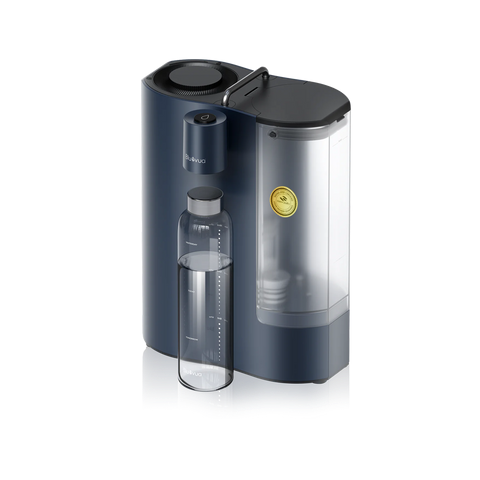
Each stage depends on the one before it functioning correctly. When maintenance lapses, problems cascade. Mineral scale—primarily calcium and magnesium deposits—accumulates on the membrane surface, physically blocking the tiny pores that allow pure water molecules through. The result is dramatically slower production rates and a higher ratio of rejected water to purified output. A membrane operating under scale buildup may waste two or three times more water than a clean one producing the same volume.
Pre-filters face their own battle. Sediment filters clog as they trap particulates, restricting flow and forcing the pump to work harder. Carbon blocks become saturated with chlorine and organic chemicals, eventually allowing these contaminants to pass through to the membrane—where they cause irreversible damage. Meanwhile, stagnant water in an unmaintained system creates ideal conditions for bacterial biofilm to form inside tubing and reservoir surfaces, introducing the very contamination you purchased the system to avoid.
For mobile users, these consequences carry extra weight. You can’t simply call a plumber or wait for a service appointment when you’re parked at a remote campsite or staying in a rental abroad. A system that fails mid-trip leaves you without safe drinking water at precisely the moment alternatives are hardest to find. Premature membrane failure—often triggered by inadequate pre-filter changes or neglected descaling—means replacing the most expensive component months or years ahead of schedule. Proper maintenance isn’t an optional enhancement; it’s the difference between a system that delivers consistently pure water for its full rated lifespan and one that becomes an unreliable, wasteful appliance within a single travel season. Every minute you invest in upkeep directly translates to higher output quality, lower water waste, and genuine peace of mind on the road.
Your Essential Travel RO Maintenance Toolkit
Before diving into procedures, you need the right supplies on hand. Think of these four components as your Travel RO maintenance foundation—each serves a distinct purpose, and together they cover every scenario you’ll encounter on the road.
RO replacement filters are the consumable workhorses of your system. These include sediment pre-filters that physically trap particles like dirt, rust flakes, and sand before they reach delicate downstream components, as well as activated carbon blocks that adsorb chlorine, volatile organic compounds, and chemical tastes. Because these filters have a finite absorption and trapping capacity, they must be swapped on a regular cycle. Running them past their effective life doesn’t just reduce water quality—it exposes the membrane to damage that no amount of cleaning can reverse.
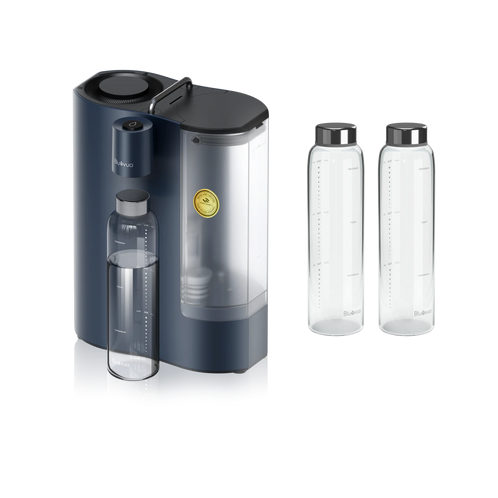
Cleansing tablets serve as your system’s internal sanitizer. Dissolved in water and circulated through the unit’s pathways, they eliminate bacterial biofilm, algae, and organic residue that accumulate inside tubing, reservoirs, and filter housings. This is especially critical for travel units that may sit idle between trips, giving microorganisms time to colonize moist surfaces. A single sanitization cycle restores hygienic conditions throughout the entire water path.
A descaling kit targets the specific problem of mineral buildup on the RO membrane itself. Unlike general cleaning, descaling uses a formulated solution—typically citric acid-based—that dissolves calcium carbonate and magnesium deposits without damaging the membrane’s delicate thin-film composite layer. If you travel through areas with hard water, this kit becomes your membrane’s best defense against premature performance loss.
Finally, the ROPOT-Lite unit itself is designed with maintenance accessibility in mind. Its tool-free filter housing, quick-connect fittings, and clearly labeled stages mean you don’t need a workshop or specialized wrenches to perform any of the tasks described in the following sections. The compact footprint that makes it travel-friendly also makes it easy to flush, disassemble, and reassemble in a hotel bathroom or at a campsite picnic table. With these four elements assembled, you’re fully equipped to execute every maintenance procedure your system will ever require.
Step-by-Step Guide to Simple & Effective ROPOT System Care
Knowing why maintenance matters and having the right tools are important first steps, but execution is where efficiency gains actually happen. The following procedures are organized from routine tasks you’ll perform frequently to deeper interventions needed less often. Each step is designed to be completed without professional help, using only the toolkit described above and whatever flat surface you have available—a kitchen counter, a camper’s fold-out table, or even a clean towel spread on the floor of a hotel room.
Routine Maintenance for Optimal Operation
Consistent, lightweight maintenance between trips prevents small issues from compounding into system-threatening problems. Start with a visual inspection every time you set up your ROPOT-Lite in a new location. Check all quick-connect fittings for moisture or dripping—even a hairline leak indicates a seal that needs reseating. Examine the inlet tubing for kinks that restrict flow and force the pump to overwork. If your unit displays pressure readings, confirm they fall within the normal operating range specified in your manual; a sudden drop often signals a clogged pre-filter, while unusually high pressure may point to a blocked membrane.
Sanitization with cleansing tablets should happen every two to four weeks during active use, or immediately before resuming operation after the system has sat idle for more than five days. To sanitize, first remove any existing filters from their housings so the cleaning solution contacts internal surfaces directly. Dissolve one cleansing tablet in the recommended volume of warm water—typically around one liter—and pour the solution into the system’s inlet. Run the unit in recirculation or cleaning mode, allowing the solution to flow through all internal tubing, the reservoir walls, and the post-filter housing for at least ten minutes. After circulation, drain completely and flush with two full cycles of fresh water to eliminate any residual cleaning agent. This process destroys biofilm colonies before they mature enough to shed bacteria into your drinking water, and it keeps internal surfaces smooth so water flows without added resistance. Performing this task consistently means your filters spend their capacity trapping external contaminants rather than fighting internally generated biological growth, extending their useful life significantly.
Advanced Care: Descaling and Filter Replacement
Descaling targets mineral deposits that routine sanitization cannot address. If you’ve been filtering hard water—common in much of the American Southwest, Mediterranean coastal areas, or anywhere tap water leaves white residue on fixtures—plan to descale every one to three months depending on hardness levels. Begin by removing the RO membrane from its housing and inspecting it visually; a membrane coated in scale appears chalky or feels gritty compared to its original smooth surface. Mix the descaling kit’s citric acid solution according to its instructions, submerge the membrane in this solution, and allow it to soak for the time specified—usually between fifteen and thirty minutes. Gently agitate the container once or twice during soaking to ensure the solution reaches all surfaces. After soaking, rinse the membrane thoroughly under clean running water for at least two minutes, then reinstall it in its housing. Run the system and discard the first full batch of produced water to flush any loosened mineral particles from the line.
Filter replacement requires attention to sequence. Always replace the sediment pre-filter first, since it protects every downstream stage. Turn off and depressurize the system, then twist or release the filter housing to access the spent cartridge. Insert the new sediment filter with the correct orientation—most have a clearly marked flow direction arrow. Next, swap the carbon block using the same process. Once both pre-filters are seated, reconnect the housings and run water through the system for three to five minutes before collecting any for drinking. This initial flush removes carbon fines and manufacturing residue from new filters. To avoid airlocks—pockets of trapped air that stall flow—hold the unit at a slight angle during the first flush so air naturally rises toward the outlet, or gently tap the housings to dislodge stubborn bubbles. Never skip the flush step, as carbon dust in an unflushed filter can coat the membrane and reduce its rejection rate. By handling descaling and filter swaps in this deliberate order, you ensure each component operates in the cleanest possible environment, maximizing both performance and longevity.
Creating Your Personalized ROPOT Maintenance Schedule
With the procedures mastered, the final piece is building a schedule that fits your specific travel patterns and water conditions. No single maintenance timeline works for everyone because two variables dramatically shift how quickly your system accumulates wear: source water quality and daily usage volume. Someone filtering two liters a day from a municipal tap in the Pacific Northwest faces entirely different demands than a full-time RVer processing eight liters daily from well water in Arizona. Hard water accelerates scaling, high-sediment sources exhaust pre-filters faster, and heavy daily throughput compresses every maintenance interval.
A practical starting framework looks like this. For sanitization with cleansing tablets, plan on every two weeks during active daily use, every four weeks during lighter or intermittent use, and always before restarting after any idle period exceeding five days. Descaling should occur monthly if you regularly encounter hard water sources, or quarterly if your water is consistently soft or pre-treated. Sediment pre-filters typically need replacement every three to four months under moderate use, though visibly discolored or flow-restricted filters should come out immediately regardless of calendar timing. Carbon block filters last slightly longer—roughly every four to six months—but never push them beyond the point where you detect any chlorine taste or odor in the output, as that signals saturation and imminent membrane exposure.
Start a simple maintenance log—a note on your phone, a small notebook kept with your Bluevua ROPOT-Lite, or even a recurring calendar reminder. Record the date of each task, the source water location, and any observations like reduced flow or unusual taste. Over two or three cycles, patterns emerge that let you fine-tune intervals precisely to your usage. This personalized schedule transforms maintenance from a reactive scramble into a predictable, five-minute routine that keeps efficiency high and surprises nonexistent, trip after trip.
Take Action Now to Keep Your Travel RO Running at Peak Performance
Consistent, simple maintenance isn’t a suggestion for Travel RO owners—it’s the single most important factor separating systems that deliver pure water for years from those that fail within months. The framework is straightforward: understand why each component degrades and what neglect costs you in efficiency, water waste, and premature part failure. Equip yourself with the right toolkit—descaling kits to protect your membrane from mineral buildup, RO replacement filters to keep every stage functioning as designed, and cleansing tablets to maintain sanitary internal conditions. Then tie it all together with a personalized schedule that accounts for your actual water sources and daily usage rather than relying on generic timelines.
Now is the time to act. Pull out your ROPOT-Lite, inspect the pre-filters for discoloration, check whether the membrane feels smooth or gritty, and note how long it’s been since your last sanitization cycle. Order any supplies you’re missing today—not after the next trip when flow has already slowed and taste has already suffered. Implement the maintenance plan outlined here, log your first entry, and set your next reminder. The reward is water you can trust completely, produced efficiently and reliably, no matter where the road takes you.