Roofing replacement is one of the most important home improvement projects a property owner can undertake. A roof is not just a protective layer over a building; it is a structural system that safeguards the home from weather, supports energy efficiency, and contributes significantly to property value. Over time, every roof reaches the end of its lifespan, making replacement necessary to maintain safety and performance.
Whether due to aging materials, storm damage, leaks, or general wear and tear, understanding when and how to replace a roof helps homeowners make informed decisions and avoid costly structural problems.
What Is Roofing Replacement?
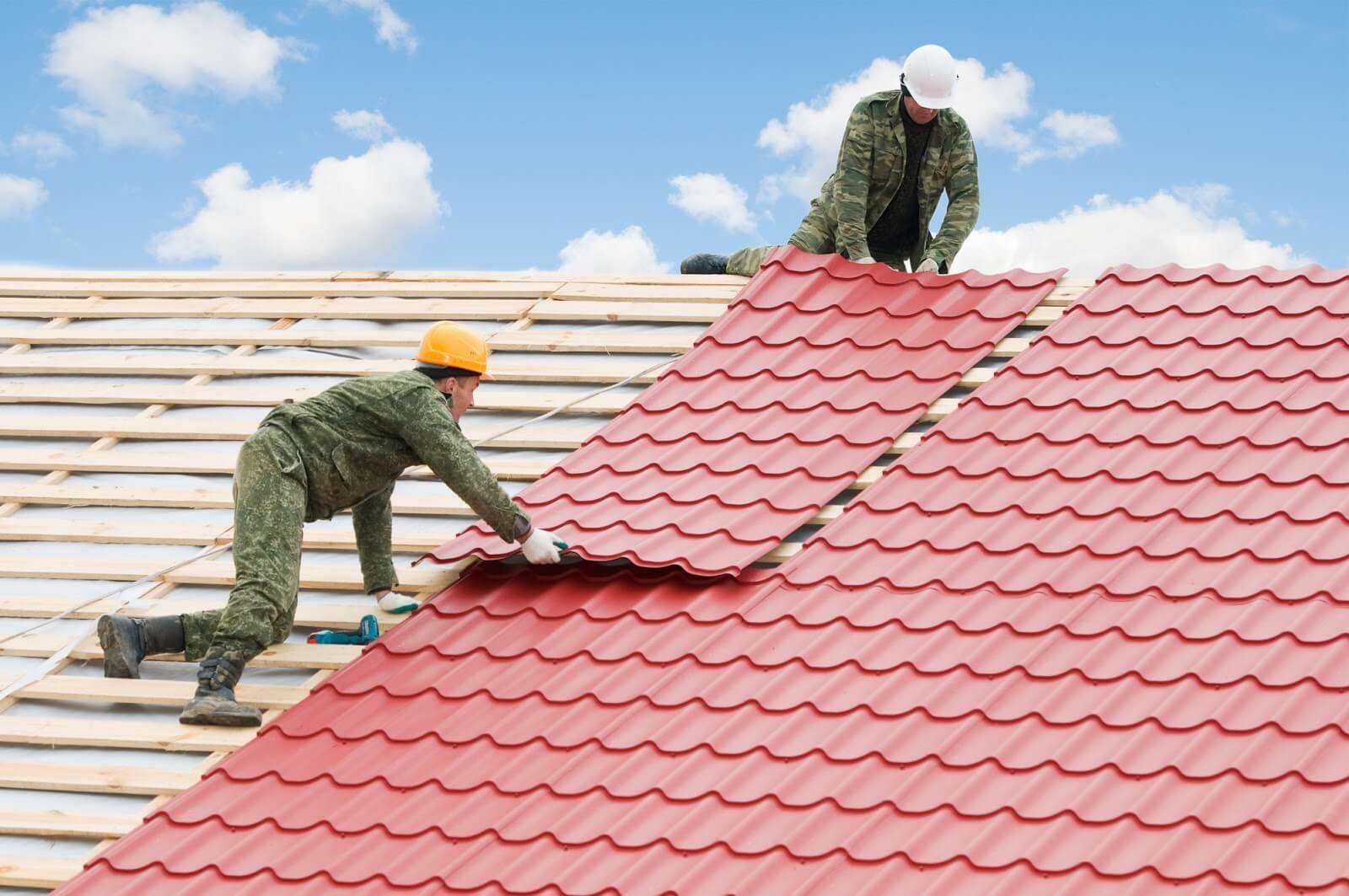
Roofing replacement is the process of completely removing an existing roof system and installing a new one. Unlike minor repairs that fix isolated issues, replacement involves rebuilding the roofing structure from the base layer upward.
A full roofing replacement typically includes:
- Removing old shingles or roofing material
- Inspecting and repairing the roof deck
- Installing underlayment for waterproofing
- Adding new shingles, tiles, or metal roofing
- Replacing flashing and ventilation components
This process ensures that the entire roofing system is restored, not just surface-level issues.
Why Roofing Replacement Is Necessary
Every roof has a limited lifespan depending on materials, weather exposure, and maintenance. Eventually, repairs are no longer enough, and replacement becomes the most cost-effective solution.
1. Aging Roof Materials
Most roofing materials have a defined lifespan. For example:
- Asphalt shingles: 15–30 years
- Metal roofs: 40–70 years
- Clay or concrete tiles: 50+ years
Once a roof exceeds its expected lifespan, deterioration becomes inevitable.
2. Persistent Leaks
Frequent leaks are a major sign that a roof is failing. Water intrusion can lead to mold growth, insulation damage, and structural weakening.
3. Storm and Weather Damage
Heavy rain, hail, snow, and wind can severely damage roofing materials. Even if the damage is not immediately visible, it can weaken the roof over time.
4. Rising Energy Bills
An old or damaged roof can affect insulation and ventilation, causing heating and cooling systems to work harder. This leads to increased energy costs.
5. Visible Wear and Tear
Curling shingles, missing tiles, sagging areas, and dark stains are all indicators that a roof is nearing the end of its service life.
Benefits of Roofing Replacement
Investing in a new roof provides several long-term advantages beyond basic protection.
Improved Home Safety
A new roof ensures that the home is structurally secure and protected from water damage, mold, and external elements.
Increased Property Value
A newly replaced roof significantly boosts property value and makes a home more attractive to potential buyers. Many buyers prefer homes with recently updated roofing systems.
Better Energy Efficiency
Modern roofing materials are designed to reflect heat and improve insulation. This helps maintain indoor temperature and reduces energy consumption.
Enhanced Curb Appeal
A new roof can completely transform the appearance of a home. With various materials and colors available, homeowners can upgrade the overall aesthetic of their property.
Reduced Maintenance Costs
Older roofs often require frequent repairs. A new roof minimizes maintenance needs and provides peace of mind for years.
Types of Roofing Materials
Choosing the right material is an essential part of the roofing replacement process. Each option offers different benefits in terms of durability, cost, and appearance.
Asphalt Shingles
Asphalt shingles are the most common roofing material due to their affordability and ease of installation. They come in various colors and styles and offer reliable protection.
Metal Roofing
Metal roofs are known for their durability and long lifespan. They are resistant to fire, wind, and extreme weather conditions, making them a popular choice for modern homes.
Clay and Concrete Tiles
These materials provide a distinctive look and excellent durability. They are commonly used in warmer climates due to their heat resistance.
Wood Shakes
Wood shakes offer a natural and rustic appearance. However, they require more maintenance and are less fire-resistant than other materials.
Slate Roofing
Slate is one of the most durable and premium roofing materials available. It can last over a century but is heavier and more expensive than other options.
The Roofing Replacement Process
A professional roofing replacement project follows a structured approach to ensure safety and quality.
Step 1: Roof Inspection
The process begins with a detailed inspection to assess the condition of the existing roof and determine the scope of work required.
Step 2: Removal of Old Roofing
Old shingles or materials are carefully removed to expose the roof deck. This step allows contractors to identify hidden damage.
Step 3: Deck Repair
Any damaged or rotten sections of the roof deck are repaired or replaced to ensure a solid foundation.
Step 4: Installation of Underlayment
A protective underlayment is installed to provide a waterproof barrier and improve insulation.
Step 5: Installing New Roofing Material
The chosen roofing material is installed according to manufacturer specifications to ensure durability and performance.
Step 6: Final Inspection and Cleanup
After installation, the roof is inspected for quality assurance. The site is cleaned, and debris is removed.
How to Know When You Need a Roof Replacement
Homeowners should watch for key warning signs that indicate a replacement may be necessary:
- Roof is over 20 years old
- Frequent leaks or water stains on ceilings
- Missing or damaged shingles
- Sagging roof structure
- Excessive moss or algae growth
- High energy bills without explanation
Early detection helps prevent more serious structural damage.
Cost Factors of Roofing Replacement
The cost of replacing a roof varies based on several factors:
- Size of the roof
- Type of materials used
- Labor costs in the area
- Complexity of roof design
- Removal of old roofing layers
- Repairs needed to the roof deck
While roofing replacement is a significant investment, it is essential for long-term property protection.
Common Mistakes to Avoid
Homeowners should avoid these common mistakes during roofing projects:
- Delaying replacement too long
- Choosing low-quality materials
- Hiring unqualified contractors
- Ignoring ventilation and insulation
- Skipping professional inspections
Proper planning ensures better results and long-lasting performance.
The Future of Roofing Technology
Roofing systems continue to evolve with modern technology. Innovations include:
- Solar-integrated roofing systems
- Energy-efficient reflective materials
- Smart leak detection systems
- Eco-friendly recycled materials
- Improved waterproof membranes
These advancements make modern roofs more efficient, durable, and environmentally friendly.
Conclusion
Roofing replacement is a critical investment that protects your home, enhances its value, and improves energy efficiency. While it may seem like a major expense, the long-term benefits far outweigh the costs.
By understanding the signs of roof failure, choosing the right materials, and working with experienced professionals, homeowners can ensure a safe and durable roofing system for decades to come.
A strong roof is the foundation of a secure home, and timely replacement guarantees comfort, protection, and peace of mind for years ahead.
For more details, visit us here: Everguardroofingcalifornia.com