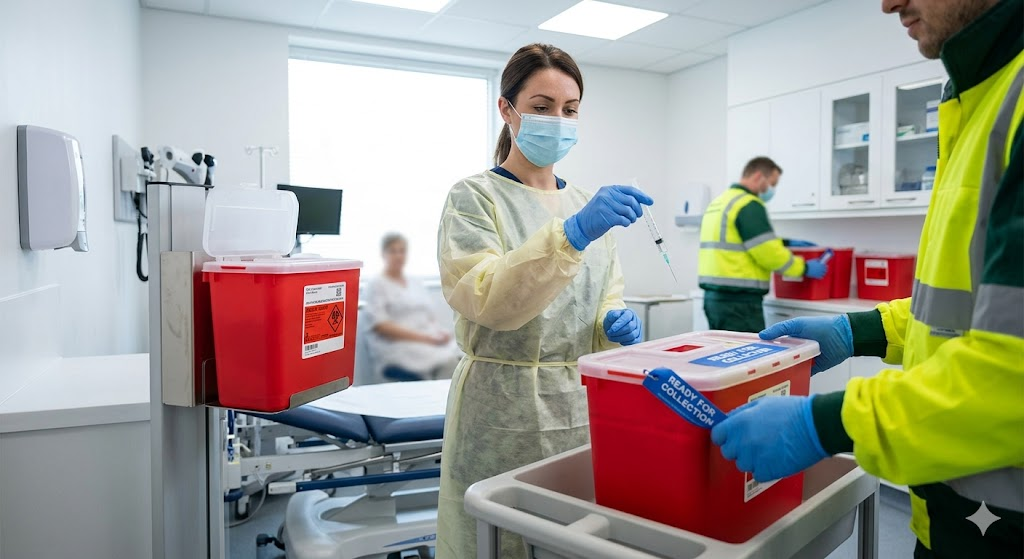
Healthcare spaces handle hazardous materials carefully throughout every working day. Improper disposal increases risks for workers and nearby surroundings quickly. Facilities depend on structured systems like virginia sharps disposal for safety. These practices ensure protection remains steady across all operational areas.
How Do Sharps Disposal Systems Reduce Risks?
Sharps waste presents immediate danger during routine handling processes. Workers face injuries that may lead to complications over time. Disposal systems reduce these risks through controlled and guided methods. As a result, teams feel more secure during everyday responsibilities.
Consistent Handling Practices Strengthen Daily Safety
Clear procedures guide workers through proper waste handling steps consistently. When routines stay predictable, confusion reduces during busy clinical hours. This steady approach supports safer environments across departments without interruptions.
- Staff follow defined steps handling contaminated sharp medical instruments safely
- Clearly labeled bins guide disposal without confusion during active procedures
- Immediate disposal reduces exposure time for dangerous materials significantly
- Routine monitoring ensures containers remain functional and safe continuously
- Supervisors review practices regularly maintaining discipline across working teams
- Controlled handling reduces accidental contact during high pressure clinical shifts
These practices strengthen daily operations while maintaining steady safety standards. Workers perform confidently because systems remain simple and dependable. Over time, consistency builds responsibility across every working team.
Why Do Regulations Demand Proper Disposal Methods?
Healthcare guidelines enforce strict waste handling to prevent wider safety concerns. Authorities expect facilities to maintain clear documentation and controlled processes. The use of virginia sharps disposal supports compliance across operational requirements. Regulations help protect workers and communities from unnecessary exposure risks.
Training And Awareness Improve Workplace Confidence
Education plays a key role in maintaining safe disposal habits daily. Training sessions reinforce procedures through repeated explanations and practical demonstrations. As knowledge improves, hesitation reduces during real working situations.
- Regular workshops explain safe handling methods for contaminated sharps waste
- Demonstrations show proper container usage across varied clinical working conditions
- Staff learn responses for accidental exposure during medical procedures quickly
- Refresher sessions update teams on safety protocols and current expectations
- Supervisors encourage questions to clear doubts about disposal practices effectively
- Continuous learning strengthens awareness and improves workplace safety consistently
Well informed teams respond quickly during unexpected situations. Confidence grows when knowledge becomes part of everyday working routines. This awareness supports long term improvements across healthcare environments.
Can Poor Disposal Affect Community Safety?
Improper handling extends risks beyond healthcare facilities into surrounding areas. Contaminated sharps may harm sanitation workers or nearby residents unexpectedly. Responsible disposal prevents these issues from developing further. Safe systems protect both internal teams and the wider public.
Accessible Disposal Points Enhance Workflow Efficiency
Strategic placement of disposal units supports smooth clinical operations daily. Workers avoid delays because containers remain within easy reach always. This accessibility ensures immediate disposal after every completed procedure.
- Place containers near treatment areas ensuring quick and safe disposal access
- Ensure visibility so staff locate bins without wasting valuable working time
- Maintain adequate container supply across all high activity operational zones
- Replace filled units immediately preventing overflow and possible safety hazards
- Use standardized designs for familiarity across different departments consistently
- Inspect placement regularly confirming accessibility remains effective during operations
Efficient workflows reduce unnecessary movement during demanding schedules. Staff maintain focus without distractions caused by poor placement. Accessibility directly improves safety outcomes across departments effectively.
What Should Facilities Focus On Daily Safety?
Facilities focus on consistency, accessibility, and regular training practices daily. These elements work together to maintain strong safety standards. Routine checks ensure systems function without unexpected interruptions. Daily attention prevents minor issues from becoming serious concerns later.
Building Safer Systems Through Responsible Practices
Reliable disposal systems support long term safety across healthcare environments steadily. Workers depend on clear processes that remain simple and effective. Over time, these systems create stable and secure workplaces. Responsible practices ensure safety remains shared across all working teams. Consistent attention ensures these safety practices remain effective across changing healthcare demands.
FAQs
What is sharps waste disposal?
It involves safe handling and disposal of needles and sharp medical instruments responsibly.
Why is proper disposal important?
It prevents injuries, reduces infection risks, and protects workers and surrounding communities effectively.
Who manages sharps disposal services?
Licensed providers manage collection, transportation, and treatment following strict healthcare safety regulations.