Introduction
Cities around the world are growing fast. With more people moving into urban areas, leaders must find smarter ways to manage traffic, energy, water, air quality, and public safety. This is where weather instruments play a major role. These tools collect real-time environmental data that helps cities make better decisions every day. From tracking temperature and rainfall to measuring wind speed and air pollution, modern meteorological sensors provide valuable information that supports efficient and safe urban living.
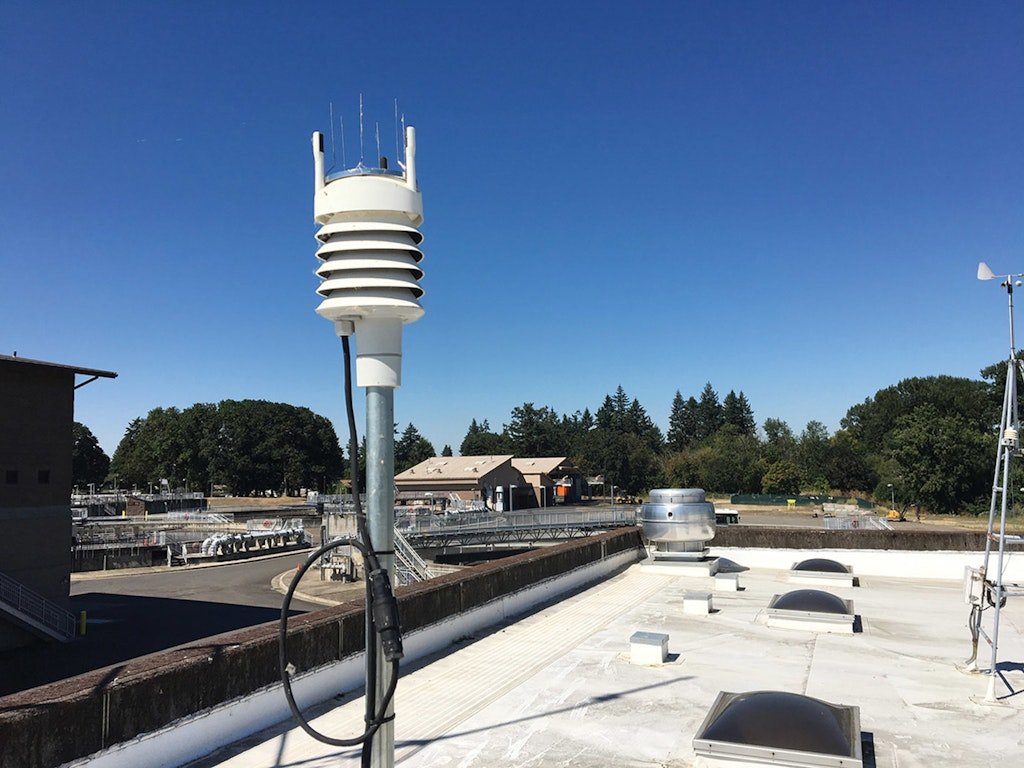
Smart city infrastructure depends on accurate data. Without reliable environmental monitoring systems, city planners would struggle to respond to storms, heatwaves, flooding, or poor air quality. Companies like Rika Sensor design and manufacture advanced weather monitoring solutions that help cities gather precise data in real time. By using high-quality sensors and automated weather stations, municipalities can improve public services, reduce risks, and build sustainable communities for the future.
The Role of Weather Instruments in Smart City Planning
Smart city planning begins with data. Urban planners need to understand local climate patterns before designing roads, buildings, drainage systems, and public spaces. weather instruments provide continuous measurements of temperature, humidity, atmospheric pressure, wind direction, wind speed, solar radiation, and precipitation. This data allows engineers to design infrastructure that can withstand local weather conditions.
For example, rainfall sensors and rain gauges help cities design better stormwater management systems. If a city knows its average rainfall intensity and seasonal patterns, it can build drainage systems that prevent flooding. Wind sensors are also essential when constructing tall buildings and bridges. Accurate wind speed data ensures that structures remain safe even during strong storms. By integrating meteorological monitoring systems into planning stages, cities can reduce long-term repair costs and increase public safety.
Improving Traffic and Transportation Systems
Traffic congestion is one of the biggest challenges in modern cities. Weather conditions often make it worse. Heavy rain, fog, strong winds, or icy roads can slow down vehicles and increase accidents. Weather instruments help smart traffic management systems adjust quickly to changing conditions.
Road weather monitoring stations collect data about surface temperature, humidity, and rainfall. This information is sent to traffic control centers in real time. If sensors detect icy conditions, authorities can send alerts to drivers and dispatch road maintenance teams. Wind monitoring devices installed near highways and bridges can warn of dangerous crosswinds. By using accurate environmental sensors, cities can improve road safety, reduce traffic delays, and lower accident rates. This integration of weather monitoring technology into transportation systems makes urban mobility smarter and more reliable.
Supporting Renewable Energy and Power Management
Smart cities focus heavily on renewable energy sources such as solar and wind power. However, renewable energy production depends on accurate weather forecasting and environmental data. Weather instruments play a key role in optimizing energy generation and distribution.
Solar radiation sensors measure sunlight intensity to help manage solar panel efficiency. Wind speed and wind direction sensors determine the best locations for wind turbines and help predict power output. Temperature and humidity sensors also support power grid stability by monitoring environmental conditions around electrical equipment. When cities have real-time meteorological data, they can balance energy supply and demand more effectively. This reduces energy waste and improves sustainability. Advanced sensor manufacturers like Rika Sensor provide high-precision instruments that help energy companies operate more efficiently and safely.
Enhancing Environmental Monitoring and Air Quality Control
Air pollution is a serious concern in many urban areas. Poor air quality can lead to health problems such as asthma, heart disease, and other respiratory issues. Smart cities use environmental monitoring systems to track pollution levels and protect public health. Weather instruments are essential for understanding how pollutants move and spread.
Wind sensors help determine the direction and speed of pollutant dispersion. Temperature and humidity sensors influence how smog forms and lingers in the atmosphere. Rainfall sensors also affect how pollutants are washed out of the air. By combining data from air quality monitors and weather instruments, city officials can issue timely health warnings and implement traffic restrictions when needed. This data-driven approach helps reduce pollution exposure and creates healthier living conditions for residents.
Strengthening Disaster Preparedness and Emergency Response
Natural disasters such as storms, typhoons, floods, and heatwaves can cause serious damage in cities. Early warning systems rely heavily on accurate meteorological data. Weather instruments provide the real-time information needed to prepare for and respond to emergencies.
For example, heavy rainfall sensors can detect intense precipitation before flooding occurs. Wind monitoring systems measure storm strength and direction, allowing authorities to issue evacuation orders if necessary. Temperature sensors help track extreme heat conditions that may threaten vulnerable populations. When cities integrate automated weather stations into emergency management systems, response teams can act quickly and efficiently. Reliable data reduces uncertainty and helps save lives. Smart city infrastructure becomes more resilient when supported by accurate environmental monitoring technology.
Enabling Data-Driven Urban Innovation
Smart cities use advanced technologies such as the Internet of Things, cloud computing, and artificial intelligence to analyze data and improve services. Weather instruments are often connected to IoT networks, allowing continuous data transmission to centralized platforms. This integration creates a powerful system for analyzing long-term climate trends and short-term weather changes.
Urban decision-makers can use historical weather data to identify patterns and improve planning strategies. For instance, analyzing temperature trends may influence the design of green spaces to reduce urban heat islands. Studying rainfall data can guide investments in better drainage systems. Businesses also benefit from weather-based analytics. Construction companies, logistics providers, and agricultural suppliers operating near cities rely on accurate forecasts to plan their activities. By partnering with reliable sensor manufacturers such as Rika Sensor, cities ensure that their data sources remain precise and trustworthy.
Boosting Water Resource Management
Water management is another critical part of smart city infrastructure. Cities must manage drinking water supply, wastewater treatment, and stormwater runoff efficiently. Weather instruments provide essential information for maintaining water systems.
Rain gauges measure precipitation levels, helping water authorities predict reservoir levels and adjust water distribution. Soil moisture sensors support green space irrigation management, preventing overwatering and conserving resources. Humidity and temperature data also influence evaporation rates, which impact water storage planning. When environmental monitoring systems are integrated into water management networks, cities can reduce waste and respond quickly to drought conditions or heavy rainfall events. This improves sustainability and protects valuable resources.
Promoting Sustainable Urban Development
Sustainability is at the heart of every smart city initiative. Weather instruments contribute directly to sustainable development by supporting climate adaptation strategies. Urban areas face challenges such as rising temperatures, stronger storms, and changing rainfall patterns due to climate change. Continuous meteorological monitoring allows cities to adapt proactively rather than reactively.
For example, long-term temperature data can encourage the installation of cool roofing materials and increased urban greenery. Wind data may influence building orientation to improve natural ventilation. Solar radiation measurements can guide energy-efficient architecture design. By using precise environmental data, cities reduce carbon emissions and improve overall quality of life. Reliable sensor technology ensures that sustainability goals are backed by accurate and actionable information.
Building Trust Through Accurate Data and Quality Sensors
For smart city systems to function effectively, data accuracy is essential. Poor-quality sensors can produce unreliable readings, leading to incorrect decisions. That is why choosing trusted manufacturers is critical. High-performance weather instruments must be durable, precise, and capable of operating in harsh environmental conditions.
Rika Sensor specializes in developing professional meteorological sensors designed for industrial and urban applications. Their solutions include wind sensors, rainfall gauges, solar radiation sensors, temperature and humidity transmitters, and integrated weather stations. These instruments are built to deliver consistent and accurate measurements, supporting infrastructure projects around the world. When cities invest in high-quality environmental monitoring equipment, they strengthen the foundation of their smart systems and ensure long-term reliability.
Conclusion
Smart city infrastructure depends on reliable, real-time environmental data. Weather instruments provide the essential measurements that guide planning, transportation management, renewable energy production, air quality control, disaster response, and sustainable development. Without accurate meteorological monitoring systems, cities would struggle to adapt to changing climate conditions and growing populations.
By integrating advanced sensor technology into urban networks, municipalities can improve safety, efficiency, and environmental protection. Companies like Rika Sensor contribute to this transformation by offering precise and durable monitoring solutions that meet global standards. As cities continue to evolve, weather instruments will remain at the core of data-driven innovation, helping communities become smarter, safer, and more sustainable for generations to come.