Water and sewer line leaks are common plumbing issues that can cause significant damage if left untreated. Leaks in fresh water, gas, and sewer lines can result in structural problems, increased water bills, and even potential health hazards. Identifying and addressing leaks early can save homeowners time, money, and stress by preventing minor issues from turning into costly repairs.
For homeowners seeking a reliable solution, professional services like Ares Plumbing specialize in leak location and repair for gas, fresh water, and sewer lines, providing peace of mind and helping to safeguard your home’s plumbing system. Here’s a guide to recognizing the signs of leaks and the steps you can take to address them effectively.
1. Recognizing Signs of a Fresh Water Leak
A fresh water leak is often the easiest to detect due to its impact on the home’s water usage and pressure. However, some leaks are hidden behind walls or beneath floors, making them difficult to spot without close attention.
Common Indicators of a Fresh Water Leak
- Increased Water Bills: A sudden increase in water usage without a change in daily habits can signal a leak.
- Decreased Water Pressure: Reduced pressure in faucets and showers may indicate a problem within the water line.
- Damp Spots or Water Stains: Wet spots on walls, floors, or ceilings suggest a potential leak behind the surface.
If you notice any of these signs, it’s important to investigate further or consult a professional to confirm the source of the problem and avoid structural damage.
2. Identifying Sewer Line Leaks
Sewer line leaks can be more challenging to detect due to their location underground or behind walls. However, certain warning signs can alert homeowners to a possible problem within the sewer system. Detecting sewer leaks early can prevent health hazards, foul odors, and expensive repairs.
Symptoms of a Sewer Line Leak
- Foul Odors: A strong smell of sewage in the home or yard is often a sign of a broken or leaking sewer line.
- Slow Drains: Multiple drains in the home slowing down simultaneously suggests a potential sewer line blockage or leak.
- Lush Patches in the Yard: If certain areas of the yard appear greener or have unusual plant growth, it could indicate that sewage is leaking underground and providing extra nutrients to plants.
Addressing sewer line leaks promptly is essential to protect the integrity of the home and maintain a safe living environment.
3. Gas Line Leak Detection and Safety Measures
Gas line leaks are particularly dangerous and require immediate attention due to the risk of fire, explosions, and health hazards. Homeowners should be aware of the signs of a gas leak and act quickly if they suspect one.
Warning Signs of a Gas Leak
- Rotten Egg Smell: Utility companies add a sulfur-like odor to natural gas, making it easier to detect leaks.
- Hissing Sound: A hissing or whistling noise near a gas line could indicate escaping gas.
- Dead or Discolored Plants: Gas leaks can suffocate nearby vegetation, causing plants to wither or turn brown.
If you suspect a gas leak, leave the premises immediately and contact your gas provider or a professional plumbing service for inspection and repair. Taking these precautions can protect you and your property from serious harm.
4. Causes of Water and Sewer Line Leaks
Understanding what causes water and sewer line leaks can help homeowners prevent these issues from occurring. Common causes range from natural wear and tear to environmental factors that put pressure on the pipes.
Typical Causes of Pipe Leaks
- Corrosion: Pipes made of older materials, such as galvanized steel, are prone to corrosion over time, which can lead to leaks.
- Tree Root Intrusion: Tree roots naturally seek moisture, sometimes growing into sewer lines and causing blockages or breaks.
- Shifting Soil: Changes in soil composition or movement due to construction or natural settling can put stress on pipes, leading to cracks and leaks.
Preventive measures, such as regular inspections, can help identify vulnerabilities before they turn into leaks.
5. DIY Leak Detection Tips
For minor leaks, homeowners can try DIY leak detection before calling in a professional. Simple tests and checks can reveal whether there’s a problem with the plumbing system.
DIY Leak Detection Techniques
- Check Your Water Meter: Turn off all water sources and observe the water meter. If it continues to move, this may indicate a leak in the fresh water line.
- Food Coloring Test for Toilets: Add a few drops of food coloring to the toilet tank. If the color appears in the bowl after a few minutes without flushing, it means there’s a leak in the toilet.
- Inspect Pipe Connections: Regularly check exposed pipes and connections for signs of moisture, rust, or small drips.
While DIY techniques are useful for identifying minor leaks, larger issues or hard-to-reach leaks should be addressed by professionals to avoid further complications.
6. When to Call a Professional Plumber
While some leaks can be managed temporarily, others require immediate attention from a licensed plumber. Calling a professional ensures that the leak is accurately located and effectively repaired, preventing further damage to the home.
Situations That Require Professional Assistance
- Frequent Clogs or Backups: Recurring issues with slow or blocked drains may indicate a hidden problem in the sewer line that needs professional inspection.
- Leaks in Hard-to-Reach Areas: Leaks behind walls, under floors, or underground require specialized equipment to locate and fix properly.
- Gas Line Issues: Gas line leaks should never be handled without professional assistance due to the high level of risk involved.
By seeking help from a plumbing expert like Ares Plumbing, homeowners can be confident that leaks will be resolved safely and efficiently.
7. Preventive Maintenance Tips to Avoid Future Leaks
Taking steps to prevent leaks can save homeowners from costly repairs and water damage. Simple maintenance practices can go a long way in protecting your plumbing system and extending the lifespan of pipes.
Preventive Measures for Leak Prevention
- Regular Inspections: Schedule annual plumbing inspections to catch potential issues early and ensure that pipes and connections are in good condition.
- Drain Cleaning: Keeping sewer lines and French drains clean prevents buildup that can lead to blockages and leaks.
- Proper Pipe Insulation: Insulating pipes in colder climates reduces the risk of cracks caused by freezing temperatures.
Preventive maintenance is key to avoiding unexpected leaks and keeping your plumbing system functioning smoothly.
8. Steps Involved in Professional Leak Location and Repair
When leaks occur, professional plumbers use specialized tools and techniques to locate and repair the source of the problem. Knowing what to expect during the process can help homeowners feel more confident about the repair.
Typical Leak Repair Process
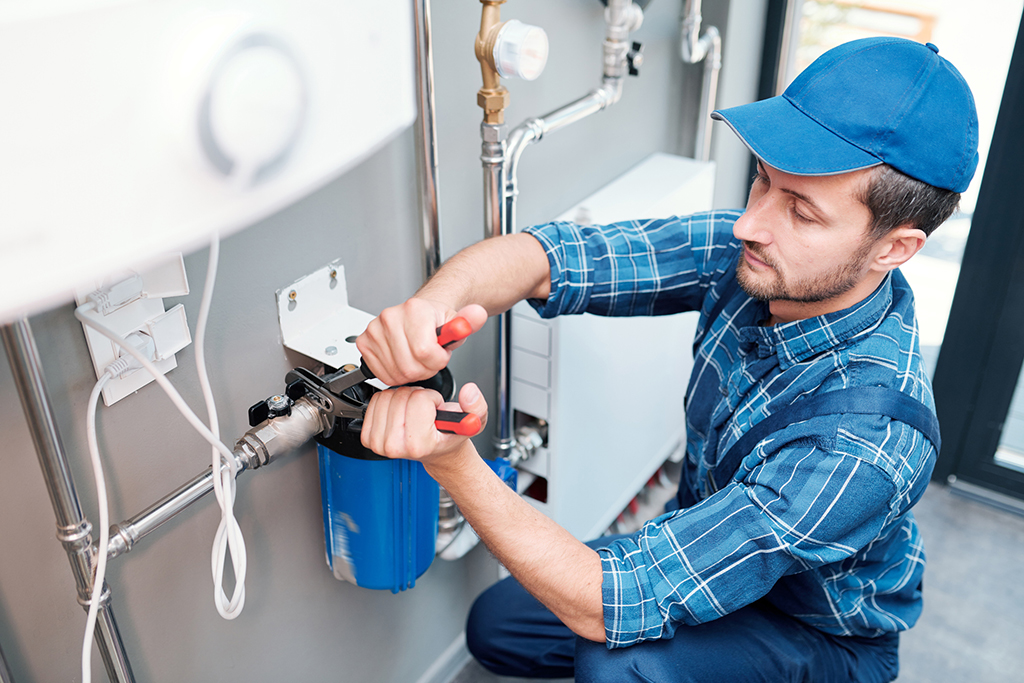
- Initial Inspection: Plumbers assess the problem by inspecting the affected areas and using specialized tools to locate the leak precisely.
- Leak Detection Equipment: Tools such as acoustic leak detectors, infrared cameras, and pressure testing help identify the exact location of hidden leaks.
- Repair and Replacement: Once the leak is located, the plumber repairs or replaces damaged pipes, fittings, or seals to stop the leak.
- Post-Repair Testing: After repairs, plumbers test the system to ensure no further leaks are present and that everything functions properly.
Professional leak detection and repair ensures that the job is done thoroughly, protecting your home and reducing the risk of recurring issues.
Conclusion: Protect Your Home with Early Leak Detection
Detecting and repairing water, sewer, and gas line leaks is essential for maintaining a safe and functional home. Recognizing the warning signs and understanding when to seek professional help can prevent minor leaks from escalating into major problems. With services like those provided by Ares Plumbing, homeowners can be confident that their plumbing systems are in expert hands.
By staying proactive, performing regular inspections, and addressing leaks promptly, you protect your home’s integrity, reduce water waste, and avoid costly repairs. From simple DIY checks to professional leak location and repair, these steps ensure a leak-free, efficient plumbing system that keeps your home safe and comfortable year-round.