Introduction:
Service dogs shine as rays of hope in a world full of obstacles, providing people with disabilities with independence, companionship, and support. However, what makes these extraordinary dogs so successful in their jobs, and how might service dog training unleash their limitless potential? Together, we will investigate the immense possibilities of service dog training and the positive effects it has on the lives of both the dogs and their handlers.
Unveiling the Power of Service Dog Training:
Training service dogs is a complex procedure that takes advantage of a dog’s innate skills to help people with disabilities by training them to perform a variety of activities as skilled companions. Let’s examine the essential components that make service dog training successful.
Knowing Canine Behaviour and Intelligence:
A thorough understanding of canine intelligence and behavior is necessary before beginning service dog training. Dogs are born with certain skills, such as a great sense of smell, intuition, and devotion, which trainers use to teach them particular duties. Trainers can maximize the success of each dog by customizing their approach based on their understanding of how dogs learn and communicate.
Methods of Positive Reinforcement:
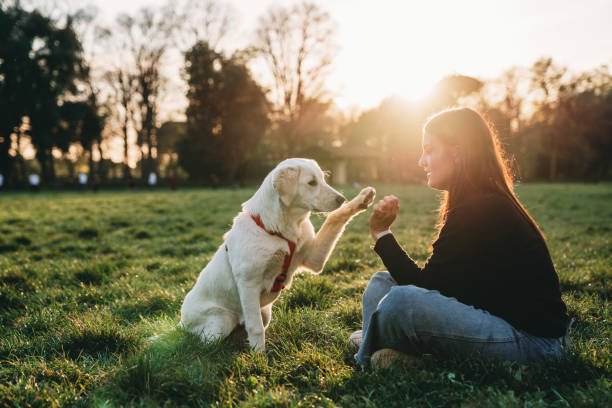
Training a service dog effectively starts with positive reinforcement. To support and reinforce desired behaviors, trainers employ incentives including food, compliments, and play. This approach improves the relationship between the dog and the handler while also inspiring the dog to learn. Through emphasizing positive interactions and rewards, trainers foster a loving environment that supports dogs’ success.
If you’re looking to train your dog effectively, reputable dog training schools can assess your dog’s current behavior and recommend a tailored training program. This personalized approach ensures that the training meets both your needs and your dog’s unique requirements.
Service Dog Training Particular to a Task:
To meet the demands of their handlers, service dogs are trained to carry out a wide range of tasks including, therapy training. Every dog that is trained to do certain tasks—like guiding the blind, announcing medical emergencies, or assisting with mobility—goes through a rigorous training program. Complex behaviors are broken down into smaller, more manageable steps by trainers, who then gradually shape and reinforce desired behaviors until they become dependable responses in practical settings.
Socialisation and Exposure:
Service dogs require early socialization and exposure to a variety of settings to develop into self-assured and adaptive friends. To help dogs become more confident and desensitized to potential distractions, trainers expose them to a variety of people, animals, sounds, and settings. Good socialization experiences set the groundwork for a composed and well-adjusted manner, which is essential for overcoming obstacles in daily life.
Involvement and Bonding of Handlers:
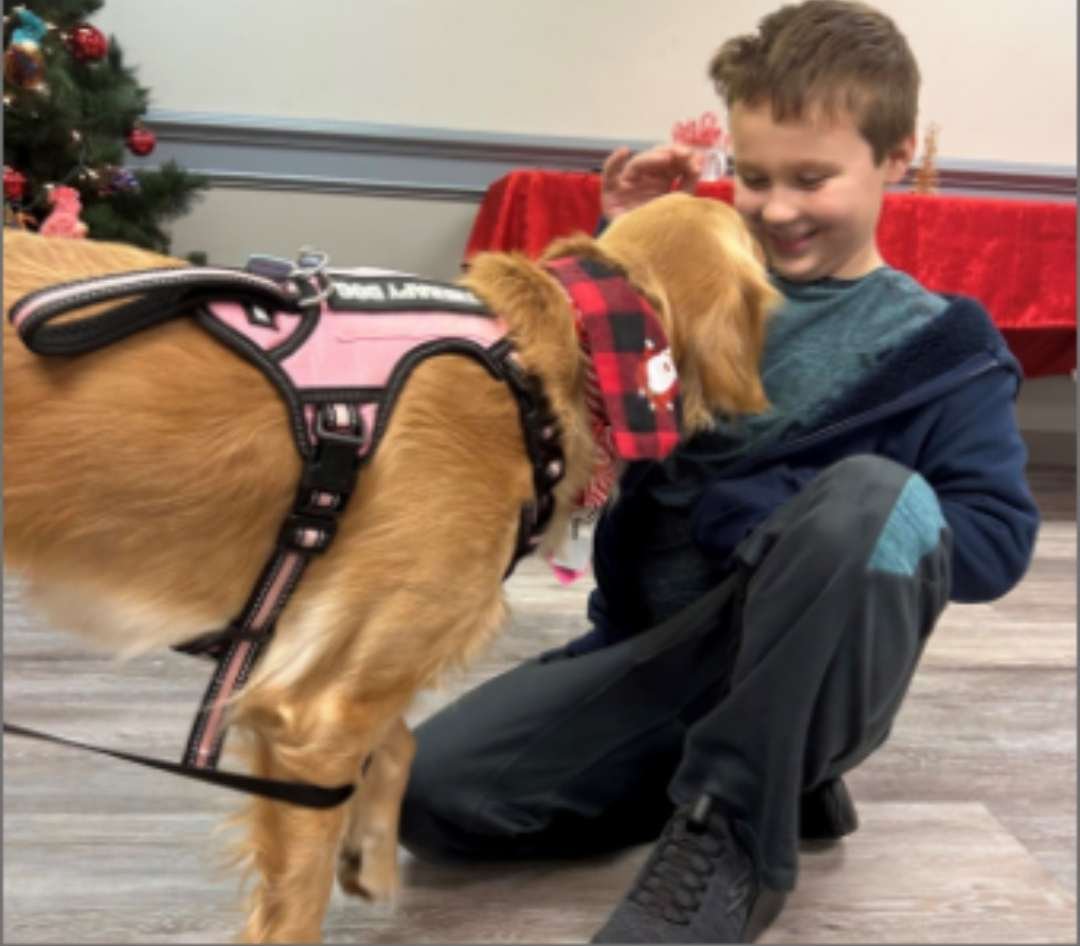
The success of a service dog and handler combo depends critically on their relationship. Throughout the training process, trainers push handlers to participate actively in order to build communication, respect, and trust. Through engagement in training sessions and bonding exercises, handlers fortify their bond with their canine partners, augmenting cooperation and teamwork in practical situations.
Why Us?
At Mariahhinds, we not only provide service dog training but also facilitate your dogs with therapy services. For the puppies, we have specialized kindergarten facilities where they can play as well as learn about the training process.
Conclusion:
Let’s acknowledge the importance of service dog training in helping people with disabilities realize their limitless potential, even as we celebrate the amazing abilities of these animals and their positive effects on their lives. Service dog training turns enthusiastic puppies into competent companions who are prepared to face any obstacle with steadfast dedication and loyalty. It accomplishes this through a knowledge of canine intelligence, positive reinforcement techniques, task-specific training, socialization, and handler engagement.