Most women have spent money on workout clothes that looked exactly right and performed nowhere near it. A legging that went sheer on the first squat. A sports bra that lost its shape after three washes. A tank that rode up through every rep. The frustration is consistent and entirely avoidable it comes from buying based on appearance rather than understanding what quality workout clothes actually look like under the surface.
This guide covers the practical details that separate activewear that performs from activewear that just looks like it should.
Fabric: Everything Starts Here
Before you consider style, color, or price, look at the fabric. It is the single most important factor in any piece of workout clothes and the one most easily overlooked when shopping online or in a store.
Four-way stretch is the non-negotiable baseline. Training moves the body in multiple directions simultaneously squatting loads the hips and knees through a vertical range, lateral lunges open the hips sideways, overhead pressing reaches the arms up and back. A fabric that stretches in all four directions follows all of this without resistance. One that only stretches horizontally will feel stiff and limiting through the movements that matter most in any serious training session.
Moisture management determines comfort across the full session. The first 10 minutes of any workout feel manageable in almost any fabric. The difference between a breathable, moisture-wicking fabric and a non-wicking one becomes apparent by the 30-minute mark and decisive by the end of an hour. Lightweight, moisture-wicking fabric pulls sweat away from the skin and allows it to evaporate. Non-wicking fabric holds it against the skin, making the session progressively more uncomfortable as it continues.
Softness against the skin affects sustained comfort. Workout clothes are worn directly against the body for the entirety of every session sometimes for two or three hours when you include travel to and from the gym or studio. A smooth, gentle inner surface that sits comfortably against the skin through extended wear is a quality indicator that is easy to overlook until you experience the difference.
Shape retention is what separates a quality purchase from a replacement cycle. Cheap fabric stretches out and stays stretched bagging at the seat, knees, and neckline within a few months of regular use. Quality fabric bounces back after every stretch and holds its structure through consistent washing and wear. The difference in long-term value between the two is significant.
Flowglowear’s sets collection covers workout clothes across every category from coordinated sets to individual tops and bottoms all built from performance fabrics that hold up through real training and frequent washing.
Building a Functional Workout Wardrobe From the Ground Up
Most wardrobe problems in activewear come from buying reactively picking up pieces that look good without thinking about how they fit into a complete, functional wardrobe. The result is a drawer full of individual pieces and not enough complete outfits. A more intentional approach fixes this quickly.
Start with complete outfits rather than individual pieces. A sports bra and matching legging bought as a set gives you one complete outfit where both pieces are designed to work as a unit same fabric, complementary cuts, coordinated proportions. Building from sets rather than separates means every purchase results in a complete outfit rather than a piece that needs a matching partner.
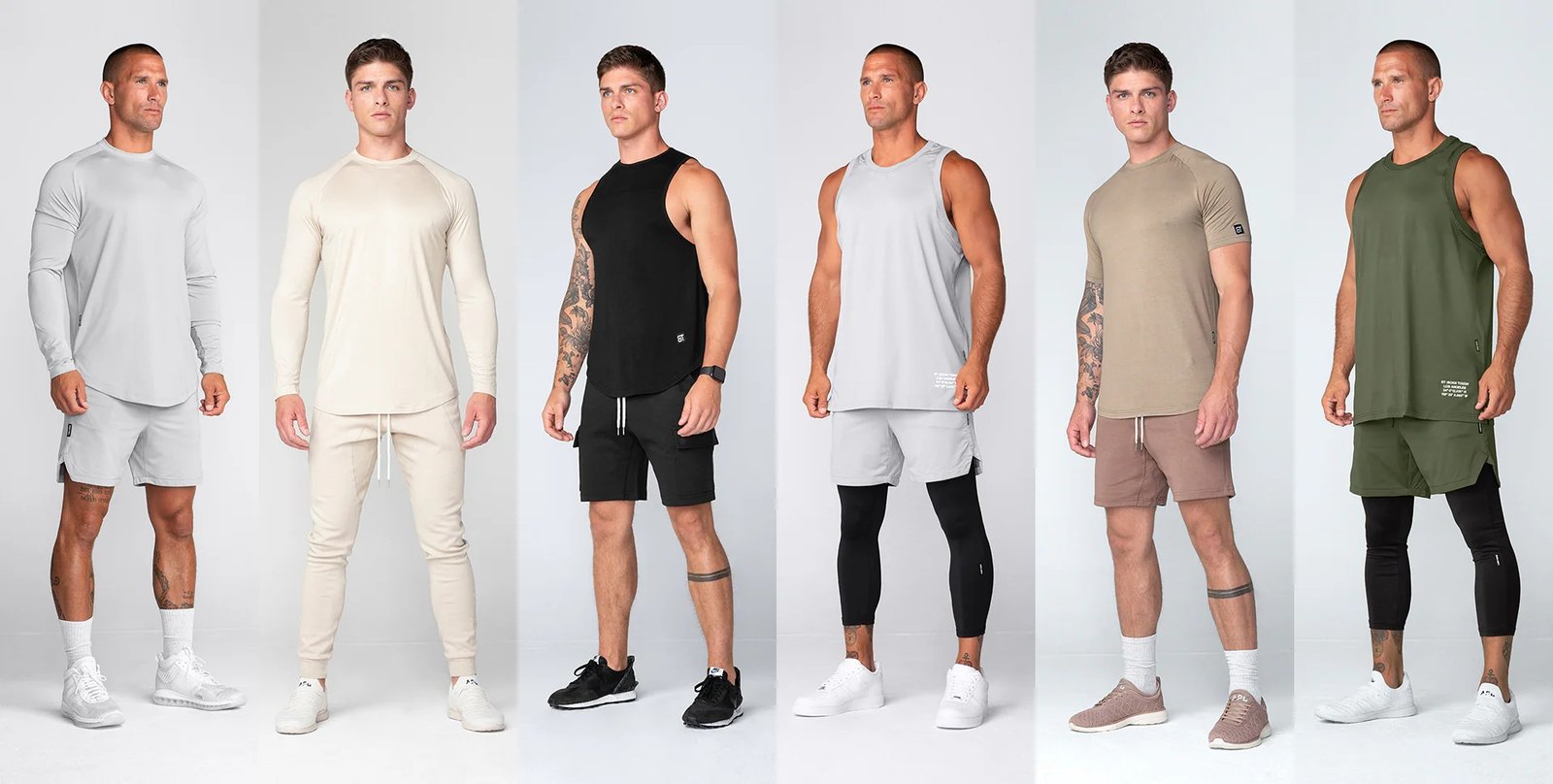
Choose neutral colors as the foundation of your workout clothes wardrobe. Black, cream, gray, and brown work with everything and give you the most flexibility to mix and match without coordination effort. A wardrobe built on neutrals stretches much further than a random mix of colors that do not coordinate naturally.
Invest most in the pieces you wear most. The legging is the most-worn piece in most women’s activewear wardrobes it is worth spending more on a quality pair that holds up than replacing a cheap pair every few months. The same logic applies to sports bras. Start with the pieces you reach for most often and build from there.
Matching Your Workout Clothes to Your Training Mix
Good workout clothes are matched to what you actually do not just what looks good on a product page. Different activities have different requirements, and understanding this makes every purchase more intentional.
For yoga and Pilates, the priority is four-way stretch, softness, and a fit that stays in place through a wide range of positions. A sports bra and high-waist legging combination in a soft, mid-weight fabric covers most studio sessions. The fabric should feel gentle against the mat during floor sequences and move freely through deep hip and shoulder positions.
For strength training and gym sessions, compression and a secure waistband become more important than softness alone. A structured sports bra or fitted tank paired with a high-waist compression legging handles loaded movements squats, deadlifts, lunges without shifting or rolling. The waistband needs to be wide enough to stay flat under a lifting belt and during loaded hip hinge movements.
For cardio and HIIT, breathability and secure fit take priority. A top that shifts during repetitive impact or a waistband that rolls during jumping movements is a persistent distraction. Look for lightweight, moisture-wicking fabric with a secure, wide waistband that stays in place across 30 to 60 minutes of continuous high-intensity movement.
For outdoor activity, breathability and coverage both matter. A slightly more relaxed fit that allows air movement, in a fabric with good UV resistance, suits hiking, cycling, tennis, and outdoor training sessions where you are exposed to sun and varying temperatures. Flowglowear’s outdoor collection covers pieces selected specifically for outdoor movement contexts.
The Layering Question
Workout clothes that work well are not just about individual pieces they are about how pieces layer together before and after a session. A well-chosen jacket or hoodie worn over a sports bra and legging keeps you warm during warm-up and cool-down periods and transitions easily from the gym to everyday settings without a change of clothes.
Flowglowear’s jacket and hoodie collection covers layering options designed to work with the rest of the range same fabric aesthetic, complementary cuts, so the layered look is as intentional as the base outfit underneath.
Care: Making Your Workout Clothes Last
Quality workout clothes last significantly longer with consistent care. Cold water wash every session hot water degrades elastic fibers faster than regular use does. Inside out before washing protects the outer surface and keeps colors from fading. No fabric softener it coats moisture-wicking fibers and reduces their ability to manage sweat. Air dry rather than tumble dry dryer heat shortens the lifespan of stretchy fabric considerably and is one of the most common causes of premature shape loss.
Frequently Asked Questions
How many sets of workout clothes do I actually need? For women who train three to five times a week, three to four complete outfits is the practical answer. This allows you to train on consecutive days while washing and drying between uses without running out of clean gear. More than four outfits adds variety but does not solve any practical gap for most training schedules.
Is it worth spending more on quality workout clothes? Yes, in most cases. A quality piece of activewear in a performance fabric that holds its shape for 12 to 18 months of regular use costs less over time than replacing a cheaper piece every three to four months. The per-session cost of a quality piece is typically lower, and the experience of training in well-made clothing is noticeably better.
What is the difference between activewear and regular gym clothes? Activewear is specifically engineered for movement four-way stretch fabric, moisture-wicking construction, flat seams that reduce friction, and waistbands designed to stay in place during dynamic movement. Regular gym clothes cotton t-shirts, standard shorts are not built for these demands. They absorb sweat rather than wicking it, restrict movement, and lose shape quickly under the conditions of real training.
Can I wear my workout clothes for everyday activities? Quality activewear particularly leggings, fitted tanks, and sports bras in neutral colors transitions well into everyday wear. The stretch and comfort of well-made activewear fabric suits a wide range of daily activities, and clean, well-fitting pieces look intentional in casual settings. This versatility is one of the practical arguments for investing in quality workout clothes rather than buying the cheapest option.
How do I know when my workout clothes need replacing? The main signs are loss of elasticity in the waistband or straps, fabric thinning or going sheer during movement, significant shape loss at the seat or knees, and a noticeable reduction in moisture management where the fabric feels damp and heavy rather than quickly moving sweat away. Most quality activewear reaches this point after 12 to 18 months of regular use with proper care.