Modern manufacturing industries constantly search for faster, smarter, and more accurate production methods. Traditional cutting tools often struggle to deliver the precision and flexibility required for today’s complex industrial applications. This is why the demand for a high-performance jet cutting machine continues to rise across industries such as aerospace, automotive, construction, metal fabrication, electronics, and stone processing. Water jet cutting technology has become one of the most trusted solutions because it can cut through a wide variety of materials without generating excessive heat or damaging the material structure. Companies looking to improve production quality and reduce waste often consider investing in a reliable water jet cutter for sale to modernize their operations and remain competitive in the global market.
Unlike conventional cutting methods, water jet technology offers remarkable precision while maintaining the integrity of the material being processed. Whether working with metal sheets, marble slabs, glass panels, or industrial composites, manufacturers can achieve smooth edges and intricate designs with minimal finishing work. The ability to cut multiple materials using a single machine makes water jet systems highly versatile and cost-effective. As industries continue moving toward automation and high-efficiency manufacturing, water jet cutting has become an essential part of modern production environments.
Understanding the Working Principle of a Jet Cutting Machine
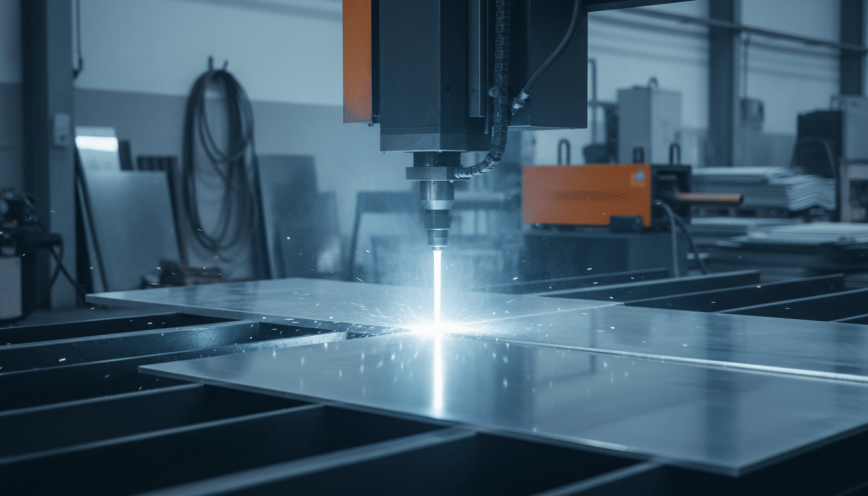
A jet cutting machine uses ultra-high-pressure water streams to cut through different materials. In abrasive water jet systems, abrasive particles such as garnet are mixed with the water stream to improve cutting capability for harder materials like steel, titanium, stone, and ceramics. The pressurized water passes through a tiny nozzle at extremely high velocity, creating enough force to erode the material precisely along the programmed cutting path.
Modern machines use advanced CNC software that allows operators to create detailed patterns, complex curves, and accurate shapes with exceptional consistency. One of the most significant advantages of water jet cutting is that it is a cold cutting process. Since no heat is generated during cutting, the material does not experience thermal distortion, warping, or structural weakening. This is especially important for industries that require high precision and material stability.
Water jet systems can handle an enormous range of materials and thicknesses. Thin rubber sheets, delicate glass panels, thick steel plates, and even layered composite materials can all be processed using the same machine. This flexibility is one of the main reasons manufacturers search for a dependable water jet cutter for sale that can support multiple applications within a single production facility.
Major Advantages of Water Jet Cutting Technology
One of the biggest reasons industries prefer water jet technology is its incredible cutting accuracy. Traditional methods often leave rough edges or require additional finishing processes. Water jet systems, however, produce smooth and clean edges that reduce the need for secondary machining. This saves both time and labor costs while improving overall production efficiency.
Another important benefit is material versatility. A single jet cutting machine can cut metal, stone, glass, foam, rubber, ceramic, plastic, and composite materials without requiring major tool changes. This makes water jet technology highly practical for manufacturers dealing with diverse production requirements.
The absence of heat during cutting also provides enormous advantages. Laser and plasma cutting methods can create heat-affected zones that alter material properties and weaken structural integrity. Water jet cutting eliminates these problems entirely, making it ideal for heat-sensitive materials and precision engineering applications.
Environmental benefits also contribute to the popularity of water jet systems. The process generates minimal airborne dust and toxic fumes compared to some thermal cutting methods. Many modern systems include water recycling features that reduce water consumption and improve sustainability. Businesses focused on environmentally responsible manufacturing often view water jet technology as a smart long-term investment.
Additionally, water jet machines support highly detailed and customized designs. Manufacturers can create intricate patterns, artistic shapes, and complex industrial components with excellent repeatability. This level of precision is especially valuable in industries where design complexity and tight tolerances are critical.
Industries That Depend on Jet Cutting Machines
The aerospace industry is one of the largest users of water jet cutting technology. Aircraft components often require extremely precise cuts while maintaining the structural integrity of specialized materials like titanium and carbon fiber composites. Water jet systems allow aerospace manufacturers to meet strict engineering standards without causing heat damage.
Automotive manufacturers also rely heavily on water jet cutting. Vehicle production involves cutting metals, plastics, rubber, insulation materials, and interior components with high precision. Water jet technology supports efficient mass production while maintaining consistent quality across thousands of parts.
In the stone and tile industry, water jet systems are used to create decorative flooring patterns, custom countertops, wall designs, and artistic stone inlays. The ability to cut marble and granite with exceptional detail has transformed architectural design possibilities.
Metal fabrication workshops frequently invest in a water jet cutter for sale because of the technology’s ability to process thick metal sheets accurately. Fabricators can produce machine parts, industrial equipment components, structural pieces, and custom metal products with minimal waste and superior edge quality.
Glass manufacturers also benefit significantly from water jet technology. Since the process does not generate heat or excessive vibration, glass can be cut into complex shapes without cracking or breaking. This makes water jet cutting ideal for mirrors, decorative panels, windows, and custom architectural glass designs.
The electronics industry uses water jet systems for precision cutting of delicate materials and components. Medical equipment manufacturers also depend on water jet technology because it delivers clean cuts without contaminating sensitive materials.
Important Factors to Consider Before Buying a Water Jet Cutter
Before purchasing a water jet system, businesses should carefully evaluate their production requirements. The type of materials being processed, production volume, desired cutting precision, and material thickness all influence machine selection.
Cutting pressure is one of the most important specifications. Higher pressure systems generally provide faster cutting speeds and improved performance for thicker materials. However, they may also involve higher operating and maintenance costs. Companies must balance performance needs with budget considerations.
The size of the cutting table also matters significantly. Larger tables allow manufacturers to process bigger materials and improve productivity, but they require more workspace. Businesses should consider both current production demands and future expansion plans before selecting a machine size.
Software capabilities are another major consideration. Modern CNC software improves cutting accuracy, automation, nesting efficiency, and workflow management. Advanced systems can optimize material usage, reducing waste and improving profitability.
Pump quality is equally important because the pump is the core component of the machine. High-quality pumps deliver stable pressure, better reliability, and longer operational life. Investing in durable components often reduces long-term maintenance expenses.
Companies searching for a water jet cutter for sale should also compare after-sales support, warranty coverage, spare part availability, and technical service options. Reliable support can prevent costly downtime and ensure smooth machine operation over many years.
The Future of Water Jet Cutting Technology
The future of water jet cutting technology looks extremely promising as automation and smart manufacturing continue evolving. Modern systems increasingly integrate robotics, artificial intelligence, and advanced software optimization tools to improve efficiency and reduce human error.
AI-powered systems can automatically optimize cutting paths, monitor machine performance, predict maintenance needs, and reduce material waste. These innovations help manufacturers increase productivity while lowering operating costs.
Environmental sustainability is also shaping future developments in water jet technology. Manufacturers are designing more energy-efficient pumps, advanced water recycling systems, and improved abrasive recovery solutions to minimize environmental impact.
As industries continue demanding greater precision, flexibility, and efficiency, the role of the jet cutting machine will only become more important. Businesses investing in advanced water jet systems today position themselves for long-term growth, improved production capabilities, and stronger competitiveness in the global marketplace.
Conclusion
Water jet cutting technology has transformed modern manufacturing by providing unmatched precision, material versatility, and cutting quality. A high-quality jet cutting machine allows businesses to process a wide range of materials without generating heat damage or compromising structural integrity. From aerospace engineering and automotive production to stone fabrication and industrial manufacturing, water jet systems continue proving their value across countless industries.
For companies seeking long-term efficiency and production flexibility, investing in a dependable water jet cutter for sale can be a game-changing decision. By carefully evaluating machine specifications, operating costs, software capabilities, and maintenance requirements, manufacturers can choose the right system to support both current operations and future business growth.