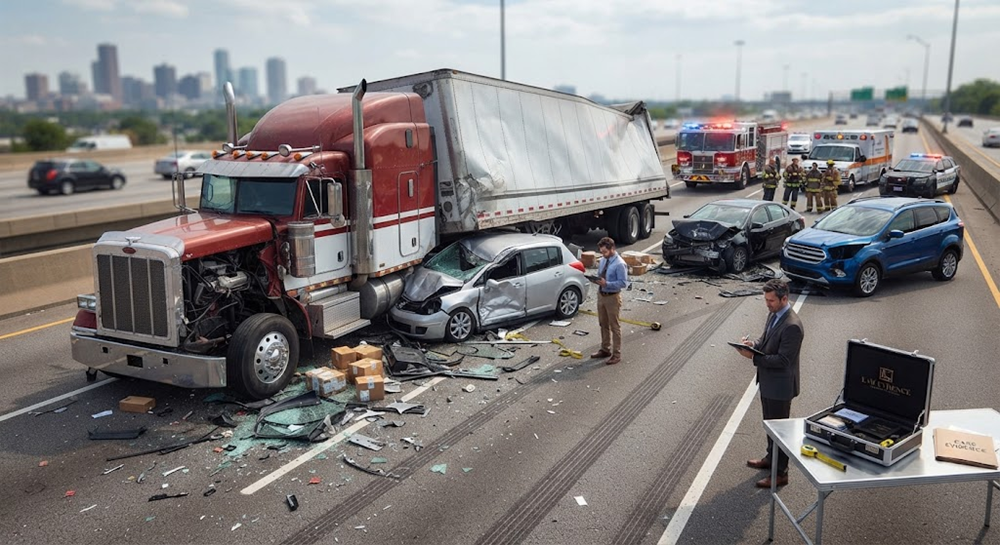
Truck crashes often produce higher settlements because the harm usually reaches far beyond vehicle repair bills. A loaded tractor-trailer can cause severe trauma, long recovery periods, and major income loss in seconds. These claims also involve commercial insurers, federal safety rules, company records, and several possible defendants. While every case depends on proof, truck injury values often rise because the losses are larger, better documented, and harder for insurers to minimize.
Bigger Impact
A passenger car weighs far less than a commercial truck. That size gap changes the crash force, injury pattern, and repair cost. Victims may face surgery, therapy, home care, or lasting work limits after a single violent collision. Those facts affect settlement negotiations. A person searching for a truck accident lawyer in North Carolina may already be facing medical bills, missed paychecks, and insurer pressure. Truck cases often require early evidence preservation, careful liability review, and clear proof of future losses.
Higher Medical Costs
Medical bills drive many injury claims. Truck cases often involve broken bones, spine injuries, burns, brain trauma, or internal damage. Treatment can last months or years. Insurers study diagnosis codes, surgical reports, imaging results, and physician opinions. If care is extensive and tied clearly to the crash, the claim value often rises. Future treatment also matters because settlement should account for costs that have not arrived yet.
Lost Income
A serious truck injury can interrupt work for a long time. Some people miss weeks. Others lose a trade, position, or career path. Income loss can include wages, benefits, bonuses, and reduced earning capacity. Strong documentation helps. Tax records, employer letters, payroll reports, and expert analysis can show how the crash changed financial stability. Larger losses create larger settlement pressure.
Commercial Policies
Truck companies usually carry more extensive insurance policies than ordinary drivers. Federal and state rules often require higher coverage because commercial vehicles can cause severe harm. That does not mean payment is automatic. Large policies can lead to hard defense tactics. Insurers may dispute fault, injuries, treatment choices, or wage loss. Still, available coverage can support a larger settlement when liability and damages are well proven.
Multiple Defendants
Car claims often focus on one driver. Truck claims may involve several parties. The driver, trucking company, trailer owner, cargo loader, maintenance provider, broker, or parts maker may share responsibility. More defendants can mean more insurance coverage. It can also mean more records, more experts, and more blame-shifting. Careful investigation matters because each party may hold evidence that changes settlement value.
Safety Rule Violations
Truck drivers and carriers must follow safety rules on driving hours, inspections, maintenance, cargo securement, hiring, and training. Violations can strongly affect liability. For example, a fatigued driver may have broken service limits. A carrier may have ignored maintenance problems. Cargo may have been loaded poorly. These facts can show preventable risk, not simple carelessness, which may increase pressure during negotiation.
Records Matter
Key proof may sit in driver logs, electronic control data, inspection reports, dispatch messages, repair files, and hiring records. Some data can disappear quickly. Early preservation letters help protect evidence. Without them, important records may get lost under routine retention policies. Strong records can connect company conduct to the crash.
Severe Nonfinancial Harm
Settlement value isn’t limited to bills. Pain, daily limits, sleep problems, scarring, fear, and loss of independence can also matter. Truck injuries often affect family routines, hobbies, travel, and basic tasks. A clear account of these changes helps show the human cost. Photos, journals, medical notes, and witness statements can support losses that do not appear on invoices.
Tougher Defense
Truck insurers often respond quickly after a crash. They may send investigators, inspect vehicles, collect statements, and shape the early record. That speed can create an advantage unless injured people protect their rights. Recorded statements, broad medical releases, and early settlement offers may harm claim value. Strong cases require organized evidence, consistent medical care, and patient negotiation.
Long-Term Risk
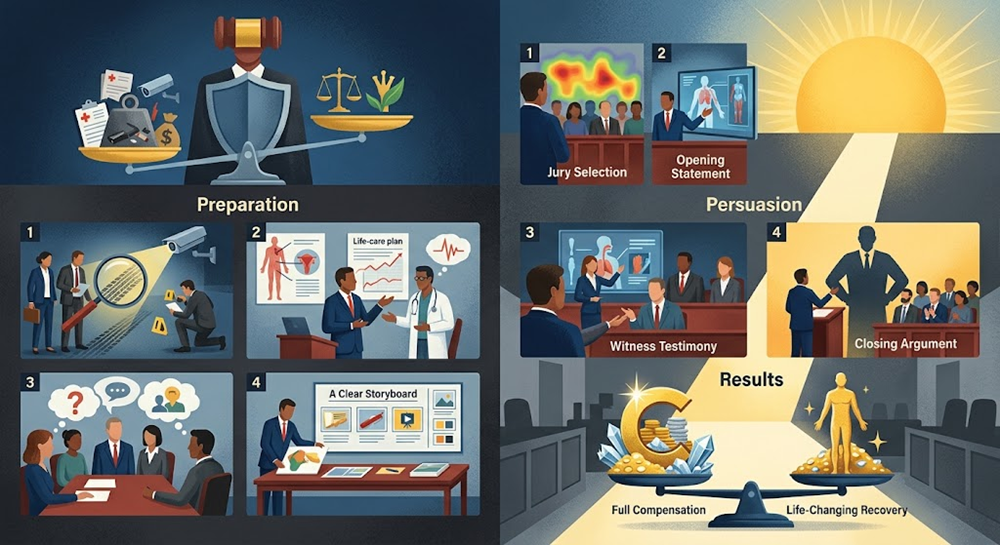
Truck injuries can create uncertainty. A person may improve, then need another surgery. Pain may return after work resumes. Brain injuries may affect memory, mood, or focus. Settlement negotiations should account for realistic future risk. Medical experts, life care planners, and vocational specialists can explain long-term needs. Without that proof, an insurer may value only current bills.
Conclusion
Truck injury settlements are often larger because crashes are more destructive, losses are more profound, and legal issues are broader. Bigger policies help, yet value still depends on evidence, liability, medical proof, and future damages. Commercial records, safety violations, and multiple responsible parties can change the result. A strong claim tells a complete story: how the crash happened, who caused it, and what the injury truly cost.