Detailed assessment, strategic choice, and smart negotiation
Used car buying guide: Buying a used car requires detailed assessment, strategic choice, and smart negotiation. The car market is large and very diverse which in turn presents a wide array of options for all budgets and what each person is into. Also this diversity brings in fraudsters and lemons which they pass off as great deals. To do well in this field you must put together practical inspection skills with knowledge of documentation and negotiation techniques.
We present a full guide which goes into everything from VIN and accident history look ups to mechanical inspects, test drives, and price talks. By the end you will have the confidence to make smart choices and to avoid the common issues which in turn will see your purchase not only be a good price but also a reliable and legal one.
Looking at the value of car history reports
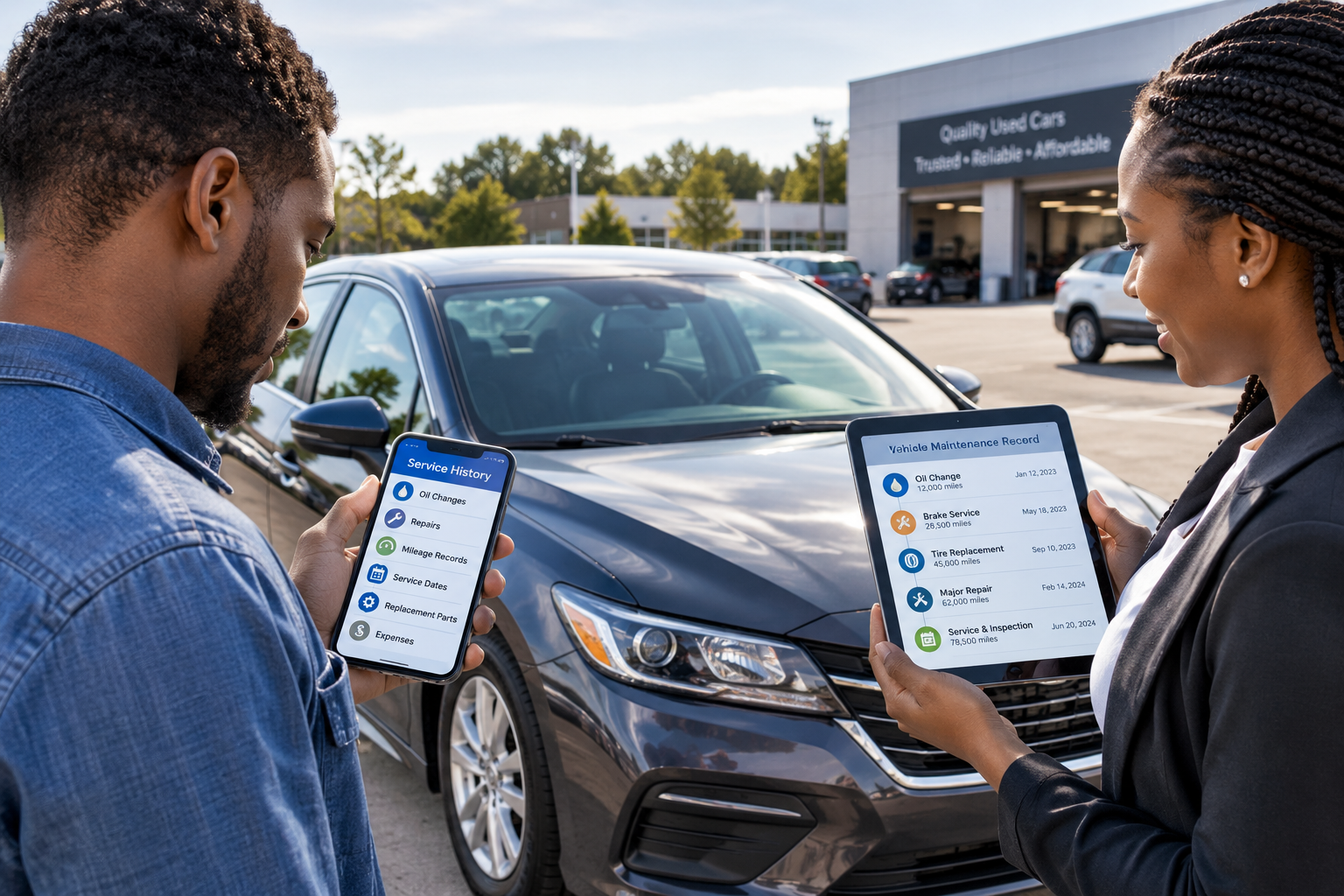
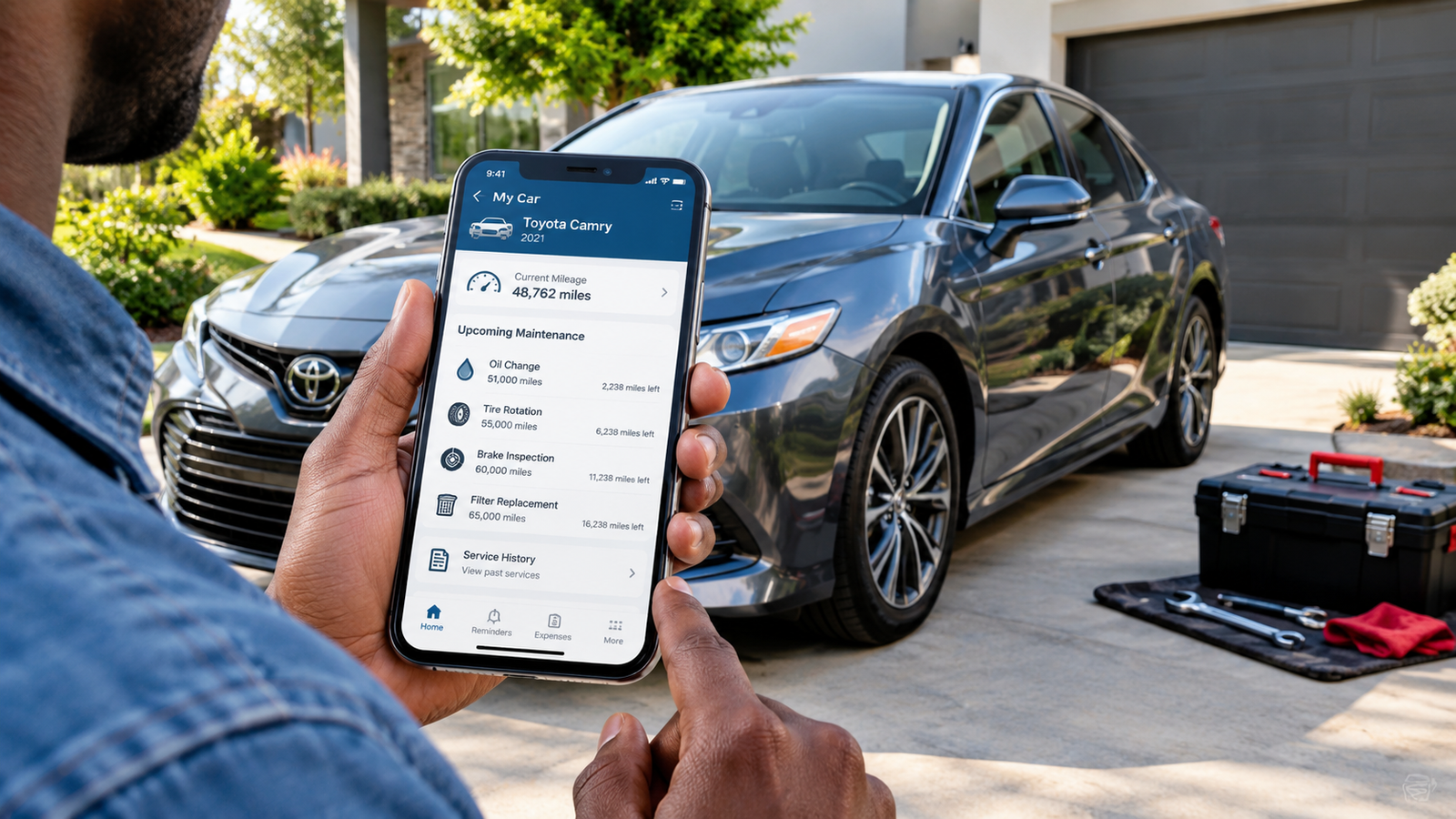
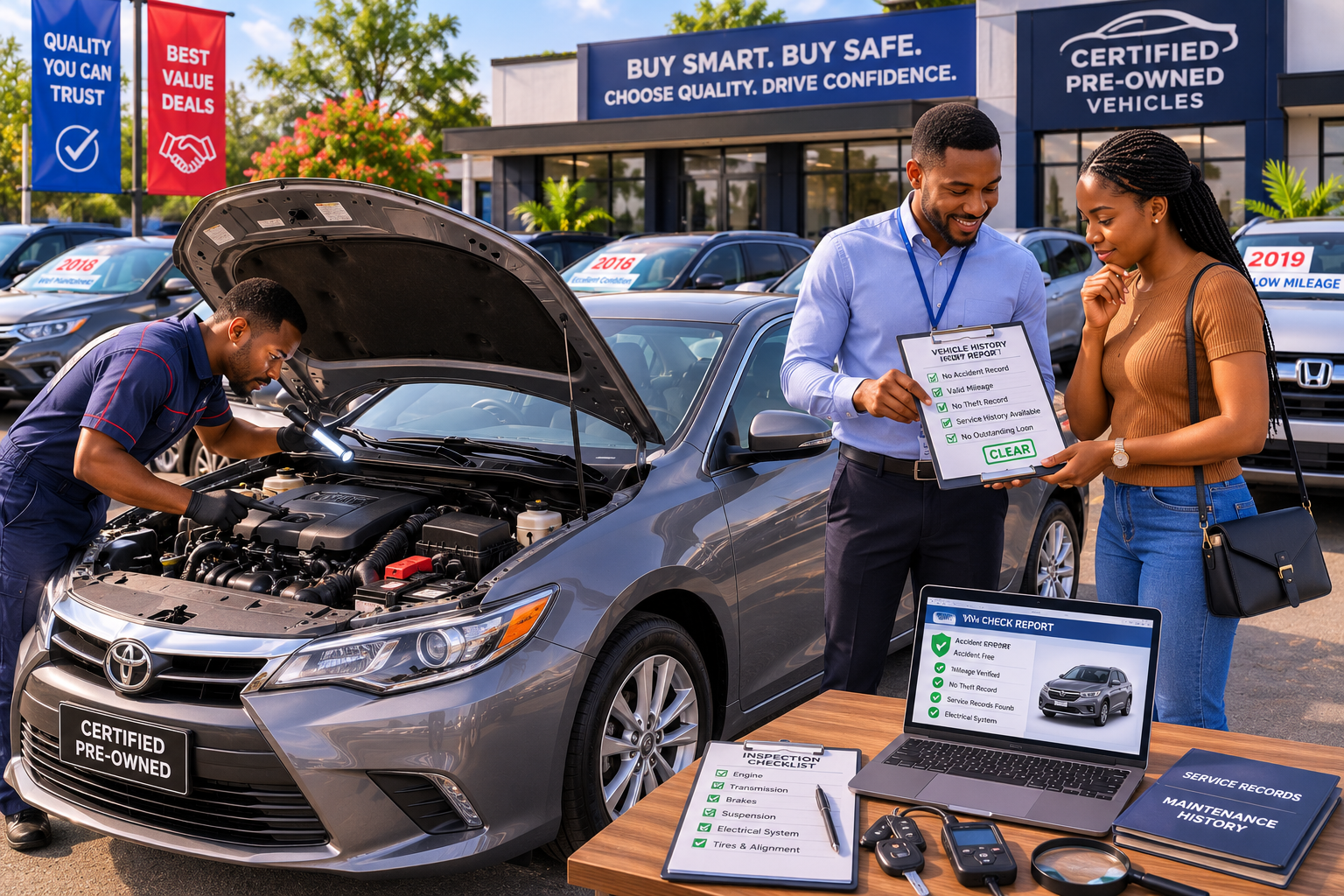
When it comes to the purchase of a used car the first step is to do research on its history. What we are talking about is your car’s past which includes previous owners, accident records, truth behind the mileage, and if it has ever been stolen. Many buyers skip this step which is a mistake, but in actual fact it is one of the best ways to avoid big ticket issues. By doing a VIN check you are able to bring to light issues that the seller may not put forth. This also includes the possibility of a tampered with odometer or a car which has been in very serious accidents.
In in Nigeria and in other regions where Tokunbo cars are a mainstay, we see that history checks are of great importance which is so because imported vehicles typically come in with deficient docs. Via online platforms you are able to look into accident reports, service records and also recall notices. This does give you the peace of mind that the car is legal and also reliable from a mechanical point of view. For more in depth info on evaluating used cars we recommend you check out professional resources which put forth key points to consider before purchase. Taking the time to do history checks is to protect yourself from fraud and also to ensure that your investment is in a transparent and trusted environment.
Mechanical Inspection: Identifying Hidden Issues
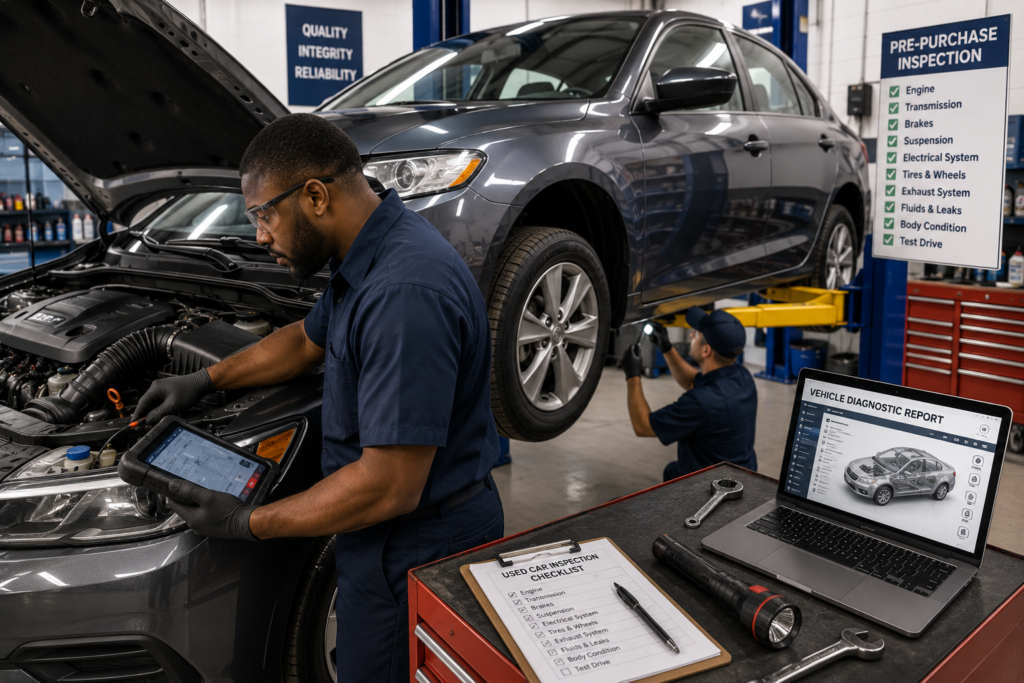
A very large part of used car assessment is the mechanical inspection. It is true that a car may present very well on the outside, but in reality it may have serious mechanical issues which in the end will cause you a fortune. Begin by looking at the engine for signs of leakage, out of the ordinary sounds, or heavy smoke. Also check out the transmission, the suspension, and the brakes to make sure they are working properly. At this point it is very helpful to have a professional mechanic with you as they are able to see what may pass you which are issues which aren’t visible to the untrained eye.
In the body of the car beyond the engine pay attention to the car’s electrical systems which include lights, dash indicators, and infotainment units. Faulty wiring or broken electronics can be very expensive to repair. Tires, alignment, and undercarriage rust are also elements which require close look. By putting in time for mechanical checkup you protect yourself from unexpected repair bills and see to it that the car is safe to drive. A well inspected car not only saves you money but also gives you peace of mind that your purchase is a sound mechanical decision.
Test Drive Checklist: Assessing results
A test drive is not just for the comfort of the ride; it also is a chance to see how the car performs in real world situations. Start out by driving at various speeds which will test out acceleration, breaking, and steering response. Also pay attention for any unusual sounds which may point out mechanical problems. Try the car out on many types of roads smooth highways, rough roads, and sharp curves to see how it handles and does with different surfaces.
During the demo drive check out the air con, heat, and infotainment features to see that they are in good working order. Also note how the shift is on the manual or auto transmission and see to it that the car handles fine at high speed. A good demo drive in which you put the car through its paces gives you a better picture of what you are dealing with than a static look over can. Also this step is very important as it gives you the chance to get a feel of the car in real world use which in turn will tell you if it lives up to what you are looking for in terms of comfort, safety, and dependability.
Negotiation Tactics: Improving the Bottom Line
Negotiating the used car price is a strategic play that which you put in practice. First off do your research on the market value for the make, model, and year of the car which you are interested in. Use online resources and local dealers as tools to get a comparison of prices which will set your benchmarks. Go into the negotiation with this info in hand it will be very useful in bringing down an inflated price and getting a fair deal. Also know that sellers usually expect some give and take so don’t wait to put in your counter offer.
Effective in negotiation is to bring up the issues you found out during the inspection or test drives. For example bring forward that the tires are worn out, there are minor dents, or that which features you have are out dated which in turn may justify a lower price. Also put forth your points politely but firmly and do not come off as desperate. If the seller doesn’t budge go ahead to walk away sometimes that will make them re think. Also true that great value is in not only in getting the price down but also in the car’s quality in relation to what you are putting in as trade in or what you are putting down as payment. A successful negotiation is one which leaves both parties happy, you drive away in a car that is right for you at a fair price.
Avoiding Scams and Fraudulent Sellers
In the used car market there is a large issue of fraud which includes fake docs and also sold cars which are stolen. Also very common is the practice of what is known as “clocking” the car which is done to make it appear that the car has done less mileage. Also we see the sale of cars that have had work done to their repair history which is not reported to the buyer. To protect yourself check out the history of the car you are buying, get out the vehicle identification number and run it through a database to check for truth in the seller’s story, also request the original registration documents. Also do away with the idea of an all-cash deal and go for payment methods that leave a digital trail.
Working with reliable dealerships and certified online platforms reduces your risk of fraud. If you purchase from an individual, meet in public and safe places and bring along a friend. Scammers tend to go after those who jump into deals too quickly, which is why patience and due diligence are your best bets. By being vigilant you can avoid large scale mistakes and see to it that your purchase is a valid one. Also keep in mind that the point isn’t just to get a car but to find a safe and trusted investment that will serve you well for years to come.
Finalizing the Purchase: Legal and also financial issues
Once you have inspected, tested out, and negotiated the car in question the last step is that you finalize the purchase legally. We see to it that the transfer of ownership is properly recorded with receipts, signed agreements, and that the registration is updated. In the case of Nigeria for instance you must go to the licensing office to process change of ownership which in turn will help to avoid future disputes. Also at this time you should update your insurance to include your new vehicle. Not doing these things may result in issues which may range from disputes over who the owner is to liability issues in case of an accident.
Financial when it comes to used car purchase think beyond the price out of pocket for taxes, registration and unexpected repairs. It is best to have a full budget in place. If you are going to finance your car do your research on the terms which may include unfavorable interest rates. A very documented and sound financial plan will put your mind at ease and protect your investment in the long term. At this stage pay attention to details which will make your used car purchase not only affordable but also legally protected, which in turn will build your confidence in your new investment. In the end what you have is a purchase which is less of a transaction and more of a long term commitment.
Conclusion: A Different Way to Buy Used Cars
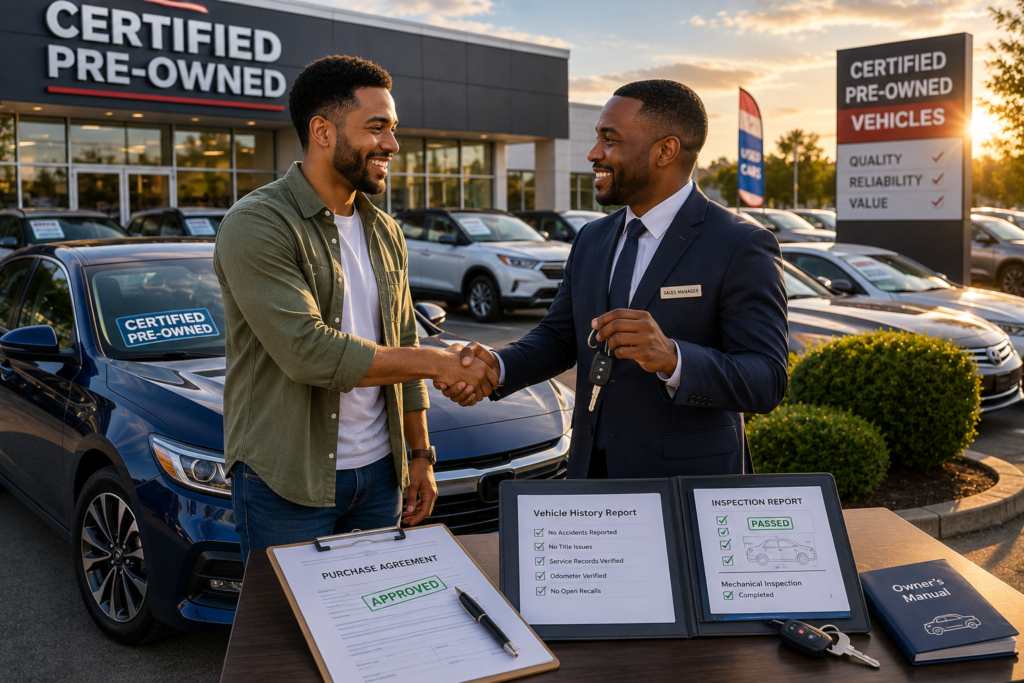
Buying into a used car does not have to be a risk or a stressful experience. We put together a system which includes history reports, mechanical checkups, test drives, negotiation, and legal paper work which in turn will help you to make informed decisions and to get the best value. As for Tokunbo or local used cars, patience and attention to detail is what you’ll need. We are not after a quick sale but in a smart investment in dependability, safety, and long term satisfaction.
In the end what we see is that the best buyers are those which blend knowledge with discipline. They resist rushing into a decision, they question each and every detail, and they walk away from deals that don’t feel right. With this guide we now put in your hands the tools to approach the used car market with confidence. At each step you take you reduce risk and increase the chance that you will find a vehicle which truly meets your needs. A careful, informed approach which in turn makes your purchase not just a transaction but a wise investment in your mobility and financial stability. By applying these principles you can enjoy the benefits of car ownership without the stress of hidden faults or fraudulent sellers.