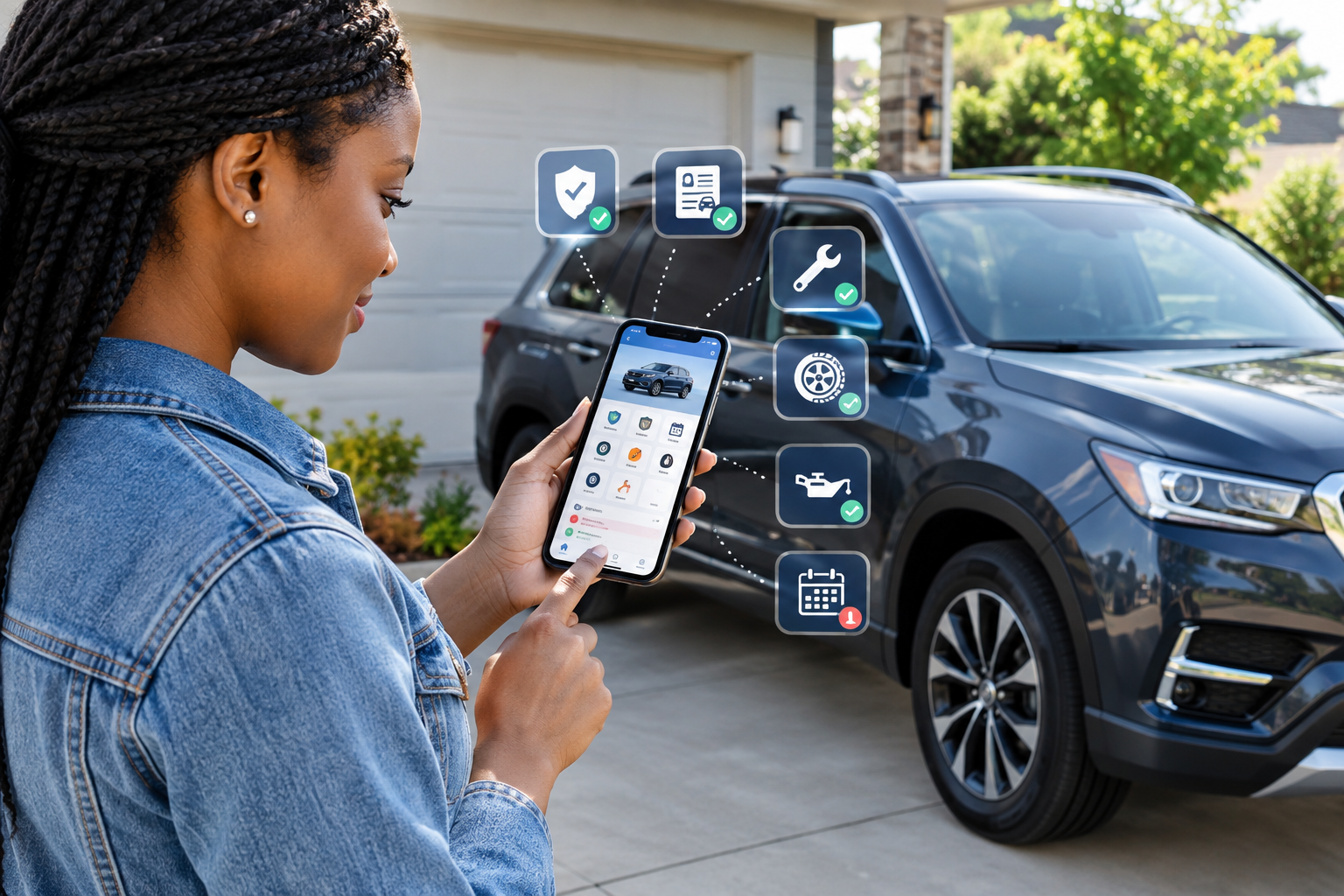
Having a car is more than just owning it, purchasing gas, and paying for repairs. Another thing that vehicle owners should be mindful of is deadlines for insurance policies, registration renewals, inspections, emissions testing, and driver’s documentation. Meanwhile, everyday mechanical tasks, like oil changes, tire maintenance, brake checks, and repairs, need to be kept under control. If you don’t remember these, you may end up paying more than you need or experiencing unnecessary inconvenience or issues that can be prevented if things are organized.
Luckily, there are apps designed for vehicle management that can help drivers manage all of these things in one place. Paper notes, emails, and separate calendars—drivers don’t have to rely on these anymore, since there are apps to help them record appointments, maintenance schedules, mileage, costs, and more. The best apps are the ones that don’t just handle mechanical maintenance, though; they are also designed to help car owners keep track of administrative and ownership tasks so that car ownership is less cumbersome.
Importance of Vehicle Management Apps
There may be multiple deadlines for a vehicle all year long, and they may not overlap. Coverage might expire one day, registration might need to be renewed at a different time, and regular maintenance might be based on mileage instead of a calendar date. It can be challenging to remember everything, especially in a family with more than one car. A vehicle management app offers a platform where drivers can log these duties and get alerts when they’re due.
These apps also motivate drivers to be proactive about owning a car. Users can get an early warning when something needs attention or before an important document goes past its deadline. This will allow them time to make an appointment, complete paperwork, and plan for future costs. Planning ahead will help drivers avoid stress and take appropriate action regarding car maintenance.
Tracking Insurance and Administrative Deadlines
Car insurance is among the most crucial responsibilities for vehicle owners. Policies typically come with a certain expiration date, so drivers should be aware of their policy’s approaching end date. A detailed knowledge of insurance renewals can aid car owners in preparing ahead of time. A reminder app can warn the user weeks before the deadline, affording them time to check their policy and complete any required renewal measures.
A centralized reminder system should also include vehicle registration and other documents. Drivers may be required to keep track of registration, driver’s licences, inspections, and more, depending on local requirements. If you have these dates in one organized system, they will be easier to look over. Rather than rummaging through documents or checking emails, drivers will be able to instantly see when certain tasks are coming up and be ready for an important deadline without being caught off guard.
Registration and Driver Documentation
Registration deadlines are easy to miss, particularly as they happen only occasionally. A driver reminder app gives you the ability to set the expiration date and notifies the driver before it becomes a pressing issue. This allows vehicle owners enough time to know what to do in their area and complete what is required. Administrative reminders are very helpful, as tasks are often due on a particular date and can otherwise cause unnecessary hassle.
Vehicle information can be tracked along with driver documentation. Reminders for licenses and other documents, if applicable, can be integrated into a centralized system. This is particularly beneficial for households with multiple drivers and cars. Key dates do not need to be kept in separate notes and calendars but can be collected together and checked from a single place.
Apps for Tracking Mechanical Maintenance
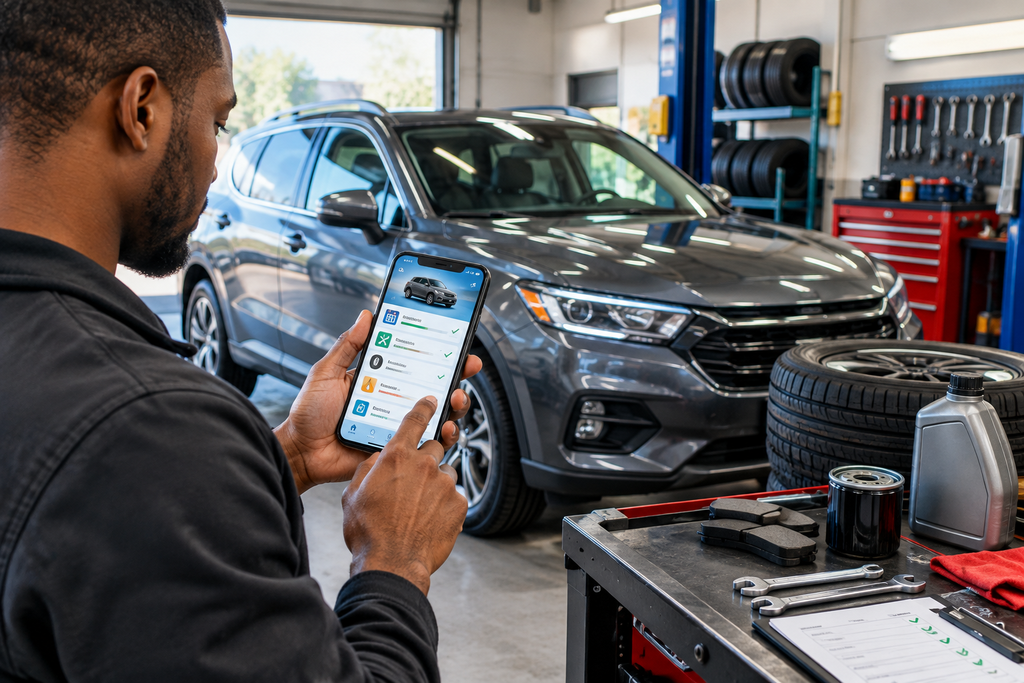
Vehicle maintenance apps that focus on a particular vehicle’s maintenance aim to help drivers document care and track future maintenance needs. These apps generally offer users the capability to input vehicle information, track mileage, log services performed, and set reminders. They can be used by drivers to monitor the servicing of their brakes, oil changes, tire rotations, filters, and other routine maintenance activities recommended for their vehicles.
A big advantage is the capability to develop a complete maintenance history. All services and repairs may be tracked with the date, mileage, cost, and notes. This can create a convenient history of the vehicle’s maintenance. Drivers can check their previous work, understand the problems that are found in the vehicle, and gain a better understanding of the cost of owning the vehicle.
Regular Oil Changes and Routine Maintenance Services
One of the most frequent maintenance tasks drivers have to keep an eye on is oil changes. The proper service interval may vary depending on the vehicle, driving habits, manufacturer-recommended service, and maintenance monitoring. A vehicle management app can provide a record of the last time the oil change was done and set up a reminder based on time or mileage.
Other regular services should be added to the maintenance tracking system. Depending on the vehicle, drivers might need reminders for brakes, air filters, cabin filters, coolant, transmission services, and more. A flexible app can allow different schedules for different services. This is significant because not all maintenance actions occur at the same point in time or at the same mileage.
Tire Maintenance and Repairs
Tires are an important component that should be regularly monitored because of their effect on safety, handling, and vehicle performance. Drivers may need reminders for tire rotations, pressure checks, alignments, inspections, and replacement. These tasks can be managed with the help of a vehicle management app that records past services and alerts the driver when it is time for the next check.
Tracking repairs is also convenient, as mechanical issues do not always occur on a regular schedule. Once the repair is finished, the driver can enter the repairs made, the date of the repair, and the cost of the repair. Having all these records in a single place simplifies the process of checking the vehicle’s history and pinpointing frequently occurring problems. It also helps avoid having crucial information spread out on receipts and in old documents.
Using Calendar Apps for Vehicle Deadlines
General calendar and reminder applications might be useful for handling vehicle obligations. Calendars are different from automotive-specific applications because they let users set reminders for virtually anything. Drivers can set up notifications for insurance renewals, registration renewals, inspections, emissions testing, and documentation.
Recurring reminders are useful for tasks that occur frequently. An important deadline can be set several weeks in advance with an early reminder and another reminder closer to the actual date. Families can also benefit from calendar apps; reminders could be shared between people responsible for the same vehicle so that everyone is aware.
Managing Inspections and Emissions Testing
Depending on local laws and regulations, vehicle inspections may be carried out periodically. A reminder system is helpful for recording the last inspection date and providing reminders before the next inspection date. Early reminders are helpful because an appointment may need to be made, and a vehicle may need attention before it is able to meet inspection requirements.
If required, emissions testing can be integrated into the system. Always refer to the rules governing the area you are driving in, as the rules vary depending on the region. An app is an organizational tool, not a source of official information. However, when reminders for inspections and emissions are included, the picture becomes more comprehensive regarding vehicle ownership obligations.
Features to Look for in a Vehicle Management App
The ideal vehicle management apps should be user-friendly and straightforward to update. It should be easy for drivers to enter vehicle details, log mileage, document completed maintenance, and set reminders for future maintenance, as doing so otherwise would be cumbersome. Clear categories are also crucial, as administrative duties need to be easily separated from mechanical maintenance.
Another great feature is customization. Some reminders should be based on dates, while others should be based on mileage. For instance, vehicle registration is typically based on a date, while an oil change is frequently based on mileage or manufacturer suggestions. Apps with custom reminders and support for several vehicles can offer more flexibility for families and individuals using more than one vehicle.
Expense and Maintenance History Tracking
A good application should offer something more than notifications. Being able to check the maintenance and repairs completed will help drivers have a better idea of their car’s history. Maintenance records can be used to determine when maintenance was performed and how often the vehicle needed maintenance.
It can also assist drivers in understanding the cost of driving their car. Users can log repair, maintenance, tire, insurance, and registration expenses. This information will help the owner develop a better picture of the expenses of operating a vehicle over time and assist in planning for future expenses.
Creating a Centralized Vehicle Reminder System
The first part of the process is to obtain critical information about the vehicle. This may include the current mileage, the expiration date for insurance, the registration deadline, previous maintenance dates, inspection requirements, and known upcoming repairs. After collecting the information, it can be put into a vehicle management application, calendar, or both.
Now it’s time for drivers to break down what they need to do into distinct categories. Administrative duties may encompass insurance, registration, inspections, and paperwork, while mechanical duties may involve oil changes, tire maintenance, and repairs. This helps you easily see what needs to be done and avoid having important tasks lost amongst a myriad of miscellaneous reminders.
Ensuring That Vehicle Information Is Up to Date
A reminder system will only be effective if the information is correct. Drivers should record the date, mileage, and other maintenance information when maintenance is finished. When an oil change or repair occurs before anticipated, the next reminder should be changed to reflect that.
It will also be beneficial to regularly check vehicle management systems. A monthly check will ensure that reminders are accurate and that there are reminders for upcoming deadlines. It is very important to make frequent updates when a driver switches to a new vehicle, changes their driving style, insurance plan, or maintenance routine.
Conclusion

These are the top applications that will allow car owners to manage their car insurance, vehicle registration, and car maintenance reminders. A system that is set up properly can be used to keep track of insurance renewals, registration expiration, inspections, emissions testing, driver’s documentation, oil changes, tire service, vehicle repairs, and more.
The idea is to organize all of the pertinent information in one place, whether it’s a dedicated vehicle maintenance app, a calendar app, or a mix of tools. If you can set reminders early and keep track of them, vehicle owners can minimize the risk of missed deadlines and overdue maintenance. Maintaining a centralized vehicle management system simplifies ownership, increases organization, and improves long-term planning.