Unclog a Drain at Home safely by using simple, pipe-friendly methods that remove blockages without causing damage. Clogged drains are one of the most common nuisances in households and if not taken care of, can become larger issues. Any sink that drains slowly or shower that backs up has the potential of causing inconvenience, odor, and even water damage if not properly addressed. Fortunately, the majority of clogs can be safely cleared from the home without using the harsh chemicals that can be dangerous for the pipes. The homeowner can save money and prevent unwanted plumbing emergencies by learning some of the simple techniques and preventive measures.
Effective drain clearing solutions aren’t only about solving a present issue—it’s additionally about safeguarding your plumbing for future years. Whilst pipes are meant to facilitate efficient transportation of water and waste, they can be hazardous if grease, hair or any other matter builds up. Temporary relief may be offered by using the wrong method (chemical drain cleaners) that can cause long-term damage. You’ll learn how to avoid expensive plumbing problems, safe solutions, and when it’s time for professional assistance, to keep your home free of plumbing problems.
Common Causes of Drain Blockages and Their Solutions
Most clogs in the drains are due to common activities. The main offenders in kitchen sinks are grease, oil and food particles. If hot grease is poured down the drain, it will cool and solidify on the drain lining trapping grease and other solids. This accumulation over time reduces the flow and it becomes narrower. Coffee grounds, fibrous foods such as celery or potato peels, can also build up and cause hard to remove blockages.
The biggest culprits of clogs in bathrooms are hair and soap scum. Hair strands tend to clump together forming dense hair mats that prevent water to pass through, and soap residue in the water, added to minerals makes a sticky layer. This can often occur in showers and bathtubs. Another common cause of toilet blockage is too much toilet paper or non-flushable materials being put in the toilet. By knowing these reasons, the first step to solving and preventing drain problems effectively is taken.
What to Do with Clogged Sinks to Keep Them Safe and Effective
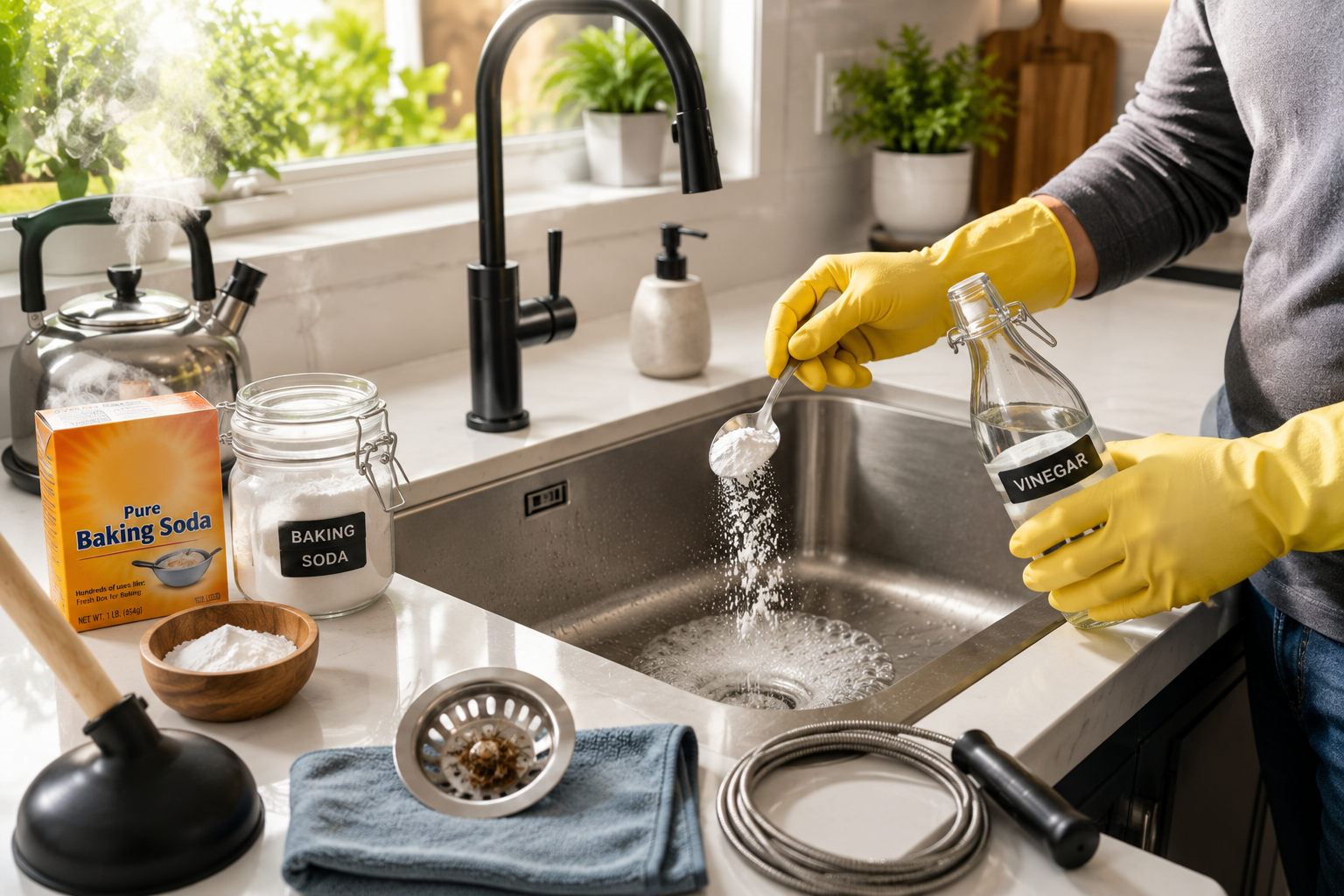
A simple combination of baking soda and vinegar is helpful in clearing clogged sinks. Baking soda and vinegar, combined in the drain in a 1:1 ratio, will create a foaming action that will help to soften the grease and grime. If it has been sitting for 15 minutes, often hot water will clear minor clogs. This natural treatment solution is devoid of harmful risks from chemical cleaners and is safe for pipes. One of the most effective methods for clearing clogged sinks is this natural approach.
A plumber can also be used to get rid of the blockage. A flat-bottomed sink plunger forms a vacuum that removes blockages. A wet cloth covering of the overflow hole is required for maximum effectiveness. Lots of times, repeated plunging will do away with hard clogs without requiring chemicals. If the blockage is more severe, you can use a drain snake or auger to physically unclog or remove the blockage from the pipe. These tools are accessible and reasonable in cost, and can be used by homeowners.
How to Avoid Damage When Clearing Showers and Bathtubs
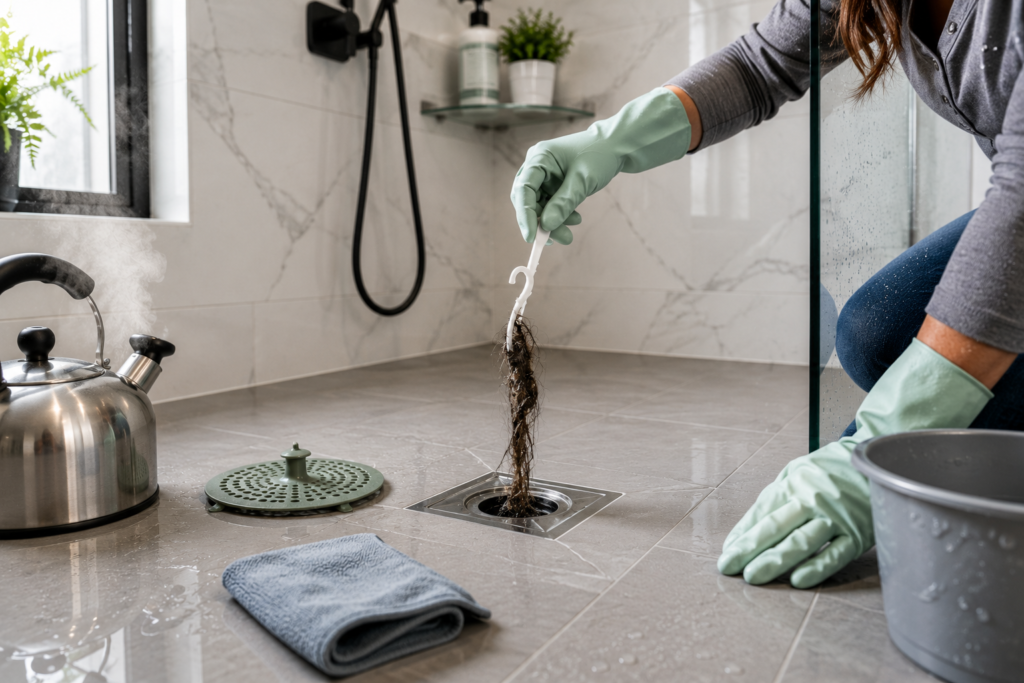
Hair is a common culprit of clogged showers and bathtubs. One great way is to use a drain cover or hair catcher, so there won’t be any buildup to begin with. If an obstruction does develop, an easy, quick way to clear the clog is to lift off the drain cover and use a plastic hook tool or a gloved hand to pull hair clumps out of the drain. This solution does not require any chemicals, and keeps the pipes in good condition.
A wet/dry vacuum can be an effective solution for deeper clogs. The vacuum can be used to create suction up the drain that can draw any hair or debris further down the pipe. In the same way, it works in a bathtub as well, particularly when it’s followed by boiling water to wash away loose material. They are all inexpensive, safe, and won’t cause damage to the plumbing systems in the long-term.
Kitchen Drain Solutions That Will Help You Protect Your Pipes
Grease and food easily accumulate in kitchen drains. The best preventive is to not pour oil or fat down the drain. Rather, catch the grease in a pan and put in the trash. Sometimes, hot water is enough to melt grease when a clog occurs. Hot water and dish soap will produce a degreasing effect which will aid in oily residue removal.
If this is not working, a plumber’s snake is used to go deeper into the clog. Mechanical tools are not damaging to pipes, unlike chemical cleaners and they are a long term solution. Other ways include salt and baking soda. Putting in the same amount into the drain then flushing with boiling water will grease-cut and deodorize the pipe. These are natural solutions that will work and won’t harm the environment, keeping your kitchen plumbing in good shape.
Healthy Drains Require Preventive Maintenance to Avoid Issues
It’s much easier to prevent clogs from happening than to clean them out when they have. Maintaining proper practices will help keep drains running. Clean up food waste in the kitchen BEFORE rinsing dishes! A sink strainer is used to prevent particles from getting into a sink. Rinsing the dishes with hot water after washing will wash away any small grease deposits before they set, too.
One of the easiest preventative measures in the bathroom is to use hair catchers in the shower and tub. Regularly cleaning such catchers will make sure they do not get built up. Also, weekly flushing of the boiling water down the drains will help to clear soap scum and clogs. Don’t put stuff such as cotton swabs, wipes or sanitary products down the toilet, as these can block the toilet very easily. The use of these practices can help homeowners minimize plumbing problems.
When to Consult a Professional

There are many clogs that you can deal with yourself but others will need professional help. When several drains in the house are clogged at the same time, it’s possible the blockage is in the main sewer line, not in a single drain. These types of blockages will frequently need the use of special tools and know-how to resolve safely. Likewise, if the water backs up in any of the other fixtures, this could also be a major plumbing issue.
Clogs that keep occurring repeatedly after multiple cleanings should also be taken care of by a plumber. For professionals, there are more advanced tools that can be used to thoroughly clear pipes without causing damage, such as hydro-jetting. Also, if you think that tree roots have entered your sewer line, a professional inspection and repair should be performed. Timely intervention means avoiding any amount of damage to cost you money, and keeps your plumbing system running reliably.
Conclusion
Clogged drains can happen to any home, and they aren’t necessarily a costly problem, but they are a fact of home ownership. With the knowledge of what causes clogs, safe and effective techniques and knowledge of preventive maintenance, homeowners can maintain their plumbing systems in good working order. Simple tools such as plungers, drain snakes and natural cleaning products can often provide immediate relief but without causing damage. Meanwhile, knowing when to seek professional assistance will ensure that more serious problems are taken care of.
In the end, consistency and carefulness is the best way to prevent your home’s plumbing from being damaged. Using the no-damage approaches, going through the preventive steps, and knowing when to call in the professionals will save you time, money and stress. You can tackle one of the most common household issues with these methods, and keep pipes safe and protected for years. By keeping drains clear and clean, you also help to maintain a safe, comfortable home for your family, and avoid any potential backups.