Introduction
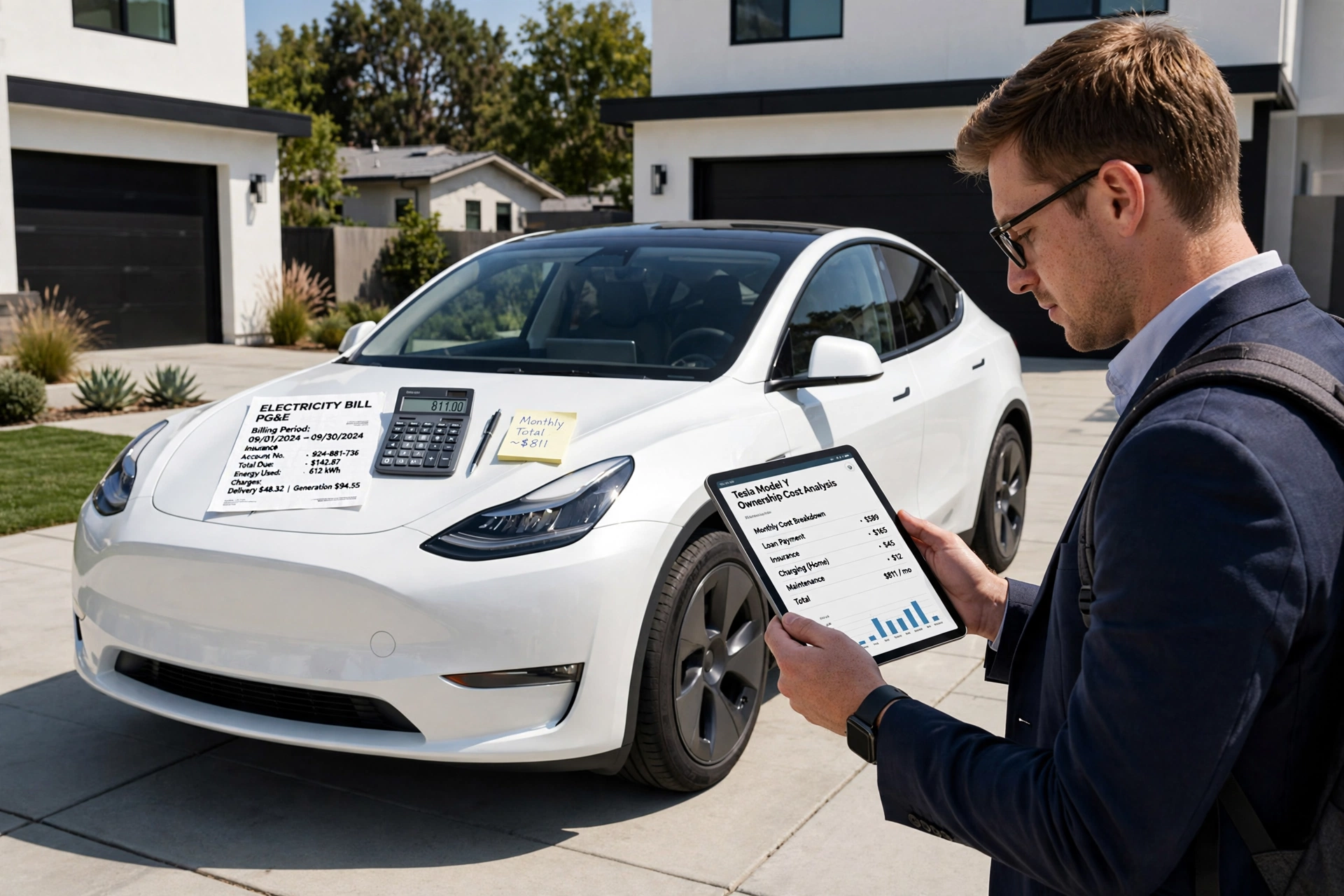
True Cost of Owning a Tesla is more than the sticker price. You also have to factor in insurance, electricity, tires, repairs, financing, taxes and depreciation which may in fact increase your out of pocket over the life of the car. Thus it is up to the buyer to do the math and not assume that going electric always equals savings.
A 5 year ownership term is which we look at to compare a Tesla to gas and hybrid options. What that number doesn’t include is that it varies by Tesla model, purchase price, mileage, location, insurance rate, electricity costs, financing, and resale value. When you factor in all of these elements buyers get a better picture of if a Tesla is really affordable over the long term.
Tesla Purchase Price and Initial Costs
At the time of purchase the base price is the biggest expense when getting a Tesla. What that will be out of your pocket depends on the model, trim, what options you go for, taxes, registration fees, destination charges, and what incentives are available. Models like the Model 3 tend to have a lower price point, while the larger models may require a much greater investment.
Financing may also raise the price of your total purchase of the car. Which of those increases is due to interest which is based on what you borrow, the interest rate, what you put in as a down payment and the length of the loan. Also it is best that buyers look at the total amount which they will have to pay back instead of paying attention only to the monthly payment.
Five Year Total Cost of Tesla Ownership
Over a five year period Tesla ownership includes far more than just the purchase price. We see that which includes depreciation, insurance, electricity, maintenance, repairs, financing, taxes, and registration. At Edmunds we use annual mileage of 15,000 miles in our estimates which of course for each individual may not be the same. You can also review the full 5-year cost of Tesla ownership for additional ownership-cost information.
For instance, Edmunds reports that for a 2025 Tesla Model Y Long Range they include in their estimate thousands of dollars for depreciation, insurance, electricity, maintenance, and repairs over a five year period. The precise total will vary by configuration and location, which is the reason we present these as a point of comparison for buyers rather than a definite personal cost.
Electricity vs. Gasoline Costs
Electricity, a major pro of Tesla which is that charging an EV at home may be cheaper than filling up at the pump, which is very true for those that do large miles yearly. The savings which you see will play on local electricity rates, gasoline prices, vehicle efficiency, and how much you charge at home as opposed to public stations.
Home charging is a very convenient and in many cases economic choice. Public fast charging is more expensive which in turn may see those that use it frequently to top up their tanks report lower energy savings. Still we see that for many Tesla owners the trade over to electric does in large part reduce cost per mile.
Home Charging Costs
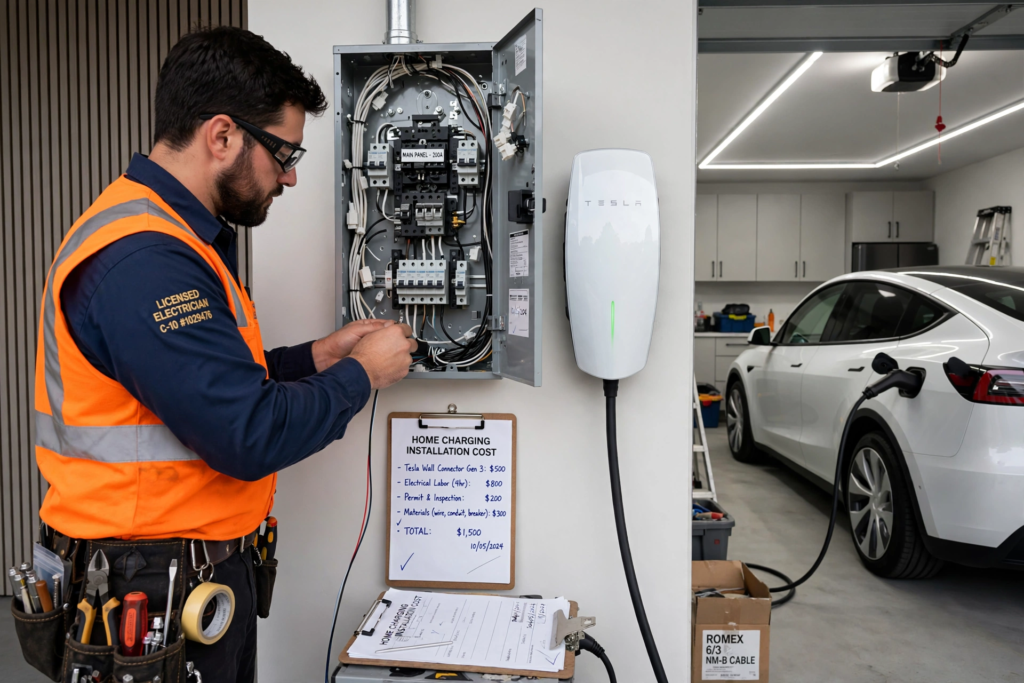
Tesla owners that charge at home may see they buy in which case the installation may also be done by an electrician. What we are seeing is that which of the 20% that do go ahead and get an EV will end up paying for the installation out of pocket and also that the process of putting in a new circuit can be very site specific. Also what we note is that it’s hard to give a general cost because it really does depend on what is already in the home and also the run from the electrical panel to the point of charge.
Although there is an initial outlay for home charging, in the long term it does provide convenience and will also see you reduce charging costs. When putting together your five year ownership budget buyers should include the install cost which in some cases may also require you to put in for electrical upgrades.
Tesla Insurance Costs
Insurance is a large component of Tesla ownership cost. What you pay out for premiums based on your age, location, driving record, what coverage you choose, miles driven, what model of car you have and which insurance company you go with. Also repair costs play a role which may surprise some buyers into thinking Tesla insurance is cheaper than it is.
Because insurance is very variable, it is best that prospective owners get a personal quote first. Also putting the estimated annual premium at 5 times the annual rate is an easy way to determine long term cost.
Tires, Maintenance, and Repairs
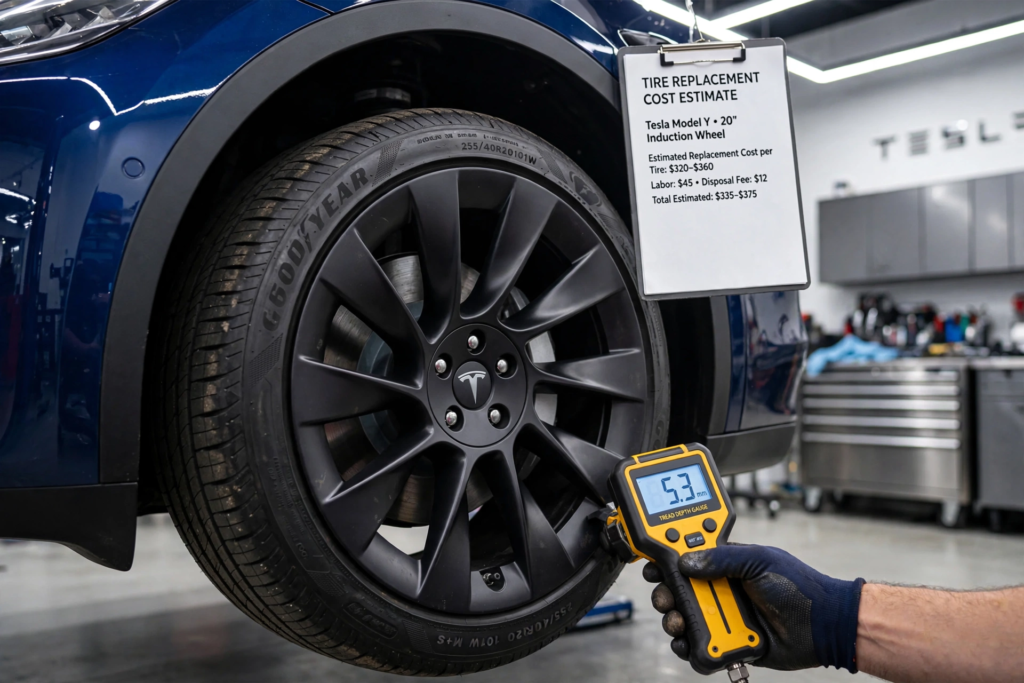
Tesla cars do not require what is associated with standard gas engines which is engine oil changes and spark plug replacements. This may in turn reduce routine maintenance costs. But what Tesla cars do require is tire rotations, cabin filters, wiper blades, attention to the brake system and other typical vehicle care.
Tires get special attention which is due to the fact that EV weight, instant torque, driving style, wheel size, and road conditions play a role in tire wear. Also owners report that over a five year period tire replacement is a large expense which in turn also sees unexpected repairs add to the cost. Thus it is advised that owners put aside money for repairs which may not be as routine as what is seen in a gasoline powered car.
Depreciation
Depreciation is a large element of the overall cost of vehicle ownership. What you pay for the Tesla as compared to what you will get back when you sell it is an example of that. Tesla trade in values fluctuate based on new model releases, incentives, tech improvements, market demand, and competition.
Edmunds reports that for the 2025 Model Y our five year projections see depreciation as the largest expense. This shows that fuel savings isn’t the full picture in Tesla’s financial benefit. A car which saves you thousands at the tank may still have a high total ownership cost out which is its loss in value.
Financing, Taxes, and Registration
Financing puts a different spin on the price of Tesla. With a lower interest rate and larger down payment the total cost goes down, also a longer loan term will see to it that the interest goes up. Thus it is up to the buyer to compare the total repayment amount which in the end is what you pay, not just the monthly rate.
Taxes and registration fees for electric vehicles also differ by location. Some regions report EV incentives which may offset the cost, in other areas there is an additional registration fee. These items should be included in your 5 year total as they may greatly change the picture between different locations.
Does a Tesla Actually Save Money?
A Tesla is a more economical choice in comparison to a gas powered car which is true for those with cheap home energy rates and high mileage. Also we see that lower fuel and routine maintenance costs which add up over time.
In fact the full calculation should include depreciation, insurance, tires, financing, repairs, taxes, and charging equipment. We see that a gas or hybrid which has a lower purchase price and which depreciates more slowly may in the end cost less. What you choose depends on the models you are looking at and your own driving habits.
How to determine your 5 year Tesla cost.
Start at the purchase price which includes taxes, fees, options and financing. Also include in your calculation an estimate of your annual mileage and the five year cost of electricity which is based on local charging rates. Also put in insurance, tire replacement, maintenance, repair, registration and home charging installation.
After 5 we will assess the Tesla’s value and out that against the purchase cost, that is how we will determine the depreciation. When we put that in perspective with the 5 year cost of a hybrid or a gasoline option we will have a very accurate look at which car is the better buy.
Conclusion
Tesla purchase may in some cases be more cost effective, but does not always put them ahead of conventional gas cars. You may see savings in electricity and maintenance that in turn will lower the operating cost which is particularly true for those that charge at home, but also here you will see depreciation, insurance, tires, finance and other issues which increase the total cost.
The best strategy is to look at the total five year ownership cost for each car which in turn includes fuel savings. Some drivers will see great long term benefits from a Tesla. For others it may still be that a gas or hybrid car has a lower total cost.