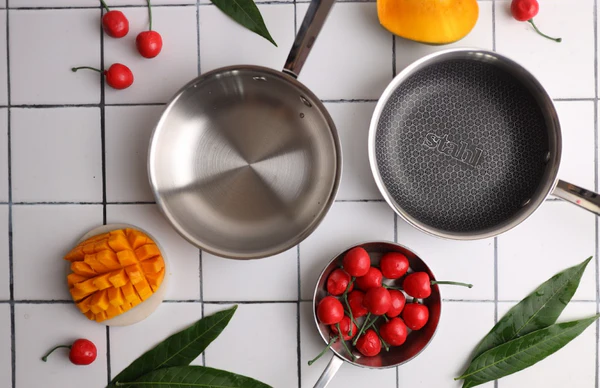
Every kitchen needs at least one reliable frying pan, and if you’re exploring Finnish cookware terminology, you’ve likely encountered the word “paistinpannut”—the Finnish term for frying pans. Whether you’re a seasoned chef or just starting your culinary journey, selecting the right paistinpannut can transform your cooking experience from frustrating to fantastic.
The right frying pan makes all the difference between perfectly seared proteins and stuck, burnt disasters. With countless options available, from traditional cast iron to modern non-stick ceramics, choosing paistinpannut that match your cooking style and needs requires understanding the fundamentals of materials, sizing, and maintenance.
This comprehensive guide will walk you through everything you need to know about paistinpannut, helping you make informed decisions that will serve your kitchen for years to come.
Types of Paistinpannut and Their Uses
Non-Stick Paistinpannut
Non-stick frying pans remain the most popular choice for home cooks. Their smooth coating prevents food from sticking, making them ideal for delicate items like eggs, fish, and pancakes. These paistinpannut require minimal oil and clean up easily, perfect for everyday cooking tasks.
However, non-stick coatings have limitations. They can’t handle extremely high heat and typically need replacement every 3-5 years with regular use. Avoid using metal utensils, which can scratch and damage the surface.
Cast Iron Paistinpannut
Cast iron paistinpannut offer exceptional heat retention and develop natural non-stick properties over time through proper seasoning. These versatile pans can go from stovetop to oven, making them excellent for dishes that require both searing and baking.
While cast iron requires more maintenance than other materials, properly cared for paistinpannut can last generations. They excel at high-heat cooking methods like searing steaks or achieving crispy-skinned chicken.
Stainless Steel Paistinpannut
Professional chefs often prefer stainless steel paistinpannut for their durability and versatility. These pans heat evenly, won’t react with acidic ingredients, and can withstand high temperatures without damage.
Stainless steel paistinpannut require technique to prevent sticking, but they reward skilled cooks with superior browning and fond development—essential for creating flavorful pan sauces.
Carbon Steel Paistinpannut
Carbon steel combines the best qualities of cast iron and stainless steel. These paistinpannut heat quickly, develop natural non-stick properties with use, and handle high temperatures excellently. They’re lighter than cast iron but more durable than non-stick options.
Popular in professional kitchens, carbon steel paistinpannut work particularly well for stir-frying, searing, and any cooking method that requires quick temperature changes.
Material Comparison: Which is Best for You?
Heat Distribution and Retention
Different materials handle heat differently. Cast iron paistinpannut excel at heat retention but take longer to heat up initially. Stainless steel heats quickly but may develop hot spots without proper construction. Carbon steel offers rapid heating with good retention, while non-stick varieties typically have aluminum cores for even heat distribution.
Durability and Longevity
When considering long-term value, cast iron and carbon steel paistinpannut can last decades with proper care. Stainless steel offers excellent durability but may show wear over time. Non-stick coatings inevitably degrade, requiring periodic replacement regardless of care quality.
Maintenance Requirements
Non-stick paistinpannut require the least maintenance—simple washing with mild soap suffices. Stainless steel needs more attention to prevent water spots but remains relatively easy to care for. Cast iron and carbon steel require seasoning and careful drying to prevent rust, but this maintenance becomes routine with practice.
Cooking Performance
Each material excels in different areas. Non-stick paistinpannut work best for low-fat cooking and delicate foods. Cast iron provides superior heat retention for dishes requiring consistent temperature. Stainless steel offers excellent browning capabilities, while carbon steel combines versatility with professional-grade performance.
Care and Maintenance Tips
General Cleaning Guidelines
Most paistinpannut benefit from cleaning while still warm. Use appropriate cleaning tools for each material—soft sponges for non-stick surfaces, scrub brushes for cast iron, and bar keepers friend for stubborn stainless steel stains.
Never put paistinpannut in the dishwasher unless specifically labeled as dishwasher-safe. Hand washing preserves coatings and prevents damage from harsh detergents and high heat.
Seasoning Cast Iron and Carbon Steel
Proper seasoning creates the natural non-stick surface these paistinpannut are famous for. Clean the pan thoroughly, apply a thin layer of high-smoke-point oil, and heat until the oil polymerizes. This process builds up layers of seasoning over time.
Storage Considerations
Store paistinpannut in dry locations to prevent rust and damage. Nest carefully to avoid scratching surfaces, using pan protectors if necessary. Cast iron and carbon steel benefit from light oil coating during long-term storage.
When to Replace
Non-stick paistinpannut need replacement when coatings chip or food begins sticking consistently. Cast iron and carbon steel can be restored even after severe rust damage. Stainless steel typically lasts indefinitely unless physically damaged beyond repair.
Top Paistinpannut Recommendations
For Beginners
New cooks should start with a quality non-stick pan in the 8-10 inch range. Look for paistinpannut with thick bases for even heating and comfortable handles that stay cool during cooking. PFOA-free coatings provide safer non-stick performance.
For Experienced Cooks
Intermediate to advanced cooks benefit from multiple paistinpannut types. A tri-ply stainless steel pan handles most tasks, while a cast iron skillet provides excellent searing capabilities. Adding a carbon steel pan rounds out a versatile collection.
Professional Considerations
Professional environments demand paistinpannut that withstand constant use and high temperatures. Commercial-grade stainless steel and carbon steel options typically offer the durability and performance required in busy kitchens.
Choosing the Right Paistinpannu for Your Kitchen
Selecting the perfect paistinpannut depends on your cooking style, maintenance preferences, and budget considerations. Beginners often find success starting with quality non-stick options before expanding their collection based on experience and preferences.
Consider your most frequent cooking tasks when making decisions. Daily egg preparation might favor non-stick paistinpannut, while weekly steak dinners could justify investing in cast iron or carbon steel alternatives.
Remember that quality paistinpannut represent long-term investments in your cooking capabilities. Choose materials and brands that align with your commitment to maintenance and your cooking aspirations. Whether you select traditional cast iron, modern non-stick, or professional-grade stainless steel, the right paistinpannut will serve as reliable kitchen companions for countless delicious meals ahead.

Wonderful beat I wish to apprentice while you amend your web site how could i subscribe for a blog web site The account aided me a acceptable deal I had been a little bit acquainted of this your broadcast provided bright clear idea
Your blog has quickly become one of my favorites. Your writing is both insightful and thought-provoking, and I always come away from your posts feeling inspired. Keep up the phenomenal work!