Introduction
Building a stable and balanced lifestyle after dependency-related challenges can feel overwhelming in the beginning. However, restoring healthy routine after substance dependency is often one of the most effective ways to regain consistency, emotional balance, and personal control.
Many individuals also struggle with recurring cravings, emotional triggers, and unhealthy patterns during the recovery process. Learning effective strategies for managing repeated urges during lifestyle recovery can help create a healthier long-term foundation without relying on extreme changes or unrealistic expectations.
By focusing on daily structure, healthier coping habits, and sustainable routines, people can gradually rebuild their confidence and overall well-being.
Why Daily Habits Play a Critical Role in Recovery
Lifestyle recovery is not only about avoiding harmful behavior. It also involves rebuilding routines that support mental clarity, emotional stability, and physical wellness.
Without structure, people may experience:
Irregular sleep patterns- Low motivation
- Emotional exhaustion
- Poor eating habits
- Increased stress levels
- Difficulty staying productive
This is why restoring healthy routine after substance dependency often becomes a key part of long-term improvement.
Healthy routines create consistency, and consistency helps reduce chaos in everyday life.
Understanding Why Repeated Urges Happen
Emotional and Environmental Triggers
Repeated urges during recovery are often connected to emotional stress, isolation, boredom, or familiar environments linked to old habits.
Common triggers may include:
High-pressure work environments- Poor sleep quality
- Negative social influences
- Emotional frustration
- Lack of routine or purpose
Recognizing these triggers early allows individuals to respond more calmly and intentionally.
Why Ignoring Triggers Usually Fails
Many people try to suppress urges completely without understanding their causes. In reality, long-term progress often comes from learning healthier responses instead of relying on avoidance alone.
This is where managing repeated urges during lifestyle recovery becomes more practical and sustainable.
Rebuilding Structure Through Small Daily Actions
Start With Consistent Sleep and Wake Times
Sleep affects mood, focus, stress management, and energy levels. One of the first steps in recovery-focused wellness is rebuilding a predictable sleep schedule.
Helpful adjustments include:
Going to bed at the same time each night- Limiting screen exposure before sleep
- Reducing late-night distractions
- Creating a quiet sleeping environment
Improved rest can positively influence emotional stability and decision-making.
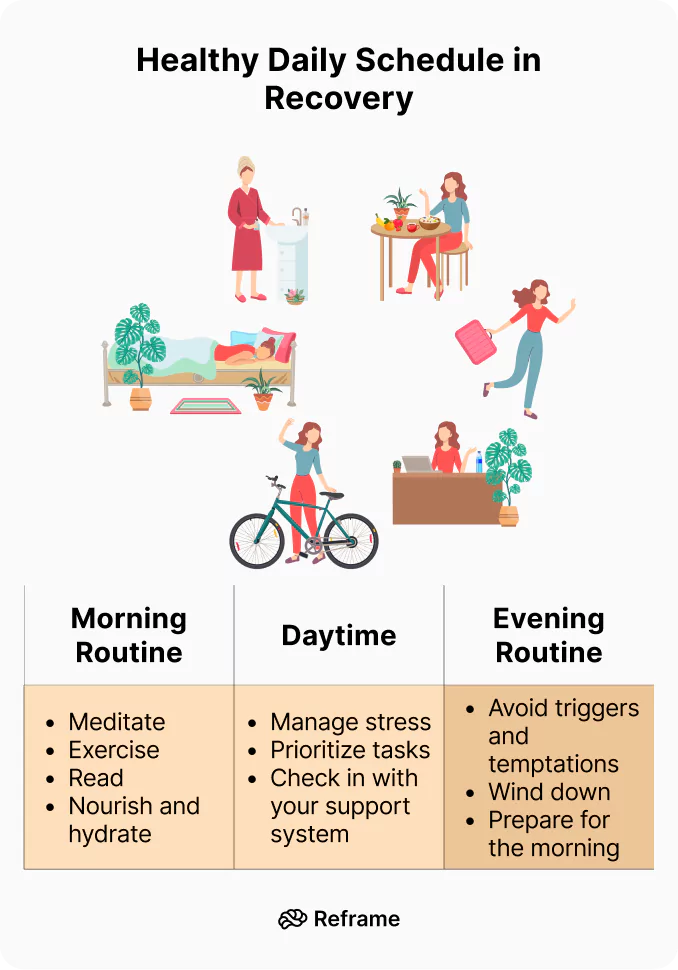
Creating a Productive Morning Routine
Healthy mornings help reduce mental clutter and improve daily focus.
Simple morning habits may include:
Drinking water after waking up- Stretching or light exercise
- Planning daily priorities
- Eating a balanced breakfast
- Avoiding excessive social media early in the day
Small routines repeated consistently often create stronger long-term habits.
Healthy Coping Strategies That Support Recovery
Replacing Unhealthy Patterns With Better Alternatives
One effective recovery strategy is replacing old behaviors with positive activities that provide structure and purpose.
Examples include:
| Old Habit | Healthier Alternative |
| Staying isolated | Walking outdoors |
| Irregular meals | Meal preparation |
| Excessive screen time | Reading or journaling |
| Lack of activity | Light exercise routines |
These alternatives help reduce idle time and support healthier decision-making.
Physical Activity and Mental Clarity
Exercise does not need to be intense to be beneficial. Even moderate movement can improve mood, focus, and daily consistency.
Helpful options include:
Walking- Cycling
- Home workouts
- Yoga
- Recreational activities
According to Mental Health America, regular physical activity may help support emotional wellness and stress management as part of a balanced lifestyle.
Nutrition and Energy During Recovery
Why Food Choices Matter
Poor nutrition can increase fatigue, mood instability, and low energy levels. Building balanced eating habits supports overall recovery and daily functioning.
A wellness-focused diet may include:
Fruits and vegetables- Whole grains
- Lean protein
- Hydration throughout the day
- Reduced processed food intake
Good nutrition supports the body’s natural recovery process and improves consistency in daily routines.
Managing Stress Without Falling Into Old Patterns
Building Healthier Stress Responses
Stress is one of the most common challenges during recovery. Without proper coping methods, stressful situations can increase emotional pressure and unhealthy decision-making.
Helpful stress-management strategies include:
Deep breathing exercises- Journaling thoughts and emotions
- Spending time outdoors
- Maintaining social support
- Practicing mindfulness techniques
These methods can support emotional balance while reducing impulsive behavior.
The Importance of Supportive Environments
Positive social environments often influence recovery outcomes significantly. Spending time around supportive individuals can encourage accountability and healthier habits.
Support may come from:
Friends- Family members
- Wellness groups
- Professional guidance
- Community support systems
Healthy relationships create emotional stability during difficult periods.
Long-Term Success Comes From Consistency
Many people expect immediate transformation, but sustainable improvement usually happens gradually. Consistent habits repeated daily often create stronger long-term results than extreme lifestyle changes.
When focusing on restoring healthy routine after substance dependency, it is important to prioritize:
Realistic goals- Daily structure
- Balanced routines
- Emotional awareness
- Healthy coping strategies
Similarly, managing repeated urges during lifestyle recovery becomes easier when individuals develop routines that reduce stress, improve focus, and create stability.
Conclusion
Recovery-focused wellness is not built through perfection. It develops through consistent daily actions, healthier routines, and practical coping strategies that support emotional and physical well-being.
By focusing on restoring healthy routine after substance dependency and learning effective approaches for managing repeated urges during lifestyle recovery, individuals can gradually create a more stable, productive, and balanced lifestyle over time.