
Breathing is one of the most critical life processes because it provides the body with O2, which is needed for life, energy generation and organ function. Breathing is a subconscious process but the quality of the oxygen received can dramatically affect not only the mind but the physical body as well. Oxygen is required in every cell of the body to make energy; the brain is particularly sensitive because it uses more of the body’s oxygen than it is worth, even though it comprises a small percentage of the body’s weight. Breathing is important when it comes to focus, remembering, controlling emotions and building stamina in the body as it supplies oxygen to the brain and muscles. If you have poor breathing patterns, stress, illness or lung disease that makes it more difficult to get oxygen, there can be noticeable cognitive and physical difficulties.
Studies featured in PubMed Central emphasize the critical link between brain activity, breathing, and oxygen. The respiratory and circulatory systems act together all the time, bringing oxygen-rich blood to all parts of the body so the brain and muscles can keep going and carry out the every day functions and activities of living. By elucidating the role oxygen plays in mental clarity, stress management, and endurance, it becomes easier for people to appreciate the value of healthy lungs, proper breathing, and overall respiratory well-being for long-term health and performance.
The role of oxygen in brain activity and cognitive function
Brain cells rely heavily on the aerobic metabolism of the brain to generate energy and the brain always requires oxygen. Neurons transmit information via electrical and chemical signals which demand a constant source of energy generation and thus oxygen supply is crucial to normal cognitive function. Although it is a relatively small part of body mass, the brain consumes a large percentage of the oxygen transported in the blood stream. This illustrates the strong link between brain activity and healthy breathing and efficient oxygen transport.
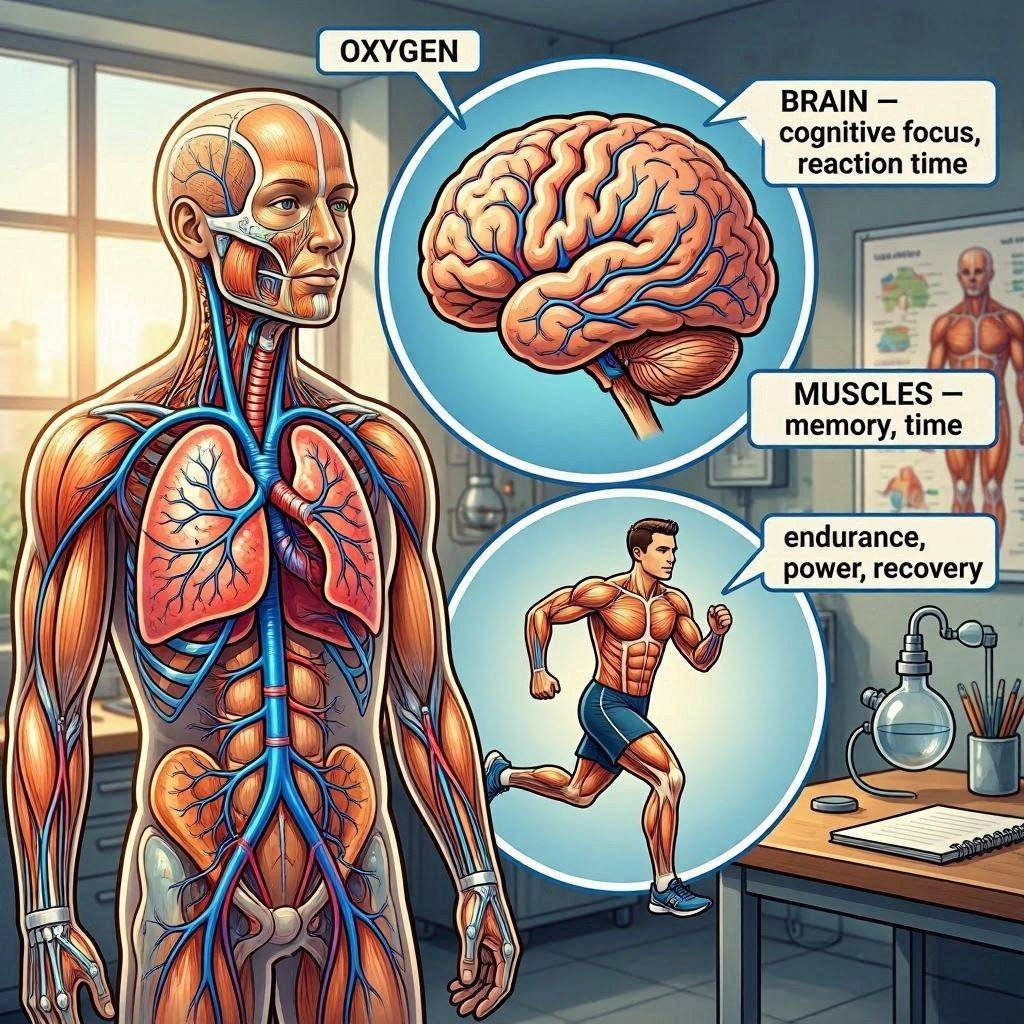
In the presence of sufficient oxygen levels, the brain has a better concentration, memory, problem-solving skills, and emotional control. With adequate oxygen flow, neurotransmitter equilibrium is maintained within the brain, and the nerve cells are able to communicate efficiently, enhancing concentration and mental acuity. With controlled and deep breathing, oxygenation can improve, which will make the person feel more relaxed and attentive. On the other hand, shallow or inadequate breathing may decrease oxygen levels that can lead to mental fatigue, headaches, difficulties with concentration and cognitive functioning.
Breathing patterns are also regulated by respiratory centers in the brainstem, which are controlled by the brain. These centers regulate the amount of oxygen and carbon dioxide in the blood and can control the rate of breathing to keep them balanced. When under stress or with anxiety, breathing may get faster and shallower, potentially impacting oxygen exchange and creating tension. Controlled breathing exercises can help to stabilize breathing patterns, increase oxygen supply and promote more stable brain activity. This link between breathing and the nervous system is what makes breathwork the popular practice it is, for enhancing concentration, lowering stress, and boosting the mind’s performance.
There is a connection between breathing, energy levels and physical performance
Oxygen is also very important for physical performance—muscles need it to create energy for movement and exercise. ATP, or adenosine triphosphate, is the chemical produced by cellular respiration with the use of oxygen that allows every muscle contraction. Efficient breathing and good oxygen delivery means muscles can carry out activities for longer without fatigue setting in rapidly. This is why it is important to have proper lung function and good blood circulation in the heart to have endurance, stamina and physical performance.

Breathing rate automatically increases during exercise when the body’s requirements for oxygen are significantly increased. The lungs have to work harder to get oxygen into the body, while eliminating carbon dioxide generated by active muscles. Meanwhile, the heart is beating more quickly to circulate the oxygen-rich blood around the body. People with a strong respiratory and cardiovascular system can usually carry out physical activity more efficiently, as their body uses oxygen more efficiently to work the muscles that are being used.
Impaired oxygen delivery levels can have a major impact on energy production and physical functioning. Without adequate oxygen, the muscles use less efficient anaerobic methods of producing energy, causing quicker fatigue and lactic acid accumulation. This may lead to fatigue, decreased stamina and breathlessness during exercise. Breathing techniques, regular physical activity, and healthy breathing all help the body to transport oxygen better and to have more physical stamina to perform daily activities and physical activity more efficiently.
The role of breathing on stress and emotional regulation
Emotional state and stress level are closely linked to breathing patterns due to the close relationship between the nervous system and breathing. In stressful conditions, the body goes into the “fight or flight” mode, also called the “Sympathetic Response”. This increases the rate and depth of breathing, readying the body for action. This can be helpful during an emergency, but over time, high levels of stress and shortness of breath can lead to feelings of anxiety, tension and mental fatigue.
Controlled breathing techniques stimulate the parasympathetic nervous system to help induce a relaxed sensation and aid in recuperation. Slow, deep breathing relaxes the body, decreases the production of stress hormones and promotes efficient exchange of oxygen. Once oxygen supply to the brain gets more stable, people may also notice greater balance, ability to concentrate and a decrease in anxiety. This is how breathing exercises are often part of meditation, yoga and stress management programs.
Stress also impacts on the body’s physical condition, producing greater muscle tension, higher blood pressure and cardiovascular strain. The effects can be exacerbated by poor breathing patterns that allow less oxygen and make breathing more difficult. Breathing patterns are important for emotional resilience as they help the body to stay balanced in challenging situations. This connection between breathing and emotional control illustrates that breathing not only supports physical survival, but also psychological well-being and mental performance.
How healthy lungs will affect mental and physical performance
Maintaining the health of lungs is important for good oxygen uptake and gas exchange. Millions of alveoli are present in the lungs where oxygen moves into the bloodstream and carbon dioxide is removed. As long as the lungs remain healthy and elastic, breathing becomes more efficient and the delivery of oxygen to the rest of the body increases. Respiratory diseases like asthma, chronic obstructive pulmonary disease, damage to the lungs from smoking or exposure to air pollution, however, can decrease lung efficiency and disrupt oxygen absorption.

The lungs may not work efficiently and this could lead to reduced mental and/or physical performance since the brain and muscles are not getting as much oxygen as needed. Poor respiratory health people will find that they get tired, cannot focus as well, dizziness and shortness of breath when exercising. Mental clarity and energy levels can also be decreased during the day, due to the effects of chronic respiratory issues on sleep quality
Lung health is thus important to facilitate cognitive functioning and physical endurance. Staying away from smoke, reducing exposure to polluted surroundings, exercising and getting plenty of fluids all help maintain respiratory efficiency. Exercise builds up the respiratory muscles and promotes better circulation of oxygen to the body. The lungs are essential for breathing but they also help you to concentrate, feel happy, run more easily and enjoy your life.
The breathing techniques that will help focus and endurance
Breathing exercises are common ways to increase concentration and decrease stress and physical stamina due to their effect on oxygen delivery and nervous system balance. Deep breathing of the diaphragm facilitates fuller expansion of the lungs, providing additional oxygen into the bloodstream and relaxation. The method of slow and deep breathing with the diaphragm instead of the chest. Many people practice diaphragmatic breathing to focus their attention, to relax and quiet their anxiety and to help relieve mental fatigue.
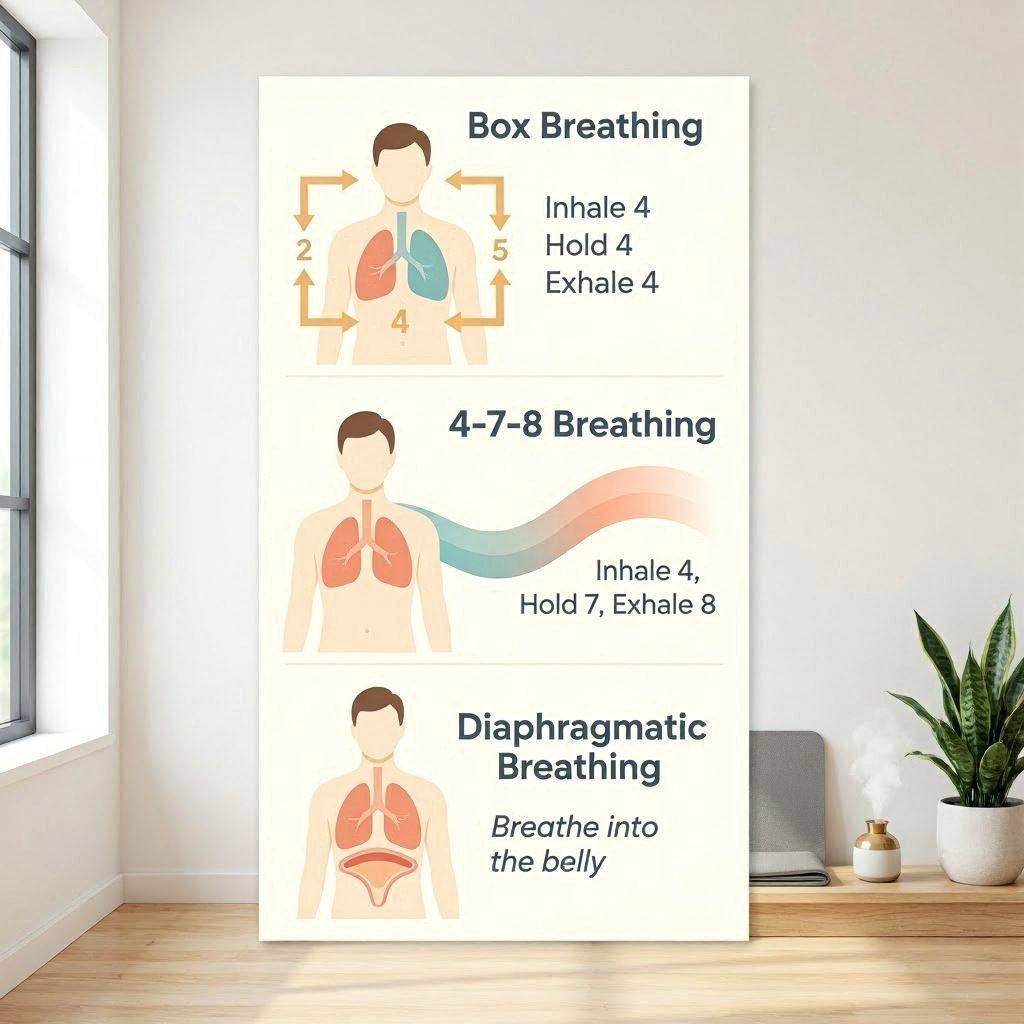
Rhythmic breathing techniques are also very common in the context of exercise and athletics training. Practicing coordinated breathing with movement can enhance oxygen efficiency and ensure stable endurance during exercises like running, swimming or cycling. Controlled breathing helps to achieve a balance between the unnecessary muscle tension and stabilisation of the heart rate, so that the body can work more efficiently for longer.
Focused breathing exercises are common in mindfulness and meditation practices, as they help to take control of the breathing process and promote a sense of relaxation and awareness. Slow breathing helps the mind to be clear, the emotions to be controlled as physiological reactions to stress are diminished. The techniques show the importance of conscious breathing patterns and the ways they can help to enhance mental performance and physical health by augmenting the body’s intake of oxygen and helping it to relax.
Some lifestyle habits that help to enhance oxygen intake and wellness
By implementing certain healthy lifestyle choices, one can maximize oxygen intake and enhance mental and physical functioning. Exercise enhances lung capacity, circulation and the efficiency of transporting oxygen, which is one of the best ways to strengthen the respiratory and cardiovascular systems. In some cases, physically active people may have longer stamina and focus on tasks due to their body’s ability to deliver oxygen to the tissues and organs.

Balanced nutrition also includes the need to transport oxygen as the nutrients present in the diet are required to maintain a healthy red blood cell hemoglobin. Proper nutrition is important to maintaining energy levels and cognitive functioning because hemoglobin carries oxygen through the blood stream. Hydration can help maintain healthy blood volume and ensure the respiratory system functions well, and a good night’s sleep can help the body and brain recuperate from stress and activity during the day
Keeping away from smoke and from being exposed to polluted air is also crucial as polluted air contains harmful particles that harm lung tissue and diminish uptake of oxygen. Additional stress management techniques like meditation, yoga, and breathing exercises can aid in emotional equilibrium and efficient breathing. These are all things that make for better brain activity, concentration, physical stamina and long term wellness.
Conclusion
Breathing is a very important factor in helping to facilitate mental and physical functioning as oxygen is needed to produce energy, to process thoughts within the brain and to support muscular function. Without a constant supply of oxygen, the brain cannot function normally, with respect to concentration, memory, emotional control and cognitive efficiency, and the muscles have no endurance and are unable to sustain movement. Respiratory patterns and lung function that are optimized for good health will enable the efficient transfer of oxygen into the bloodstream and allow for a healthy person to function effectively.
Breathing, stress management and physical stamina illustrate the close link between the respiratory and the nervous system. Breathing exercises can help regulate oxygen levels and keep the nervous system relaxed, which can enhance concentration, reduce anxiety, and maintain emotional well-being. Good exercise, nutrition, hydration, and not smoking will enhance oxygen intake and contribute to long-term mental and physical well-being by maintaining healthy lungs. This awareness of how breathing impacts the brain and body underscores the value of respiratory wellness in order to reach improved quality of life, concentration, endurance and energy in the body.