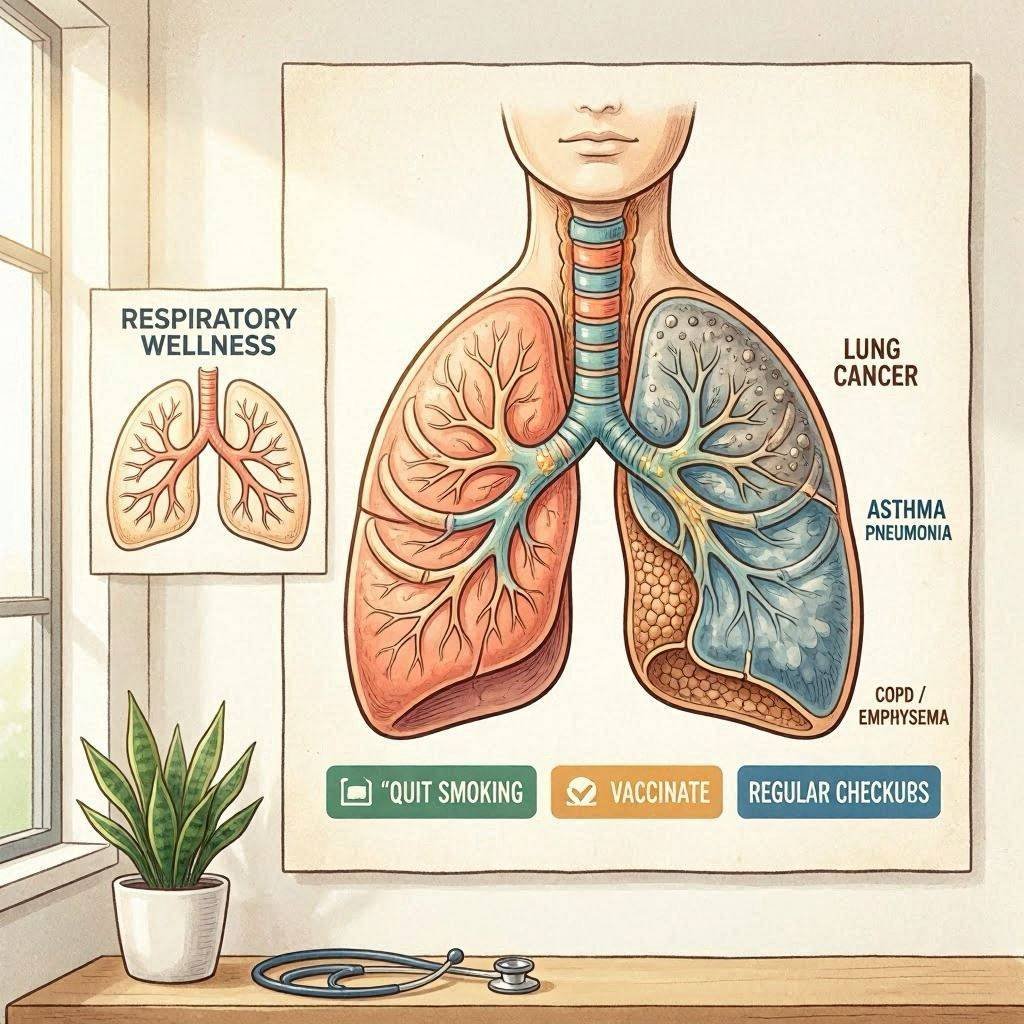
Respiratory system functions to bring oxygen into the body and get rid of carbon dioxide by breathing. This system is critical to the survival of every organ and tissue in the body because oxygen is required to produce energy, function the brain, operate muscles and make up the immune system. If the respiratory system is affected by disease, the efficiency of breathing may decrease, providing less oxygen and stressing other organs, including the heart and lungs. Respiratory diseases may be transient infections, or chronic diseases which can gradually cause damage to the lung tissue and affect the normal flow of air. Asthma, pneumonia, chronic obstructive pulmonary disease and influenza are some of the most prevalent respiratory conditions that impact people globally.
Coughing, wheezing, chest tightness, shortness of breath and fatigue are common symptoms among many respiratory conditions as they all affect the lungs’ capacity to move oxygen and carbon dioxide efficiently. American Lung Association says it’s important to maintain optimal respiratory wellness to preserve lung function and lessen the chances of chronic respiratory diseases. By learning about the impact that common respiratory diseases have on the body, individuals can be more aware of symptoms to be alert for, the key risk factors and how they can make healthier lifestyle choices that will lead to long-term lung health and well-being.
Asthma and its effect on breathing activity
Asthma is a long-term respiratory disease which causes inflammation and narrowing of the air passages in the lungs, making it harder to breathe. Asthma sufferers find the airways that become swollen and irritated by dust, smoke, pollen, exercise, cold air, pet dander or infections. These triggers cause the muscles around the airways to contract and cause the airways lining to swell and make extra mucus. It decreases breathing and leads to symptoms like wheezing, coughing, chest tightness, and shortness of breath.
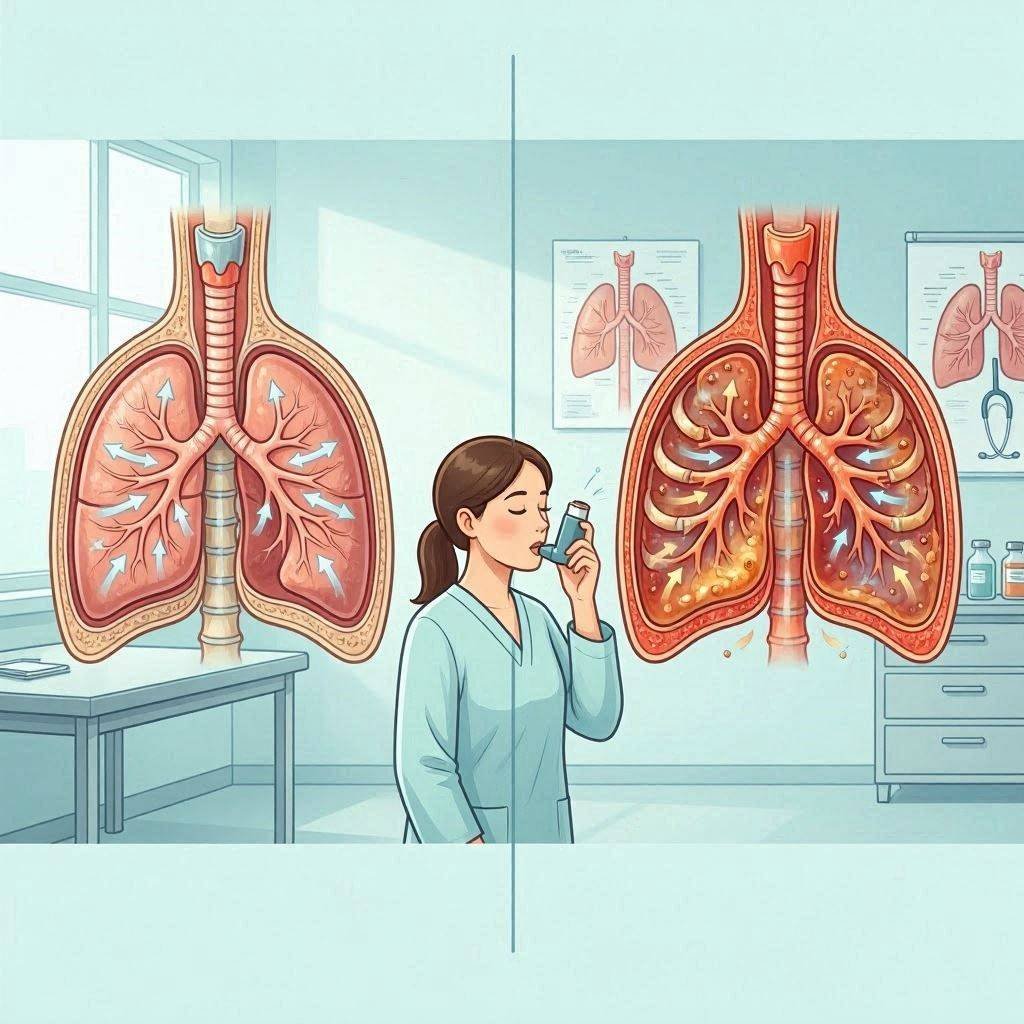
Asthma symptoms may vary in severity from mild occasional discomfort to serious attacks that require emergency medical treatment. In an asthma attack, the airways constrict, making it hard to get air in and out of the lungs and lowers the amount of oxygen that reaches the body. This can lead to quick breathing, tiredness, anxiety and a lack of energy for physical activity. Though asthma control and management cannot always be cured, many people can control their symptoms by taking medication, avoiding triggers and keeping their respiratory health on track through healthy lifestyle choices.
There are a number of risk factors for asthma such as family history, allergies, smoking environment, air pollution and repeated childhood respiratory infections. Air pollution and other environmental triggers can often exacerbate asthma symptoms. People can limit the number of asthma attacks and keep their lungs functioning optimally over time by keeping indoor air clean, exercising safely and following the treatment plan.
Pneumonia and Lung Infection
Pneumonia is a serious infection of the lungs which involves inflammation of the lungs and can fill the alveoli with pus or fluid, making it difficult to breathe and exchange oxygen. Bacteria, viruses, fungi and other microorganisms can invade respiratory tract and infect the lung tissue, causing pneumonia. Alveoli are the air sacs that transfer oxygen into the bloodstream, so when fluid builds up in the air sacs the lungs can’t function as well and effectively distribute oxygen throughout the body.
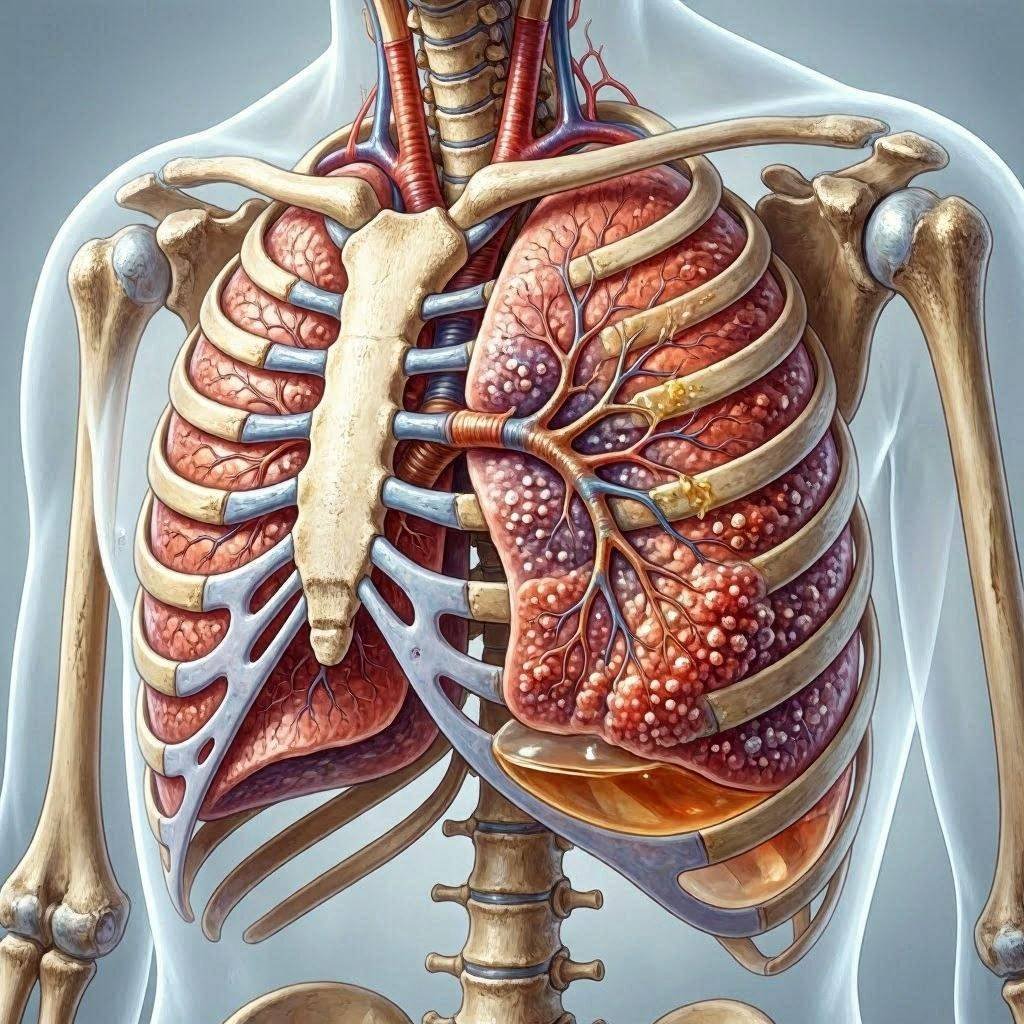
Pneumonia signs and symptoms may include cough, fever, chills, chest pain, fatigue, fast breathing, and shortness of breath. Some people may cough up mucus or have confusion and weakness, particularly older adults or people who have a weak immune system. Pneumonia may be mild or severe depending on age, general health and the type of pneumonia. Treatment and rest may be sufficient for mild cases, and oxygen support and hospitalisation may be necessary for severe cases.
Some individuals are at greater risk for pneumonia, such as infants, elderly, smokers, and those with chronic diseases like diabetes or heart disease. Smoking harms cilia, which are tiny hairs in the respiratory passages that are responsible for clearing harmful particles and mucus, from the respiratory system, making it easier for particles to accumulate.The tiny hairs in the respiratory passages (cilia) become damaged by smoking, allowing the accumulation of particles. The risk of pneumonia can be lowered and respiratory health enhanced with vaccination, good hygiene, proper nutrition and not smoking. Early treatment is also crucial, as if left untreated, pneumonia can cause serious health problems, such as complications in the lungs, blood and other organs.
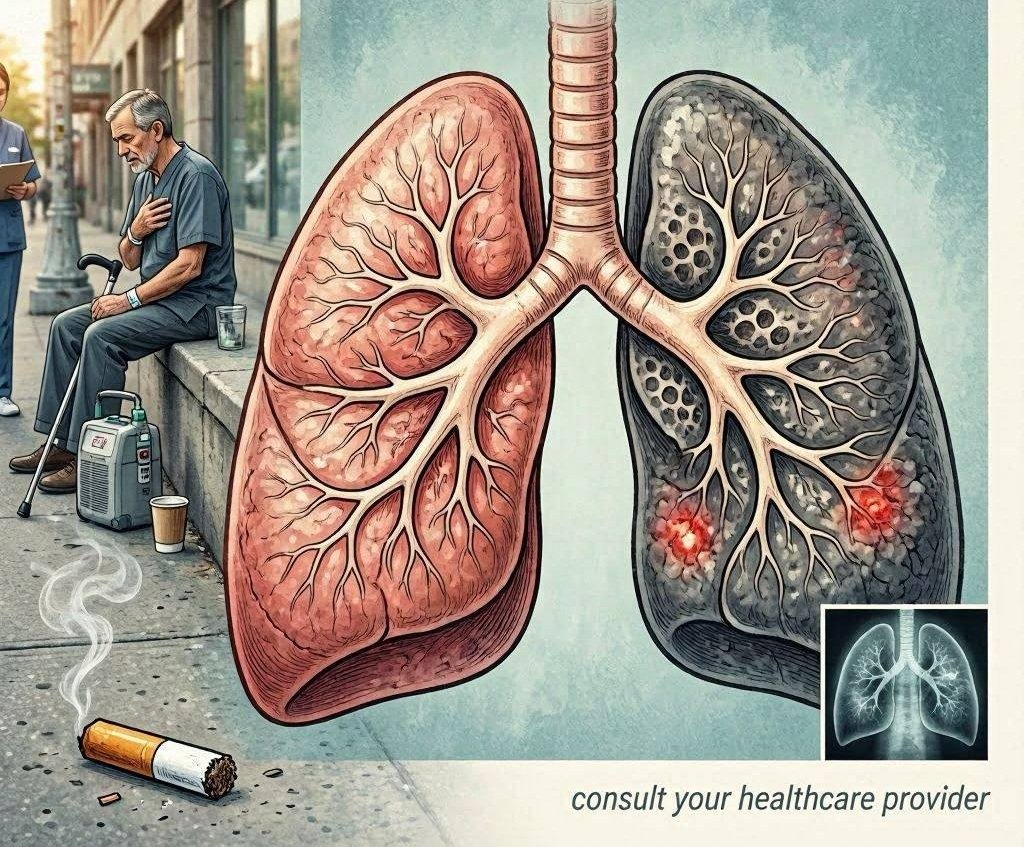
Chronic obstructive pulmonary disease (COPD) and lung damage are also potential consequences.
Chronic obstructive pulmonary disease or COPD is a chronic disease of the lungs that over time makes it more difficult to breathe. Diseases of COPD consist of chronic bronchitis and emphysema, which have different effects on the lungs. Chronic bronchitis results in chronic inflammation and excess mucus production in the airways, and emphysema causes damage to the alveoli and a loss of elasticity in the lungs. COPD is most commonly caused by smoking, but can also be triggered by exposure to air pollution, chemical fumes and occupational dust.
COPD generally causes people to cough, wheeze, have a tight chest, get tired and out of breath, particularly during physical exercise. As the lungs start to get damaged, basic activities like walking or going up and down a flight of stairs can be exhausting if the lungs are not able to work efficiently to deliver oxygen. Respiratory infections are also common in people with COPD as their airways are weaker and less able to fight off bacteria and viruses.
COPD is a progressive disease because the damage to the lungs causes the disease to deteriorate over time, particularly when people continue to smoke or breathe in pollutants. The disease cannot always be reversed entirely, but treatment and lifestyle modifications can help slow the disease’s progression and enhance quality of life. Stopping smoking is a very important measure people can take to ensure good lung function. Respiratory wellness and efficient breathing are also helped by pulmonary rehab, exercise, healthy nutrition and appropriate medical management for individuals with COPD.
The flu and lung complications
Influenza – the flu – is an infective, viral disorder that can cause mild illnesses or serious respiratory complications. Influenza is transmitted through the respiratory secretions of people who are sick with the flu virus when they cough, sneeze, or talk. The virus enters the body through the nose, throat and lungs, leading to inflammation and immune reactions in the body, causing symptoms of fever, cough, sore throat, muscle pain, tiredness and shortness of breath.
While influenza is not serious for most healthy people, it can be dangerous for older adults, young children, pregnant women and those with certain chronic respiratory diseases or weakened immune systems. In some people, the flu can cause complications like pneumonia, make asthma symptoms worse, or cause so much lung inflammation that it makes it hard for them to breathe. Sometimes, flu complications can lead to hospitalization and breathing support.
Vaccination against the flu is one of the best preventive measures you can take since it helps your immune system to be more effective against the most prevalent flu strains. Prevention by good hygiene practices, including frequent handwashing, covering coughs, and avoiding close contact with the infected, will also help to limit transmission. A balanced diet, good sleep, hydration, and regular exercise contribute to maintaining a healthy immune system and minimizing the risk of developing a severe respiratory infection, promoting respiratory wellness.
Factors that increase the risk to respiratory health
Lung function can be compromised over time by several factors related to the environment, lifestyle and health. One of the risk factors that is most harmful is smoking, and cigarette smoke contains toxic chemicals that irritate airways, damage alveoli and make you more vulnerable to infections and chronic lung disease. Even non-smokers who are exposed to secondhand smoke can also suffer from its effects, particularly children with developing lungs.
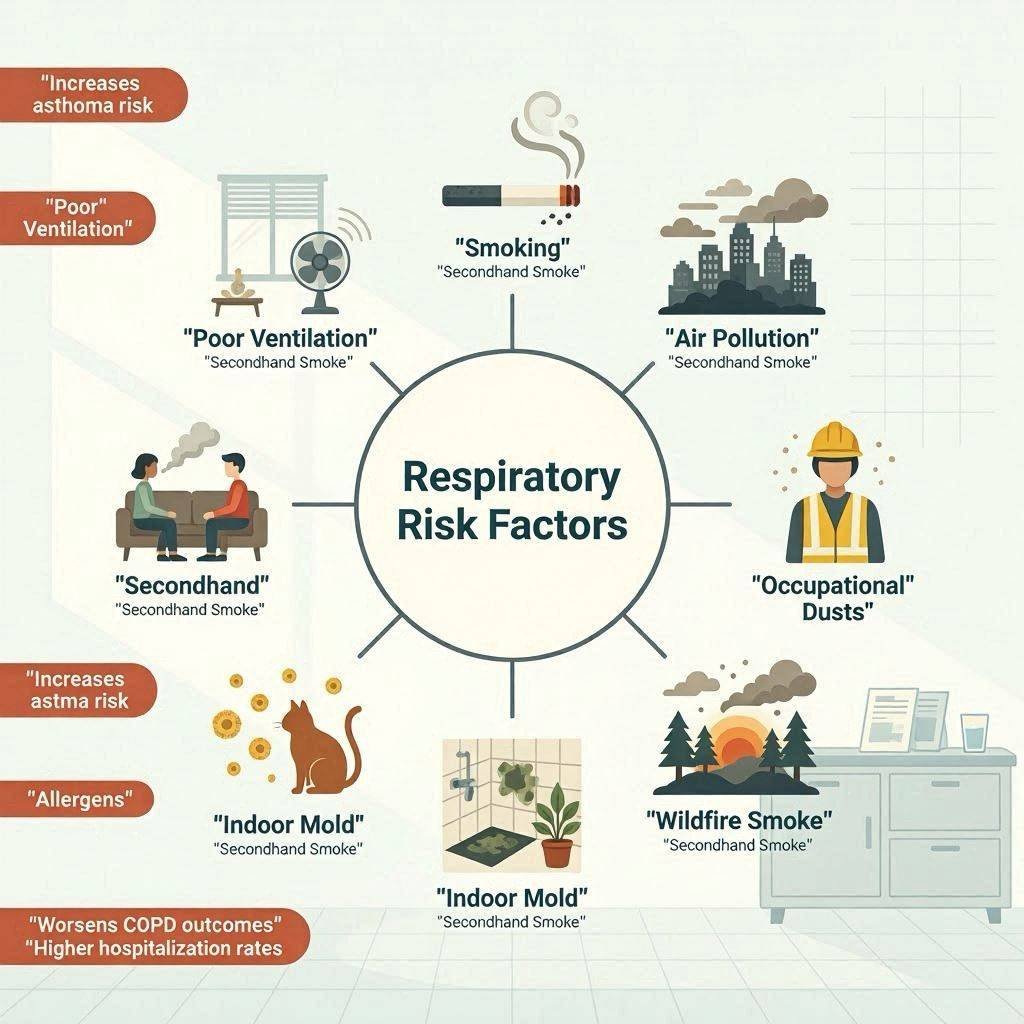
Air pollution is also a prominent cause of respiratory illness because the irritating particles of smoke, dust, industrial emissions and chemical fumes damage the tissue of the lungs and make them less efficient in their functioning. Other occupations, like mining, construction, and manufacturing, can also be a risk for respiratory disease due to exposure to harmful particles or chemicals. Asthma and other chronic lung diseases may get worse when the air is poor indoors due to mold, dust or poor ventilation.
Respiratory health may also be impacted by other medical conditions and genetic predispositions. People with compromised immune systems, allergies, overweight or who have family histories of respiratory diseases may be at increased risk of breathing problems. Lack of exercise degrades cardiovascular and respiratory function, and lack of nutrition may impair tissue repair processes and resistance to infections. All these factors make it clear that healthy living habits that promote healthy lung function are necessary to maintain throughout one’s life.
Promoting Respiratory Wellness with Healthy Habits
Maintaining a healthy lifestyle is essential for ensuring the health of the respiratory system, by improving lung function and decreasing exposure to harmful substances. Some of the most important tips to have healthy lungs are not to smoke, and steer clear of polluted environments. Air cleaners, proper ventilation and limiting chemical and allergen exposure can also make it easier to breathe and decrease respiratory irritation.
Exercise boosts lung capacity, circulation and cardiovascular fitness and helps the body use oxygen more efficiently. Exercises help to build and strengthen breathing muscles and help improve endurance, which will help make everyday activities easier and help improve the overall performance of the respiratory system. Fluid intake is also important, as it helps to keep mucus thin and easily coughed up from the airways.
Balanced nutrition promotes healthy immune function and rapid repair of damaged tissues, which allows the body to better withstand infections and get better. Influenza and pneumonia vaccinations (shots) may lower the risk of severe respiratory infections, particularly for those who are more likely to develop them. Stress management also plays a role in healthy immune function and breathing patterns, as do adequate sleep. These practices contribute to the overall wellness of the respiratory system and a person’s health.
Conclusion
Respiratory illness (inflammation of the lungs), like asthma, pneumonia, COPD and flu, can seriously impact the body by disrupting normal breathing and preventing the lungs from efficiently carrying oxygen. These can lead to inflammation of the airways, increased mucus production, damage to the alveoli, or infections of the lungs that reduce lung function, which can further stress the heart, blood vessels, and other organs. Common symptoms of stress on the respiratory system include coughing, wheezing, chest tightness, fatigue and shortness of breath.
Knowing more about respiratory diseases enables people to recognize early signs and understand which risk factors they can control to make healthier choices for respiratory wellness. There are numerous ways to safeguard lung health and quality of life that do not involve smoking, limit exposure to pollutants, keep active, practice good hygiene and seek medical help in time. Along with helping to maintain respiration, good respiratory wellness also contributes to energy generation, stamina, immunity, and overall well-being.