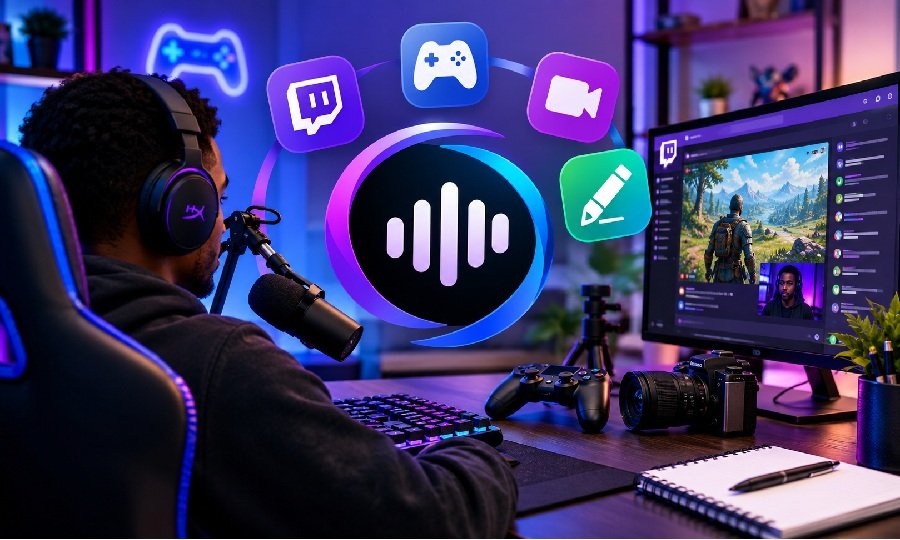
Live streaming has become much more than turning on a camera and playing a game. Today’s creators need to plan their content, stay on top of gaming trends, connect with other streamers, discover new audiences, and find ways to turn their passion into a sustainable activity.
For someone building a Twitch channel, managing all these tasks can quickly become time-consuming. Finding the next game to stream, keeping track of esports tournaments, discovering potential collaborators, choosing background music, and exploring promotional opportunities are all important parts of the process.
This is where specialized tools and resources can make a difference.
Stream Shake is a platform built around the needs of Twitch streamers and gaming communities. It brings together channel promotion features, gaming calendars, streamer rankings, background music, creator collaboration tools, and resources for exploring advertising and referral opportunities.
Rather than treating streaming as an isolated activity, the platform takes a broader approach: helping creators discover opportunities, organize their workflow, and build connections within the streaming ecosystem.
Let’s explore its main features and how they can fit into a creator’s daily routine.
1. Twitch Channel Promotion and Community-Based Discovery
One of the biggest challenges for a new streamer is getting discovered. Even when a creator has good equipment, entertaining content, and a consistent schedule, attracting an initial audience can be difficult.
Stream Shake includes a community-based mutual-viewing feature built around a points system. Participants can earn points by watching other streams and use accumulated points to promote their own broadcasts through the platform.
The idea is to encourage interaction among creators and give streamers another way to explore the wider streaming community.
For someone just starting out, participating in streaming communities can also be an opportunity to discover other creators, learn from different broadcasting styles, and build relationships with people who share similar interests.
However, audience growth should always focus on genuine engagement and long-term retention. Twitch prohibits artificial inflation of live viewer statistics, and streamers should review its current rules before participating in any reciprocal-viewing or engagement arrangement. No promotional tool guarantees organic growth, new followers, or monetization results.
The most sustainable approach is to combine thoughtful content planning, consistent broadcasting, networking, and distribution of highlights across other channels.
2. Plan Your Content with the Game Release Calendar
Choosing what to stream is a strategic decision. A game launch can create a burst of interest, while an overcrowded category can make it difficult for a smaller creator to stand out.
Stream Shake’s Game Release Calendar helps creators explore upcoming video game releases and plan future broadcasts around relevant launch dates.
Instead of discovering a game’s release at the last minute, streamers can use a calendar to prepare their content in advance.
For example, a creator could:
- Schedule a first-look stream around an upcoming game launch.
- Prepare a review or first-impressions video for the release week.
- Plan a multiplayer session when a new game is likely to attract interest.
- Research upcoming releases within a preferred genre.
- Coordinate a launch-day stream with friends or other creators.
The calendar brings together release information and additional signals, such as available pricing, audience interest, and current Twitch category activity. These details can help creators evaluate which games deserve a place in their upcoming content schedule.
A calendar is not a guarantee of viewership, of course. A game’s popularity, competition, creator expertise, and audience preferences all matter. Its value lies in helping streamers make better-informed decisions rather than relying entirely on guesswork.
Planning ahead also gives creators more time to prepare overlays, titles, thumbnails, social media announcements, and other materials before a new game arrives.
3. Follow Competitive Gaming with the Esports Tournament Calendar
Esports tournaments create natural opportunities for streaming-related content. Major competitions generate conversations, predictions, highlights, analysis, and community discussions that continue before and after the matches themselves.
Stream Shake’s Esports Tournament Calendar helps users track competitions across several popular games, including Counter-Strike 2, Dota 2, League of Legends, VALORANT, and Rocket League.
The calendar brings tournament schedules and event information together in one place. Depending on the event, visitors can explore upcoming stages, match details, participating teams, regional information, and announced prize pools. When matches are underway, the page can also display current results and links to available broadcasts.
How can a streamer use this information?
Before a tournament: Plan a schedule around important matches, prepare predictions, or organize a community discussion.
During a competition: Host original analysis, discuss teams and strategies, or cover related gaming topics while respecting the event’s broadcasting and co-streaming rules.
After a match: Create an opinion piece, review key moments, or discuss how the results could affect the competitive scene.
The calendar can also help creators identify esports events relevant to their audiences. A streamer focused on competitive shooters might prioritize Counter-Strike 2 or VALORANT, while a creator covering multiplayer sports-style games may prefer Rocket League.
Some events offer a natural reason to organize special community streams, invite guests, or publish follow-up videos. The important thing is to add your own perspective rather than simply reproducing someone else’s broadcast.
Tournament information can change, so creators should confirm schedules and broadcasting permissions with official organizers before planning coverage or co-streaming.
4. Discover Popular Creators with the Twitch Streamer Rankings
Understanding the streaming landscape is useful whether you’re a new creator, an experienced broadcaster, or someone researching influencers for a gaming campaign.
Stream Shake’s Top Twitch Streamers Rankings provides ranked lists of popular Twitch channels, with separate views for overall popularity and follower counts.
The rankings include publicly available metrics and indicators such as follower totals, changes in rank or followers, live status, and additional viewing statistics where available. The tables are updated daily, allowing users to explore changes over time rather than relying on a single static list.
For streamers, these rankings can be useful for research and inspiration.
You might compare channels covering the same game, examine how different creators position their content, or identify broadcasting formats that appear frequently in a particular category.
For example, a creator preparing to launch a new gaming channel could examine established streamers in the same genre and consider:
- How they structure their broadcasts.
- Which games and categories they focus on.
- How they build a recognizable creator identity.
- Whether their content emphasizes competitive play, entertainment, education, or community interaction.
The rankings can also provide an initial research resource for advertisers exploring the Twitch ecosystem.
However, follower counts and popularity rankings tell only part of the story. They do not automatically reveal audience demographics, genuine engagement, sponsorship availability, or expected campaign performance. Brands evaluating a potential partnership should request appropriate analytics from the creator and assess whether the audience fits their campaign goals.
5. Find Background Music for Your Streams and Videos
Audio is an important part of a professional stream. Background music can create atmosphere during gameplay, make quieter sections feel less empty, and help establish a recognizable mood for a channel.
At the same time, music rights can be confusing for creators who publish content across Twitch, YouTube, Instagram, and other platforms.
Stream Shake provides a Background Music Library featuring music described by the platform as royalty-free and intended for streaming. The library includes tracks that can be played in the browser, with both free and Premium options.
The page allows users to browse tracks and filter the available selection by title, artist, or genre. This makes it easier to explore music suited to different types of content, from energetic gaming sessions to more relaxed broadcasts.
For example, creators may want different musical styles for:
- Competitive gameplay and intense matches.
- Casual streams and community conversations.
- Starting soon and intermission screens.
- Highlight videos and edited gaming compilations.
- Background ambience during slower sections of a broadcast.
Stream Shake describes its available tracks as usable in live streams and VODs without attribution. Creators should still check the applicable usage terms for individual tracks and ensure that their intended use is covered, particularly when distributing edited content or using music commercially.
The library is a convenient starting point for streamers who want to explore background music without interrupting their workflow to install a separate application.
6. Explore Influencer Discovery and Advertising Opportunities
As a channel develops, sponsorships and brand collaborations can become another potential source of income.
However, finding suitable advertisers is not always straightforward. A creator may have an engaged community but lack the time, contacts, or experience to approach brands and negotiate promotional opportunities.
Stream Shake has an Influencer Discovery area designed around connecting advertisers with Twitch creators.
The goal is to help advertisers discover relevant streamers for potential promotional collaborations and give creators another route to explore commercial opportunities beyond their existing channel monetization.
For advertisers, a creator discovery workflow can make it easier to identify channels that fit a campaign’s gaming category, audience, and content style.
For streamers, a discoverable profile can help communicate their channel identity and make it easier for potential partners to understand what they create.
A good sponsorship match depends on more than channel size. Audience relevance, engagement quality, brand suitability, content format, and the creator’s own interests should all be considered.
Creators interested in working with brands should prepare a clear description of their channel, define the types of partnerships they would consider, and keep their audience’s trust at the center of any promotional activity.
As this area develops, its usefulness will depend on the availability of advertisers, the quality of creator profiles, and the opportunities offered through the platform. Being listed should not be interpreted as a guarantee of receiving sponsorship offers or earning money.
7. Find Other Streamers for Collaborations
Streaming can be more engaging when creators work together. A joint gaming session, friendly competition, co-op challenge, interview, or shared community event can introduce each creator to a new audience while giving viewers a different experience.
Stream Shake’s Streamer Collaboration Search is designed to help creators discover potential collaborators and explore opportunities to work with other streamers.
Instead of waiting for collaboration opportunities to happen by chance, creators can make finding suitable partners part of their regular planning process.
A few examples include:
Cooperative gaming sessions. Two streamers play the same game together, share commentary, and create a joint experience for their respective audiences.
Friendly competitions. Creators organize a challenge, tournament, or head-to-head session that gives viewers a reason to follow the event.
Content exchanges. Streamers appear in one another’s videos, discuss shared interests, or create complementary content.
Community events. Creators organize a themed stream, Q&A, charity event, or multiplayer session around a shared interest.
The most effective collaborations usually involve creators whose content styles and communities complement one another. Having similar follower counts can be helpful, but it is not essential. Shared interests, compatible schedules, communication, and clear expectations often matter more.
Before a collaboration, both parties should agree on the format, schedule, promotional responsibilities, and any rules that apply to their platforms. Authentic partnerships work best when both creators and their viewers benefit from the experience.
8. Learn About the Stream Shake Affiliate Program
Creators often spend time recommending tools, sharing resources, and helping other streamers discover useful services. Referral programs can provide another way to recognize those efforts.
Stream Shake provides an Affiliate and Referral Program page, where users can explore its referral arrangements and the rewards available for introducing new participants to the platform.
For creators who regularly discuss streaming tools, a referral program may fit naturally into tutorials, resource lists, or recommendations shared with their communities.
For instance, a streamer could mention a service they genuinely find useful in a guide for beginners or share relevant resources with other creators in a community group, where such recommendations are welcome.
The key is transparency. Affiliates should explain their relationship with the service when required, follow the rules of the platform where they publish, and recommend tools honestly rather than making exaggerated promises.
The specific reward mechanics and eligibility requirements should always be checked in the current program terms. Users should not assume that referrals automatically result in cash commissions or guaranteed earnings.
Bringing These Tools into One Streaming Workflow
The real value of a creator toolkit often comes from combining its features rather than using each one in isolation.
Consider a streamer preparing for a new game launch.
First, they check the game release calendar to identify a launch that fits their interests. Next, they research the relevant Twitch category and explore other creators covering similar games.
They then reach out to a suitable collaborator and plan a joint session around the launch. During preparation, they select appropriate background music and organize the stream’s schedule and promotional materials.
After the broadcast, they can review its performance, prepare highlights, and consider whether the content would work as a YouTube video or a series of shorter social media clips.
Over time, an established creator might also explore advertising opportunities and referral partnerships as additional parts of their business.
Not every feature will be relevant to every streamer. A beginner may care most about discovering other creators and planning content, while an established channel may be more interested in influencer partnerships and promotional opportunities.
The best approach is to identify the biggest current bottleneck in your workflow and choose tools that address it.
Final Thoughts
Growing a streaming channel requires creativity, consistency, and a willingness to learn. Technical setup and entertaining gameplay are important, but so are planning, networking, audience research, and finding ways to distribute content beyond a single platform.
Stream Shake brings several of these activities together in one place, offering a combination of gaming calendars, Twitch rankings, background music, collaboration discovery, channel promotion, and resources for exploring advertising and referrals.
For streamers who want to approach content creation more systematically, these tools can provide a useful starting point for organizing their work and discovering new opportunities.
No platform can guarantee an audience, sponsorships, or long-term success. Sustainable growth still depends on creating content people want to watch, building genuine relationships, respecting platform rules, and consistently improving the viewer experience.
The most successful creator workflows are not necessarily the most complicated. They are the ones that make it easier to plan the next stream, connect with the right people, and keep creating content that audiences genuinely enjoy.