Introduction
Developing effective reading strategies is what pays off the most in terms of academic success, in particular for students that have to go through large amounts of text based material like that of text books, lecture notes and research papers. Many students do not do well not because they are poor readers, but because they read in a non effective and unstrategic way. In the academic setting reading is more than just the mechanical action of the eye over the words, it is about grasping concepts, recognizing key points and the ability to recall and use the info at a later time. Also without strong reading habits students tend to re-read the same material over and over, do a poor job of memorizing what they do read, or they forget what they studied very soon after the initial study session. By building in structure to what they read students reduce their stress, improve their comprehension and make each study session more productive and meaningful.
Importance of good reading practices in academia
Effective reading is the base of academic performance which is true of the majority of what we learn in school and beyond into higher education. We see this play out in science textbooks, literature analysis, or while going over exam revision notes students must be able to absorb info quickly and accurately. What we see with poor reading skills is that students may recognize the words but they leave out the depth of the material or the connections between ideas.
In contrast we see that students with strong reading skills do better at critical thinking, they analyze arguments, they compare concepts and they are better at retaining what they read for the long term. Also they put in less time re reading material and more time into active learning. Over time what we see is that students who read well do better in their exams, they participate more in class discussions and they develop better independent study skills which extend past the classroom.
Active Reading Techniques for Better Understanding
Improving reading comprehension which details out practical methods of better understanding material.

Active reading is also to summarize sections in your own words which in turn gets your brain to process meaning instead of just recognizing words. Also students may use the “pause and reflect” method which is to stop after a section and think through what they have learned before moving on. This improves retention and helps to connect new ideas to what is already known. As a routine practice of active reading techniques students develop better focus, greater depth of understanding and see improved academic performance which in turn is not just for the sake of completion but for true comprehension.
Annotation Methods for Better Learning Retention
Annotation is a very effective reading strategy which students use to interact with their study materials. It includes the action of noting out what is important, writing in the margins, highlighting key elements, and in general to sum up info in a structured way. When done well, annotation turns text books and notes into personal study guides. Instead of rereading whole chapters students may instead look over their annotations to recall main points. Also in terms of what to highlight it is best to go for key terms or definitions over full sentences, but don’t overdo it as it may diminish results. Also putting in short notes next to paragraphs which in turn helps in the reinforcement of the material and also makes the revision process faster.
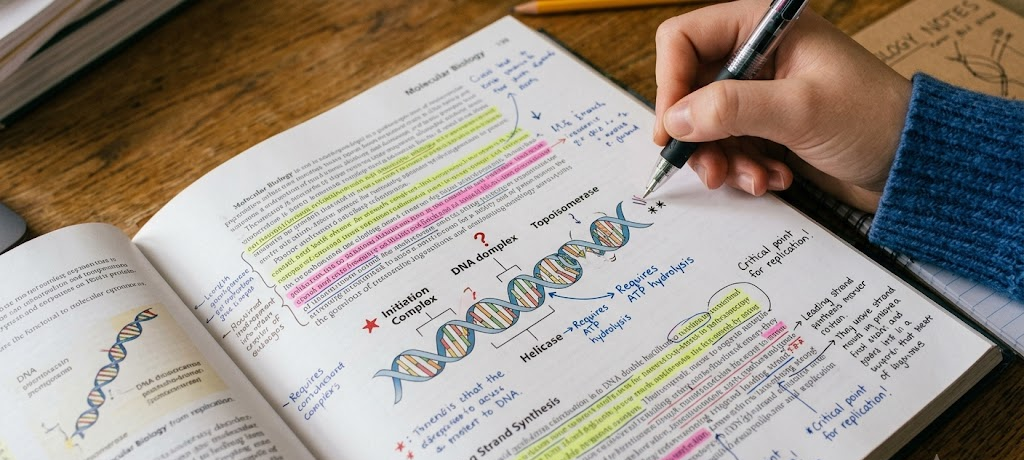
Another which is a great annotation method is the use of symbols issue marks for issues within ideas, five point star for the key concepts, arrow which shows relationships between concepts; it is also a visual approach to which is also helpful in organizing of ideas, which at the same time facilitates finding that which you are looking for easier at a later time. Also into color coding which they can use to put in a definition in green, examples in blue, arguments in red. Annotation is a practice which is not to be done randomly, but instead with purpose which is to focus on what is understood and not on what looks good. When students make this a regular practice, it also increases the level at which they engage the material, it also improves memory of the material, also in which they develop a great tool for revision which in turn also saves them time during exams.
Ways to Increase Reading Speed While Maintaining Comprehension.
Reading rate is a key element in academic success which is due to the fact that students have a large amount of material to cover in a short amount of time. At the same time though performance can not be improved at the expense of comprehension. Also effective is to do away with subvocalization which is the tendency to sound out each word in your head. Although that may seem natural it in fact slows down reading. Instead what we see is that students do better when they learn to take in phrases and ideas as a whole. Also a strategy which works is use of a pointer which may be a finger or a pen to guide the eye and maintain flow. This also reduces regression which is the action of going back and rereading sentences.
Skim and scan which also are very important for speed. Skim helps students to identify the main idea of a text right away, and scan which allows them to find what they are looking for without going through everything. Also we see that the vocabulary that expands vocabulary is very large because we process familiar words better than we do unfamiliar ones. Over time with consistent practice students’ reading speed does in fact go up at the same time they are doing well or better at comprehension. The key is in that balance to read faster yet at the same time still to grasp and retain the meaning.
Strategies to retain information from Textbooks
Retention is a major issue that students face while they are going through academic material. Many students absorb the material and grasp the concepts at hand but then forget it very quickly after. To improve what is retained, we see that spaced repetition is a very effective method which consists of review of info at increasing intervals of time. This practice reinforces long term memory and reduces forgetting. Also a very powerful strategy is to get in the habit of writing out main points in your own words after you read. This in turn causes the brain to process and reorganize the info in a way that is easier for you to recall at a later date.
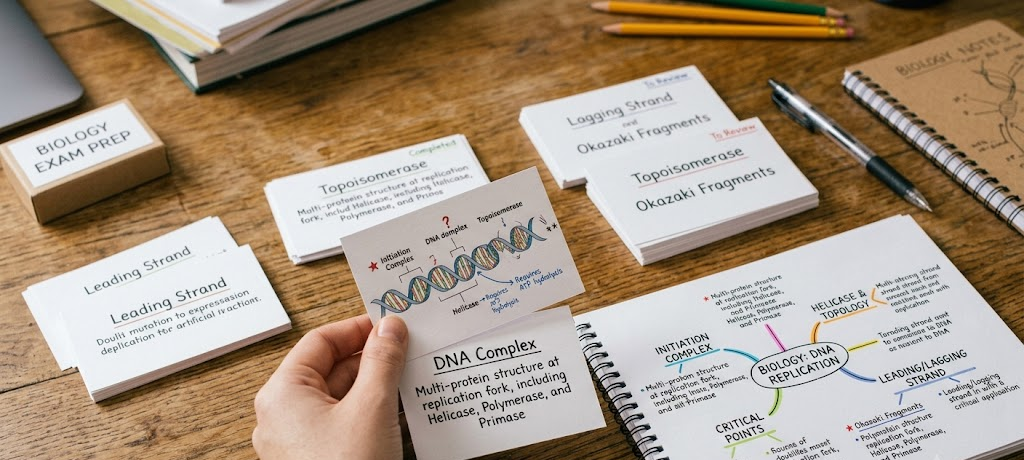
Visualization is a very useful tool for retention. By converting info into mental pictures, graphs, or diagrams what we see and recall improves. For example instead of just studying text, put historical events on a timeline, or break down a scientific process into a flow chart. Also, what is very effective is teaching the material to someone else; as you explain a concept out to another person your own grasp of it grows. Using a mix of these methods, what you learn is not a short term thing but is put into long term memory which in turn makes revision more efficient and reduces exam stress.
Effective Strategies for Academic Success over the Long Term.
Regular review is a key element for strong academic performance which in turn sees what has been learned reinforced and also what is at risk of being forgotten is prevented. Also a very useful review practice is daily revision which has students devote a few minutes to what they looked at that same day. This in turn helps to cement in memory before information is gone. Also we see value in weekly reviews which gives students a chance to go over many topics and to identify what needs work. During review sessions students should put more into practice which is the testing of themselves without the use of notes. This is a much more effective method then passive re reading which only serves to re-expose material without the recall element.
Another key review method is through the use of practice problems and past exams. They help students apply concepts in true test scenarios which in turn identify what they have not learned fully. Also, review of what the student got wrong is very important as it stops the same issues from recurring and also works to fix weak points. Students also put their notes in a structured format for effective study which in large sets is not overwhelming. As review is a routine part of the process students’ confidence grows, recall of info improves, and academic performance is enhanced in the long term.
Building Long-Term Effective Reading Habits
Building out a routine of consistent reading which in turn instills discipline and gradual improvement as opposed to over dramatic changes is what forms the base of long term reading habits. Students may put in a reading plan that works for them which may begin with small blocks of intense reading. As time goes on those sessions may be lengthened as concentration improves. Also it is very important to have an environment free of distractions as constant interruption reduces the quality of what is read and retained. Also setting forth definite goals for each study session like getting through a chapter or outlining main points helps to keep focus and direction.
Another key element is self assessment. Students should put in the practice of evaluating their reading progress by what they think of as their own criteria which may be do they get the material or can they recall main points without help. We also see that which progress they make no matter how minor it is, we should reward that to keep up motivation. Also it is a fact that good reading habits do not develop over night but through repeated practice and intentional effort. When students are dedicated to improving their reading skills, what they are doing is investing in a very long term asset which supports academic success in all subjects and at all levels of education.
Conclusion
Developing effective reading habits is not just about reading more, but about reading with purpose, strategy, and consistency. When students apply techniques such as active reading, annotation, speed improvement strategies, and structured review practices, they move beyond surface-level understanding into deeper academic mastery. These habits help transform reading from a passive activity into an active learning process where information is understood, retained, and applied effectively. Over time, this reduces stress during exams, improves confidence in handling complex topics, and strengthens overall academic performance across all subjects.
Ultimately, strong reading habits are built through patience and continuous practice. No student becomes an efficient reader overnight, but small, consistent improvements lead to significant long-term results. By staying disciplined, setting clear reading goals, and regularly reviewing what has been learned, students develop a powerful academic skill that benefits them far beyond the classroom. Effective reading is not just a study tool—it is a lifelong ability that supports learning, critical thinking, and success in any field of education or career path.