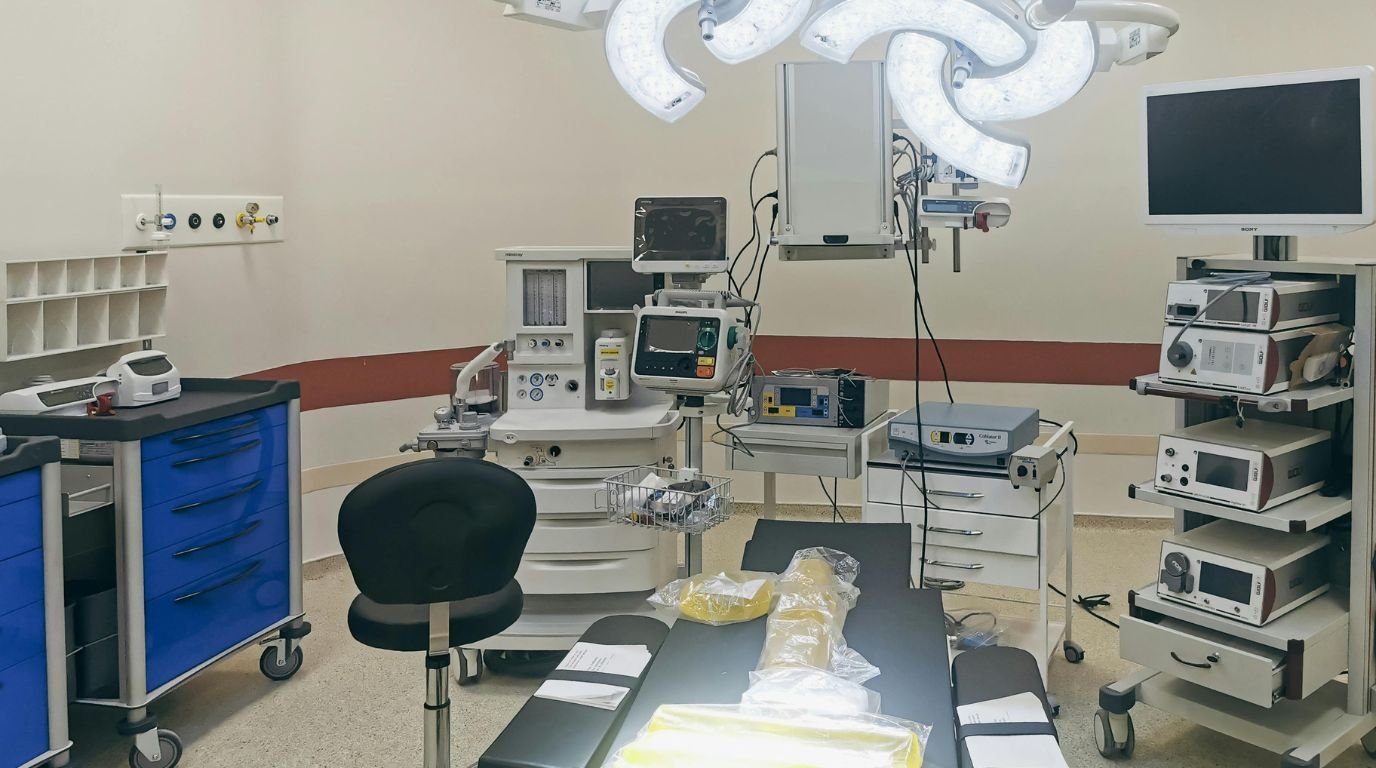
Situations arise in healthcare environments that call for an increase in sterile space that doesn’t justify the construction of a new building. Emergency response, renovation projects within hospitals, disaster recovery operations, or fluctuating patient loads may necessitate additional space while ensuring sterile conditions. Mobile sterile units are solutions for such problems as they allow for fully equipped, sanitary working spaces to be brought to the point of need.
Their flexibility, quick installation, and ability to meet strict infection control standards have made mobile sterile units an important part of modern healthcare infrastructure.
What Are Mobile Sterile Units?
Mobile sterile units are portable medical facilities designed to provide clean and controlled environments for healthcare activities. They can be transported to hospitals, clinics, emergency locations, or remote healthcare centers where sterile conditions are essential.
These might include sterilization equipment, operating room/space, storage rooms or prep areas. All the instruments and supplies used.
Why Are Mobile Sterile Units Important?
Healthcare organizations can’t risk disruption when their sterilization processes are impacted. Outages and interruptions due to remodeling, new construction, and urgent emergencies are resolved quickly and in a manner that ensures continuity of critical patient care by bringing fully functional mobile sterile treatment modules to a site and enabling them to resume sterilized procedures without delay.
They also support healthcare organizations during natural disasters, public health emergencies, and temporary medical camps where permanent infrastructure may not be available.
Common Applications
Mobile sterile units serve a wide range of healthcare environments.
Hospital Renovations
Hospitals use temporary sterile units to continue surgical and sterilization services while permanent facilities are being upgraded.
Emergency Medical Response
Disaster relief teams deploy mobile sterile units to provide safe medical support during emergencies.
Rural Healthcare
Remote communities benefit from portable sterile facilities where permanent healthcare infrastructure is limited.
Military and Field Hospitals
Mobile units support medical teams operating in temporary treatment centers and challenging environments.
Medical Outreach Programs
Healthcare organizations use portable sterile facilities during vaccination campaigns, screening programs, and community health initiatives.
Benefits of Mobile Sterile Units
Rapid Deployment
These units can be installed and made operational much faster than constructing permanent healthcare facilities.
High Infection Control Standards
Modern units are designed to maintain clean environments that support safe patient care and medical procedures.
Flexible Healthcare Support
Facilities can be relocated whenever healthcare demands change.
Cost-Effective Solution
Organizations can expand sterile capacity without investing in permanent infrastructure.
Business Continuity
Hospitals can continue critical healthcare services even during facility upgrades or unexpected disruptions.
Features to Look For
When sourcing a premium mobile sterile unit, ensure it boasts strong ventilation, air filtration systems that remain consistently filtered and controllable, robust and easy to clean interior surfaces, and dependable energy to prevent outages. This level of meticulous detail and care is essential for mobile units, where they operate outside of traditional settings where such elements can be controlled. These can range from on-site COVID testing to mobile surgical suites to research facilities or pharmaceutical manufacturing support.
Many modern units also integrate digital monitoring systems that continuously track temperature, humidity, and air quality to maintain sterile conditions.
Healthcare providers should evaluate capacity, mobility, maintenance requirements, and equipment compatibility before selecting a unit.
Medical innovation is improving healthcare delivery in many ways. For example, Particle Therapy offers highly targeted cancer treatment through advanced radiation technology, while mobile sterile units give healthcare providers flexible, hygienic environments that support safe medical procedures wherever additional sterile capacity is needed.
Challenges and Considerations
Although mobile sterile units offer excellent flexibility, proper planning remains essential.
Before using healthcare services in particular consider the logistics of transportation, supply connections, the necessary number of staff and whether it is complying with all the rules and regulations of health. Ensure that the machines used under service should also undergo timely maintenance and cleaning to secure durable operations.
Working with experienced providers can simplify installation and operational planning.
Future Trends
As new healthcare technology becomes available, mobile sterile units are continuously improving. Smart monitoring gives them current data from environment to control contamination and maintain optimal cleanliness.
Developers are also working on building sustainable system with features like energy-efficient systems, modular designing and environment friendly materials. In the future may add AI enabled features in health buildings like predictive and automate environment management.
As healthcare systems seek greater flexibility and emergency preparedness, mobile sterile units are expected to become an increasingly valuable resource.
Final Thoughts
Whether it’s a major health care provider with constantly changing demands for patient rooms or a remote facility seeking to maximize limited square footage while expanding their treatment capacity, the use of a mobile sterile unit is the smart and accessible answer. Portable, easily manufactured and immediately deployable, as well as offering an effective infection control answer, mobile sterile units will keep contributing positively to the hospital environment, to emergency operations teams and in underserved medical communities going forward.
Author Bio
Lalit Sen is a freelance content writer and digital marketing professional who writes about healthcare technology, medical equipment, business, and emerging innovations. He enjoys creating informative content that explains technical subjects in a clear and practical way for readers across different industries.