Introduction
There have been huge changes in the banking industry due to technology. The one thing that has changed is instant payments. This allows customers to transfer money between accounts via electronic payments in seconds or near real time. This can help customers get their money that much sooner compared to a regular bank transfer that can take hours or days depending on the service, bank and payment type. This has raised customer expectations to a new level and made the transaction easier, accessible and efficient. This has resulted in family members, suppliers and the purchase of goods to be paid out instantly.
Understanding Instant Payment Systems
Instant payments are electronic payment systems that enable customers to transfer money between accounts very quickly. These can be done via digital banking systems which will relay the information between the banks and ensure the payment details are correct and the payment will be processed. There are many systems that enable payments to be made 24 hours a day, including on weekends and public holidays. This could however, depend on network, restrictions and security features. The job of instant payment systems is to minimize any hassle in transferring funds electronically.
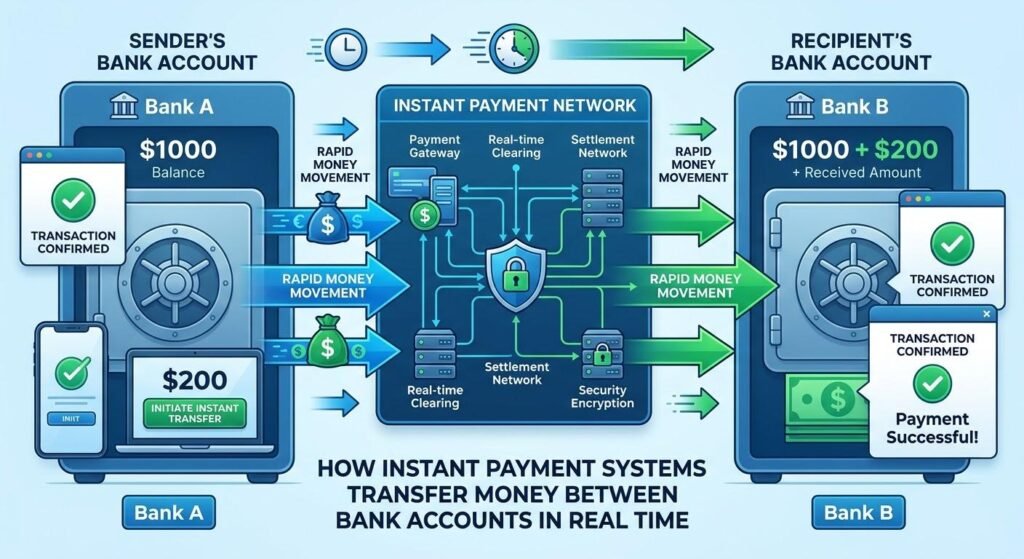
Standard bank transfers may involve delays due to processing times however; instant payments allow customers to get their money quicker. Once the payment is requested and authorized, the recipient will get the money into his account in real time by the payment networks. This may be useful when customers have to make urgent payments. However, not all payments will go through instantly. Some banks may put a delay on payments if they need to verify further information or if there is suspicious activity.
How Instant Payments Work
Instant payments are usually initiated by the customer. This can be through mobile banking apps, online banking, payments apps or other means. After the recipient account information is provided and the amount needed, the customer is able to confirm the payment. The bank will then verify that there are sufficient funds available in the account, the payments information and any security checks. If all of the conditions are fulfilled the payment will be sent through the proper payment network. This will then pass through to the receiver. The parties will be notified of the transaction.
A key feature of instant payments is that they can be used for account to account payments. This means you can transfer money between two bank accounts without using a payment card. These can be used for personal payments, business payments, paying bills and paying merchants. Depending on the payment, they can be initiated via banking apps. Account to account payments can help cut down on certain payment methods and give businesses more opportunities to receive money electronically. This demonstrates how modern payment technology is helping customers make direct payments with ease.
Key Types of Instant Payments
1. Account to Account Payments
These allow customers to transfer money from their bank account to another account. These are commonly used for personal payments, business payments, salary payments and financial settlements. An example would be transferring money to a family member or paying a supplier. These can be done via mobile banking apps, online banking or other payment services. These are becoming increasingly popular as they make electronic payments easy. Customers will need to ensure the account details are correct as once the payment has been processed it may be difficult to reverse. This can cause issues if the money is sent to the wrong account.
2. Mobile Banking Payments
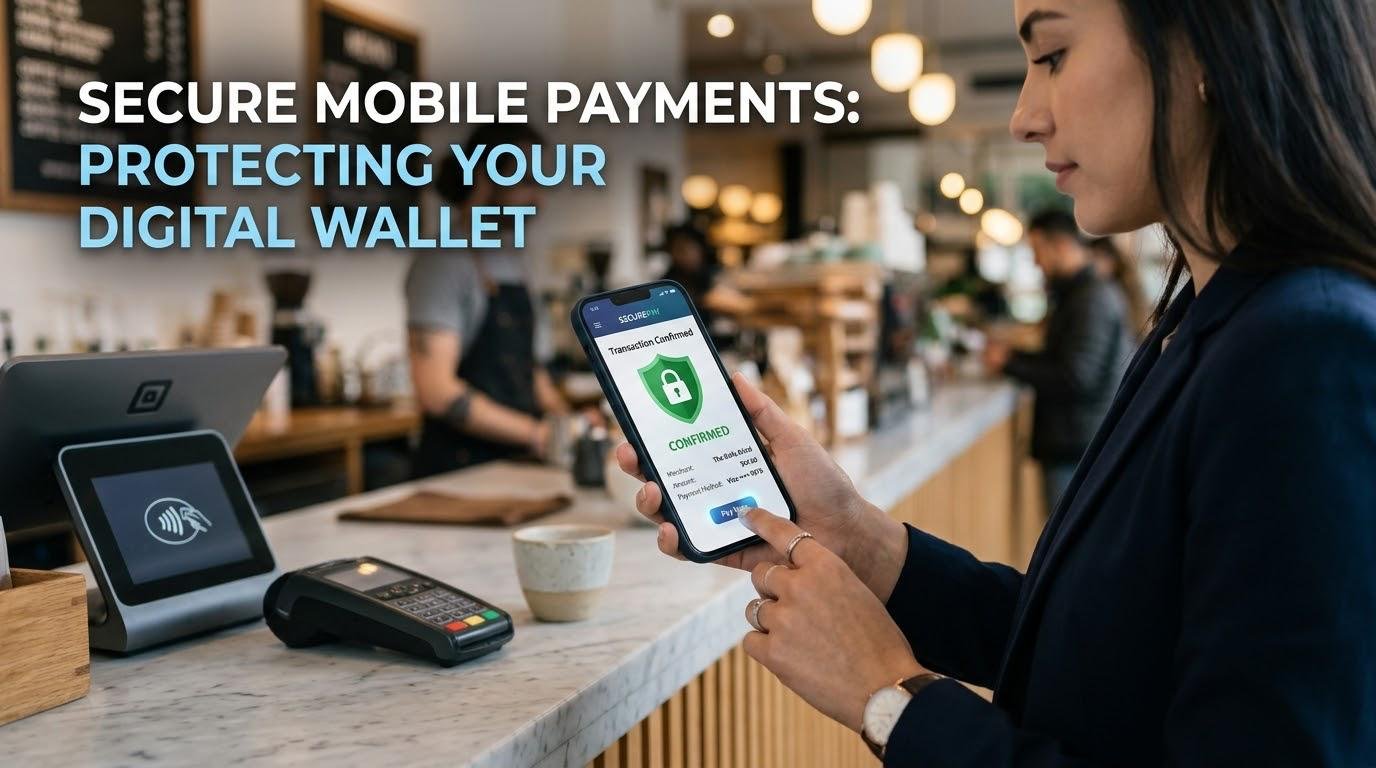
With mobile banking, instant payments can be made easier. Customers can use their smartphone to make payments. This helps with making payments as customers can check their balance, pay bills and view their history via banking apps. Many apps will offer features such as favorite beneficiaries, notifications, biometric security and confirmation of payments. This helps customers to manage their money with less hassle. Mobile payments can be very useful if you need to make payments whilst on the go. However, this depends on your internet connection, app performance and banks being available. Customers will also need to ensure they keep their log in details secure.
3. Peer to Peer Payments
This allows customers to make payments directly to another person. These are commonly used for splitting costs, paying back borrowed money, giving family members money and contributing to group costs. These can be done electronically and will be confirmed shortly after. This makes it easier for customers to make payments in their everyday life. This can be very useful for those who frequently send money to friends, family members or others. These services may link directly to your bank account or use digital wallets. Whilst these are very convenient, you should ensure you know who you’re sending the money to and that the payment details are correct. This can be useful if you’re making payments on the spot.
4. Merchant Payments
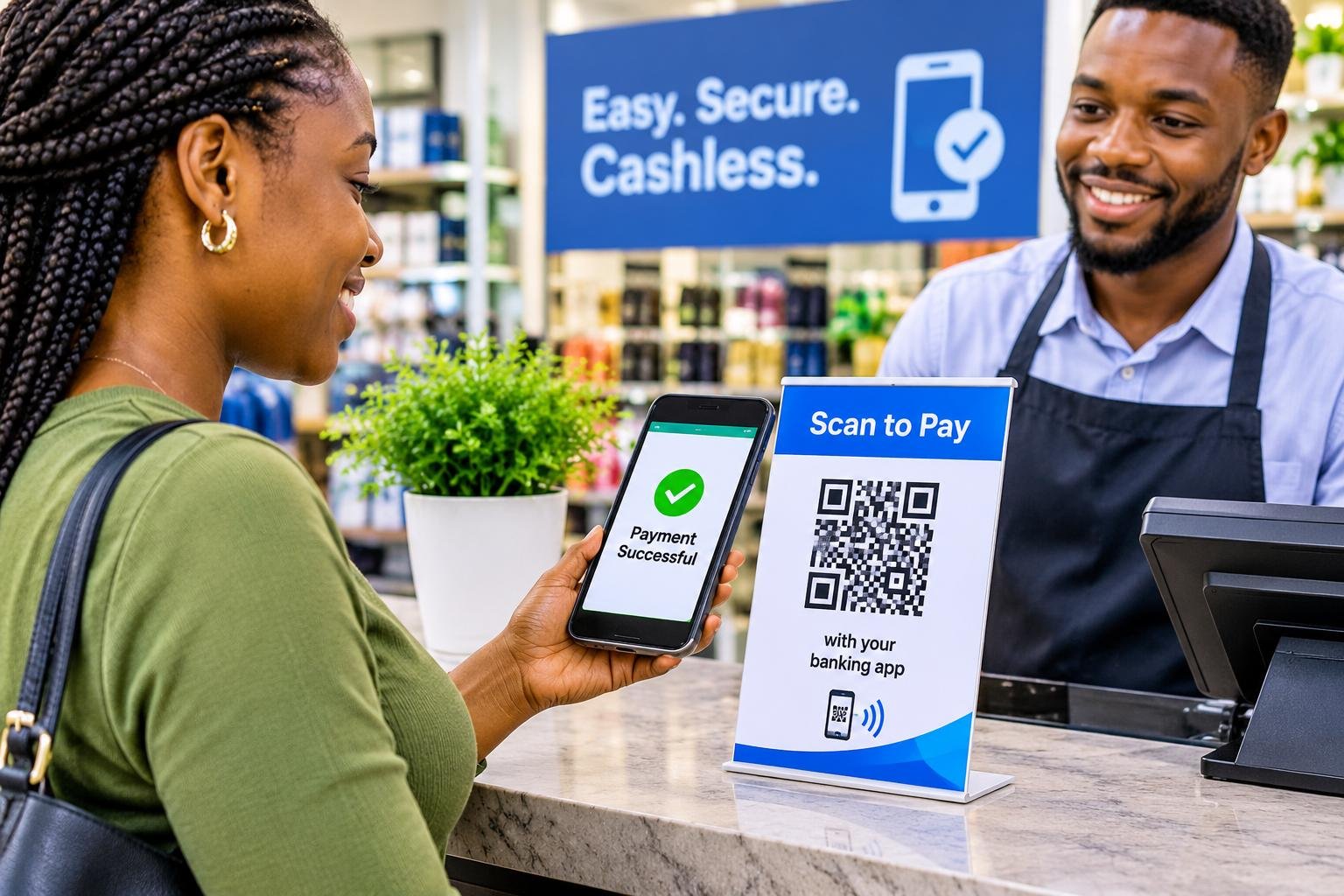
Instant payments have changed the way businesses receive payments from customers and pay their suppliers. Merchants can now take payments electronically via banking apps, payment services, QR codes and other methods. This can help improve the availability of money in a business. If payments can be processed quicker, this can help businesses with less uncertainty. This can be very useful for small businesses, restaurants, online retailers and service providers. However, payments may not be confirmed as quickly by the customer compared to the payment service provider. Businesses should understand what the payment terms are.
National Payment Infrastructures
National payment infrastructures play a key role in enabling instant payments. They provide networks, standards, rules and settlement methods allowing payments to be sent between banking institutions. These may be developed by central banks, payment providers, banks and authorized organizations. Depending on the country, instant payments may be run via centralized systems or connected systems. In Nigeria, the Nigeria Inter-Bank Settlement System (NIBSS) Instant Payment platform can be used to make electronic payments between banking institutions. This helps improve the interoperability between the banks. This means customers can send money between different banking institutions.
National payment infrastructures can help improve the reliability, security and accessibility of electronic payments. They provide technical standards to allow information to be transferred between institutions correctly. A good payment infrastructure can encourage innovation as banks, fintech and authorized payment providers can develop services to link to the current financial networks. This can also help improve financial inclusion by making electronic payments more accessible for those who relied heavily on cash. However, there needs to be ongoing investments into the security, capacity, monitoring and regulation of the payment systems. As there are more transactions, payment providers need to ensure they can handle the high demand.
Benefits of Instant Payments
One of the main benefits of instant payments is the convenience. Customers can make payments, pay bills, buy items and settle personal payments quickly. This can be useful for urgent payments. Instant payments also mean you do not need to carry large amounts of cash. This can make things easier. Customers can also receive notifications of their transactions. This makes it easier to track your money and know your payments have gone through. Those who regularly give money to family members can benefit from quicker electronic payments.
Businesses can benefit from quicker payments. This can improve cash flow. Cash flow refers to the flow of money coming into and going out of an organization. If payments are received quicker, businesses may have more flexibility to pay suppliers, buy stock, pay running costs and manage their short term financial commitments. Instant payments can also help reduce any administration required to track delayed payments. This can be very useful for small and medium sized enterprises as they may not have much money in reserve. Whilst payments cannot completely remove any cash flow issues, they can help reduce delays.
Risks and Challenges of Instant Payments
Despite the benefits, there are risks involved with instant payments. One key issue is making errors. This can happen if you enter incorrect account numbers, select the wrong beneficiary or send the wrong amount. As payments go through quickly, there may not be much time to stop payments once they’ve been authorized. This can cause issues if you send the money to the wrong account. To help avoid this, customers should ensure the name, account number, bank and amount being sent are correct. If there are any options to verify the beneficiary, use these and double check the confirmation screen.
Social engineering can be a large issue. This is where criminals can trick you into authorizing payments. Fraudsters can pretend to be from your bank, government, business partner, friend or family member to make you feel like you need to act quickly. They may send fake notifications, links and messages saying your account will be blocked unless you act quickly. As instant payments are authorized, it can be difficult to reverse payments. This can cause you to lose money very quickly. Never give away your password, pin or one time pin to anyone you don’t know. If you receive any unusual payments, verify them using trusted contact details. If you think you’ve been scammed, speak directly to your bank.
Disputes can occur if you are charged for items not received, incorrect items or you just disagree with the payment. Unlike some card payments, direct payments from your bank may not offer the same chargeback protection. This means it depends on the payment providers policies, regulations and circumstances. The bank may investigate the issue, contact the recipient and follow procedures to try and recover the money. Not all instant payments will be refunded if there is a dispute. Businesses can help reduce any disputes by keeping accurate records, clear payment descriptions, issuing receipts and communicating well with customers. Individuals should keep a reference to their transaction and evidence.
Improving Security
To keep customers confident, financial institutions will use quick processing and security measures. Banks and payment providers will use a range of technologies to detect suspicious activity, verify users and reduce the chance of unauthorized payments. This could include biometrics, monitoring, encryption, device recognition and extra verification for unusual payments. Some institutions will use
automated systems to detect any patterns that may indicate fraudulent activity, this can help improve the security of payments. However, customers should understand that no system can prevent all fraudulent payments. Financial institutions should provide clear guidance on how to make secure payments, respond to fraud quickly and keep their customers informed.
Customers should also take care when using instant payments. Ensure you double check the account details, amount and that the payment is from a genuine source. Avoid clicking any suspicious links, downloading unknown apps and giving away any confidential banking information. Keep your banking apps up to date and use strong verification methods. Businesses should create a system for approving payments. This can be useful if you’re making large payments or payments to new suppliers. Whilst this may take a little longer, it can help reduce any mistakes.
The Future of Instant Payments
Instant payments are likely to be more integrated with banks, fintech, digital wallets and national payment infrastructures. With more integrated payment networks, individuals and businesses may benefit from quicker payments between different institutions and some may even be able to make international payments. New innovations in API, AI, digital verification and automated systems can help improve payments. Businesses may also start using instant payments to automatically pay their suppliers, collect payments and improve financial reconciliation. However, to expand these services there will need to be consistent standards, correct regulations, strong security and collaboration between financial institutions. The goal should be to make money move quicker but also ensure payments are reliable, transparent and secure.
Conclusion
Instant payments are changing banking by making electronic payments quicker, easier and more accessible. Customers can make many payments via account to account payments, mobile banking apps, peer to peer and merchant payments in seconds or near real time. National payment infrastructures help with this by linking the institutions together and providing systems to make electronic payments efficient. This can help improve cash flow for businesses, make personal payments easier and reduce reliance on cash payments. However, errors, social engineering and disputes can be an issue. As more customers use instant payments, financial institutions and customers should focus on keeping payments secure, verifying payments and making sure payments are done responsibly.
Get more well researched information about Instant payments here.