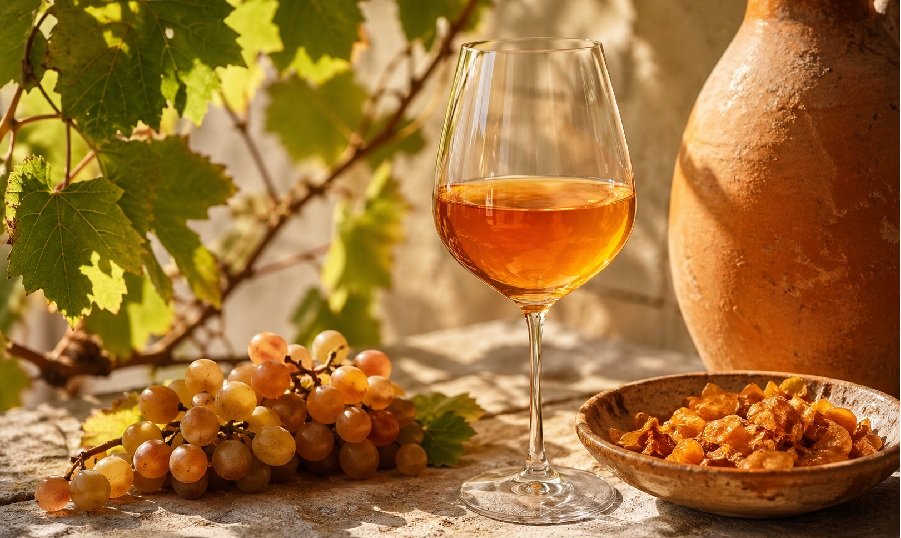
This comprehensive guide explores the fascinating world of skin-contact white wines, providing enthusiasts with the knowledge needed to navigate this ancient yet modern category.
Table of Contents
1. Understanding the Essence of Orange Wine
2. The Ancient History and Modern Revival
3. The Science of Skin Contact and Maceration
4. Regional Profiles and Iconic Terroirs
5. Tasting Profiles and Common Flavor Characteristics
6. Mastering Food Pairings with Amber Liquids
7. Serving and Storage Best Practices
8. Navigating the Future of Natural Wine
Understanding the Essence of Orange Wine
Orange wine is often misunderstood as a product made from citrus fruit, but in reality, it is a white wine made using red wine techniques. To understand orange wine, one must first look at the fundamental differences in winemaking processes. While standard white wine is produced by pressing grapes and quickly removing the skins to preserve clarity and brightness, orange wine allows the juice to remain in contact with the grape skins for days, weeks, or even months.
This process is why many professionals prefer the term skin-contact white wine. The skins contain tannins, phenols, and pigment, which are normally absent in white wines. When these elements bleed into the juice, they create a spectrum of colors ranging from pale gold and amber to deep copper or rust. Because of this structural complexity, orange wine occupies a unique space between white and red wine, offering the acidity of a white with the texture and body of a light red.
When exploring this category for the first time, many enthusiasts turn to specialized retailers like Forest Wine to find curated selections that represent the true potential of these bottles. The category is broad, encompassing everything from light, floral infusions to intense, tannic beverages that require significant aeration.
The Significance of the Name
The term orange wine was actually coined relatively recently, in 2004, by a British wine importer. Before this, these wines were simply referred to as amber wines in places like Georgia or simply as skin-contact whites in Italy and Slovenia. The naming reflects the visual strikingness of the wine, though it can sometimes be misleading for those expecting a fruity, orange-like flavor profile. Instead, the name serves as a shorthand for a specific structural approach to viticulture that prioritizes texture over transparency.
The Ancient History and Modern Revival
The story of orange wine begins thousands of years ago in the Caucasus region, specifically in what is now the country of Georgia. For over eight millennia, Georgian winemakers have used large clay vessels called Qvevri to ferment and age wine. These vessels are buried underground to maintain a consistent temperature. Whole clusters of white grapes, including skins, seeds, and sometimes stems, are tossed into the Qvevri and left to macerate.
This ancient tradition was nearly lost during the industrialization of the twentieth century, which favored clean, filtered, and chemically stabilized white wines. However, a small group of visionary winemakers in the Friuli-Venezia Giulia region of Italy and across the border in Slovenia sparked a revolution in the 1990s. Figures like Josko Gravner and Stanko Radikon looked back to ancient methods to create wines with more soul and character.
By reintroducing long maceration periods and using amphorae or old oak barrels, they created a movement that challenged the global palate. Today, this revival has spread to every corner of the globe. You can now find exceptional examples of this style at Forest Wine, showcasing how modern winemakers from California to Australia are adopting these ancient Georgian principles to express their own unique soil and climate.
The Science of Skin Contact and Maceration
The defining characteristic of orange wine is maceration. This is the period during which the grape juice stays in contact with the solids. During this phase, several chemical reactions occur that define the final product.
1. Tannin Extraction: Tannins are polyphenols found in skins and seeds. They provide the drying sensation on the tongue and give the wine its structure.
2. Anthocyanin Release: While white grapes have very low levels of these pigments compared to red grapes, prolonged contact still extracts enough color to turn the liquid amber.
3. Oxidative Protection: Interestingly, the tannins extracted from the skins act as natural antioxidants. This often allows winemakers to use little to no added sulfur, making orange wine a staple of the natural wine movement.
4. Flavor Precursors: Many aromatic compounds are trapped in the skins of grapes. Maceration releases these, leading to complex notes of dried fruits, nuts, and resin.
The duration of skin contact varies wildly. A short maceration of three to five days might produce a wine that looks like a slightly dark Pinot Grigio with a hint of grip. A long maceration of six months results in a deep bronze liquid with intense tannic structure similar to a Cabernet Sauvignon.
Regional Profiles and Iconic Terroirs
While orange wine is made globally, certain regions have become synonymous with high-quality skin-contact whites. Understanding these regions helps consumers predict the style of wine they are purchasing.
Georgia: The Cradle of Wine
In Georgia, the focus is on indigenous varieties like Rkatsiteli and Mtsvane. These wines are typically fermented in Qvevri and are known for their high tannins and deep, earthy flavors. They often exhibit notes of walnuts, dried apricots, and black tea.
Italy and Slovenia: The Borderland Revolution
The Oslavia region in Italy and the Brda region in Slovenia are the epicenters of the modern orange wine movement. Using grapes like Ribolla Gialla and Friulano, these winemakers produce elegant, complex wines. Discovering Orange Wine: A Beginner’s Guide to Skin-Contact Whites at Forest Wine often involves starting with these Italian classics, as they bridge the gap between traditional winemaking and the avant-garde.
The New World: Innovation and Experimentation
Winemakers in Oregon, South Africa, and Australia are taking a more experimental approach. They often use aromatic varieties like Gewürztraminer or Muscat, leading to wines that smell incredibly sweet and floral but taste bone-dry and grippy. These are often the most approachable for beginners due to their vibrant fruit profiles.
Tasting Profiles and Common Flavor Characteristics
Tasting an orange wine for the first time can be a polarizing experience because the flavors are so different from traditional whites. The primary fruit notes are often bruised or dried rather than fresh. You might encounter flavors such as:
1. Dried orange peel and bergamot.
2. Apricot jam and sourdough bread.
3. Roasted hazelnuts and almonds.
4. Honeycomb and beeswax.
5. Dried herbs like sage or hay.
The texture is perhaps the most important element. Unlike the smooth, watery texture of a standard Sauvignon Blanc, orange wine has a physical presence. It can feel furry, chalky, or velvety on the palate. This is the result of the tannins. High-quality examples found at Forest Wine will balance this tannin with high acidity, ensuring the wine remains refreshing despite its weight.
Mastering Food Pairings with Amber Liquids
One of the greatest strengths of orange wine is its versatility at the dinner table. Because it possesses the acidity of white wine and the structure of red wine, it can pair with dishes that typically clash with other wines.
Bold and Spicy Cuisines
Orange wine is arguably the best companion for spicy foods. The tannins and body can stand up to the heat of Sichuan peppercorns, Thai curries, or Moroccan tagines. The dried fruit notes complement the spices without being overwhelmed.
Fermented and Funky Flavors
Since many orange wines undergo a natural fermentation process, they pair beautifully with fermented foods. Consider serving a skin-contact white with:
1. Kimchi and pickled vegetables.
2. Aged hard cheeses like Comté or Pecorino.
3. Charcuterie and cured meats.
4. Sourdough bread with cultured butter.
Umami-Rich Dishes
Dishes high in umami, such as roasted mushrooms, soy-glazed proteins, or miso-based soups, find a perfect partner in the savory, earthy profile of amber wines. The wine enhances the savory depth of the food rather than masking it.
Serving and Storage Best Practices
To get the most out of a bottle from Forest Wine, one must pay attention to serving temperatures and glassware. Treating an orange wine like a standard chilled white is a common mistake that can mute its complex aromas and make the tannins feel harsh.
1. Temperature: Serve orange wine slightly warmer than a standard white. Ideally, aim for 10 to 14 degrees Celsius (50 to 57 degrees Fahrenheit). This allows the bouquet to open up and the tannins to soften.
2. Glassware: Use a large-bowled glass, similar to what you would use for Red Burgundy or Chardonnay. The increased surface area helps the wine breathe.
3. Decanting: Many orange wines, especially those made with minimal intervention, benefit from decanting. Pouring the wine into a carafe thirty minutes before serving can help dissipate any reduction and allow the fruit flavors to shine.
4. Storage: Like all fine wines, store these bottles in a cool, dark place with a consistent temperature. Because of their natural tannin content, many orange wines have excellent aging potential and will develop more honeyed, nutty characteristics over five to ten years.
Navigating the Future of Natural Wine
The rise of orange wine is inextricably linked to the broader natural wine movement. As consumers become more conscious of what they put into their bodies, the demand for wines made without synthetic chemicals or heavy processing has skyrocketed. Orange wine fits this ethos perfectly, as the skin-contact method is inherently a more natural way of preserving wine.
We are seeing a shift where these wines are moving from the fringes of niche wine bars into the mainstream. Sommeliers around the world are embracing them for their ability to bridge gaps in tasting menus, and winemakers are continuing to refine their techniques to produce cleaner, more precise expressions of skin-contact fruit.
Whether you are a seasoned collector or a curious novice, the world of amber wine offers an endless journey of discovery. By stepping outside the binary of red and white, you open up a third category of flavor that is as historically significant as it is modernly relevant. The next time you find yourself browsing a selection, look for a bottle that speaks to its origin, and prepare to experience white grapes in a completely new light.
