Mold Removal is an essential part of maintaining a clean, healthy, and safe home. Cleaning and maintaining a healthy home goes beyond dusting and vacuuming. Mold and mildew are a constant issue that grow easily in moist, poorly ventilated rooms like bathrooms, ceilings and walls. If left untreated, they can cause property damage, allergies and respiratory problems. This article will discuss safe and effective ways to remove mold and mildew, as well as ways to prevent the growth of mold and mildew in the future.
Mold and mildew are not only an eyesore, but an indicator that there is a more serious moisture and ventilation problem in the house. Homeowners can learn how to detect, clean, and prevent them and keep their homes safe and healthy. It will go through the actual process of cleaning walls, bathrooms and ceilings, along with some preventive measures and when to call in professionals.
Understanding Mold and Mildew
Mold and Mildew are two different problems. Mold and Mildew are two distinct issues. Molds and mildews are fungi that grow in wet areas. Mildew is likely to be powdery white or gray, whereas mold is likely to be fuzzy or slimy and in colors such as green, black, or brown. Both prefer to grow in high humidity, poor ventilation and areas with water leaks. The distinction is critical because mold will go deeper into the surface and be more difficult to remove, whereas mildew will be found on the surface and easier to remove.
In addition to the visual appeal, mold and mildew can also have an impact on health. They shed spores into the air that lead to allergic reactions, asthma attacks and other respiratory issues. Long-term exposure can even lower the immune system. Once homeowners know what they are, they can take steps to remove them safely and effectively and help prevent them from coming back.
Causes of Mold and Mildew Growth
Mold and mildew are a result of moisture. The bathrooms, kitchens and basements are especially susceptible due to water usage and condensation. Other hidden damp areas where mold can grow are caused by leaking pipes, roof damage, or inadequate insulation. Problems are aggravated by everyday activities, such as cooking or showering without air exchange.
Humidity and temperature is also important. Fungi grow faster in warm and humid climates, and slower in cooler and dry climates. That is why the occurrence of mold is more prevalent in tropical areas or during rainy season. If these causes can be identified, the homeowner can deal with the root of the problem instead of merely cleaning up the growth.
Safe Cleaning Methods for Walls
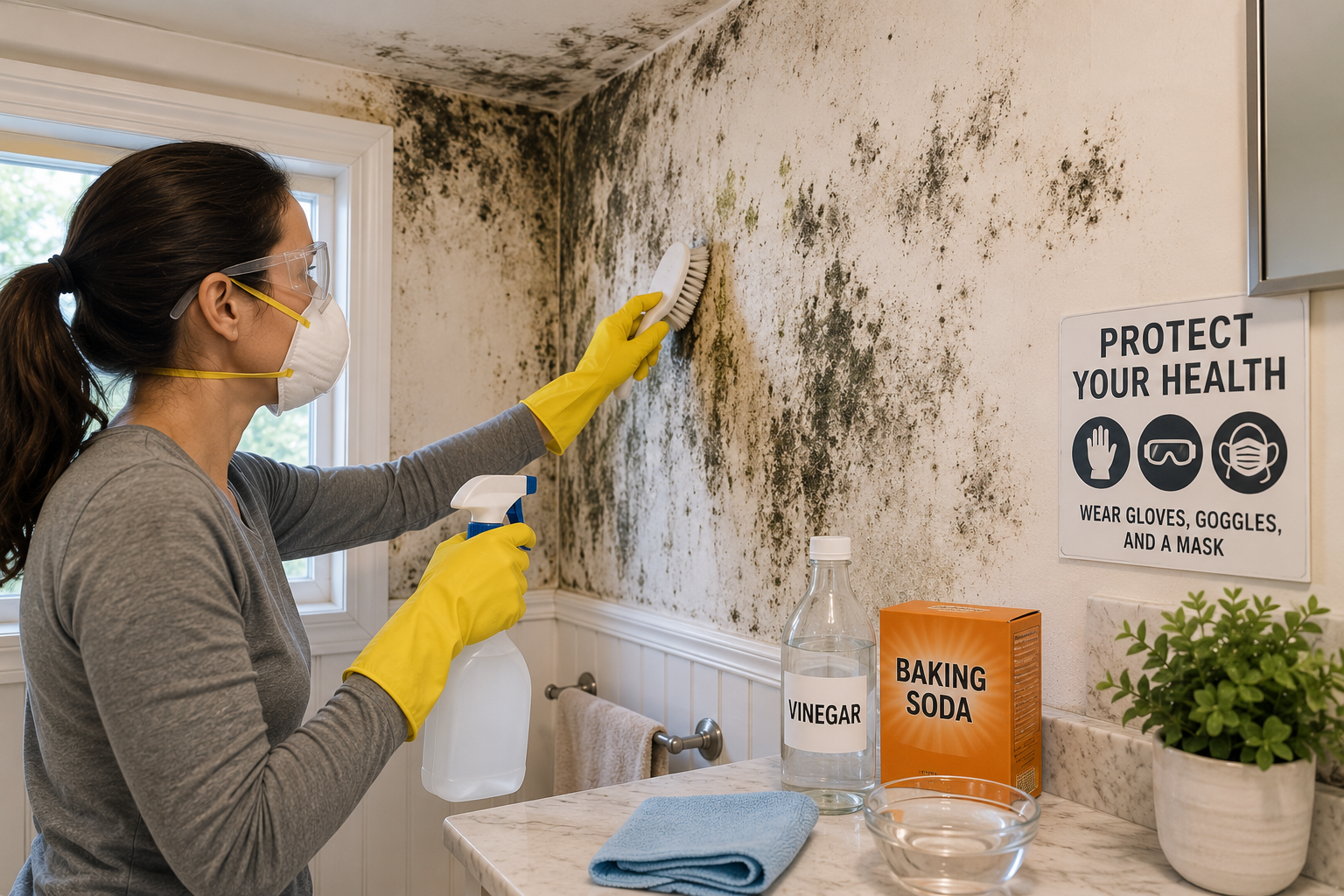
The safe cleaning methods for the walls are as follows: The places where mold and mildew are likely to occur are common surfaces, such as corners or by the windows. When cleaning them safely, wear protective clothing, including gloves, goggles and a mask to prevent inhaling spores. Apply a gentle detergent such as dish soap and water to small spots. Diluted vinegar or hydrogen peroxide is good for more stubborn stains, as it doesn’t add damaging chemicals to the mix.
Wipe the affected area with a sponge or soft brush; wash in crevices. Clean, rinse with clean water and dry completely. Do not use bleach on painted walls, as it can ruin the paint and emit strong fumes. After the area has dried, you might want to apply a mold-resistant primer or paint to decrease the likelihood of regrowth. Frequent wall checks, particularly in wet areas, help to catch any issues early and make them easier to remove.
Removing Mold from Bathrooms
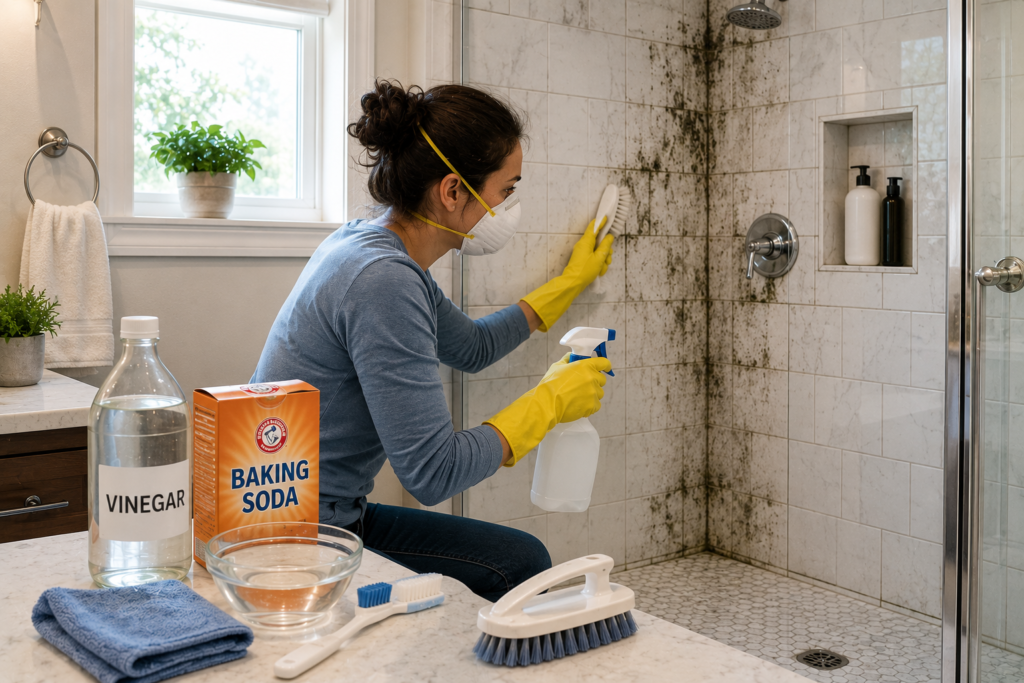
Removing mold from bathrooms can be a challenging task. Bathroom mold removal is a difficult process. The constant steaminess, moisture and dampness from toilets, sinks and showers make bathrooms notorious for the formation of mold and mildew. Tiles, grout and caulking are especially susceptible. Use vinegar or baking soda solution to clean these surfaces. Brush the mixture on to affected areas and clean with a toothbrush or grout brush. Hydrogen peroxide may be used directly on stubborn stains on grout lines.
One of the most important elements for preventing bathroom mold is ventilation. Use exhaust fan or open windows during and after showers to lower humidity levels. Cleaning wet surfaces with a wipe after use helps, too. If mold has intruded into caulking or silicone seals, it will be necessary to remove and replace all of the seals. Bathrooms are less favourable to become moulded and mildew when they are cleaned regularly and the moisture can be controlled.
How to Clean Up Mold on the Ceiling
A mold often forms in ceilings because of roof leaks, condensation or lack of insulation. They need to be cleaned carefully, because spores may drop when they are being cleaned. First, put plastic sheets over floors, furniture and the like. Dip a spray bottle in a vinegar solution and spray on affected area, then gently wipe with a sponge. If the ceiling has texture, do not scrub too much since this can damage the texture.
When the mold is present over a significant area of a ceiling, or when it persists in reoccurrence, it could be a more serious problem, like damage to the roof or poor ventilation. If these are found, it is recommended to call in a professional inspection. When cleaned, mold resistant paint can be used to protect for a long time. Frequently inspect ceilings, particularly in bathrooms and kitchens to detect mold at an early stage before it proliferates.
Solutions for Stopping the Growth of Future Mold and Mildew
As important as removal, prevention. Regulating moisture levels is the best plan. Keep the rooms with high humidity levels dehumidified, fix any water leaks right away and make sure to ventilate the house. Insulating walls and ceilings can help to minimize condensation and regular cleaning can help to stop spores settling.
However, the habits people have at home also have an impact. Don’t leave damp towels or clothes in the house and mop up spills right away. In addition to renovating with materials that are mould resistant, such as treated wood or moisture-resistant drywall, there is also an extra layer of protection. With the preventive measures and regular check-ups, homeowners can create a healthier home environment and prevent damage to their properties.
To Know When to Find Professional Assistance
If there are small amounts of mold, you can deal with them on your own, however, if it is a lot, you need to call professionals to help you. Expert advice should be sought if the mold extends beyond 10 square feet and/or has reached the structural materials or is associated with water damage. Mold removal by professional services involves using specialized equipment to safely remove mold and fix the source of the problem.
Also, people who have a respiratory disease, allergies or weak immune systems should not be exposed directly to mold. In these cases, it’s important to know that professional removal will guarantee safety and complete removal. When to ask for help reduces health risk and helps to create solutions for the long-term, not quick fixes.
Conclusion

Mold and mildew are a common problem in the home, but can be safely eliminated with the proper knowledge and techniques. Homeowners can safeguard their health and property by cleaning walls, bathrooms and ceilings as well as taking preventative measures. The secret is addressing any moisture problems, allowing ventilation and taking action if mold starts to grow. Safe cleaning practices along with preventive measures can help the household to have a cleaner, healthier living environment without mold and mildew.
The long-term aspect is also crucial. Preventing mold is not a single task, but a continuous process for dry and well-ventilled home. When the mold/mildew problem is fixed, it does not cause it to get worse again with regular inspections, prompt repairs and sensible habits. Being proactive will help homeowners establish a safe home for well-being and longevity to the home.