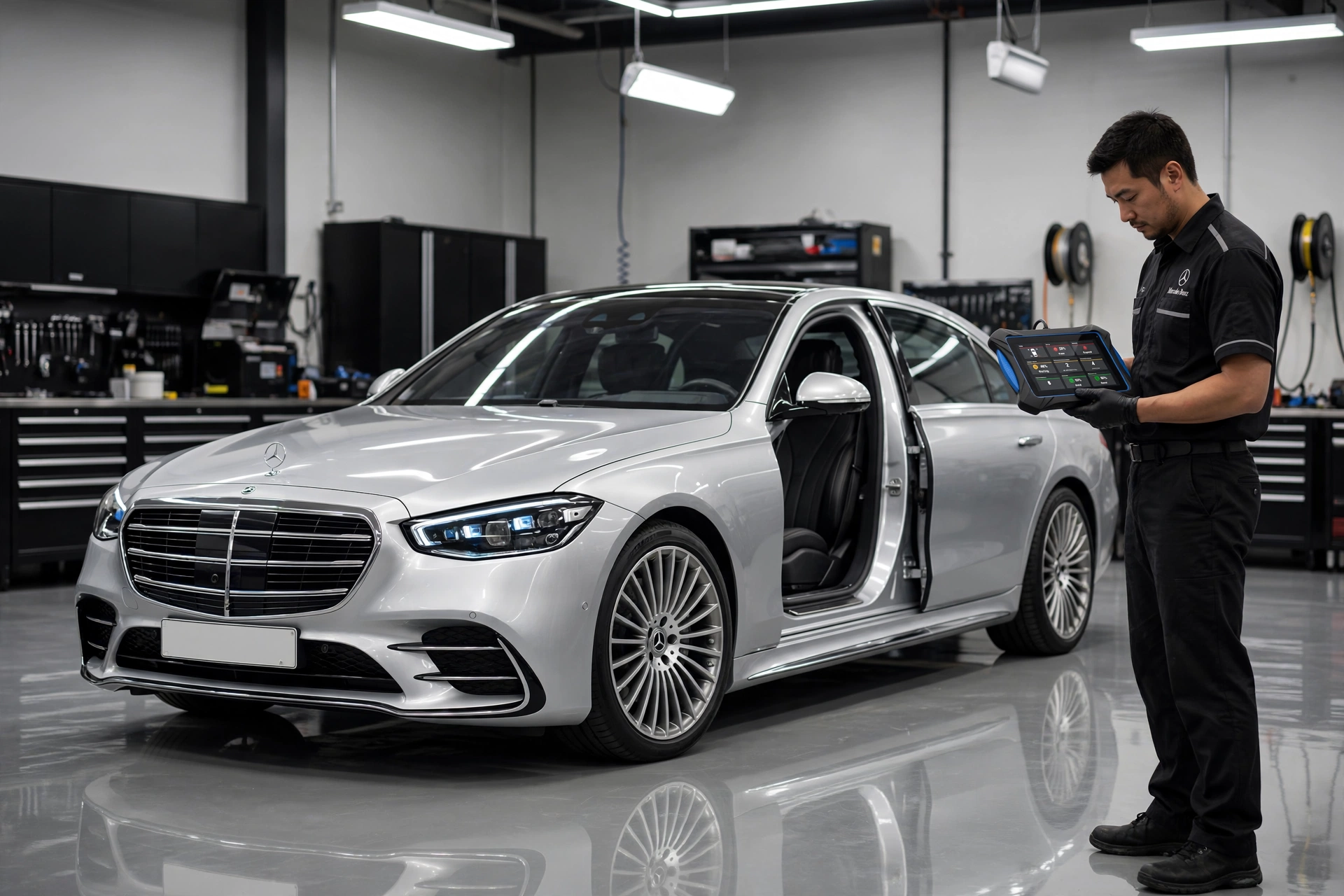
Mercedes-Benz Common Problems and Fixes: The Mercedes-Benz brand is synonymous with luxury, cutting-edge technology, sophisticated driving dynamics and luxury comfort. Like all complicated modern automobiles, however, they can have issues as they grow old and start to build mileage. Many of these advanced features such as sophisticated electronics, turbocharged engines, automatic transmissions, air suspension and advanced comfort systems can make repairs more costly than that of simpler cars. Fortunately, there are many common issues that can be effectively addressed if they are identified early, and a regular maintenance schedule is adhered to by owners.
A number of factors can affect long-term reliability such as the model, engine, mileage, age, driving conditions and maintenance record. A clean Mercedes-Benz will serve you for many years and will become very cost-intensive if it is not so maintained. By knowing the most common issues, owners of a 1996-2002 BMW can prepare for repairs, catch potential issues early, and minimize the chances of big problems.
Understanding the Most Frequently Reported Mercedes-Benz Issues
Whether you are searching for the most frequent problems faced by Mercedes-Benz, this list will help you figure them out.
Common Mercedes-Benz repairs include mechanical wear and tear, oil leaks, cooling system problems, transmissions and air suspension problems, and electrical issues. But the actual issues are different for each model and even generation. For instance, an older C-Class can have a different set of common issues when compared to a newer GLE, S-Class or hybrid.
Therefore, the maintenance history of Mercedes-Benz cars should be taken into consideration when deciding to purchase a car instead of the general opinions about the brand. Don’t ignore any small signs, just because the car still runs! The disadvantage of not diagnosing early is that there can be secondary damage, and often less expensive to diagnose the issue early than to repair a major issue later. The owners who are interested in knowing about the most frequently reported Mercedes-Benz issues can also check out the same before they buy or maintain a Mercedes-Benz.
Electrical Problems and Electronic Failures
Due to the large number of control modules, sensors, and electronics in modern Mercedes-Benz cars, electrical problems are frequently a worry. Issues can involve battery drain, warning lights, faulty sensors, power window problems, central-locking problems, infotainment glitches and power-dashboard warning lights that pop on and off. Several seemingly unrelated symptoms can occur at once due to a weak battery, failing alternator, damaged wiring or poor electrical connections.
The importance of accurately diagnosing is because if parts are being changed for no reason, it can become a costly process. The battery, charging system, wiring, fuses and related control modules should be tested by a technician. The cost of a battery replacement ranges from $150 to $400 and an alternator repair could be anywhere from $500 to over $1500. Owners should check the batteries if they are old and replace them as needed, or if the warning lights are frequent or the car won’t start, investigate the issue prior to leaving the car stranded.
Oil Leaks and Engine Sealing Problems

Engine seals and gaskets tend to wear out over time, resulting in an increase in oil leaks. Valve covers, oil filter housings, oil pans and other points on the engine may be common leak locations. The leak can cause only a little residue, but over time it can reduce the oil level, resulting in a possibility of major damage to the engine’s internal components.
Repair cost will depend on the location of the leak. The cost of a relatively simple gasket repair is about $300 to $800, while those that are difficult to reach can cost $1,500 or more. Get the right specification oil and take care of the oil level to ensure the protection of the engine. Owners should also look for burning oil odors, oil stains or fresh oil around the engine but don’t wait until the issue is serious to seek diagnosis.
Air Suspension Failure
Air suspension, for example AIRMATIC, offers a very luxurious ride, but can be costly to repair as many of the components will wear out. There are a number of potential problems with air springs, compressors, valves, sensors, and air lines. If the vehicle sinks after parking, sits unevenly or has an air leak or other system failure, it will require repair.
The costs involved in repairs vary, from about $500 for smaller repairs to several thousand dollars if more components must be replaced. The largest error owners can make is driving with a leaking air spring for extended periods of time. The compressor might have to work more to keep the proper ride height, thereby damaging more. If the ride height comes back up, it will be necessary to check it immediately, as any repetition of such change is an indicator of the problem.
Transmission Problems and Shifting Issues
While Mercedes-Benz transmission systems are meant to perform efficiently and smoothly, they can suffer issues due to failure to change the fluid or from wear. Some of the warning signs are rough shifting, delay in engaging, slipping, hesitation, strange sounds or difficulty in gear selection.
The cost of a transmission service is roughly $250 to $600, or several thousand dollars for more complex valve-body, mechatronic or internal transmission repairs. Owners should adhere to the proper transmission fluid service interval and use the proper specification. Early indication of shifting issues will result in more wear and heat loss which may result in a major transmission failure.
Cooling-System and Overheating Problems
Cooling system issues may include cooling fans, expansion tank, hoses, radiators, thermostats and water pumps. If an adequate amount of coolant is lost, a small leak can rapidly deteriorate into a critical situation. Symptoms range from increasing engine temperature, odors from the cooling system, coolant visible leak, to frequent leaking of the cooling system.
Smaller cooling system repairs can run $200 to $500, and more extensive repairs, such as the repair of the water pump or radiator, can be more than $1,000. Do not drive a car that is running hot in any way—the heat can cause serious damage to the car’s engine. These are all things that may be done on a regular basis to ensure that major failures are avoided, such as regular inspections, ensuring proper coolant, and replacing worn hoses and cooling components on a regular basis.
Brake, Steering, and Suspension Wear
Aside from brake pads and rotors, other components like the control arms, bushings, ball joints, tie rods, wheel bearings or shock absorbers may also need replacing over time for Mercedes-Benz owners. Symptoms are vibration, clunking noises, uneven tire wear, steering looseness and loss of ride comfort.
The cost of brake repair depends on the model, parts used, and varies from about $400 to over $1500 per axle. The cost of suspension repair can also vary from a couple of hundred dollars to several thousand dollars. Keeping tires properly inflated, routinely checking the suspension and steering clear of hard impacts on potholes will help minimize wear and tear.
How Much Should Mercedes-Benz Owners Budget for Repairs?
The price of the Mercedes-Benz repair will depend on the age of the vehicle, mileage, type of model and the condition of the vehicle. The cost of smaller repairs, such as batteries, sensors, hoses and basic maintenance, could be a couple of hundred dollars. Repair costs can be several thousand dollars for more complex repairs such as transmission repairs, air suspension repairs, advanced electronics repairs, turbocharger repairs or major engine repairs.
Owners should therefore have a contingency repair fund so that they are not taken aback by unexpected repairs each year, and are prepared for something more severe. Preventive maintenance is typically a less-costly option than dealing with a failure. It is also advisable for prospective buyers to get a professional pre-purchase inspection. This can show up oil leaks, stored fault codes, suspension issues, cooling-system problems and other issues that can’t be seen during a quick test drive.
Preventive Maintenance Tips for Long-Term Reliability
This is the most effective method for enhancing Mercedes-Benz reliability; by adhering to a maintenance plan for the model and engine in question. Replace oil, filters, transmission fluid, brake fluid, coolant and other service items to the proper specifications. Closer monitoring of the vehicles may be warranted than in those vehicles that are operated primarily for longer trips on highways.
Owners should also have a detailed record of the service history done on their plants and react promptly to warning signs. Any strange sounds, warning lights, fluid leakages, difficult shifting, changes in ride height or repeated electrical issues should be addressed immediately. A reputable Mercedes-Benz specialist might also be helpful, as they will have a more in-depth understanding of issues that are bound to occur in the model and the various diagnostic systems that Mercedes-Benz employs.
Is a Mercedes-Benz Reliable for Long-Term Ownership?
When buying a Mercedes-Benz with a good service record and maintaining it appropriately, it can be a dependable long-term car. The reliability is more related to the maintenance of the vehicle than the badge. Older Mercedes-Benz cars, if well maintained, can prove to be a better deal than neglected, newer cars.
The biggest hurdle is that deferred maintenance can cost you a lot of money. If there is a small oil leak, it will exacerbate the problem; if a weak battery is used, there can be several electrical faults; if the air spring leaks, the compressor can be ruined. However, an owner who takes quick, consistent care will be more likely to reap the comfort, performance and advanced engineering of the vehicle for many years.
Conclusion: Managing Common Mercedes-Benz Problems
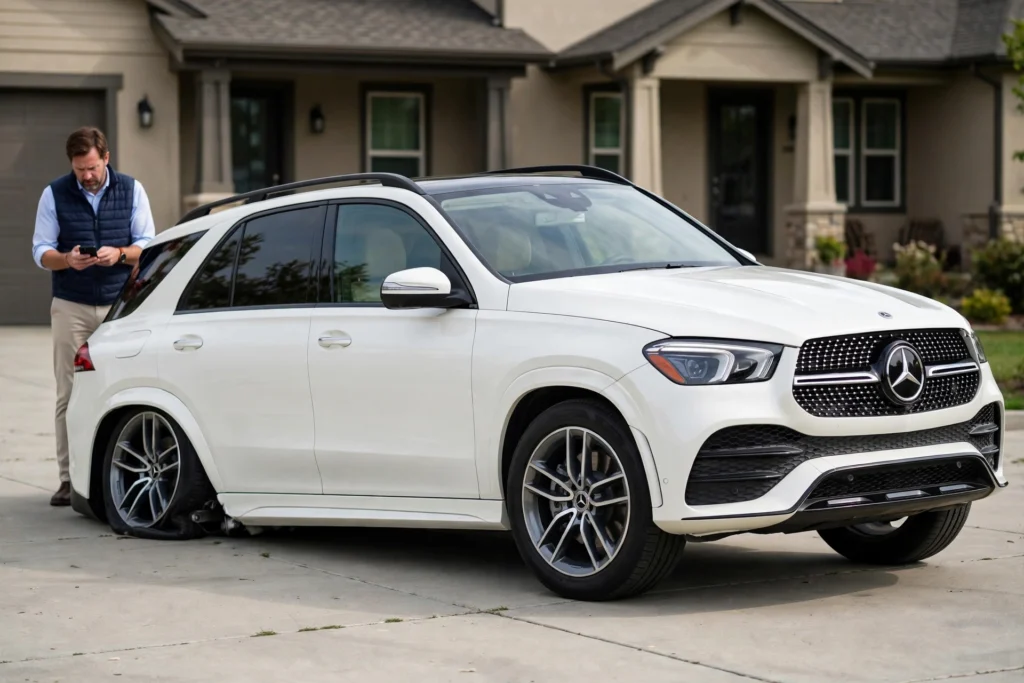
While Mercedes-Benz cars are known for their luxury, performance, comfort, and cutting-edge technology, there is a need for responsible maintenance for their long-term reliability. As vehicles age, they can have a number of electrical issues, oil leaks, issues with air suspension, transmission problems, cooling system issues and suspension wear.
The best way to do this is to regard maintenance as what it is: a normal part of the ownership. Be aware of warning lights, strange sounds, fluid leaks, shifting changes and suspension issues. By performing routine maintenance, making timely repairs, and employing thorough diagnostics for accurate repairs, a Mercedes-Benz can continue to be a reliable and enjoyable vehicle for many years to come.



I’m often to blogging and i really appreciate your content. The article has actually peaks my interest. I’m going to bookmark your web site and maintain checking for brand spanking new information.