How to Keep Your Home Clean and Healthy starts with understanding that cleanliness is about more than just appearance.It has a tremendous role to play in safeguarding everyone who resides within it for their health, comfort and well-being. Over time, dust, allergens, bacteria, mold and poor air quality can have a negative impact on living conditions, leading to allergies and respiratory problems, as well as unpleasant odors – and structural issues if the problem is not managed. Luckily, there are a variety of affordable and easy-to-follow ways to create a healthier home. Homeowners who take some consistency and attention to their cleaning habits, fix ventilation, avoid moisture and follow good sanitation can have a safer and more enjoyable home all year long.
A healthy home is more than just clean on the surface: There are a number of contaminants that you will find in your carpet, upholstery, air ducts, kitchens, bathrooms or any areas that contain moisture and dust. Having a cleaning plan in place for the entire year enables homeowners to tackle these concealed problems before they get expensive or damaging. Regular maintenance mitigates allergens, enhances comfort in the home, is a way to maintain materials and helps make the home a comfortable place to live and welcome friends and family.
A Clean and Healthy Home is Important
Health and wellbeing encompass both physical and mental health and wellbeing, which are impacted directly by a well-maintained home. Dust mites, pollen, pet dander, mold spores and bacteria are present in nature and will build up over time, particularly in homes where there is a high amount of foot traffic or poor ventilation. All of these pollutants can cause allergic reactions, aggravate asthma and lead to respiratory discomfort even in healthy people. Many of these irritants can be prevented from accumulating at all, by regular cleaning, which will make everyone feel better and will also keep them away from exposure to harmful microorganisms all year round.
The cleanliness benefits are just not limited to health, the cleanliness is also important for the value and life of the home. Flooring, walls, furniture, appliances and fixtures will slowly be damaged by dirt and moisture, if left unattended for long periods of time. By engaging in preventive maintenance, you can avoid costly repairs and also make your home more organized and stress-free. A clean environment also increases productivity, promotes better lifestyle and makes day to day activities easier as clutter and dirt never get the chance to become overwhelming.
Develop a Good Cleaning Procedure
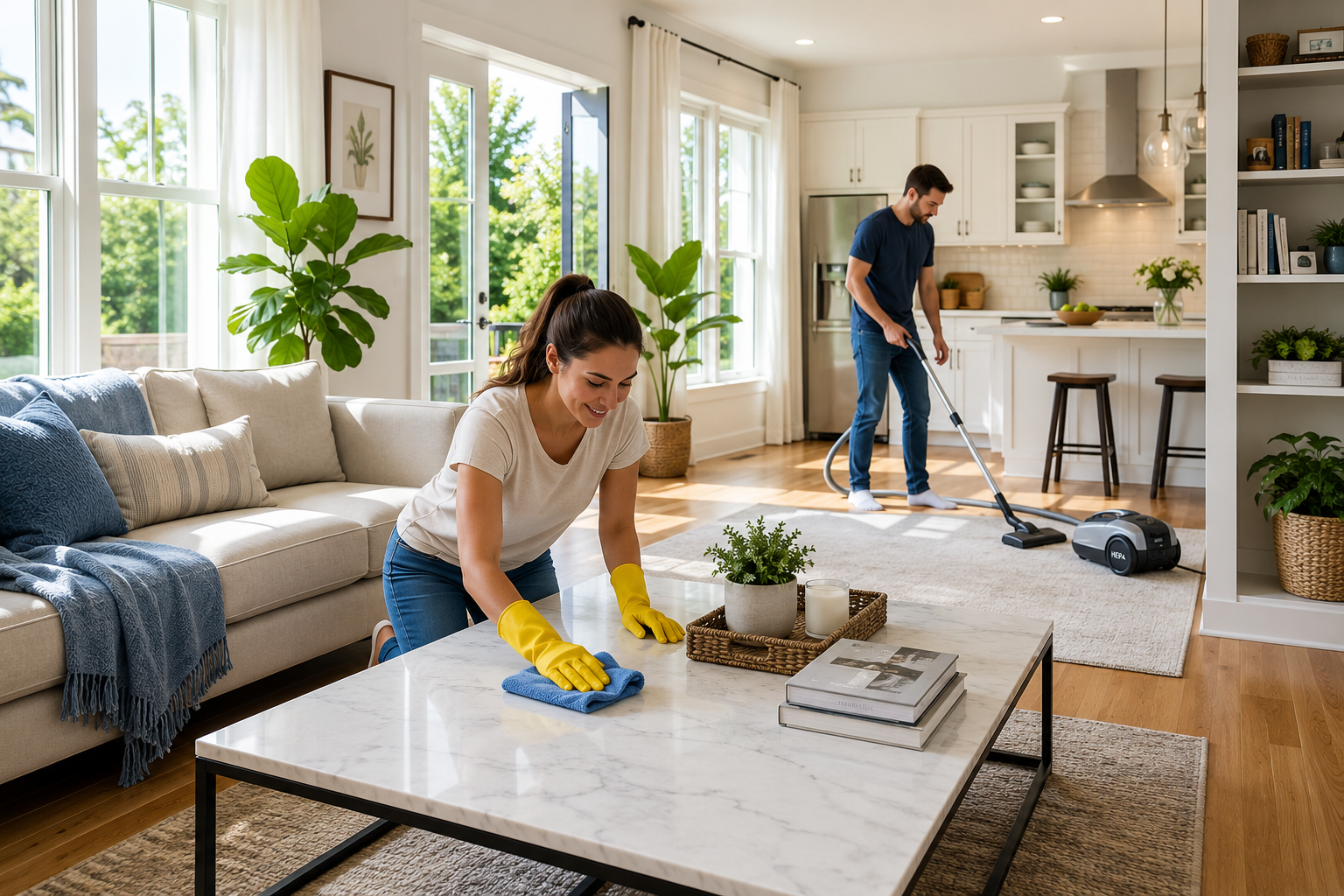
One of the best things that you can do to ensure that you have a healthy home is by having a structure for cleaning it. Dirt should not be the only time to schedule a job and homeowners should break up the responsibilities by day, week, month and season. This could mean cleaning your kitchen counters, washing your dishes, cleaning your beds, sanitizing high-traffic floors or surfaces, and sweeping floors. Tasks can include vacuuming the carpets, mopping floors, cleaning bathrooms, changing bed linens, and dusting furniture; while monthly tasks may include cleaning the appliances, washing windows and dusting hidden spaces.
A timetable will stop household duties getting the better of you and make sure that each area of the home is looked after all year round. Family members can take turns doing tasks in order to make family maintenance easier and more accountable, assigning age appropriate tasks. Regularly scheduled deep cleanings are more effective than infrequent cleaning as there is not as much time for contaminants to build up. Those who have a set routine in mind can save the time of doing the entire house cleanups and also live a healthy and comfortable life every day with the set routine.
Improve Indoor Air Quality

Humans spend a lot of time in their homes making indoor air quality a large factor to overall household health. Dust particles, volatile organic compounds, pet dander, smoke, pollen and airborne bacteria continually circulate around the inside of the home, unless they are properly managed. Ensure there is adequate cross-ventilation by opening windows when weather conditions allow, installing exhaust fans in bathrooms and kitchens and routinely changing HVAC filters to exchange stale indoor air with fresh outdoor air. For further information on indoor air quality improvement, homeowners can take advantage of some helpful tips to minimize indoor air pollutants and enhance indoor air quality.
Simple lifestyle changes can also make a great difference to indoor air. No smoking in the home, less use of strong chemicals for cleaning, regular vacuuming using HEPA filter vacuum cleaners, and air purification systems decrease the airborne contaminants. While houseplants can enhance the aesthetic of an interior, they should be used to complement and not be a substitute for good air circulation and air filters. Good air circulation, regular cleaning and humidity control are the best long-term solutions to keep healthy indoor air quality during all seasons.
The Best Way to Avoid Mold is to Prevent it From Occurring in the First Place
Keep Moisture Under Control Throughout Your Home
Unfortunately, mold necessitates moisture and prevention is much easier than removal. Common areas like bathrooms, kitchens, laundry rooms, crawl spaces and basements may have higher humidity that allows mold to grow. If any plumbing fixtures, gutters are overflowing, the roof is leaking or the pipes are leaking, homeowners should address the issues right away to prevent extensive water damage. Exhaust fans when showering and cooking, wiping wet surfaces and using dehumidifiers in moist areas keep the humidity level low which prevents growth of mold.
Regular inspections are also crucial, as mold can start to grow behind walls, under sinks, around windows or under flooring before it is visible. If moisture is the issue, homeowners can clean it up promptly by identifying early warning signs, like musty smells, water stains, peeling paint or constant condensation. Sealing against water infiltration helps not only to improve indoor air quality, but can also help shield building material from damage and decrease the risk of a future remediation.
Regularly Clean Mold-Prone Areas
If water is not a problem, there are other areas that need to be cleaned regularly to make it less likely that mold spores will grow. Soap scum and organic residue should be cleaned from shower walls and grout lines, sinks, tubs, window frames, refrigerator seals, washing machine gaskets and other areas at regular intervals with suitable cleaners. Thorough drying of these surfaces after cleaning will further reduce conditions for mold growth.
Those homeowners should also refrain from keeping wet paper towels, wet clothes, or cardboard boxes in enclosed areas where there’s humidity. Good air circulation around stored items helps to dry them off better and prevents possible buildup of concealed mold growth over time. Together moisture control and regular cleaning offer the greatest protective barrier against mold, and will make the home a healthier place to live for all.
Use Good Kitchen Hygiene
One of the most active and densely populated parts of the home is the kitchen area and must be well sanitized to minimize the chances of the spread of those germs and food borne illnesses. Often touched countertops, cutting boards, sinks, refrigerator handles, cabinet knobs and small appliances should be cleaned regularly as they are touched by food and human hands. Raw meat and poultry, seafood and fresh produce all require their own hands-on approach to prevent cross contamination; and the reusable cloths and sponges should be washed or replaced regularly as they can harbor pathogens.
Also, the way food is stored is important in keeping the kitchen clean. Refrigerators must be kept at a safe temperature, spoiled food must be thrown away as soon as possible and any spills cleaned up and disposed of immediately, which will reduce the growth of bacteria and pests. Packing shelves in the pantry, keeping dry food in sealed containers, and regularly checking food for spoilage helps keep the cooking area clean, minimizes food waste and helps keep the family safe.
Guarantee Year-Long Bathroom Sanitation
It is important to have regular clean-ups in bathrooms, as they are naturally humid and often exposed to bacteria. Frequently touched surfaces (toilets, sinks, faucets, tubs, mirrors, floors and other surfaces) should be disinfected regularly to minimize germ transmission. Ventilation fans need to be used during and after the shower to get rid of extra moisture and bath mats and towels should be laundered regularly to eliminate mildew, odors and bacteria.
Cleaning is not the only form of routine maintenance. Caulk should be checked around sinks, tubs and showers for cracks through which water may seep behind walls, seals should be replaced when necessary and plumbing leaks should be fixed right away; homeowners should perform these tasks. Keeping the bathroom clean and dry all year round helps to keep it sanitary, comfy and prevents mold growth.
Minimize Allergens and Household Contaminants
Most common household allergens are related to normal household activities and begin to build up in the household slowly over time without being noticed. HEPA-filter vacuuming is more effective at capturing dust mites, pollen and pet dander than standard vacuuming, which helps to clean carpets and upholstered furniture. Taking care of the bedding (washing weekly in hot water), cleaning curtains, dusting ceiling fans and changing HVAC filters (as recommended by the manufacturer) will lessen the amount of airborne particles that can be a source for allergies and respiratory irritation.
Chemical residues from cleaners, perfumes and pesticides are also household contaminants. Selecting low VOC chemicals, safe storage and label directions reduce the exposure of unnecessary chemicals and still provide sanitation. Homeowners should also refrain from letting clutter build up as dust will settle faster in cluttered storage areas and regular cleaning will be more difficult. A streamlined, organized home can help to minimize areas that allergens and other contaminants can hide and create healthier living.
Seasonal Deep Cleaning for Long-Term Health
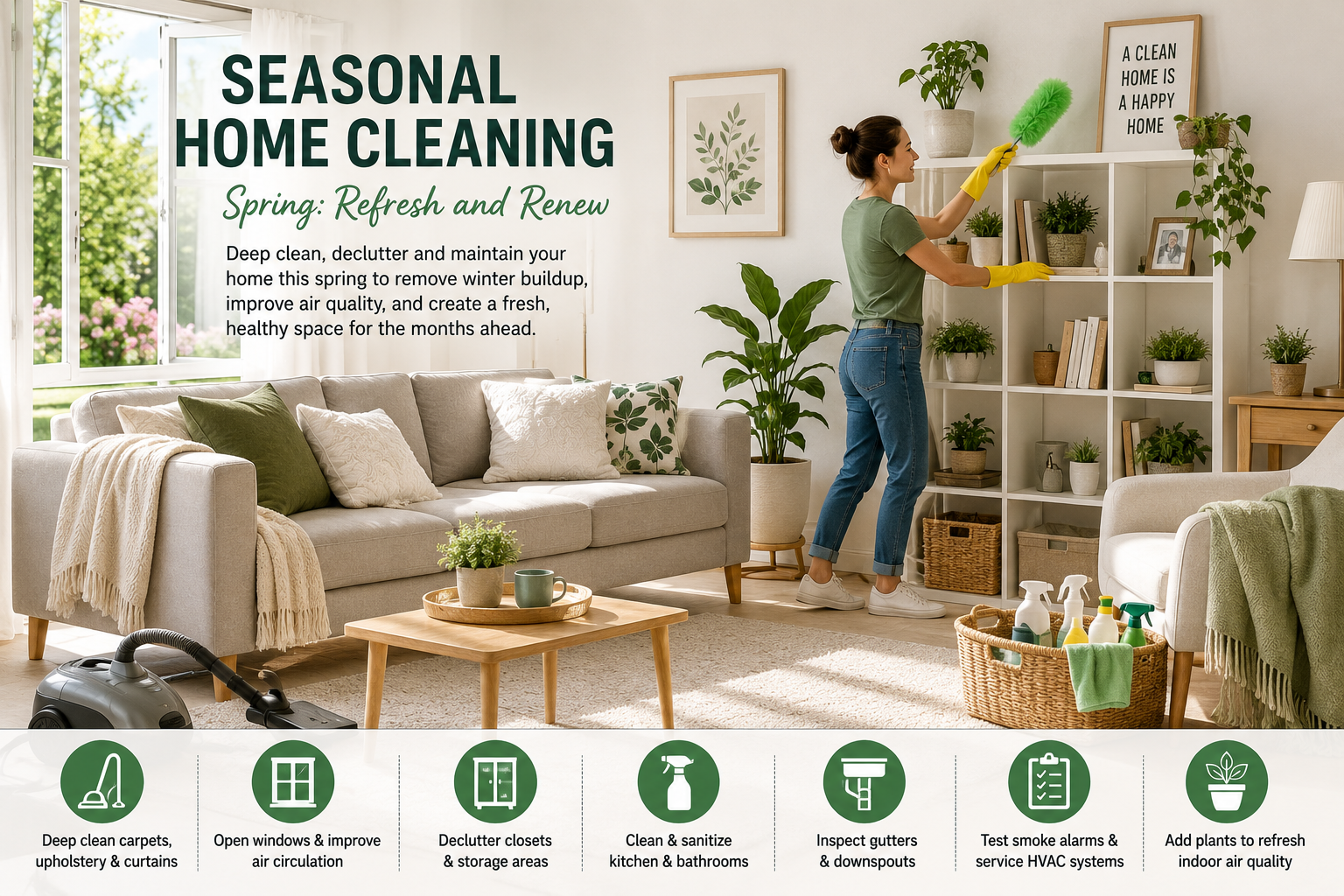
Seasonal cleaning gives homeowners the chance to clean other parts of the house that aren’t typically cleaned regularly. Windows can be washed, as can the area behind large appliances, roofs and gutters, HVAC units can be cleaned, vents vacuumed, carpets shampooed, and storage spaces organized, in both spring and autumn. These more comprehensive projects not only clear away dust, but also uncover maintenance issues long before they grow into a costly repair job and help build efficiency in the home.
There are different cleaning priorities for each season. Humidity monitoring for indoor heating, cleaning of heating systems are required during the winter, whereas during the summer, windows, doors and ventilation should be checked for increased outdoor activity. Homeowners can plan ahead, modifying maintenance activities to suit the season, and keeping their home environment healthy no matter what season it is or how many people are living in it.
Conclusion

Cleanliness and housekeeping for a healthy home are a continuous process, not something to be done perfectly in the summer months. These maintenance activities, along with regular cleaning routines, improved indoor air quality, effective mold prevention, proper sanitisation and seasonal maintenance work all help to make the environment safe and comfortable. Meticulous cleaning, even if it’s small, can have more long-term effect than very large cleaning efforts which occur rarely, as there are less chances for the contaminants to build up or spread throughout the home.
Anyone who has ever owned a home will benefit from adopting good habits to keep their home clean, dry and organized. From controlling allergens to fending off bacteria, to safeguarding property, to simply making life more fun, a well-thought-out maintenance plan pays off all year long. In the long run, homeowners will have a cleaner, healthier and welcoming home for years after investing sometime today in preventive care.