Introduction
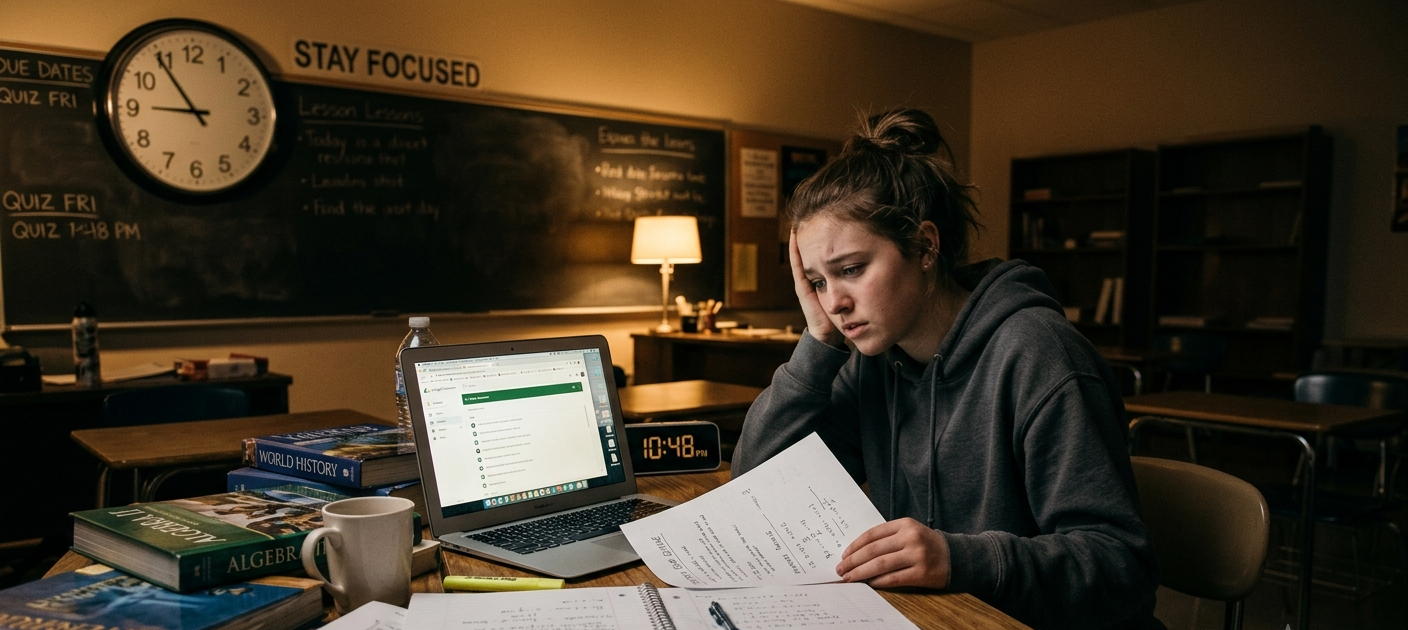
Procrastination is a very common issue which students face in the school setting and it presents itself in subtle forms like putting off assignments, avoiding review, or waiting for the “right mood” to hit before hitting the books. Over time what we see is that these small delays add up to create unneeded academic stress, last minute cram sessions, and avoidable stress. Also it is a fact that many students perceive procrastination as a sign of laziness but in reality it is usually a result of deeper emotional, psychological, and environmental issues like fear of failure, lack of direction, poor planning, or feeling overcome by what is asked of them.
To really begin to address procrastination issues you first have to understand how it works in your particular case, once you are able to identify the root cause of your delays you can begin to put in place structures which support discipline which in turn will break the cycle of reliance on motivation.
Understanding Procrastination and Its Root Causes
When identifying the causes of procrastination we see that it is important to identify the causes of procrastination which in turn helps students to recognize that the issue is not just with time management but also with emotional regulation and thought patterns. For instance some students put off tasks because of the fear of doing them imperfectly, others avoid what they see as very large or confusing projects.
In most cases what we think of as distractions like social media or loud environments are not the real issue but rather are used as a way to avoid uncomfortable feelings. When students get this they also see that overcoming procrastination is an issue of both practical solutions and mental awareness which is more than just trying harder.
Exploring What Causes Procrastination in Academia.
Once students begin to pay close attention to their habits they may trace out that which they put off back to certain issues in the day to day run of the school year. Also a very large issue is that of academic clarity which is not present, in which a student doesn’t put together what is expected of them for an assignment which in turn causes them to avoid it all together rather than get into it. Also we see that task overload is a big issue which puts out the fire of the brain to just put it off instead of taking action.
Also play a large role in this are emotional issues such as anxiety over grades, fear of being criticized, or low self confidence. Also we have environmental issues like distraction, poor sleep habits, and lack of routine which all add to the issue. By very closely looking at when and why procrastination happens students may begin to sort out the small excuses from the large issues which in turn is key to developing lasting productive habits that really work in a school setting.
Goal-Setting Strategies for Academic Productivity
Effective setting of goals is what many students do best to get over issues of procrastination as it gives direction and clarity. Without clear goals schoolwork can go on forever in an unstructured way which in turn makes it easy to put off tasks. A good approach is to set very specific, measurable and realistic goals for each study session instead of vague intentions like “study biology. For example a student may set a goal of going through 2 pages of notes or doing ten practice questions within a set time.
This creates a sense of structure and achievement which in turn keeps the mind on task. Also a key strategy is to break large scale goals like exam prep into smaller weekly ones which at the time may seem doable. When students report success in achieving these small goals they in turn build up momentum, confidence and a sense of control which in turn decreases the tendency to put off and in the end improves overall academic discipline.
Strengthening Goals Through Consistency and Direction
Beyond just setting goals what students also have to do is develop a habit of consistency which is a key factor in why procrastination sets in. Consistency can be built in by tying study goals to daily routines, for example by doing some revision right after school or setting aside a certain hour each night for work. Also out of the question is the constant debate of when to start which is a primary trigger for procrastination.
Also it is also very important that students review their goals regularly and as needed which in turn will prevent frustration and in the long term keep motivation high as academic demands go up. By treating goals as a part of a routine as opposed to a series of random tasks, what we see is the development of a productive routine which in turn makes procrastination less of a problem and easier to put a stop to over time.
Task Breakdown Techniques for Reducing Overwhelm
One of the best ways to get over procrastination is to learn how to break large tasks into smaller more manageable steps. Many students put off assignments because the task looks too big or too confusing at first which in turn creates mental blocks. Task breakdown helps do away with this by transforming a large assignment into clear action oriented steps. For example, instead of looking at an essay as one giant task a student may divide it up into research the topic, write an outline, draft the intro, develop body paragraphs and edit the final work.

Each step presents itself as easier to begin which in turn reduces avoidance behavior. Also this technique allows students to see progress which in turn gives them a sense of achievement at each stage. When tasks are broken up properly the brain is less likely to feel overwhelmed and the act of just getting started becomes much easier which is the key to reducing procrastination in academic work.
Turning Small Steps into Actionable Progress
Breaking down tasks is a useful strategy but only if students also commit to taking that first smallest step. What this means is to focus on actions which require very little effort like opening up a notebook, putting in a topic header, or solving one problem. These small actions are what break through the initial logjam which usually causes procrastination.
Once a student does begin, oftentimes momentum will build which in turn makes it easier to keep going past that first step. Also useful is to set time boxes for each of these small tasks, for example 15 minutes on research or 20 on revision. This introduces a sense of urgency which in turn prevents over thinking. As time goes on students tend to see that most tasks are not as difficult as they at first seem which in turn builds their confidence and breaks the habit of unneeded delay.
Motivation Boosters for Staying Productive
Motivational factors are very much a player in terms of productivity, but we tend to think of it as something which must present itself before we take action. In fact motivation is a result of action as opposed to it being its cause. Students may increase their motivation by designing a study setting which has low distraction and high focus elements such as a quiet room, an organized desk, and which also has phone use to a minimum. Also very powerful is visualizing the result of finished tasks which may include better grades, less stress, academic success.
We also see that reward systems play a role here, in which students allow themselves short breaks or they treat themselves to a pleasure after they hit a study goal. Also they may put on instrumental music, use study timers, or study with peers which in turn increases engagement. When motivation is given the right structure and environment support it is easier for students to maintain consistency and to avoid procrastination even when they don’t feel very motivated.
Building Long-Term Motivation Habits
Long term motivation is a result of habits not transient emotional pushes. Students that live only in the moment of feeling motivated do indeed have issues as emotions are a very fickle thing which change from day to day. Instead we see that what is most effective is the building of habits like study at set times each day, preparation of material in advance, and regular review of goals. This also lessens the need for constant decision which is a primary trigger for procrastination.
Also it is very important that students reflect on their academic progress which in turn reinforces motivation and encourages more of the same. We also see that celebration of small wins like turning in an assignment on time or seeing an improved test score does in fact strengthen positive behaviors. Over time what we see is these habits take the place of procrastination with consistent performance becoming a natural part of a student’s routine instead of a forced issue.
Accountability Methods for Reducing Procrastination
Accountability is a very effective tool in overcoming procrastination as it brings in external structure and responsibility. When students are held accountable to a third party, that is a friend, teacher, or family member, they do better at completing tasks in a timely fashion. Also, we see that study partnerships play a large role, in which students report to each other on progress and revision. Also, putting out public or shared goals which in turn increases commitment as the whole world is aware of what is expected.

Also in this picture are the roles of teachers and mentors in which they monitor progress and give out feedback. Also very basic self accountability measures like keeping a study journal or a to do list which in turn report to no one but yourself can greatly improve discipline. When students know that their progress is reported on, by themselves or others, the tendency to delay tasks goes down and in turn consistency goes up.
Strengthening Accountability Through Routine Tracking
To improve the effectiveness of accountability students should form a practice of reporting on their daily or weekly progress. This may be done via planners, notebooks, or digital tools which note down completed tasks and also what is still to be done. By tracking progress students are able to spot trends in procrastination and see what subjects or tasks they tend to shy away from. Also it gives out a visual of growth which is very motivating.
When combined with regular reflection accountability is a great tool for self discipline. Students may look at what did and did not work in their study routine out of this and do what is needed to change it up. Over time this practice develops responsibility and also less dependence on external pressure instead which results in students to take charge of their academic output and maintain a high level of productivity.
Conclusion
Over which you prevail in overcoming procrastination is not to achieve perfection or do away with all distractions but to put in place systems that over time make productivity easy and natural. As students learn to identify what really triggers their procrastination, set out clear and achievable goals, break tasks into small doable steps and at the same time use motivation and accountability strategies well, they take back control of their academic life.
These habits which in turn reduce stress, improve performance, and also create a better relationship with school work. Also that productivity is a skill which with practice grows, not a temporary fix brought about by stress. By the consistent application of these strategies students develop discipline, finish off their work on time and in the process build the confidence they need to do well academically without the constant pressure of last minute work and unneeded stress.



Great information shared.. really enjoyed reading this post thank you author for sharing this post .. appreciated