Introduction
Being able to acquire and retain information is not the only measure of academic achievement; it is also important that students understand, analyse and question knowledge and apply it. Students are expected in modern education to analyze and investigate topics in depth, to think about various perspectives, and to devise logical solutions to problems.
Critical thinking promotes the active involvement of learners in the learning process by fostering curiosity, independent analysis and decision making. Critical thinking is a skill that can be applied to a student’s success in exams, assignments, research, and discussions in class. Students who acquire these skills will be able to confront problems with confidence, and, instead of taking in information at face value, will be able to make logical connections between concepts.
Recognizing the Importance of Critical Thinking in Learning
Critical thinking is defined as careful examination of information, finding relationships between ideas, assessing the reliability of evidence and arriving at reasonable conclusions based on careful analysis. In school settings, there is a lot of information given to students in the books, through the internet, from teachers and from research sources. If you don’t think critically, it can be hard to distinguish between inaccurate information and misleading claims or incomplete explanations.
Students who acquire the skills of critical thinking will be able to ask questions, identify assumptions, and think from several points of view in coming to conclusions. The skills develop students’ ability to participate in learning activities in the classroom, as they can discuss what they have learned, give their opinions, and understand difficult concepts. Critical thinking is also important for lifelong learning as it helps students stay curious and open to learning new things as they progress in their education and careers.
Developing Independent Thinking Skills
A vital aspect of critical thinking is fostering independent thinking skills and enabling students to draw their own conclusions rather than solely those of others. Independent thinkers critically evaluate information from popular or trusted sources, analyze information, compare information and make decisions based on logical information. This skill aids students in the academic environment to be effective researchers, writers and problem solvers.
An independent thinker, for instance, doesn’t just gather information for an essay but also assesses the different ways in which sources back up the topic. It takes practice, confidence and the ability to respectfully challenge ideas and learn from others to develop independent thought.
Effective Ways to Analyze Information
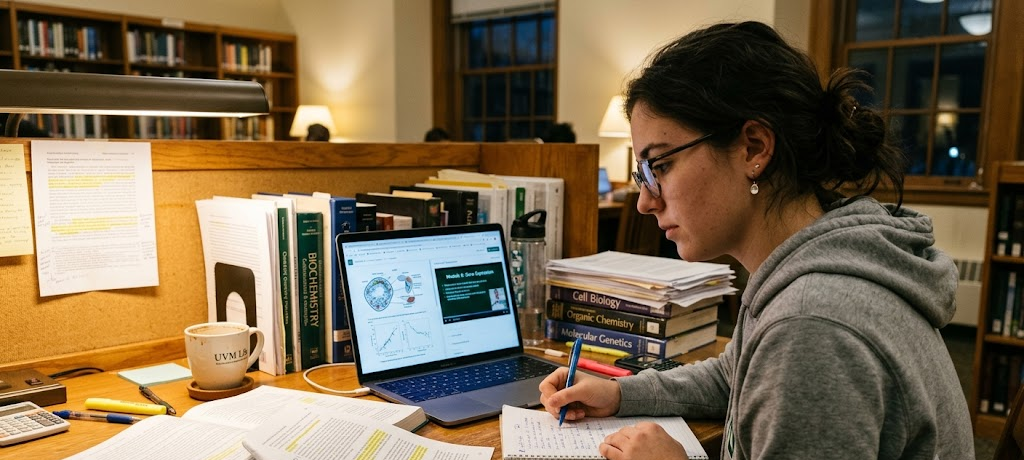
A critical thinking skill that is crucial is the careful analysis of information. Information is being accessed by students all the time during lessons, in books, online, via videos, and through social media, but not all information can be relied on as accurate and useful. Analyzing information requires: Dividing information into smaller parts, looking for the main ideas, checking supporting details, and understanding how parts of evidence relate to each other.
To practice asking questions like: What is the main argument? What justifications do you have to support this? Is there anything that is missing from the information that would change the outcome? When students sift information and don’t just accept it on face value, they become more aware of the strengths and weaknesses of the ideas. Such a strategy will enhance the learner’s research skills and equip him/her to write better papers, all based on comprehension, not rote-learning.
Comparing Different Sources of Information
A second way of analyzing information is to compare the information from different sources to draw a conclusion. Students have to search in various sources for academic purposes and using one source may give incomplete knowledge. Comparing sources helps students notice the similarities and differences between sources, potential bias, and where further research might be required. For example, if studying a historical event or a scientific subject, students can use information from books, academic articles and reliable websites on education to gain a broader view.
This approach promotes deeper learning not only by learning facts, but by analysing how information is conveyed and why there could be different points of view. Students improve their judgment, and acquire more skill in dealing with more difficult academic issues, as they practice regularly.
Assessing Evidence and Finding Credible Information
Assessing evidence is one of the critical thinking skills because it is essential to the formulation of strong conclusions that they be based on credible evidence. In order to convince students that evidence matters, they need to know how to assess evidence for accuracy, relevance, and reliable sources. Learners should, when judging the information, take into account how credible the source is, the qualifications of the author, the date of publication and whether the evidence is based on research or personal opinion.
The argument might seem to be convincing, but if it is made without facts then it is not. The skills of assessing evidence helps students to avoid misinformation and enhance the quality of their academic work. This skill is particularly useful when writing research papers, making presentations, or engaging in debates with a valid and logical argument.
Identifying Bias and Hidden Assumptions
It is beneficial for students to develop their ability to identify bias or hidden assumptions in information to help them improve their evaluation skills. Bias is an information that is influenced by certain beliefs, feelings, or interests that can impact the way a topic is presented. Rather than dismissing information from a specific source, acknowledging bias is an understanding of the information’s perspective and an awareness that other perspectives may also be considered.
For instance, in learning about a controversial issue, students should look at both sides of an argument and identify evidence that supports each side. This is a fair, accurate and objective approach that assists learners to develop these skills. Students who learn to use evidence as a basis for their academic judgments develop the skills to make sound academic choices and to present work that shows that they have used evidence wisely.

Creating Problem Solving Skills with Critical Thinking
Problem-solving is closely linked to critical thinking because both require analyzing situations, identifying problems and developing effective solutions. Learners are exposed to various kinds of problems throughout their learning process, such as assignments that are difficult, concepts that are hard, research questions, and examination tasks. The critical thinker doesn’t get frustrated when encountering obstacles but rather takes an organized approach to problem solving.
In order to solve their problems, they first determine what the problem is, collect information about the problem, think about solutions, and weigh pros and cons of the solutions. The orderly procedure enables pupils to make thoughtful choices and not to make hasty decisions. Problem solving skills are important in school and in the real world, as they will be needed in future careers where someone will be called upon to analyze a situation and come up with a creative solution.
Exploring Multiple Solutions
One good problem-solving strategy is to think about alternative solutions before deciding on a solution. There are many academic issues that have more than one solution, and using different alternatives stimulates creativity and flexibility. In a group project, for instance, students might have to consider the various ways in which tasks can be accomplished, information can be organized, or findings presented.
Talking through options and considering the consequences helps students to make decisions. Also reflection is important as pupils can think about what has worked, what has not worked and how they could improve their approach the next time. This on-going journey of learning enhances critical thinking skills and enables students to be more confident when encountering new challenges.
Pupils Make Informed Decisions at the Point of Learning
Another core skill acquired by critical thinking is decision making. Students take academic decisions on a daily basis, ranging from the way they study, to where they find their research sources, to how they manage their time. Making decisions involves thinking about information, likely outcomes, and personal objectives. Critical thinkers look at facts and determine the most reasonable choice and not just on the basis of emotions or convenience.
For instance, in planning for an exam, a student may compare various study methods, review past performance data, and select a method that best meets his or her needs. In good decision-making students have opportunities to make effective use of their time and to be more responsible in their learning.
Learning Through Reflection and Experience
Reflection and learning from experience can enhance students’ decision making skills. Learners should reflect on their approach to tasks, projects and examinations and seek ways to improve after completion. Students who reflect will be able to identify what they did well and what they may need to change up. This practice allows for continuous growth as students begin to understand their strengths and weaknesses, and their learning preferences.
Furthermore, feedback from the teacher and peers can be beneficial to consider and make better decisions in the future. Through reflection, evidence, and careful reasoning students develop the ability to make choices to enhance academic success and personal growth.
Interventions for Strengthening Critical Thinking Skills for Students
It takes practice, not just one learning activity to develop critical thinking. These can be reinforced through activities which facilitate questioning, discussion and analysis. Practicing critical thinking can be done effectively through reading, engaging in class discussions, answering complex problems, and writing analytical essays. Pupils should also learn to question and probe the topics that they learn rather than merely regurgitate facts for exams.
Talking to teachers and classmates can help the learner to be exposed to various perspectives and to get better understanding of challenging concepts. Besides, having an open mind enables students to take in constructive criticism and modify their thinking when new evidence is uncovered.
Using Technology Responsibly for Critical Thinking Development
Responsible use of technology can also aid in developing critical thinking. There is a lot of information available online, however, students need to be able to critically analyze digital sources. Learners should be taught to evaluate internet claims, to compare data and to find trusted educational information rather than taking any information on the internet as fact.
Digital tools are a means to an end rather than the end; critical thinking is a key component of using these tools. This will help students build critical thinking skills and be better equipped to face academic challenges, while fostering responsible technology use alongside traditional learning methods. The objective is not just to quickly find information but to comprehend and assess information and use information effectively.

Conclusion
The ability to think critically is an important component of good academic performance, as it enables students to analyze information, evaluate evidence, solve problems, and make informed decisions. Learning needs to be more than just the memorization of facts, it must be the deep understanding of ideas and the meaningful application of knowledge. Critical thinking students are more self-assured as researchers, stronger as communicators and more independent as learners.
Through practice, students can learn to adopt habits like questioning information, comparing sources, reflecting on decisions, and considering alternative solutions to enhance classroom performance and ready themselves for future challenges. Critical thinking is a skill that can be developed with practice and effort, and all students can improve their critical thinking skills. If students learn to be thinking, curious and analytical, they will develop skills for future academic development and success in life.