Introduction
The growing demand for eggs and meat and the commercial importance of the poultry products are still one of the most lucrative agricultural enterprises in the world. But often poultry farmers do encounter serious diseases problems, poor farm hygiene and high mortality rate of birds are the major problems they face. In a few days, one disease outbreak could destroy a whole flock and result in large losses in terms of business profits and productivity. Thus, poultry health management comes as one of the most essential things in successful poultry farming.
By knowing the causes of the disease, the early signs of illness, and early preventive measures, farmers can prevent illness to their birds and keep them healthy and economically profitable. Proper prevention costs are always less and more effective than treatment, as treatment can have a negative impact on the farm business through bird death, reduced production and treatment costs. Any farmer with a focus on advanced sanitation, vaccination and ensuring the right feed and quality housing systems will generally keep birds healthier and with reduced mortality.
Common poultry diseases are common problems for many poultry farmers where these diseases are transmitted via contaminated feed, infected poultry, inadequate ventilation, contaminated water and over-stocked housing systems. Understanding the diseases found in poultry and their prevention and control is crucial for all poultry farms to be successful. In addition to helping prevent infections, good poultry health management strategies enhance growth rates, egg production, feed conversion efficiency and on-farm productivity.
Common poultry diseases
Poultry birds are susceptible to various infectious as well as non-infectious diseases which may damage their growth, productiveness and survivability. Diseases can be transmitted via viruses, bacteria, fungi, parasites, contaminated feed or through poor environmental conditions. To effectively control these diseases as farmers before they become severe outbreaks they need to know what these diseases are.
Newcastle disease is one of the most severe virus diseases of the poultry bird. It is very rapidly transmitted and symptoms include coughing, sneezing, greenish diarrhea, twisted necks, paralysis and sudden death! Infected birds can be anorexic and have trouble breathing. Transmission occurs by contaminated equipment, feed and water and from contact with infected birds. Vaccination and biosecurity are the best ways to prevent the disease; there is no specific Newcastle disease vaccination or only chicken only vaccine that works on Newcastle disease.
Coccidiosis that affects the poultry gastrointestinal tract is also a big problem in poultry. It usually occurs in young chicks and is seen as bloody droppings, weakness, anorexia, loss of condition and poor growth. Coccidiiosis is spread by the presence of wet litter and soiled poultry houses, where the parasites thrive in moist conditions. Some ways to minimise this risk include keeping litter dry, ensuring that good hygiene is practised and applying anti-coccidial drugs as a result of clinical signs or where required.
Fowl pox is a viral condition affecting the eyes, nasal cavity and skin of fowl birds. It produces warts which appear on the comb, on the wattles and other areas that lack feathers. If affected, birds may have difficulty breathing or swallowing. It is spread by mosquitoes and from birds themselves. Vaccination and control of mosquitoes are important prevention measures.
Infectious Bronchitis is a disease of the respiratory system and causes losses of egg production in laying chickens. Symptoms include cough, nose discharge, watery eyes and breathing difficulties. Infected birds should be promptly isolated and ensure good ventilation to minimise the spread of respiratory infections. These diseases can be taken into account when making decisions early by poultry farmers to prevent an outbreak.
Recognizing Symptoms Early
In poultry farming, prevention of epidemics begins with early detection, as many diseases can spread rapidly from infected individuals. If farmers are observant they can be alert to health issues and manage it before it reaches a concerning level of prevalence. Mortality can be reduced and infection spread to healthy birds by careful observation.
Poultry birds that are healthy are active and alert and feed frequently. Changes in behavior that occur suddenly can be a symptom of disease. Farmers should be alert for changes in appetite, drooping wings, dull feathers, coughing, sneezing, watering down of eyes, nasal discharge, diarrhea, loss of weight, loss of egg production, and so on. Birds that are not moving around with the flock and/or look weak could have a disease at that point.
A change in droppings may also be a good sign of poultry health-related issues. Its bloody droppings may be indicative of coccidiosis; its greenish diarrhea, of Newcastle disease or bacterial infection. The difficulty of breathing may be indicated by abnormalities such as wheezing or gasping respiratory sounds and contagious diseases or respiration caused by poor ventilation.
Any deaths among birds that occur suddenly should never be overlooked because sudden outbreaks of disease are often to blame. Sick birds should be isolated immediately by farmers and the qualified vet consulted and the recommended diagnosis and treatment applied. The sooner action is taken, the less the risk of extended spread of infection or increased death rate.
The farmers can also monitor their feed intake and water consumption on a regular basis to keep them alert regarding the disease condition. When birds refuse feeds or water, they often are stressed or infected before even coming to the feeder/waterer. Taking good farm data allows for recognition of abnormal occurrences in bird performance, egg production and growth. One of the best options for keeping poultry birds healthy is to provide them with early care.
Vaccination Programs
Vaccination is one of the best tools available to prevent and minimise losses associated with poultry diseases. Vaccines can boost birds’ immunity against medically threatening infections ahead of their exposure. With proper vaccination poultry birds have virtually protection against highly contagious diseases that can wipe out an entire flock in no time.
Recommendations regarding vaccination should be discussed with the farmers and relate to the type of birds being kept and to the diseases with which they might encounter them. Newcastle, infectable bronchitis, Marek’s and Gumboro disease usually come as a combination of shots that are administered to the chick when it is a comparatively small size. In addition, booster doses might be needed for a high level of immunity during the production life of the birds.
Handling vaccines properly is extremely critical as vaccines can become ineffective under certain conditions, most specifically at extreme temperatures—high or low—or in the presence of sunlight. Vaccines should be stored as indicated by the manufacturer and farmers should use clean equipment when administering vaccines. Depending on the type of disease they protect you against, vaccines are either added to water or administered as an injection or as eye drops or as spray.
Poor farm hygiene and biosecurity practice will not prevent the spread of diseases through vaccination. Even when chicks are kept clean and free from overcrowding, the environment can make them feel vulnerable, and may allow secondary infections to get a hold on them too. In addition to providing farmers with vaccines they should also apply good husbandry practices to get the most out of their farm.
When poultry farmers consult the veterinarian, they can determine which vaccines and schedules are appropriate for their birds. When given professional advice, vaccine failure is minimized and disease prevention efforts more effective. There is little doubt that vaccination is one of the best and most cost-effective investments in poultry production due to the protection of poultry and the prevention of financial loss due to disease outbreaks.
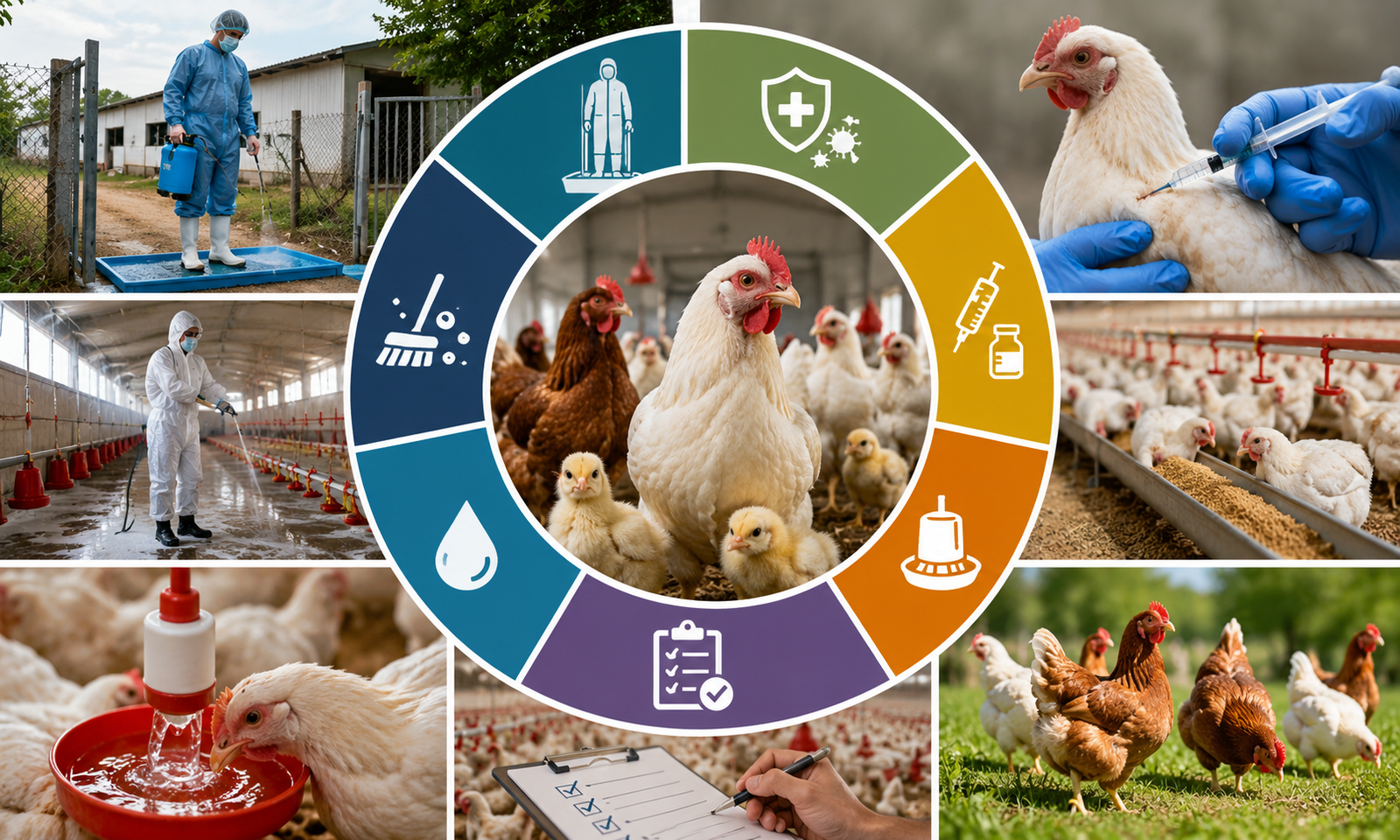
Maintaining proper hygiene and biosecurity.
One of the best measures to prevent diseases in poultry birds is good hygiene. Poultry environments become contaminated, and allow unwanted bacteria, viruses and parasites to proliferate rapidly. A clean poultry house means a risk reduction to infections and better overall bird health for farmers.
Poults need to be cleaned regularly to remove poultry droppings, spilled feed, feathers and dirty litter. Wet litter is more conducive to the growth of parasites and organisms that cause disease particularly coccidiosis. Wet bedding should be changed promptly by farmers and adequate drainage should be provided around the houses of poultry birds.
Clean water for drinking is also essential as contaminated water can quickly pass sickness among birds. Water containers should be washed every day and should be located so that droppings won’t contaminate the water. Feeders too should be kept clean as well, to prevent mold growing, bacterial contamination etc.
Biosecurity measures to aid in preventing the introduction of disease from outside. Visitors should be restricted from entering the farmers’ poultry premises, and footwear should be disinfected before entering into poultry areas. Farm equipment should be cleaned and disinfected on a regular basis. Hiding infections pose a risk from new birds and should most certainly be quarantined prior to addition to existing flocks.
Diseases are also spread in poultry farms by rodents, wild birds and insects. Farmers must be able to manage pests, including closing holes, eliminating waste products and good sanitary practices. Proper control of mosquitoes is particularly critical to help stop the spread of fowl pox.
Poor hygiene and biosecurity practices can cause many disease problems and create an unhealthy environment for the poultry birds. Farmers with consistent quality of sanitation have a lower number of deaths and improved production.
Feeding standards and nutrition management
Poultry nutrition is a key element of poultry health and disease prevention. Birds raised on balanced feed or diets will have a more developed immune system and will be able to fend off infections better than poorly fed birds. Poor nutrition also hampers poultry’s capability to resist diseases and stress.
Feed for the development of the poultry must be balanced in the proportions of proteins, carbohydrates, fats, vitamins and minerals in accordance with the age and stage of production of the birds. The importance of the availability of adequate protein starter feeds for optimal chick growth and good calcium content in the feed for layers to enhance the production of strong eggshells. It is important to farmers that they always buy nutritious high quality feed from a trusted source so that there are no risk of contamination or low nutritional quality.
Poultry birds should not eat mouldy or spoiled feed as it may lead to their sickness or death due to the presence of toxins. The storage of feed should be in dry, well-ventilated areas, separate from moisture and rodents. Appropriate storage ensures a good quality of feed and will not allow fungal growth.
Water is essential as well as feed and is equally crucial for birds as it is needed for their digestion, growth, and they need it for maintaining their body temperature. Birds that are dehydrated become weak and are more prone to diseases. Farmers have provision of fresh water available round the clock.
Changes in feed should be done slowly to prevent problems of stress and upset of the digestive system. The sudden changes in the diet can lead to decreased feed consumption and impact the birds’ performance. Nutrient supplements and vitamins may also be beneficial to help birds recover from stress at the time of vaccination, transport or when faced with the stress of extreme weather. Good feeding improves the immunity of the birds, increases productivity and helps reduce mortality rates. A right nutrition is still one of the pillars of a poultry enterprise.
Ensuring Healthy Poultry Birds in the right environment.
The health and productive capacity of poultry is greatly affected by the environment of their homes. Birds’ low quality housing stresses them out, makes them susceptible to disease outbreaks, and creates poor environmental conditions which lead to higher mortality rates. Farmers should provide Milk Vails which will make the poultry House comfortable, ventilated, protected, and have some space.
Good ventilation is indeed necessary because it helps to keep excess moisture, ammonia, dust and heat out of poultry houses. Respiratory issues and a risk of spread of disease as a result of poor ventilation. There should be no direct exposure to cold draft winds in poultry houses and fresh air should be circulated.
High stocking density is another major issue in poultry production due to its pressure impact on stress and disease spread. Keeping birds spacious will provide adequate mobility, feeding area, and resting space. House overcrowding frequently results in violence, injuries, stunted growth and early onset of diseases.
Young chicks can’t control their body temps particularly well, so temperature control is very important. Farmers must include a brooding facility which will provide sufficient amounts of heat in the beginning growth stages. Birds can get weakened by sudden changes of temperature and may be more susceptible to infection.
Lighting also has an effect on poultry productivity and bird behaviour. Proper lighting schedules are essential for egg production; too much darkness could decrease the feeding activity. The farmers should keep the proper balance of light and shade as per production target.
The birds’ housing structures ensure protective housing from predators, rain, too much sunlight and rough climate. Proper flooring and drainage are important to keep litter areas clean, minimizing disease risks. Comfortable Stocking Density Improves Bird Welfare, Reduces Stress and Enhances Farm Profitability.
Conclusion
A combination of proper management, vaccination, hygiene, nutrition and appropriate housing conditions are required to prevent diseases in poultry birds. Healthy Birds are more productive, have reduced mortality, and can earn more profit for the poultry farmer that emphasizes good bird health. Financial losses may be devastating to farmers with an affected bird due to disease outbreaks, however a huge number of health issues from diseases with birds can be prevented with proper planning and regular farm management.
If signs of disease are detected and appropriate action taken promptly, this can help prevent the spread of infection into the flock. Healthier poultry environments through vaccination and biosecurity, clean water, quality feed and ventilation. When farmers notice unusual symptoms and sudden mortalities, they should also ask their veterinarians for professional help.
Prevention will play a very important role in successful poultry keeping. Healthy birds grow faster; produce more eggs; eat feed more efficiently; and earn more for farmers. Poultry health management practices can help decrease risk of poultry disease, enhance bird well-being, and create sustainable poultry operations that thrive for years after their inception.
I like the efforts you have put in this, regards for all the great content.