Introduction
Central Coast residents suffering from sleep apnoea often go undiagnosed for years believing their exhaustion represents normal life. Snoring gets accepted as inevitable rather than recognised as a warning sign. Partners sometimes suffer alongside sufferers without realising underlying medical problems exist. Sleep apnoea treatment in the Central Coast remains underutilised despite serious health consequences accumulating silently. Many people don’t realise treatment exists enabling dramatic life improvements. Without intervention, untreated sleep apnoea deteriorates health substantially over time. Understanding available treatment transforms perspectives on suffering unnecessarily.
Why Diagnosis Gets Delayed Constantly
People attribute exhaustion to busy lifestyles rather than recognising sleep quality problems. Morning grogginess seems normal despite representing serious warning signs. Partners mention snoring repeatedly but sufferers dismiss concerns as irrelevant. Years pass before someone suggests sleep apnoea causing that exhaustion. General practitioners sometimes overlook sleep apnoea despite patients describing classic symptoms. Sufferers sometimes avoid diagnosis fearing treatment implications or feeling embarrassed about the condition. Delayed diagnosis allows conditions worsening creating more serious health complications. Early diagnosis enables intervention to prevent deterioration.
How Central Coast’s Geography Creates Access Challenges
Central Coast residents sometimes travel considerable distances accessing sleep specialists. Rural areas lack facilities offering sleep studies or treatment options locally. Geographic isolation delays diagnosis when consulting specialists requires extensive travel. Sleep apnoea treatment in Central Coast availability remains inconsistent across different coastal areas. Some communities have excellent services whilst others lack basic assessment capabilities. Distance from major medical centres creates barriers preventing residents seeking appropriate care. Geographic challenges shouldn’t prevent people accessing essential treatment. Telemedicine increasingly bridges gaps enabling remote consultations reducing travel requirements.
Why Untreated Sleep Apnoea Creates Health Crises
Continuous oxygen deprivation during sleep stresses the cardiovascular system relentlessly. Heart attacks become more likely as untreated sleep apnoea strains cardiac systems. Stroke risk increases substantially in people with severe untreated apnoea. Blood pressure elevation damages kidneys and creates cascading health problems. Cognitive decline accelerates as brain damage accumulates through repeated oxygen deprivation. Metabolic problems develop creating diabetes risk through sleep deprivation effects. Seemingly unrelated health problems often trace back to untreated sleep apnoea. Understanding interconnections between sleep apnoea and serious health conditions motivates seeking treatment.
How CPAP Therapy Transforms Sleep Immediately
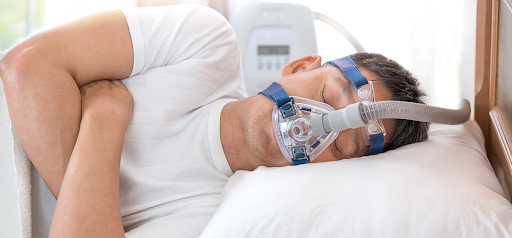
People using CPAP machines properly experience dramatic sleep quality improvements within days. Waking refreshed becomes possible rather than perpetually exhausted despite sleeping. Energy levels increase enabling people to function optimally during daytime activities. Mental clarity improves dramatically as oxygen deprivation ceases damaging cognitive function. Partners finally sleep properly without being disturbed by snoring or gasping sounds. Mood stabilises as depression linked to sleep deprivation resolves. Sexual function sometimes improves as fatigue no longer interferes with intimacy. CPAP therapy represents life transformation for people committing to treatment.
Why People Abandon Treatment Too Early
The initial CPAP adjustment period involves discomfort causing some people to abandon treatment prematurely. Mask fit challenges create frustration before finding appropriate sizes and styles. Humidification adjustment takes time as people learn managing machine settings. Psychological resistance to equipment sometimes sabotages treatment before adaptation occurs. People sometimes expect instant results abandoning treatment when immediate perfection doesn’t happen. Proper adjustment support enables persistence through adaptation period. Physiological adaptation takes time as bodies adjust to continuous positive pressure. Patient education about realistic adjustment timelines prevents premature abandonment.
How Lifestyle Changes Support Treatment Success
Weight management improves sleep apnoea severity potentially reducing treatment requirements. Alcohol avoidance prevents worsening apnoea events during sleep. Sleep position changes sometimes reduce apnoea frequency substantially. Nasal congestion management enables better CPAP therapy effectiveness. Allergy treatment sometimes reduces airway obstruction contributing to apnoea. Sleep apnoea treatment in the Central Coast succeeds best combining therapy with lifestyle modifications. Comprehensive approaches addressing multiple factors create optimal outcomes. Lifestyle changes alone sometimes manage mild apnoea avoiding equipment entirely.
Conclusion
Sleep apnoea treatment in the central coast enables escaping perpetual exhaustion through effective intervention. Delayed diagnosis allows preventable health crises developing. Geographic access challenges shouldn’t prevent people seeking essential care. Untreated sleep apnoea creates serious health consequences accumulating silently. CPAP therapy transforms sleep quality immediately for compliant users. Lifestyle modifications support treatment effectiveness. Early diagnosis and proper treatment prevent health complications and restore quality living.