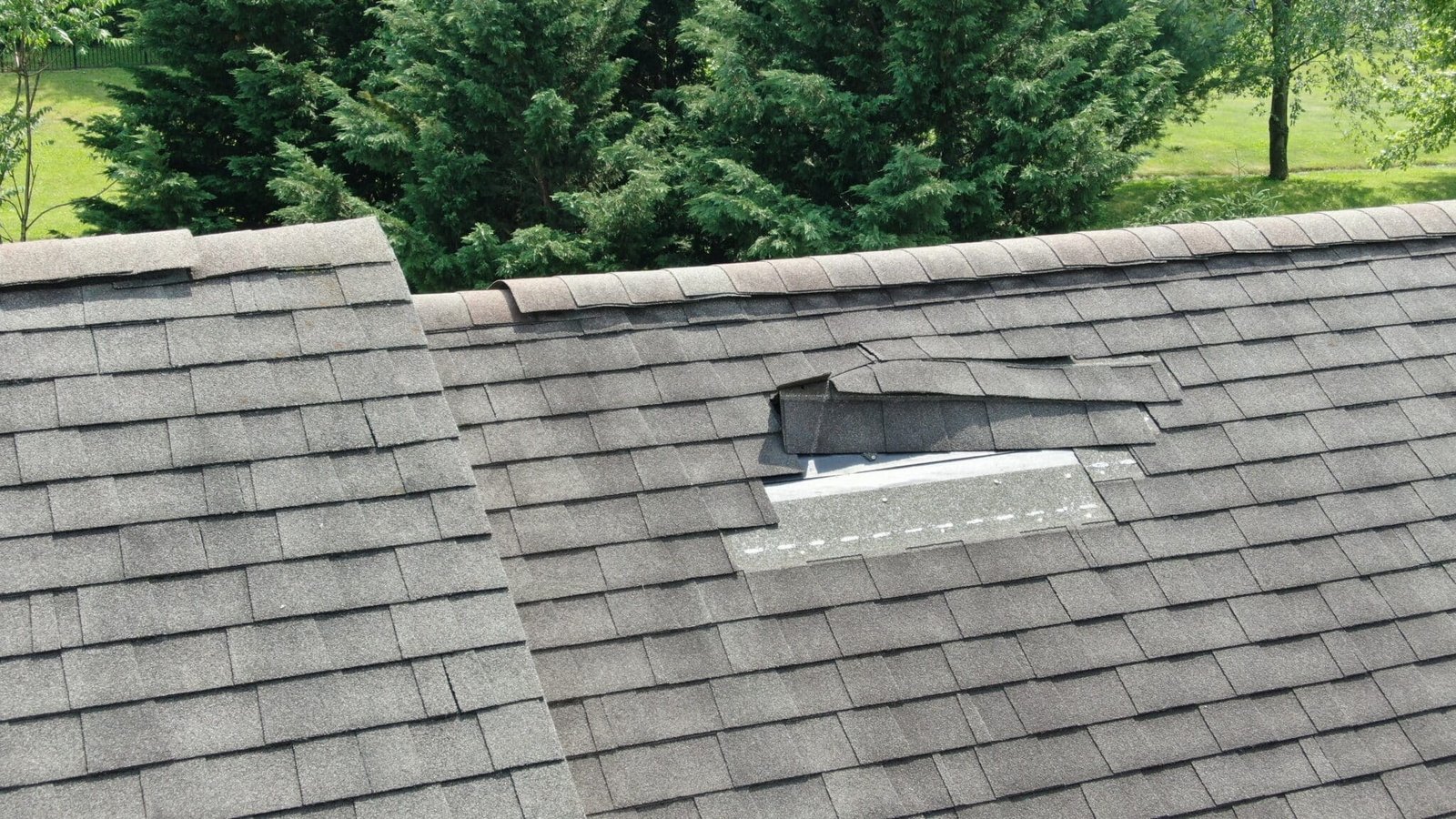
Storms can turn a routine roofing concern into a more urgent decision. A roof that seemed stable in the spring may look very different after high wind, hail, fallen limbs, or heavy rain. Some damage is obvious, such as missing shingles or a branch through the roof. Other damage is subtle and may not show up until the next storm exposes a weak point. That is why homeowners should take storm-related roof concerns seriously even when the home is not actively leaking.
Searching for a Roofing Company near me after a storm is common, but the best next step is not simply hiring the first available crew. Storm damage requires inspection, documentation, and a clear explanation of what is actually affected. A repair may be enough in some cases. In others, widespread damage, age, or material failure may make replacement planning more practical.
What Storm Damage Can Look Like
Storm damage can appear in several forms. Wind may lift shingles, break seal strips, loosen ridge caps, or remove roofing materials entirely. Hail may bruise shingles, knock away granules, dent vents, or damage soft metal components. Heavy rain can expose flashing weaknesses. Fallen limbs can puncture shingles or damage decking. Even smaller debris can scrape protective surfaces.
The challenge is that storm damage is not always visible from the ground. A homeowner may see a few shingles in the yard and assume the problem is isolated, while other areas have loosened materials. Another homeowner may see no missing shingles but still have hail bruising that reduces shingle life. A professional inspection helps connect visible clues to the roof’s overall condition.
Interior signs matter too. Ceiling stains, damp insulation, musty smells, or water marks in the attic can indicate that storm damage has already allowed moisture inside. Those signs should be addressed quickly because hidden water can affect wood, drywall, insulation, and indoor air quality.
Why Documentation Matters After Severe Weather
Documentation is one of the most important parts of storm response. Photos, inspection notes, dates, and descriptions help homeowners understand the roof condition and keep a useful record. If insurance becomes involved, documentation may help support the conversation. Even when insurance is not involved, a written record helps homeowners compare estimates and track repair recommendations.
Good documentation should be specific. Instead of simply saying storm damage exists, an inspection should identify where damage appears, what materials are affected, and what next steps are recommended. Photos of lifted shingles, hail marks, damaged vents, exposed fasteners, or compromised flashing are more useful than a vague summary.
Homeowners should also avoid making assumptions about coverage. Insurance policies, deductibles, exclusions, and timelines vary. A roofing contractor can document roof conditions, but policy decisions belong to the insurance carrier. Clear documentation helps everyone have a more grounded conversation.
Repair or Replacement Depends on Scope
A storm does not automatically mean the roof needs replacement. If damage is limited to a small area and the roof is otherwise healthy, a targeted repair may be the right answer. That repair might include replacing missing shingles, sealing vulnerable areas, fixing flashing, replacing pipe boots, or addressing a damaged vent.
Replacement becomes a stronger consideration when damage is widespread, the roof is older, shingles are brittle, materials are discontinued, or repairs would leave the home with mismatched and unreliable protection. A contractor should explain why one option makes more sense than another. Homeowners should ask how the recommendation relates to roof age, material condition, storm impact, and long-term performance.
Timing can also affect the plan. After major storms, roofing schedules may fill quickly. Temporary repairs may be needed to prevent more water intrusion while full repairs or replacement are scheduled. A homeowner should understand what can be done immediately and what requires more planning.
How Homeowners Can Prepare Before Calling
Before contacting a roofing company, homeowners can gather helpful information. They can note the storm date, take photos from safe ground level, check the attic for water signs, look for debris, and write down any new leaks or unusual sounds. They should not climb onto a damaged roof. Safety matters more than getting a closer look.
It is also helpful to know the approximate roof age, shingle type if available, past repair history, and whether there have been previous insurance claims. This information can help the contractor understand the context more quickly.
Homeowners should ask for a clear inspection process, written findings, and a detailed scope of work. They should also ask how temporary protection is handled if active leaks are present. These questions create a better experience and reduce confusion during a stressful situation.
Another reason storm response should be handled carefully is that roof damage can affect more than the roof surface. Moisture that enters through a small opening may travel into attic insulation, wall cavities, ceiling drywall, or trim areas. If the source is not corrected, the homeowner may repair interior stains only to see them return during the next heavy rain. A clear roofing plan should account for both the exterior damage and any signs that water has already moved inside the structure.
Homeowners should also be cautious about temporary fixes. Tarps, sealants, and patch repairs can be useful when active water intrusion needs immediate attention, but they are not always long-term solutions. A temporary repair should come with an explanation of what it is meant to do, how long it is expected to hold, and what permanent repair or replacement work may still be needed. That distinction helps homeowners avoid a false sense of security after a storm.
Conclusion
Storm damage can change a roofing plan because it introduces urgency, uncertainty, and documentation needs. The best response is careful inspection, clear communication, and a practical decision about repair or replacement based on the actual condition of the roof. Homeowners who respond early are better positioned to protect the home and avoid unnecessary surprises.
For homeowners dealing with storm-related roofing questions, Apollo Roofing is one company name connected with residential roof services.