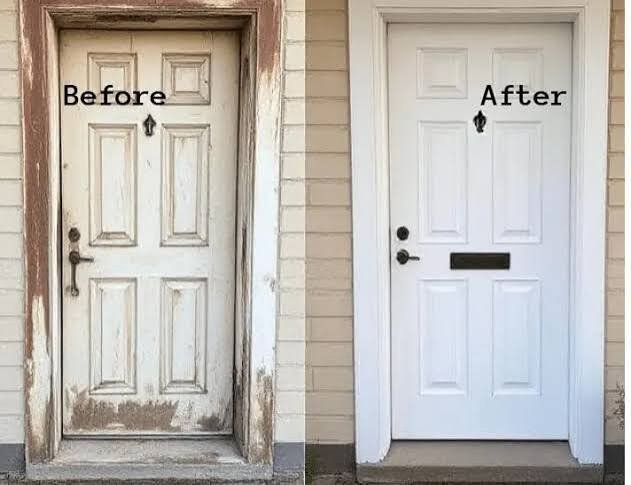
Doors are one of the most frequently used parts of any home, office, apartment building, or commercial property. Because they are constantly opened, closed, locked, and exposed to weather, they can develop problems long before the damage becomes obvious. Regular inspections can help identify these issues early and prevent expensive repairs. Whether you manage a commercial property or maintain your home, scheduling routine inspections with a professional Door Repair NYC provider can help keep your doors secure, functional, and energy efficient. Knowing how often to inspect your doors also makes it easier to recognize early warning signs and determine when professional repairs are necessary.
Why Regular Door Inspections Matter
A door may look perfectly fine while developing problems with its hinges, frame, lock, weatherstripping, or other hardware.
Small issues can gradually become larger problems. A loose hinge can cause misalignment, while a damaged frame can affect the way the door closes and locks. Ignoring these problems may eventually result in complete door failure.
Regular inspections allow property owners to identify minor defects before they become expensive repairs.
How Often Should You Inspect Your Doors?
The ideal inspection schedule depends on the type of door, how frequently it is used, and the environment where it is installed.
For most residential doors, a basic inspection every six months is a practical starting point. High-traffic commercial doors may need monthly or quarterly checks because they experience significantly more use.
Doors exposed to harsh weather, moisture, or heavy traffic should generally be inspected more frequently.
Residential Door Inspection Schedule
Homeowners should inspect exterior and interior doors regularly to ensure they continue working properly.
Exterior Doors
Front, back, and side entrance doors should receive particular attention because they protect the property from unauthorized access and outdoor conditions.
Inspect them at least twice a year and after severe weather events. Look for cracks, swelling, loose hardware, damaged weatherstripping, and problems with the locking mechanism.
Interior Doors
Interior doors typically experience less exposure to weather, but they can still develop problems.
Check bedroom, bathroom, closet, basement, and garage doors for loose hinges, sticking, unusual noises, damaged handles, and alignment problems.
Commercial Door Inspection Frequency
Commercial properties generally require more frequent inspections than residential properties.
Businesses often have employees and customers entering and leaving throughout the day. This constant activity places additional stress on hinges, closers, locks, frames, and other hardware.
High-Traffic Commercial Doors
Doors at restaurants, retail stores, offices, hospitals, schools, and apartment buildings may need monthly inspections.
Frequent use can cause hardware to loosen or wear out faster than expected. Early inspection helps prevent unexpected failures during business hours.
Low-Traffic Commercial Doors
Doors that are rarely used may not require monthly inspections, but they should not be ignored.
Infrequently used doors can develop rust, corrosion, sticking mechanisms, or weather-related damage. Checking them every few months can help maintain proper operation.
What Should You Look for During a Door Inspection?
A proper inspection involves more than simply opening and closing the door.
Property owners should examine the entire door system, including the door slab, frame, hinges, hardware, locks, threshold, and weatherstripping.
Check the Door’s Alignment
A properly aligned door should open and close smoothly without excessive force.
If the door rubs against the frame, floor, or threshold, it may have shifted out of alignment. Loose hinges, structural movement, or frame problems can cause this issue.
Alignment problems should be addressed quickly because they can place unnecessary stress on the entire door system.
Inspect the Hinges
Hinges support the door’s weight and allow it to move smoothly.
Loose, rusty, or damaged hinges can cause sagging and make the door difficult to operate. Listen for squeaking or grinding sounds and check whether the hinge screws remain tight.
Examine the Door Frame
The frame plays an important role in both security and functionality.
Look for cracks, gaps, warping, loose sections, or signs of water damage. A damaged frame can prevent the lock and latch from engaging correctly.
Test the Lock and Latch
Every exterior door should lock and unlock smoothly.
If you need to force the key, push or pull the door while locking it, or repeatedly adjust the handle, there may be an underlying alignment or hardware problem.
Inspect Door Weatherstripping
Weatherstripping creates a seal around exterior doors and helps prevent air, moisture, dust, and outside noise from entering the building.
Over time, weatherstripping can become cracked, compressed, or detached.
Damaged weatherstripping can increase energy costs because heated or cooled air escapes through gaps around the door.
Check for Water Damage
Moisture is one of the biggest threats to many types of doors.
Wooden doors can absorb water and swell, while repeated exposure can cause warping, cracking, and deterioration.
During inspections, check the bottom of the door, frame, threshold, and nearby wall for signs of moisture.
Look for Cracks and Structural Damage
Small cracks may initially appear harmless, but they can expand over time.
Inspect the door surface for splits, dents, holes, or separation around joints. Structural damage can reduce the door’s durability and may affect security.
Listen for Unusual Sounds
Unusual sounds can provide early warning of mechanical problems.
Squeaking may indicate dry hinges, while grinding or scraping can suggest alignment issues. A clicking or sticking lock may indicate problems inside the locking mechanism.
Paying attention to these sounds can help identify problems before they become serious.
Signs Your Door Needs Professional Repair
Not every door problem requires immediate professional service, but certain warning signs should not be ignored.
If your door suddenly becomes difficult to open, no longer closes properly, develops visible cracks, has damaged hardware, or cannot lock securely, professional inspection and repair may be necessary.
The Door Is Difficult to Open or Close
A door that suddenly requires excessive force may have an alignment, hinge, frame, or swelling problem.
Continuing to force the door can make the damage worse.
The Door Does Not Stay Closed
If a door repeatedly opens on its own or fails to latch, there may be a problem with the latch, strike plate, hinges, or frame.
This issue should be addressed promptly, particularly for exterior doors.
The Lock Is Difficult to Operate
A stiff or unreliable lock can indicate internal wear, misalignment, or damage.
Ignoring the issue could eventually leave you unable to lock or unlock the door.
Seasonal Door Inspections
Seasonal changes can affect door performance.
Temperature fluctuations can cause certain materials to expand and contract. Humidity can affect wooden doors, while winter conditions may contribute to drafts and moisture problems.
Spring Inspection
Spring is a good time to check for damage caused by winter weather. Inspect exterior doors for moisture damage, cracks, loose hardware, and deteriorated weatherstripping.
Fall Inspection
Before colder weather arrives, check exterior doors for gaps and damaged seals. Ensuring proper weatherstripping can improve comfort and energy efficiency during winter.
When to Schedule an Immediate Door Inspection
Some situations require inspection regardless of your normal maintenance schedule.
After a break-in, severe storm, accidental impact, water leak, or major renovation, inspect affected doors immediately.
Likewise, if a door suddenly changes how it operates, do not wait for your next scheduled inspection.
Why Professional Door Inspections Are Valuable
Homeowners can identify obvious problems, but professional technicians can detect issues that are easier to overlook.
A qualified door repair professional understands how different materials, frames, hinges, closers, locks, and other components work together.
They can identify the root cause of a problem instead of simply treating the visible symptom.
Preventive Door Maintenance Saves Money
Regular inspections can reduce long-term repair expenses.
Replacing a worn hinge or damaged weather seal is generally easier than repairing a severely damaged frame or replacing an entire door.
Preventive maintenance also extends the service life of your doors and reduces unexpected disruptions.
How Often Should You Hire a Professional?
For most homes, scheduling a professional inspection once or twice a year can be beneficial, especially for exterior doors.
Commercial properties should establish a maintenance schedule based on traffic levels, door type, building usage, and safety requirements.
If a door experiences heavy daily use, professional inspections may be needed more frequently.
Conclusion
Regular door inspections are one of the simplest ways to maintain security, functionality, comfort, and durability. Homeowners should generally inspect their doors at least twice a year, while high-traffic commercial properties may benefit from monthly or quarterly checks. Pay attention to alignment, hinges, frames, locks, weatherstripping, moisture, and unusual sounds, and address small problems before they become major repairs. If you notice a door that is sticking, sagging, damaged, or difficult to lock, contacting a professional Door Repair near me can help identify the cause and restore the door before the problem becomes more expensive or disruptive.