Clean and reliable water is essential for drinking, cooking, bathing, and everyday household activities. While many homeowners assume that water quality is determined entirely by their local water supply, the condition of a home’s plumbing system can also have a major impact. Aging pipes, corrosion, leaks, sediment buildup, and outdated fixtures can affect the taste, appearance, and overall quality of water. Professional Plumbers Staten Island can inspect your plumbing system, identify potential sources of water quality problems, and recommend practical solutions to help keep your household water cleaner and safer.
Understanding What Affects Home Water Quality
Water can become affected at different points between the municipal supply and your faucets. Even if the water entering your property meets applicable standards, problems inside the home’s plumbing system can change its condition.
The age and material of your pipes, water heater condition, plumbing fixtures, filtration equipment, and maintenance practices can all influence water quality.
Common Signs of Poor Water Quality
Homeowners may notice several warning signs when something is affecting their water.
Changes in taste or odor, cloudy water, unusual coloration, visible particles, and stains around sinks or fixtures may indicate a plumbing-related issue. While not every change means the water is unsafe, unusual changes should not be ignored.
A plumber can investigate the plumbing system and determine whether the problem is related to pipes, fixtures, water heaters, or another component.
How a Plumber Can Identify Water Quality Problems
Professional plumbers use their experience to inspect the plumbing system and identify potential sources of contamination or deterioration.
Inspecting Pipes
Pipes are one of the most important parts of a home’s water system. Older pipes can develop corrosion, mineral deposits, cracks, or internal buildup.
A plumber can inspect accessible sections of the plumbing and determine whether aging or damaged pipes could be affecting water quality.
Checking Plumbing Fixtures
Faucets, showerheads, valves, and other fixtures can collect mineral deposits and sediment over time.
A professional can examine these components and recommend cleaning, repair, or replacement when necessary.
Evaluating the Water Heater
The water heater can also affect household water quality. Sediment and mineral deposits can accumulate inside the tank, especially in areas with hard water.
Regular inspection and maintenance can help reduce buildup and improve the performance of the water heating system.
Addressing Corrosion in Plumbing Pipes
Corrosion is one of the most common plumbing issues that can affect water quality.
When certain pipe materials deteriorate, minerals or metal particles may enter the water. Corrosion can also cause leaks and reduce the lifespan of the plumbing system.
Replacing Severely Corroded Pipes
If corrosion is extensive, cleaning may not provide a long-term solution. A plumber may recommend replacing affected sections with modern plumbing materials.
Replacing deteriorated pipes can improve system reliability and reduce the risk of recurring water quality concerns.
Repairing Minor Plumbing Damage
Not every plumbing issue requires complete repiping.
If a problem is isolated to a specific section, targeted repairs may resolve the issue while minimizing disruption and expense.
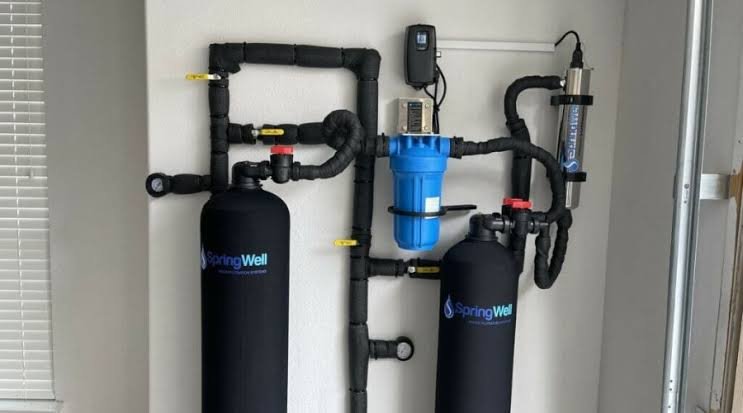
Installing Water Filtration Systems
Water filtration is another way plumbers can help improve household water quality.
Different filtration systems are designed to address different water characteristics. A plumber can evaluate your plumbing system and help determine which type of filtration setup is appropriate.
Whole-House Water Filtration
A whole-house filtration system treats water as it enters the property. This means filtered water can be supplied to multiple fixtures throughout the home.
This type of system may be useful for homeowners who want consistent filtration for drinking, cooking, bathing, and other household uses.
Under-Sink Filtration
Under-sink systems are installed at a specific faucet and can provide filtered water for drinking and cooking.
They are often suitable when homeowners want targeted filtration without installing a whole-house system.
Water Softening for Hard Water
Hard water contains elevated levels of minerals such as calcium and magnesium. While hard water is not necessarily dangerous, it can create several household plumbing problems.
Mineral deposits can accumulate inside pipes, faucets, showerheads, and water heaters.
How Hard Water Affects Plumbing
Hard water can create scale buildup that restricts water flow and reduces the efficiency of water heaters.
It can also leave spots on fixtures, create residue on dishes, and make soaps and detergents less effective.
A plumber can assess the plumbing system and recommend an appropriate water softening solution when needed.
Flushing Sediment From the Plumbing System
Sediment can accumulate in pipes and water heaters over time.
A professional plumber can determine whether sediment buildup is contributing to changes in water appearance or flow.
Flushing certain components can remove accumulated material and improve system performance.
Water Heater Maintenance and Water Quality
Water heaters require regular maintenance to operate efficiently.
Over time, minerals and sediment can settle at the bottom of a storage tank. This buildup can affect heating performance and contribute to unusual odors or discoloration in hot water.
Why Water Heater Flushing Matters
Flushing a water heater removes accumulated sediment from the tank.
Regular maintenance can improve efficiency, reduce strain on the heating system, and potentially extend the unit’s service life.
Replacing Outdated Plumbing Fixtures
Old faucets and fixtures can become damaged, corroded, or difficult to clean.
Replacing outdated fixtures with modern, quality components can improve both water delivery and household convenience.
A plumber can also make sure new fixtures are installed correctly to prevent leaks and other plumbing problems.
Fixing Leaks That Can Affect Water Quality
Even a small plumbing leak should not be ignored.
Leaks can allow unwanted materials to enter parts of the plumbing system, while moisture around pipes can create conditions that encourage mold and other problems outside the water supply.
Finding Hidden Leaks
Some leaks occur behind walls, under floors, or in other difficult-to-access areas.
Professional plumbers can use specialized diagnostic methods to locate hidden leaks without unnecessary damage to the property.
Repairing Leaking Connections
Loose fittings, damaged seals, and deteriorated connections can all cause leaks.
Repairing these problems quickly helps maintain the integrity of the plumbing system and prevents additional water damage.
Preventing Backflow Problems
Backflow occurs when water flows in an unintended direction and potentially introduces contaminants into a clean water supply.
Plumbing professionals can inspect systems where backflow may be a concern and install appropriate backflow prevention devices.
Backflow Prevention Devices
These devices are designed to help prevent contaminated water from flowing backward into the potable water system.
Proper installation and maintenance are important for keeping the plumbing system functioning as intended.
Professional Water Quality Testing
When homeowners notice unusual changes in water, testing can help identify potential concerns.
A plumber may recommend water testing or work with qualified water testing professionals depending on the situation.
Testing can provide useful information about the characteristics of the water and help determine whether filtration, pipe repairs, fixture replacement, or another solution is appropriate.
Improving Water Pressure Without Sacrificing Quality
Water pressure can also influence the overall performance of a plumbing system.
Extremely low pressure may indicate clogged pipes, mineral buildup, leaks, or problems with the main supply. Excessively high pressure can put additional stress on pipes and fixtures.
A plumber can evaluate water pressure and identify the underlying cause rather than simply installing a pressure-related device without understanding the problem.
Maintaining Clean Plumbing Over Time
Improving water quality is not a one-time project. Regular plumbing maintenance helps keep the system in good condition.
Homeowners should pay attention to changes in water appearance, taste, odor, pressure, and temperature. Scheduling professional inspections can help identify developing issues before they become major problems.
Routine maintenance may include:
- Inspecting pipes and connections.
- Cleaning or replacing affected fixtures.
- Maintaining water heaters.
- Checking filtration and softening equipment.
- Looking for leaks and corrosion.
When Should You Call a Professional Plumber?
Some water quality changes require professional attention.
If your water suddenly becomes discolored, develops an unusual smell or taste, contains visible particles, or changes significantly after plumbing work, it is worth investigating the cause.
Professional assistance is especially important when the issue is accompanied by leaks, reduced pressure, damaged pipes, or water heater problems.
Choosing the Right Plumbing Professional
Not every water quality problem has the same solution. An experienced plumber should inspect the system before recommending major repairs or equipment.
Look for a professional who understands residential plumbing, water filtration, pipe materials, water heaters, pressure systems, and modern plumbing technology.
A good plumber will explain the cause of the issue and provide practical options based on your home’s plumbing system.
The Long-Term Benefits of Better Water Quality
Improving your home’s water quality can provide benefits beyond cleaner-looking water.
A well-maintained plumbing system can reduce corrosion, minimize mineral buildup, improve fixture performance, protect appliances, and provide greater confidence when using water throughout the home.
Professional maintenance can also help identify small plumbing problems before they develop into expensive emergencies.
Conclusion
A plumber can play an important role in improving and maintaining your home’s water quality. From inspecting aging pipes and repairing leaks to flushing water heaters, replacing outdated fixtures, installing filtration systems, and addressing hard-water problems, professional plumbing services can help protect both your water system and your home. If you notice unusual changes in your water or need professional assistance with your plumbing system, contacting an experienced Emergency Plumber Staten Island can help you identify the problem quickly and take the right steps toward cleaner, more reliable household water.