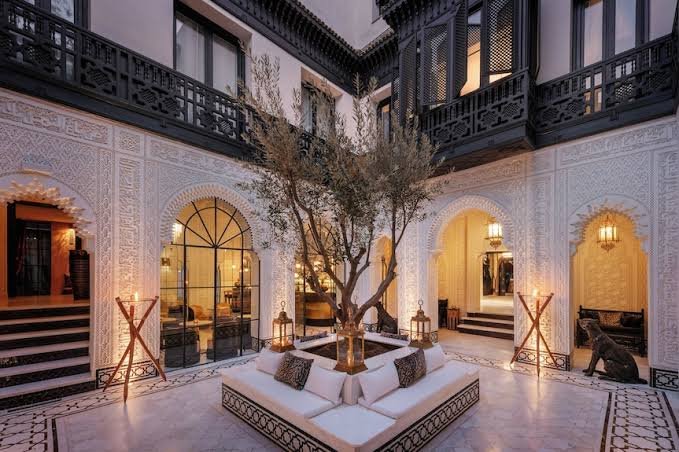
A traveller in Berlin planning four nights in Marrakech rarely starts with a phone call. She opens Google Maps, scrolls through Instagram, compares a few riads on a booking platform, and then, more often than owners expect, she looks for the property’s own website before she commits. If she finds a slow page, blurry photos and a contact form that never replies, she moves on. The riad two streets away, with clear rooms, honest prices and a simple booking button, gets the reservation.
That quiet moment of checking is where a professional website earns its keep. For hotels, riads and restaurants that depend on visitors from abroad, the website is often the first real conversation with a guest. It happens long before anyone at reception knows that guest exists.
International guests book with their eyes first
A local diner can walk past your door and peek inside. A family in Toronto cannot. They rely entirely on what they see online, and every unanswered question adds doubt. Doubt is the main reason people close a tab and pick somewhere else.
A good hospitality website answers the questions travellers actually have:
- Where exactly are you? Riads inside the medina are famously hard to find. A map, a photo of the door and directions from the nearest taxi drop-off point save guests real stress.
- What does each room look like? Real photos of every room type, with size, bed setup and view.
- What is included? Breakfast, airport transfer, rooftop access, hammam, Wi-Fi.
- What happens if plans change? A clear cancellation and payment policy.
When this information is easy to find, guests feel they already know the place. That feeling turns browsers into bookers.
Speak your guests’ language, literally
Your guests may come from France, Spain, Germany, the UK, the US or the Gulf. A site that only works in one language quietly turns many of them away. Offering French, English and Spanish versions, and Arabic or German where your guest data supports it, makes the experience feel personal.
Quality matters here. A page run through a free translator often reads awkwardly and hurts trust. Properly translated pages, set up with the right language tags, also help Google show the correct version to people searching in each country. Showing prices in euros or dollars alongside dirhams removes one more small hurdle.
Direct bookings protect your margins
Online travel agencies are useful for visibility, but their commissions commonly fall between 15% and 25% of each booking. For a small riad with eight rooms, that adds up to a serious amount every season.
A website with an integrated booking engine lets guests reserve with you directly. Many travellers find a property on a booking platform and then visit its own site to compare. Give them a reason to book there: a welcome mint tea, a free airport pickup, a late checkout or a slightly better rate. Moving even a modest share of bookings to direct channels can noticeably improve your yearly profit, and you keep the guest’s email for future offers.
Restaurants need more than a nice photo
Tourists search on their phones for things like “rooftop dinner near Jemaa el-Fnaa” or “best tagine in Gueliz”. Restaurants that appear in those results tend to have a few things in common:
- A menu published as real text, not a scanned PDF or a photo. Google can read it, phones display it properly, and visitors can translate it in their browser.
- Clear notes on vegetarian, vegan and allergy-friendly dishes.
- Opening hours that match the Google Business Profile exactly.
- An easy way to reserve, whether through a form, a booking widget or a WhatsApp button.
A simple, fast restaurant site paired with a well-kept Google profile often brings in more walk-ins than paid ads.
Mobile speed and real photos build trust
Most travel research now happens on phones, often on roaming data or patchy hotel Wi-Fi. A page that takes eight seconds to load will lose people before they see your courtyard. Compressed images, clean code and reliable hosting make a visible difference.
Photos deserve their own budget. Stock images of generic pools fool nobody. Guests want to see your actual terrace, your breakfast table and your staff. Add recent reviews, a secure HTTPS connection, a full address and a working phone number, and you give a stranger thousands of kilometres away good reasons to trust you.
Local SEO brings guests who are ready to book
A professional website also works quietly in search. Structured data for hotels and restaurants helps Google understand your prices, location and ratings. Helpful pages, such as “How to reach our riad from Marrakech airport” or “Best time of year to visit the Atlas Mountains”, attract people at the planning stage and introduce your property early.
Linking the website to your Google Business Profile, Tripadvisor listing and social accounts keeps your details consistent. Search engines reward that consistency with better visibility.
Choosing the right web partner
Not every web designer understands hospitality. Look for a team that has built sites with booking engines, multilingual content and fast mobile performance, and that will support you after launch. Agencies rooted in the tourism economy, such as Red City Web in Marrakech, tend to understand how international guests search, compare and book, which shortens the learning curve for everyone.
Ask to see live hospitality projects, check how they load on your own phone, and ask who will update rates and photos when the season changes.
Final thoughts
A professional website will not replace warm service, good food or a beautiful courtyard. What it does is make sure guests from abroad discover those things before they arrive. For hotels, riads and restaurants competing for international travellers, that first impression on a screen often decides who gets the booking.
