
Relocating from a traditional office to destinations like Lisbon or Koh Phangan is now more achievable than ever. As remote work becomes widespread, many governments have eased immigration processes to attract global talent and digital nomads.
Previously, moving abroad required extensive planning and high legal costs. Today, new residence permits offer faster, more accessible, and digital solutions. These visas provide tax benefits, lower living costs, and improved work-life balance, making relocation easier than ever.
The Rise of the “Workation” Permit
Securing international residency can be complex, but platforms like HandleVisa now simplify the process by assisting travelers and expats with required documentation. This shift reflects a broader trend toward greater convenience in government regulations.
According to the 2025 World Population Review, countries such as Canada and Australia remain leaders in immigration ease due to their points-based systems. For those not seeking immediate permanent citizenship, temporary residence permits are now the preferred option. Many countries offer incentives such as zero local income tax and extended stays to attract new residents.
1. Portugal: The Gateway to Europe

https://www.shutterstock.com/es/g/de+Jesus+Oliveira
Portugal continues to be a top choice for expats. Although the “Golden Visa” now focuses less on real estate, the D7 Visa, also known as the Passive Income Visa, remains accessible for retirees and remote workers. With a minimum income requirement of approximately €820 per month, it is among the most affordable entry points to the Schengen Area.
Portugal offers more than straightforward paperwork; it provides an appealing lifestyle. After five years of legal residency and passing a basic A2-level Portuguese language test, applicants may apply for permanent residency or citizenship, making it a strong option for those seeking an EU passport.
2. Thailand: The Five-Year “Destination” Visa
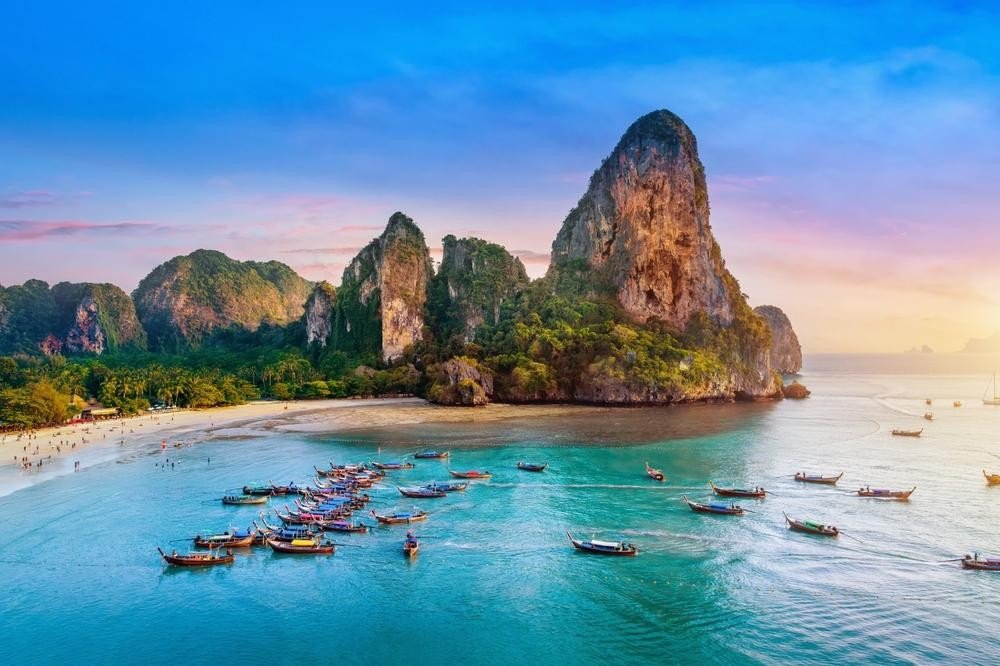
https://www.shutterstock.com/es/g/tawatchai+prakobkit
In mid-2024, Thailand introduced the Destination Thailand Visa (DTV), significantly expanding eligibility compared to previous digital nomad programs. The DTV permits remote workers, freelancers, and individuals attending courses to stay in Thailand for up to five years with multiple entries.
The financial requirement is relatively low compared to other high-tier visas; applicants must show proof of funds of at least 500,000 Thai Baht (approximately $14,000 USD). There is no ongoing monthly income requirement, making this visa accessible for freelancers with variable earnings.
3. Spain: The Family-Friendly Digital Nomad Visa

https://www.shutterstock.com/es/g/word_landmarks
Spain’s Digital Nomad Visa (DNV) has quickly become one of the most sought-after permits in Europe since its inception. In 2025, the Spanish government further refined the process, extending renewal periods to four years to provide more stability for residents. To qualify, an individual typically needs to prove a monthly gross income of around €2,762, which is double the Spanish national minimum wage.
What sets Spain apart is its inclusivity. Unlike some programs that make it difficult to bring dependents, the Spanish DNV is remarkably family-friendly, allowing you to bring a spouse and children with relatively modest additional income requirements. From the coworking hubs of Barcelona to the laid-back plazas of Seville, Spain offers a high-speed internet infrastructure paired with a culture that prioritizes life over work.
4. Costa Rica: The “Pura Vida” Remote Work Permit
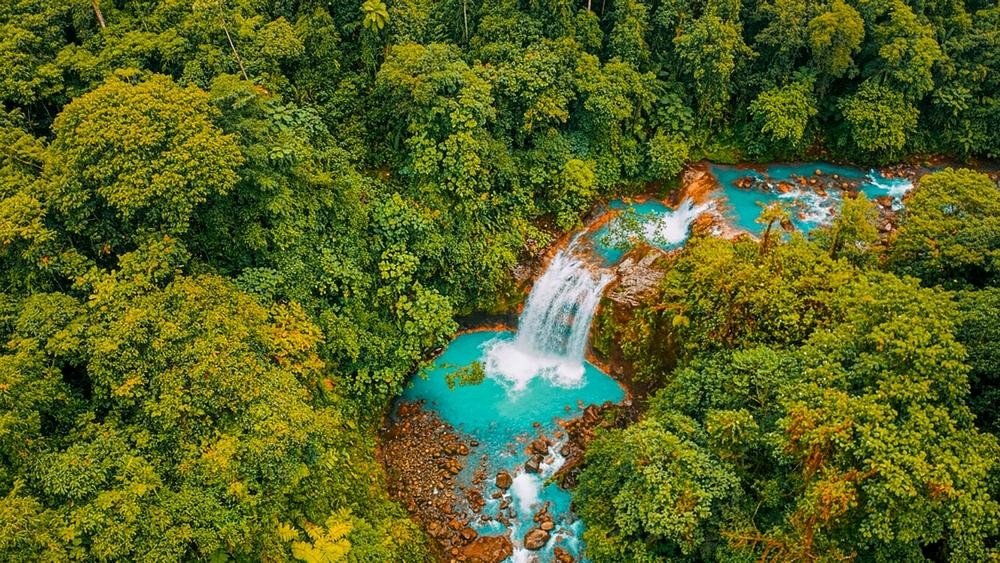
https://www.shutterstock.com/es/g/Pic2025
For those who prefer rainforests to cobblestone streets, Costa Rica’s “Estancia para Trabajador y Prestador Remoto” is a standout choice. This visa is valid for one year, renewable for another, and offers a total exemption from local income tax on foreign earnings. This means every dollar you earn from your home-based clients stays in your pocket, significantly boosting your purchasing power in a country known for its high quality of life.
The entry requirements are straightforward: a monthly income of $3,000 for individuals or $4,000 for families. Costa Rica has invested heavily in its digital infrastructure, ensuring that even if you are working from a villa overlooking the Pacific, your Zoom calls won’t drop. It is the ultimate destination for those looking to swap their morning commute for a sunrise surf session.
5. Mexico: The Land of Perpetual Spring
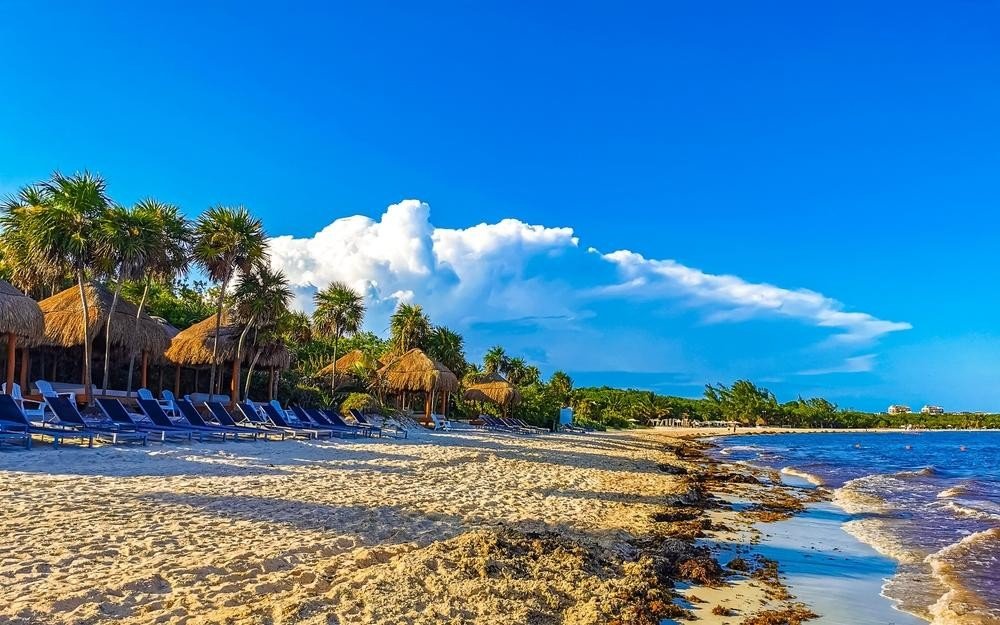
https://www.shutterstock.com/es/g/Arkadij+Schell
Mexico’s Temporary Resident Visa is among the most flexible options available. It permits stays from six months to four years and offers a clear path to permanent residency. Although income requirements increased slightly in 2025, the visa remains competitive for those with stable pensions or remote salaries.
According to official Mexican Consular guidelines, applicants may demonstrate solvency through monthly income or significant savings. The “Family Unity” provision allows residents to bring family members with ease, supporting a smooth transition to life in Mexico. The world is opening up, and the “red tape” is slowly being replaced by digital portals and welcoming policies. However, it is essential to remember that visa rules are as fluid as the tides; what is easy today might change tomorrow.
Final Thoughts for the Modern Mover
Relocating to a new country is no longer a privilege reserved for the ultra-wealthy or corporate executives on international assignments. The world is opening up, and the “red tape” is slowly being replaced by digital portals and welcoming policies. However, it is essential to remember that visa rules are as fluid as the tides; what is easy today might change tomorrow.
Before you book your flight and pack your bags, ensure you have your financial statements, criminal background checks, and health insurance in order. The “Red Wine” part of the journey is waiting for you, all you have to do is take the first step toward the “Red Tape.”
Author: Helena Capdevila
Position: Marketing specialist in travel
Author bio: Helena Capdevila is a travel marketing specialist who loves turning real journeys into helpful, down-to-earth travel stories. With a background in digital marketing and a passion for discovering new cultures, she writes practical guides and destination-focused posts designed to inspire curious travelers to explore the world with confidence and curiosity. https://www.linkedin.com/in/helena-capdevila-88744716a/
Headshot: