The Everest region of Nepal remains one of the most sought-after trekking destinations in the world, attracting adventurers, nature lovers, and thrill-seekers alike. Among the many trekking options available, two experiences stand out for their uniqueness and challenge: the Everest trek with helicopter return package and the Everest High Passes trek. While both journeys offer unparalleled views of the Himalayas, they cater to different types of trekkers. This article explores these two keywords in depth, helping you understand their features, benefits, and difficulty levels.
Everest Trek with Helicopter Return Package
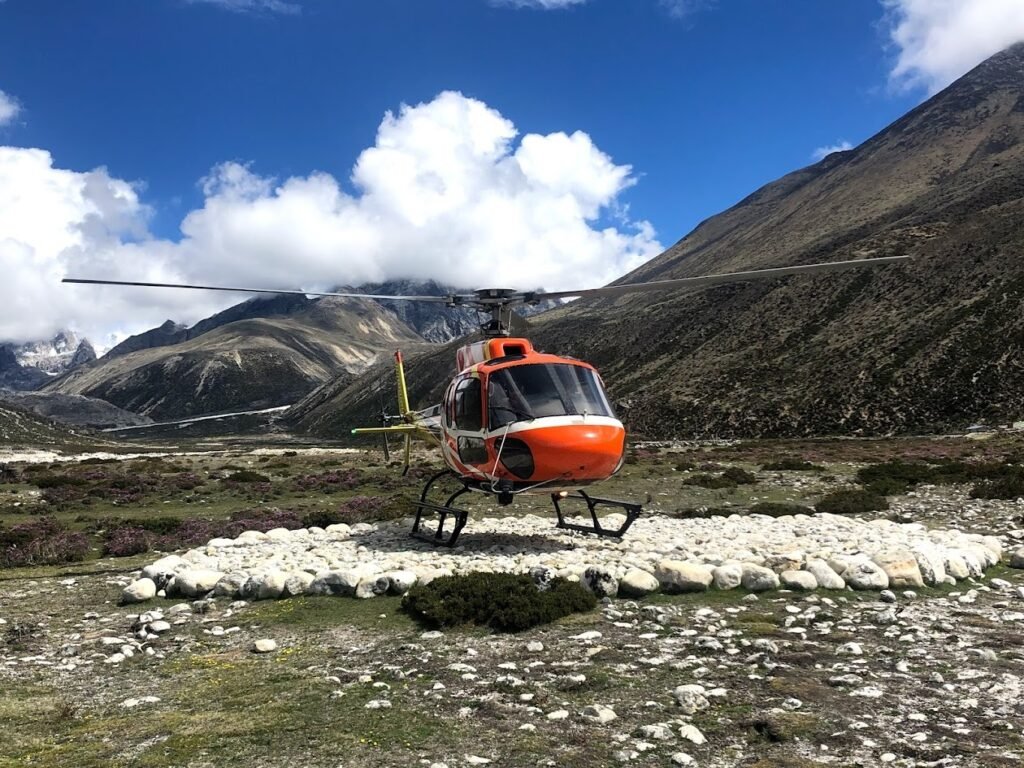
The Everest trek with helicopter return package is a modern and convenient twist on the classic Everest Base Camp (EBC) trek. It combines the adventure of trekking through the Khumbu region with the luxury and efficiency of a helicopter ride back to Kathmandu.
What is the Helicopter Return Trek?
Traditionally, trekkers follow the same route back after reaching Everest Base Camp or Kala Patthar. However, this can be physically demanding and time-consuming. The helicopter return package eliminates the need for the return trek by flying you back from Gorakshep or nearby locations directly to Kathmandu.
This option is particularly popular among those who have limited time or prefer to avoid retracing their steps.
Key Highlights
- Scenic helicopter flight over the Himalayas
- Close-up views of Mount Everest, Lhotse, Nuptse, and Ama Dablam
- Time-saving alternative to the traditional descent
- Reduced physical strain on the body
- Ideal for photographers and luxury trekkers
Itinerary Overview
A typical Everest trek with helicopter return package lasts around 10–12 days. The journey begins with a flight to Lukla, followed by trekking through iconic villages such as Namche Bazaar, Tengboche, and Dingboche. After reaching Everest Base Camp and hiking up to Kala Patthar for panoramic views, trekkers board a helicopter for a spectacular return journey.
Who is This Trek For?
This package is ideal for:
- Travelers with limited time
- First-time trekkers seeking a less strenuous option
- Individuals concerned about fatigue or altitude-related issues
- Luxury travelers looking for a premium experience
Cost Considerations
The helicopter return trek is more expensive than the standard EBC trek due to the cost of the helicopter flight. Prices typically range between $3,500 to $5,500 depending on the season, group size, and services included.
Everest High Passes Trek Difficulty
The Everest High Passes trek is one of the most challenging and rewarding trekking routes in Nepal. It goes beyond the standard Everest Base Camp trek by crossing three high mountain passes: Kongma La (5,535 m), Cho La (5,420 m), and Renjo La (5,360 m).
What Makes It Difficult?
The Everest High Passes trek difficulty lies in several factors:
1. High Altitude
Trekkers spend extended periods above 5,000 meters, where oxygen levels are significantly lower. This increases the risk of altitude sickness and requires proper acclimatization.
2. Long Trekking Days
Daily walking hours can range from 6 to 9 hours, often on steep and rugged terrain. The passes themselves require early starts and physically demanding climbs.
3. Technical Terrain
Some sections, particularly Cho La Pass, involve glacier crossings, icy paths, and rocky trails. While not requiring advanced mountaineering skills, they demand good balance and stamina.
4. Weather Conditions
The weather in the Everest region can be unpredictable. Strong winds, snowfall, and freezing temperatures can make the trek even more challenging.
Required Fitness Level
The Everest High Passes trek is recommended for experienced trekkers with:
- Excellent physical fitness
- Prior high-altitude trekking experience
- Strong mental endurance
- Ability to adapt to changing conditions
Preparation should include cardiovascular training, strength exercises, and practice hikes.
Duration and Route
This trek usually takes 18–21 days to complete. The route includes:
- Lukla to Namche Bazaar
- Everest Base Camp and Kala Patthar
- Crossing Kongma La, Cho La, and Renjo La passes
- Visiting Gokyo Lakes
Rewards of the Trek
Despite its difficulty, the Everest High Passes trek offers unmatched rewards:
- Diverse landscapes, from glaciers to turquoise lakes
- Stunning panoramic mountain views
- Less crowded trails compared to EBC
- A true sense of adventure and accomplishment
Comparing the Two Experiences
| Aspect | Helicopter Return Trek | High Passes Trek |
| Duration | 10–12 days | 18–21 days |
| Difficulty | Moderate | Very Difficult |
| Return Journey | Helicopter | On foot |
| Fitness Level | متوسط (Moderate) | Advanced |
| Cost | High | Moderate |
| Experience Type | Comfortable & scenic | Challenging & adventurous |
Which One Should You Choose?
Choosing between these two options depends on your goals, time, and physical condition.
- If you want to experience Everest comfortably with a touch of luxury, the Everest trek with helicopter return package is the best choice.
- If you are an experienced trekker seeking a physically demanding adventure, the Everest High Passes trek will provide a deeper and more immersive experience.
Final Thoughts
Both the Everest trek with helicopter return package and the Everest High Passes trek offer incredible opportunities to explore one of the most iconic regions on Earth. While one prioritizes convenience and comfort, the other challenges your limits and rewards you with unmatched adventure.
Understanding the Everest High Passes trek difficulty is crucial before committing to such a demanding journey. Proper preparation, training, and acclimatization are essential for success.
On the other hand, the helicopter return option opens the Everest experience to a broader audience, making it accessible without compromising on the breathtaking beauty of the Himalayas.