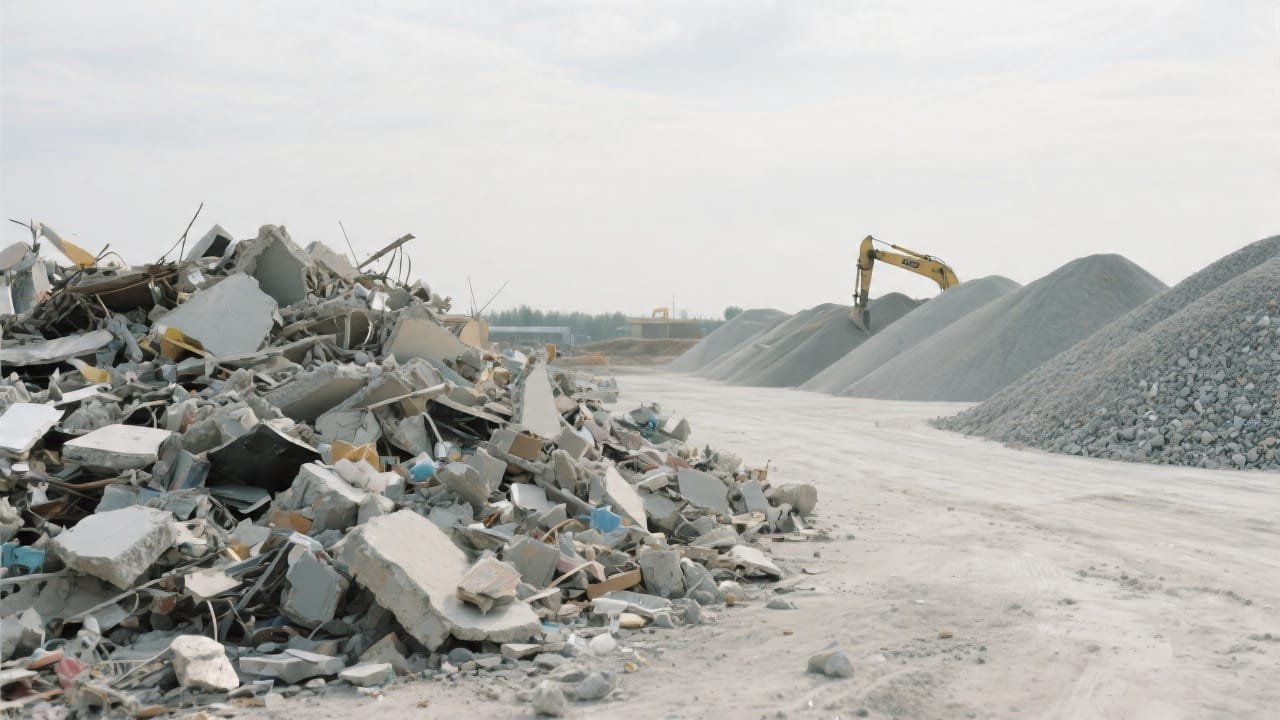
Construction sites generate enormous amounts of waste – concrete, asphalt, brick, and mixed debris that often end up in landfills. But what if that “waste” could become a reliable revenue stream instead of a cost center? With the right approach and modern recycling equipment, contractors and material processors can turn construction debris into valuable, reusable materials while reducing disposal expenses and improving project margins.
This guide breaks down how construction debris recycling works, why it matters, and how you can turn leftover material into profit.
Why Construction Debris Recycling Matters More Than Ever
The construction industry is under increasing pressure to reduce waste and operate more sustainably. At the same time, disposal costs continue to rise, especially in urban areas where landfill space is limited.
That’s where construction waste management solutions come into play.
Instead of hauling debris away and paying tipping fees, contractors are now processing materials on-site or nearby. This shift offers several key advantages:
- Lower transportation and disposal costs
- Faster jobsite cleanup and turnaround
- New revenue from selling recycled materials
- Reduced environmental impact
In many regions, regulations are also pushing contractors toward recycling practices, making it not just a smart choice, but a necessary one.
What Materials Can Be Recycled?
One of the biggest misconceptions is that construction waste is too mixed or contaminated to be useful. In reality, a wide range of materials can be processed and reused.
Common recyclable materials include:
- Concrete (foundations, slabs, sidewalks)
- Asphalt (roads, driveways, parking lots)
- Brick and masonry
- Natural stone
- Excavated materials
Understanding how to recycle concrete and asphalt is especially important, as these are the most abundant and valuable materials on most jobsites.
The Concrete Recycling Process Explained
Turning raw debris into usable material involves several steps. The concrete recycling process is straightforward but requires the right setup to be efficient and profitable.
1. Collection and Sorting
Materials are gathered from demolition or construction activities. Removing contaminants like wood, plastic, and metal improves the quality of the final product.
2. Crushing
Concrete and other materials are fed into a crusher that breaks them down into smaller, manageable sizes. Depending on the application, different crushing methods can be used.
3. Screening
The crushed material is sorted by size using screening equipment. This ensures consistency for different use cases, such as base layers or fill material.
4. Reuse or Sale
The final product can be reused on-site or sold as recycled aggregate.
This process transforms what was once a disposal problem into a valuable resource.
Recycling Construction Waste for Profit
The real opportunity lies in recycling construction waste for profit. Many contractors underestimate how much value is sitting in their debris piles.
Here’s how the numbers work:
- Avoided disposal costs: Landfill fees can range from moderate to very high depending on location
- Reduced hauling expenses: Fewer truckloads leaving the site
- Material reuse savings: No need to purchase new aggregate
- Direct sales: Recycled material can be sold to other contractors or developers
In some cases, recycled aggregate becomes a consistent secondary revenue stream, especially for companies handling frequent demolition or excavation projects.
On-Site vs Off-Site Recycling
One of the biggest decisions in construction debris recycling is where to process materials.
On-site recycling
Advantages:
- Immediate reuse of material
- Minimal transportation costs
- Faster project timelines
Best for:
- Large demolition projects
- Remote sites
- Contractors with frequent material volume
Off-site recycling
Advantages:
- No need to own equipment
- Simpler logistics
- Access to large-scale processing facilities
Best for:
- Smaller projects
- Urban areas with limited space
- Occasional recycling needs
Choosing the right approach depends on your project size, frequency, and long-term strategy.
How to Recycle Concrete and Asphalt Efficiently
Efficiency is the key to profitability. Knowing how to recycle concrete and asphalt properly can significantly impact your margins.
Tips for better results:
- Pre-sort materials to reduce contamination
- Use the right crusher type based on material hardness and size
- Optimize feed size for consistent output
- Maintain equipment regularly to avoid downtime
- Match output size to demand in your local market
These small adjustments can make a big difference in both output quality and operational efficiency.
Market Demand for Recycled Materials
Recycled construction materials are no longer seen as inferior. In many cases, they are preferred due to cost and availability.
Common uses for recycled aggregate:
- Road base and sub-base
- Backfill material
- Drainage applications
- Temporary access roads
- Landscaping projects
As infrastructure projects continue to grow, demand for affordable base materials remains strong, making recycled products highly marketable.
Environmental and Regulatory Benefits
Beyond profit, construction debris recycling offers significant environmental advantages.
- Reduces landfill usage
- Lowers carbon emissions from transport
- Conserves natural resources
- Supports sustainable building practices
Many governments and municipalities now encourage or require recycling as part of construction waste management solutions, especially on public projects.
Adopting these practices can also improve your company’s reputation and help win environmentally conscious clients.
Common Challenges and How to Overcome Them
While the benefits are clear, there are some challenges to consider.
1. Initial investment
Equipment costs can be significant, but they are often offset by long-term savings and revenue.
2. Material contamination
Proper sorting and handling can minimize this issue.
3. Market access
Building relationships with buyers of recycled materials ensures consistent demand.
4. Operational learning curve
Training your team and optimizing processes takes time, but quickly pays off.
Is Construction Debris Recycling Right for Your Business?
If your projects regularly generate concrete, asphalt, or masonry waste, recycling is worth serious consideration.
You may benefit most if you:
- Handle frequent demolition or renovation work
- Operate in areas with high disposal costs
- Want to reduce dependency on purchased materials
- Are looking for additional revenue streams
Even smaller contractors can find value by integrating recycling into their workflow.
Final Thoughts
The shift from waste disposal to resource recovery is transforming the construction industry. What was once seen as a problem is now an opportunity.
By investing in the right processes and understanding the concrete recycling process, contractors can reduce costs, improve efficiency, and unlock new income streams. With growing demand for sustainable practices and rising landfill fees, construction debris recycling is no longer optional – it’s a competitive advantage.
Turning debris into profit is not just possible – it’s already happening on jobsites around the world.