Energy-saving tips for home don’t have to mean sacrificing comfort or convenience.With a few cunning moves, homeowners can save money and maintain a cozy and comfortable house. From how you use your appliances to how well you insulate, you’ll discover nine steps that you can take to save energy and save money on your monthly bills.
Globally electricity costs are skyrocketing, and it is having a negative impact on households. By making energy-saving choices, households cannot just save cash but additionally help the planet. The tips below are all feasible, attainable, and will enable you to make positive modifications to your home without the necessity to alter your lifestyle.
1. Optimize Appliance Usage
One of the top uses of the electricity in a household is for appliances. The energy is lost by many people without their knowing it by running the machines in an inefficient way. For instance, washing machines and dishwashers are more energy efficient if they are filled to capacity. Laundry cycles done with cold water can also save electricity because a large percentage of electricity costs is related to water heating.
Another good tactic is to turn off appliances when they’re not being used. Phantom Power is the energy that devices like TVs, game consoles and microwaves use when they are “off” but plugged in. Homeowners can lessen this energy “leaker” by unplugging electronics with smart power strips, or just by unplugging the electronics. These small savings will soon result in huge savings on electric bills.
2. Improve Home Insulation
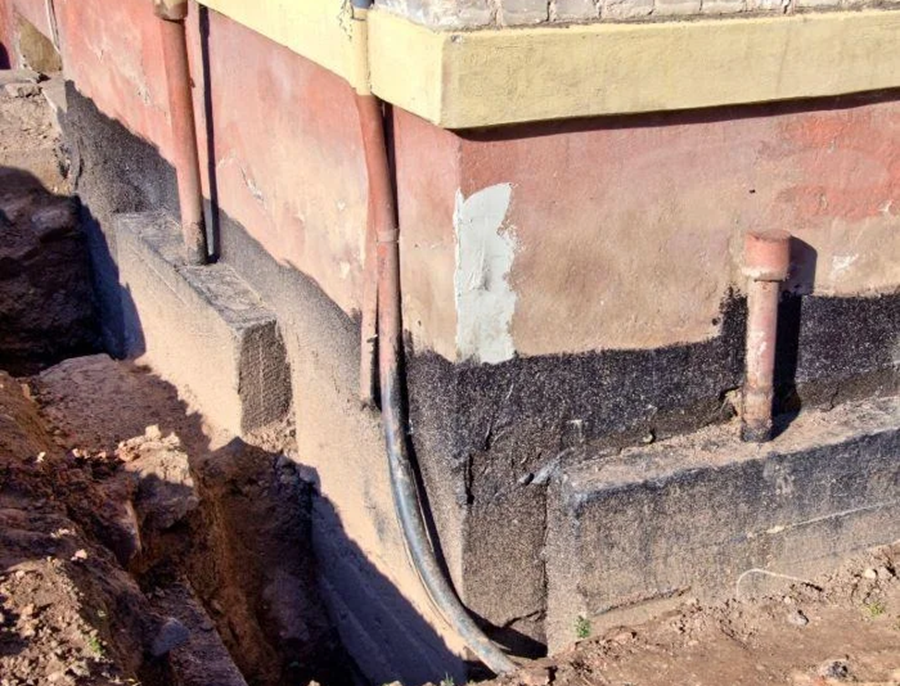
Insulation is an important factor of maintaining indoor temperatures. Heat loss can occur in the cold season and gain in the warm season through uninsulated walls, ceiling and floor. This results in more frequent operating cycles, and more energy consumption of the heating/cooling systems. Fiberglass, cellulose or spray foam are types of insulation that will reduce heat loss significantly.
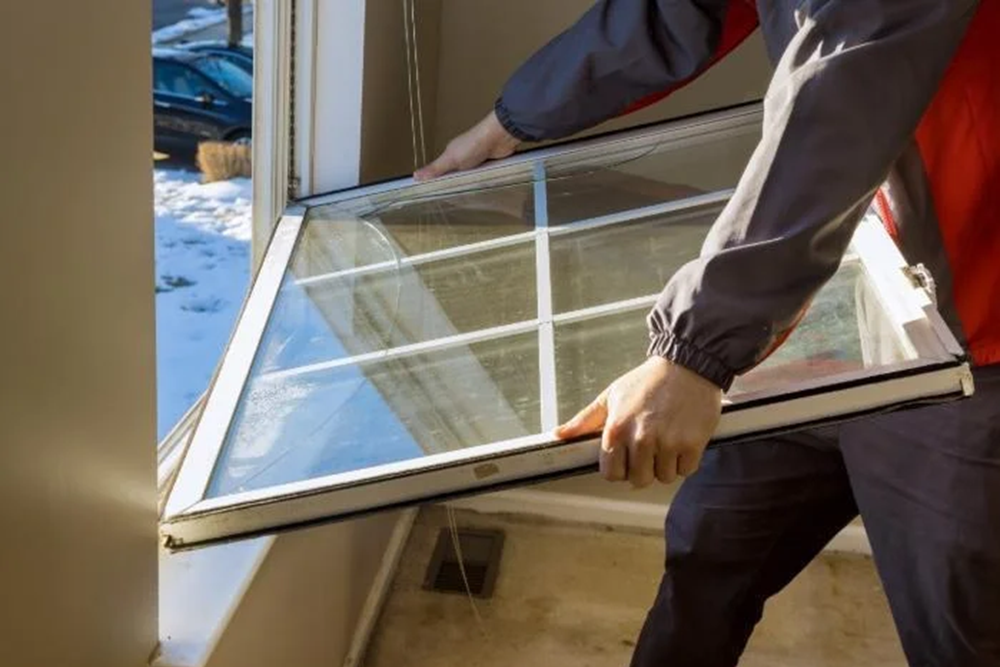
Drafts are often due to windows and doors. Caulking or weather-stripping makes a tight seal to prevent air leakage into the building, keeping conditioned air inside. Homeowners will not only save on electricity costs, but they will also benefit from making their home even more comfortable to live in all year-round with their investment in the right kind of insulation.
3. Use Energy-Efficient Lighting
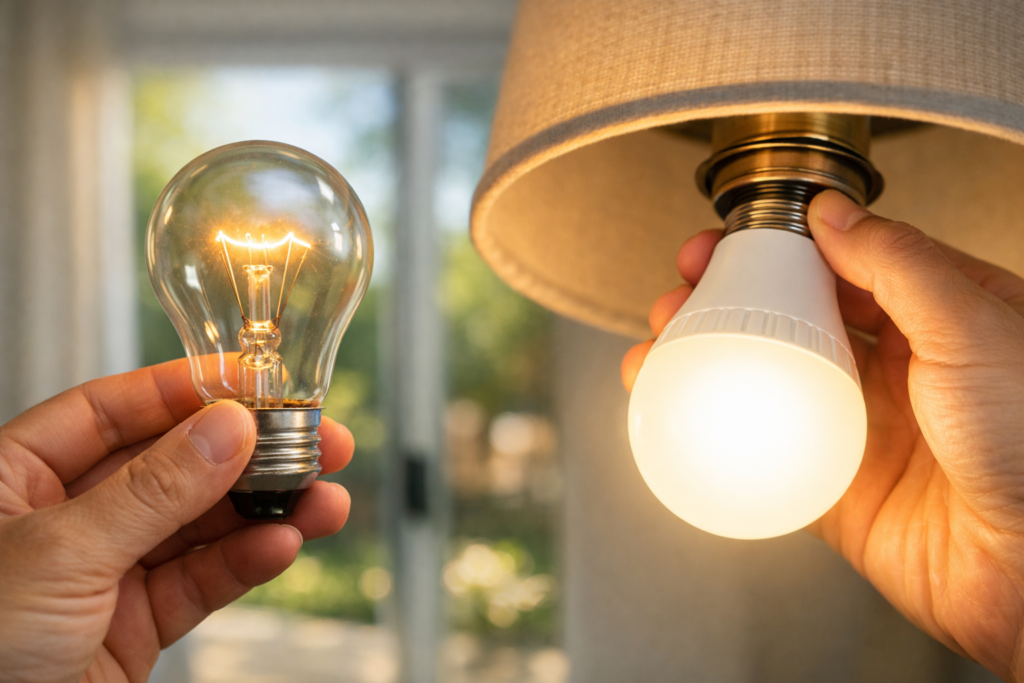
The home consumes a significant amount of electrical energy with the use of lights. These old-fashioned incandescent lights use a tremendous amount more energy than other options. Install energy-efficient lighting (LED or CFL) to reduce up to 75% of the energy. Moreover these bulbs are more durable, leading to reduced replacement and maintenance costs.
There are not only different lighting options, but there are also ways that homeowners can save money on lighting. Adding motion sensors to areas not used as often, adding dimmers and turning the lights off when they are not being used all help to save energy. Wherever possible, natural light should also be utilized to minimize the use of artificial light.
4. Energy-Efficient Appliances
Energy efficiency is considered when designing modern appliances. A refrigerator, air conditioner and washing machine with the Energy Star rating use much less electric energy. The cost of replacing appliances is higher but the savings over time on your electricity bill may make up for the cost.
Advanced features are also available on smart appliances, which allow optimization of energy consumption. For example, programmable thermostats enable the homeowner to program heating and cooling schedules to ensure systems are not operating when they aren’t necessary. Similarly, smart refrigerators adjust cooling power based on refrigeration needs, and reduce cooling power if not in use.
5. Maintain Heating and Cooling Systems
Large energy users in the home can be heating/cooling systems. These systems should be serviced on a regular basis in order to function efficiently. Dust can build up on air filters, too, which may strain the air flow and cause the systems to overwork, so be sure to clean or replace the air filters every few months.
An HVAC yearly professional system might help identify any issues before they take place. Other, relatively easy to accomplish, steps such as maintaining clear venting and sealing ductwork can also help to enhance efficiency. These systems can also contribute to decreasing energy expenses as well as increase the lifespan of high-priced equipment by keeping them in good working order.
6. Adopt Smart Energy Habits
The easiest changes that can be made to electric bills are behavioral changes. Fans can be turned off when not in use, the thermostat set differently for different seasons of the year, and/or the thermostat setting changed slightly when the house will be empty for long periods of time to help conserve energy without sacrificing home comfort.
Other good practice is to hang clothes out to air dry rather than put in a dryer. Similarly, pots with lids will save on energy and time when being cooked. Having all family members develop these habits will result in a greater energy saving for the entire family.
7. Make Use of Renewable Energy Resources
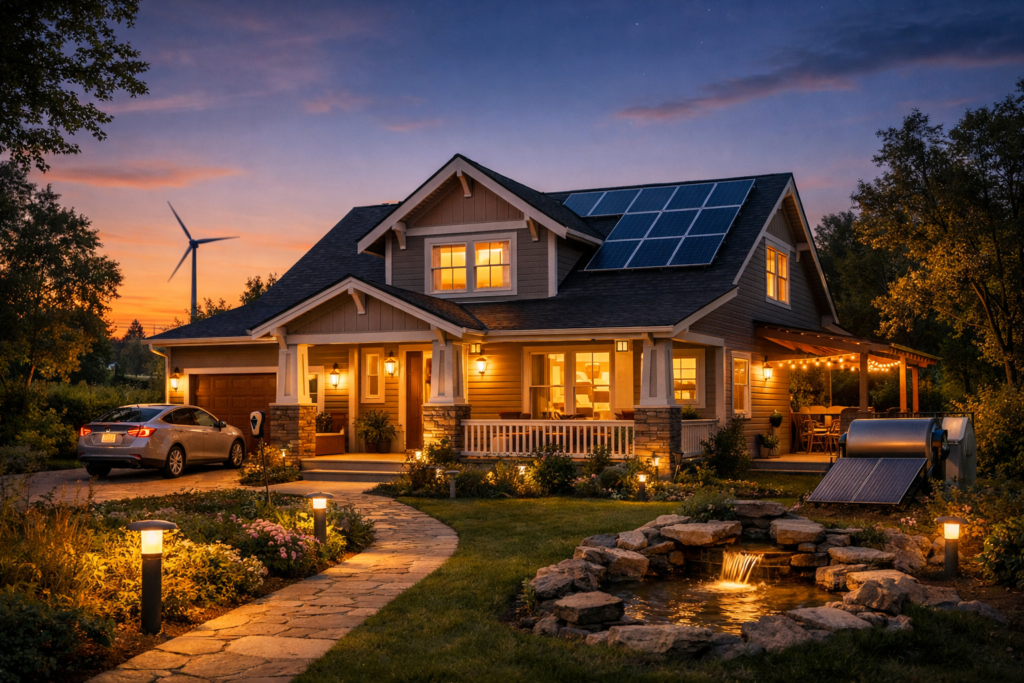
One of the most effective ways of saving on electric bills is by installing solar panels. Solar energy may be a costly initial investment, but it can save you money over time and won’t require grid connections. In addition, there are numerous governments offering incentives and/or rebates for those who opt for renewable energy resources in their homes.
There are also small-scale renewable technologies that can help reduce electricity consumption like solar water heaters and solar portable chargers. Harnessing renewable energy will enable households to save money and also play their part in environmental sustainability.
8. Keep Track of and Regulate Energy Consumption
The key factor is the awareness related to saving energy. Homeowners can use smart meters and energy monitoring technology to monitor energy use on the fly. The data will help consumers make decisions on more efficient use of their appliances, as the highest energy consuming options will become more apparent. Households can use this information to make decisions on how to use their appliances more efficiently, since the energy-hungrier appliances stand out.
There’s also control with smart plugs and home automation systems. For instance, houses can be programmed to automatically switch off appliances at high usage times and homeowners can control the devices remotely via a smartphone application. This ultimately means that energy will only be used when it’s required, which avoids energy use being wasted and reduces bills.
9. Optimize Water Heating Systems
Another significant expense in electricity costs is the heating of water. The water heater’s insulation and the insulation on the pipes will help to maintain the heat in the water longer, because less heat will be lost. Also, a water heater can be energy-efficient without compromising comfort – by lowering the setting on the water heater thermostat.
In addition, you could save more by using a tankless water heater and/or solar water heater. These options are different in that they use on-demand heating to eliminate standby losses from water storage; the traditional alternative. These homeowners can save a lot of electricity if they optimize their water heating system.
Conclusion
This means people need to adopt a series of good habits, invest in more efficient appliances and make structural changes to help lower their electricity costs. Sealing air leaks, replacing incandescent light bulbs with energy-efficient options and more will reduce costs and improve comfort. There will be some capital investment that will be necessary for some of the measures, and it’s worth all the financial benefits and environmental benefits.
Saving energy is not just about saving money, it’s about living sustainably. For homeowners, these nine energy-saving hacks can be simple, inexpensive ways to make their homes more energy efficient and save money on their monthly bills. Each small step will be an effective step and the entire process will be effective in the long run which will help people and nature.