Easy Plumbing Repairs can save homeowners time, money, and frustration when common plumbing problems occur. Plumbing issues are also very annoying at times which is when they interrupt your routine. A dripping faucet, a clogged drain, or a constantly running toilet may be small issues but they do waste water, raise utility bills, and in the end cause greater expensive repairs. Also not all plumbing issues require a professional plumber. Many common household plumbing problems can be fixed with basic tools, a little patience, and some practical know how.
Learning that your way around do-it-yourself plumbing repairs will pay off in the long run for home owners which also in turn will see you avoid some of the bigger issues that develop into greater and more expensive problems. Also it is out of question that large scale plumbing work should be left to the pros but many of the everyday repairs are within the home owner’s grasp to do safely and effectively. What we also see is that by learning these basic skills home owners’ confidence grows and in the process they do a great job at maintaining their home’s plumbing systems in fine working order.
For home owners looking to learn how to deal with typical plumbing problems we have put together a guide which presents solutions in a step by step format which you can do with common household tools.
Also, for more guidance on handling common plumbing issues, you can read this resource:
Essential Tools for DIY Plumbing Repairs
Before going into do it yourself plumbing repair work you should have at hand a few basic tools. Also it is to your luck that most home owners have access to many of them.
- An adjustable wrench
- Plunger
- Screw driver set
- Pipe wrench
- Plumber’s tape
- Bucket
- Flashlight
- A pair of gloves
Also in addition keep in hand some spare washers, O-rings and toilet flappers which will help you to quickly address issues as they come up.
With the right set of tools repairs go much smoother and also we see a reduction in the chance of accidental damage. Also by being prepared at home issues can be addressed as they come up which may not always be the case with professional help. Thus putting together a small set of plumbing tools is a practical step in to effective home maintenance.
1. Repair a Leaky Faucet
A dripping tap is a very common issue that home owners see. While a single drop may not seem like a big deal, it may waste hundreds of gallons of water annually. Also as a result, utility bills go up unneccessarily.
To solve the issue first go to the water supply under the sink. Then remove the faucet handle with a screwdriver and access the inner parts. In most cases what you will find is a worn out washer, cartridge, or O-ring which is the cause of the leak. Replace the faulty part and put the faucet back together. Once the water supply is turned back on go and check that the leak has stopped. This repair usually takes under an hour and may see instant results in your water bill.
2. Clear a clogged drain
Slow issues of the drain usually develop over time due to0 that which is shed from hair, soap remnants, grease or food particles. Also it is great to report that many times you don’t require expensive tools or harsh chemicals to clear them out.
Begin by which out the drain cover and clearing out visible debris. A drain snake or a bent wire hanger does a great job at reaching in for the hard to get blockages. After you remove the debris, run some hot water down the drain to flush out what is left. For extra cleaning put in a mix of baking soda and vinegar which you let sit for 15 minutes before fully rinsing out. As a result water flow usually improves greatly with no damage to the plumbing system.
3. Fix a Leaky Toilet
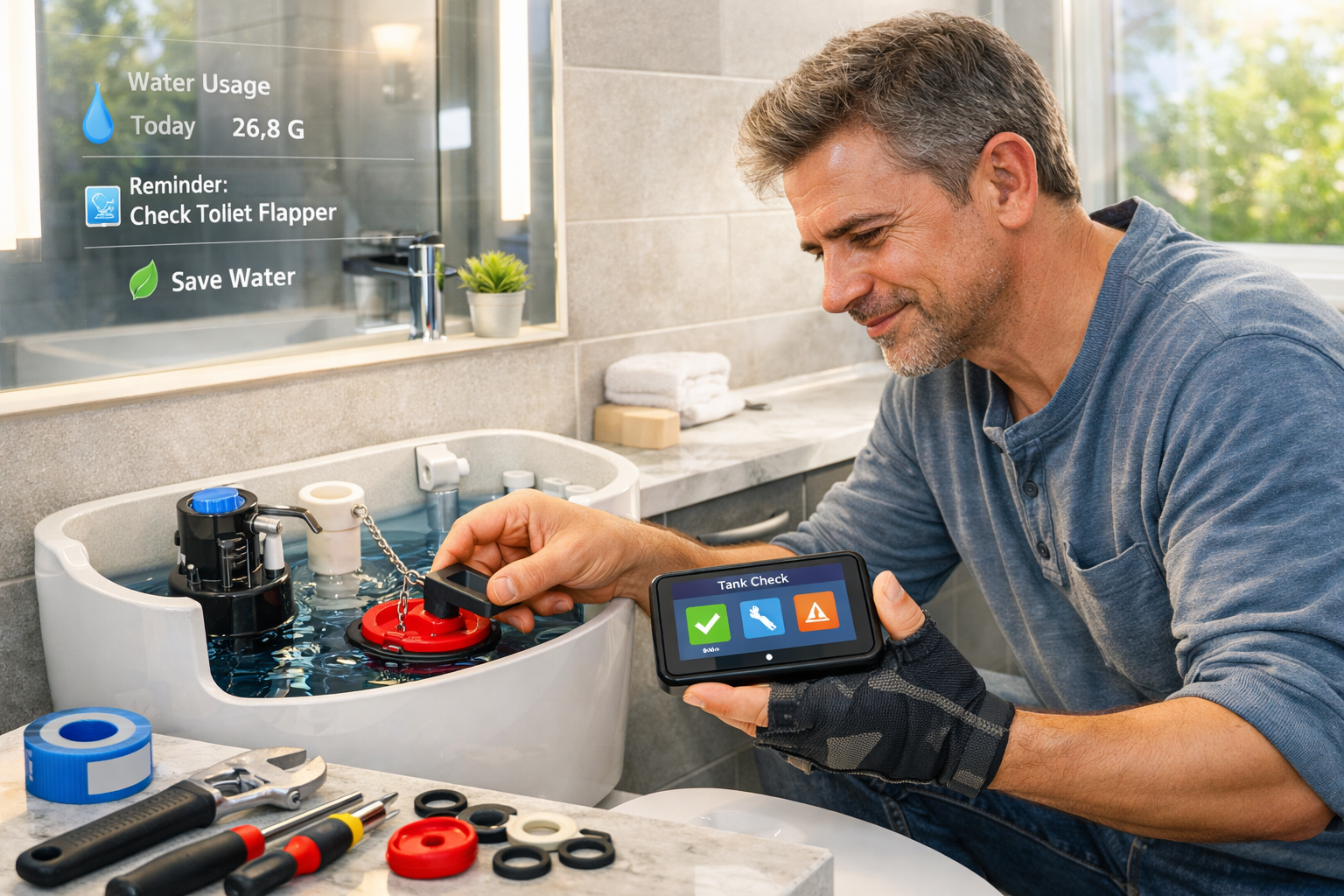
A toilet that is not flushing properly may lose large volumes of water every day. Also it is of great concern for the environment and financial health to address the issue at the first notice.
Remove the tank lid and check out the flapper, chain, and fill valve. We see lots of times that the issue is a worn out flapper which does not seal right and this cause’s continuous water into the bowl. Also at times the chain may get tangled up or put in a poor way. What we do in these cases is to replace the defective flapper or fix the chain up. Also, we’ll clean off the mineral build up around the flapper seat that also plays a role in a poor seal and will get your system back to normal.
4. Change out a showerhead
In the easy do-it-yourself plumbing upgrades that a homeowner can do, replacing an old showerhead is at the top of the list. Also it improves water pressure and at the same time you see an increase in water efficiency.
Start by removing the old showerhead from the shower arm. Once off, clean the threads out well and put on new plumbers tape. Put in the new showerhead by hand and tight as much as you can. Upon turning on the water check out the connection for leaks. This basic project only takes a few minutes but may greatly enhance your shower experience.
5. Unclog a shower drain
Hair accumulation is a main cause of shower drain clogs. Also, it is very important to do routine maintenance to prevent water from standing in the shower.
Remove the drain cover and use a drain auger for the task of clearing out trapped hair and debris. After that run hot water through the drain. Should that not work, a manual drain snake does a better job at reaching deep seated clogs. Also unlike chemical drain cleaners which may damage pipes, mechanical methods of clearing are safer and also give better long term results. Also note that the installation of a drain screen will greatly reduce the amount of what is put into your pipes in the first place.
6. Tighten loose pipe fittings
Leakage is a common issue at pipe connections under sinks and around home appliances. Also it is great to report that many of these leaks may be fixed by simply tightening loose components.
Check for wet spots or water marks on exposed pipes. If a joint seems to be coming apart use an adjustable wrench to tighten it in — do this slowly. Also avoid over tightening which puts out of place too much pressure and may damage components also cause more leaks. After you have it tightened check back in a few hours to make sure that the issue is solved. This fix is quick but does also very well prevent large issues such as water damage that may also include damaged adjacent cabinetry.
7. Fix a Leaky Pipe Joint
Pipe joints at times see small leaks from aged materials or normal wear and tear. Also we may see that temporary repairs which in turn will stop the leak until a permanent solution is put in place.
First turn off the water source and get the affected area dry. Then apply plumber’s epoxy, repair tape, or a pipe repair clamp as the manufacturer instructs. These products will create a temporary fix which in turn will stop further water damage. Though professional replacement is an ultimate solution in the end, these repair methods do very well in minor leaks and emergency situations.
8. Fix poor water pressure in a faucet
Low water pressure may be a result of mineral deposits that have built up in the aerator. That said, cleaning the aerator should be your first step.
Remove the aerator from the faucet and out the large bits of debris. Then put it in vinegar to soak for a few hours which will remove the mineral buildup. After clean out which should be quick, put the aerator back in and see how the water comes out. In most cases pressure will improve right away. Also by routine cleaning you improve performance over time and also extend the life of the fixture.
9. Change out the toilet flapper
The toilet flapper is a key component which controls water flow from the tank to the bowl. With time the rubber material wears out and loses its proper seal.
To replace a flapper first turn off the water supply and flush the toilet out to empty the tank. Remove the old flapper and put in a new one as per the manufacturer’s instructions. Adjust the chain length if you have to before turning the water supply back on. This is a simple repair which also improves on a running toilet issue and which also reduces water waste.
10. Remove a clog from a Garbage Disposal
Gar at times garbage disposals will jam when food waste or foreign objects get stuck in the grind chamber. Before you do any repair work make sure the unit is disconnected from power.
Use the tool which the manufacturer provides or a compatible hex key to manually rotate the motor shaft from under the disposal. That action may free the issue and get back to normal function. Also which the blockage is out remove power and test the unit first. It also may save a few home owners a large repair bill by which they are able to do it this simple troubleshooting procedure out.
11. Tighten shower arm connections
A faulty shower arm connection may cause water waste and also produce moisture issues within bathroom walls. Luckily the repair is usually easy.
Remove the shower head and check out the threaded connection. Clean out old sealing material and put on new plumber’s tape to the threads. Reassemble the connection and check for leaks. In most cases this creates a tight seal and fixes the issue right up. Also by replacing worn out sealing materials you may see to the better longevity of the whole shower assembly.
12. Put in a stopper substitute
A sink stopper that has stopped working properly can make routine tasks a hassle. Also it is usually easy to replace the stopper mechanism.
Under the sink access the pivot rod assembly and care to disconnect it. Take out the old stopper and put in the new. Reattach the pivot rod and adjust the mechanism till it is smooth. Though the exact design may differ between sink models what is common is that most stopper replacements use basic tools and minimal plumbing know how.
13. Fix a leaky hose bib
Outdoor faucets also known as hose bibs tend to see a great deal of wear which results in leaks from worn out washers or loose packing nuts. Also because these are exposed to a wide range of weather conditions which cause stress to the fixtures’ components, it is important to perform regular maintenance.
Remove the faucet handle and check out the washer for wear. Replacing a damaged washer will do in most cases to fix the leak. Also by turning the packing nut tighter you can put an end to water leakage around the valve stem. In the process home owners also conserve water and also prevent outdoor damage.
14. Reduce Minor Drain Odors
Foul smells from drains are a result of organic matter which has accumulated in pipes. That is why it is very important to clean out your drains regularly.
Into the drain put some baking soda then pour in some vinegar. Give the mix a few minutes to work before flushing it out with hot water. As a natural cleaning solution this method clears out build up, reduces bacteria, and also lessens that which is not at all pleasant. Also by repeating the process once a month you can prevent those odors from coming back.
15. Wrap up exposed pipes
Pipe insulation is a do it yourself project that which provides for the valuable protection of your pipes against freeze up and heat loss. In cold climates which is to say most of the U.S. during winter, exposed pipes are at great risk of damage.
Purchase appropriate sized foam insulation for your pipes. Cut the foam to length and wrap it around exposed sections. Also insulation will help prevent freezing as well as maintain water temperature and improve energy efficiency. As a result homeowners may see lower utility costs and reduced risk of large scale plumbing emergencies.
When to Call a Professional Plumber
While many plumbing jobs are doable by the home owner at which time, some issues call for professional help. For example, we see in the case of burst pipes, sewer line problems, large scale leaks within walls, and water heater break down which are often of a complex nature that should not be tried out by untrained persons also. Also it is noted that persistent plumbing issues which keep coming back may in fact be signs of larger more in depth problems that only a professional will be able to diagnose.
Recognizing what is a simple repair and what is a serious plumbing issue is key. Also home owners should not think twice to call in a licensed plumber when it comes to issues of safety or extensive property damage.
Conclusion
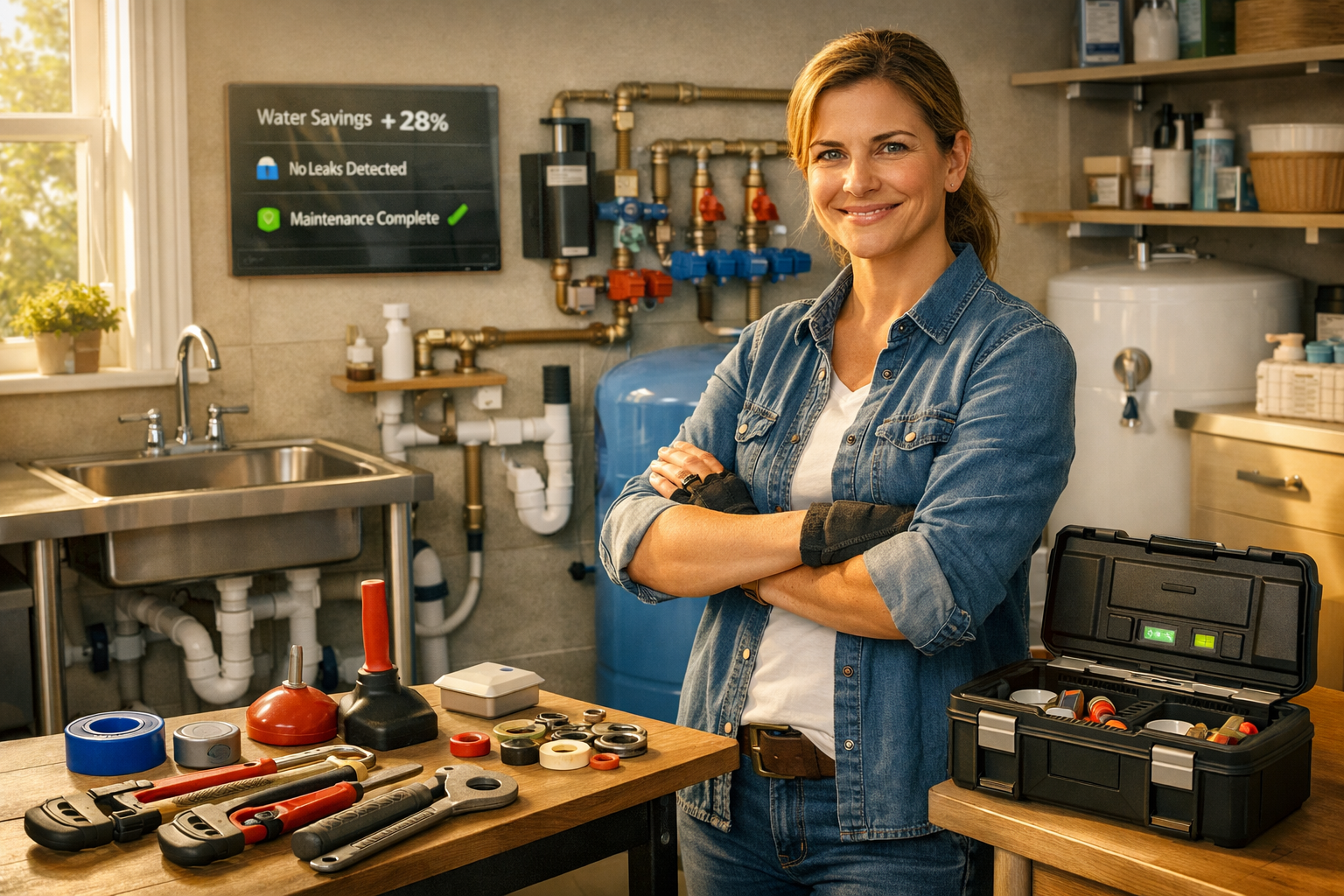
Learning to do basic plumbing repairs is for the homeowner’s benefit which includes time and money. We see that from fixed dripping faucets and unclogged drains to replaced toilet parts and repaired minor leaks which in fact are very common plumbing issues we can handle these with simple tools and easy methods. Also, doing routine maintenance is a great way to prevent larger problems and at the same time will improve the wear and tear of the plumbing fixtures around the home.
Through the knowledge of these 15 simple plumbing repairs home owners are able to take on day to day plumbing issues with confidence which in turn reduces the need for professional service. While some issues still require the help of a professional what we see is that doing these basic repairs yourself is a great way to run a smooth, reliable and affordable plumbing system.