A genuine love for animals often begins as a personal interest, but with the right approach, it can develop into a meaningful and sustainable career. Many people who feel drawn to animal care seek ways to turn that connection into something more tangible, whether through direct services, education, or entrepreneurial ventures. Building a career around animals requires more than enthusiasm alone. It calls for skill development, thoughtful planning, and a commitment to ethical, compassionate practices that prioritize the well being of the animals involved.
Understanding the Different Career Paths
The animal care field offers a wide range of career opportunities, each suited to different interests and strengths. Some individuals are drawn to hands on roles such as grooming, pet sitting, or veterinary assistance, while others prefer educational or behavioral work. There are also opportunities in animal welfare organizations, wildlife conservation, and pet product businesses.
Exploring these options helps narrow down a path that aligns with both your passion and your long term goals. Consider what type of environment you thrive in. Some roles require working outdoors, while others may involve structured indoor settings like clinics or training facilities. Identifying your preferred work style early on can make your transition into a professional role smoother and more fulfilling.
Building Knowledge Through Education and Experience
Turning passion into a career requires a solid foundation of knowledge. While some roles may allow for informal entry, many benefit from structured learning and hands on experience. Courses, certifications, and mentorship opportunities can help you refine your understanding of animal behavior, care techniques, and professional standards.
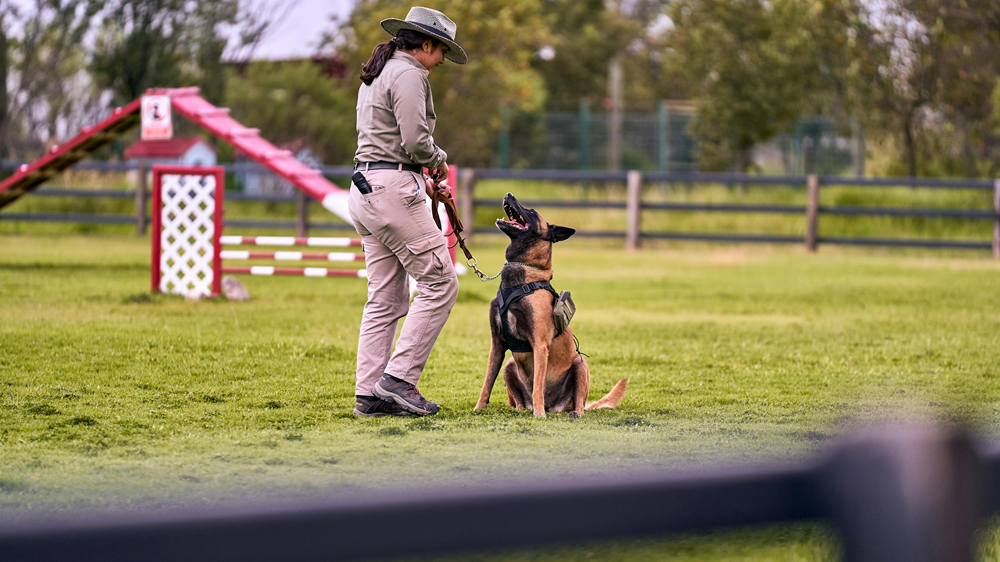
For those interested in working closely with dogs, enrolling in a dog training academy can provide valuable insight into communication, behavior shaping, and positive reinforcement strategies that support long term success. Training environments that emphasize patience, observation, and reward based learning create a stronger bond between people and animals while also promoting trust and confidence.
Volunteer work is another effective way to build experience. Shelters, rescue organizations, and community programs often welcome extra help, giving you the opportunity to apply your knowledge while gaining exposure to different situations. These experiences not only improve your skills, but also strengthen your resume as you move toward a professional role.
Developing a Professional Skill Set
Beyond technical knowledge, a thriving career in animal related fields depends on a well rounded set of professional skills. Communication is essential, especially when working with pet owners who rely on your guidance and expertise. Being able to clearly explain techniques and expectations helps build trust and ensures consistency in care.
Time management and organization are equally important, particularly if you plan to run your own business or manage multiple clients. Scheduling appointments, maintaining records, and keeping track of each animal’s needs require attention to detail and reliability.
Emotional awareness also plays a role. Animals respond to tone, body language, and consistency, and understanding these subtle cues helps create a calm and supportive environment. When paired with strong interpersonal skills, this awareness enhances your ability to deliver effective, compassionate care.
Turning Your Passion Into a Business
For many individuals, building a career with animals eventually leads to launching a business. This step transforms your passion into a structured service, whether that involves training, grooming, boarding, or specialized care.
Starting a business begins with defining your niche. Focus on the service you can deliver with confidence and consistency, then expand gradually as your experience grows. Creating a clear brand identity helps communicate your values and approach to potential clients. This is especially important in the animal care industry, where trust and reliability are key factors in decision making.
Marketing plays an important role in establishing your presence. A professional website, consistent social media engagement, and positive client reviews all contribute to building credibility. Local partnerships, such as working with veterinarians or pet supply stores, can also help generate referrals and strengthen your position within the community.
Financial planning should not be overlooked. Setting appropriate pricing, managing expenses, and planning for growth ensures that your business remains sustainable over time. Even a passion driven venture requires careful oversight to maintain stability and long term success.
Staying Adaptable and Continuing to Grow
The field of animal care continues to evolve, with new research, techniques, and expectations shaping how services are delivered. Staying informed and open to learning helps you remain competitive and effective in your role.
Continuing education can take many forms, from attending workshops to following reputable resources on animal behavior and care. Engaging with a professional community also provides opportunities to exchange ideas, gain feedback, and stay connected to industry developments.
Adaptability extends to client needs as well. Each animal is unique, and tailoring your approach to suit individual personalities and circumstances improves outcomes and strengthens your reputation. Being responsive to feedback and willing to refine your methods ensures that your work remains relevant and impactful.
Conclusion
Turning a passion for animals into a thriving career is a rewarding journey that blends personal fulfillment with professional growth. By exploring different paths, building a strong foundation of knowledge, and developing essential skills, it is possible to create a career that reflects both your interests and your values. Whether you pursue hands on care, education, or entrepreneurship, a thoughtful and compassionate approach will help you establish a lasting presence in the field. With dedication and a commitment to continuous improvement, your passion can grow into a meaningful and sustainable profession.