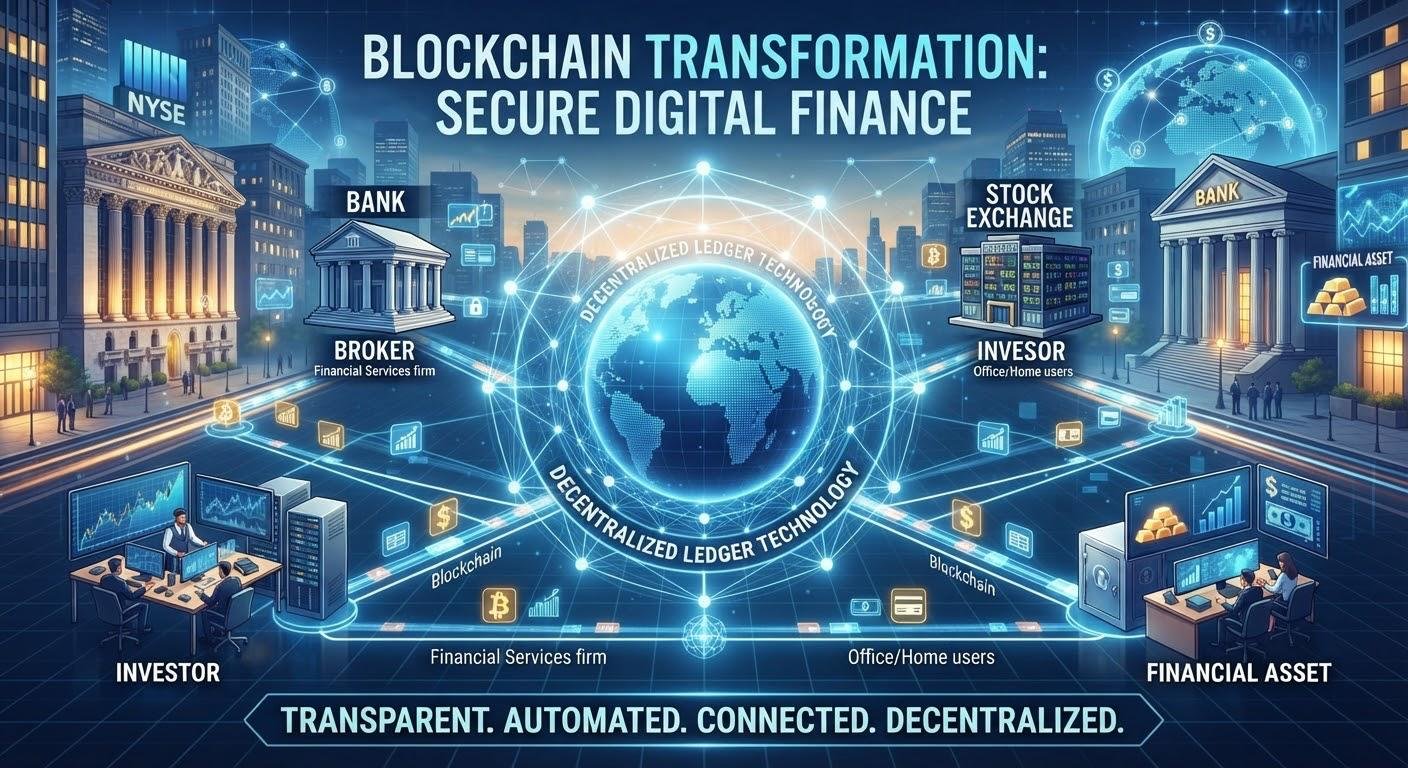
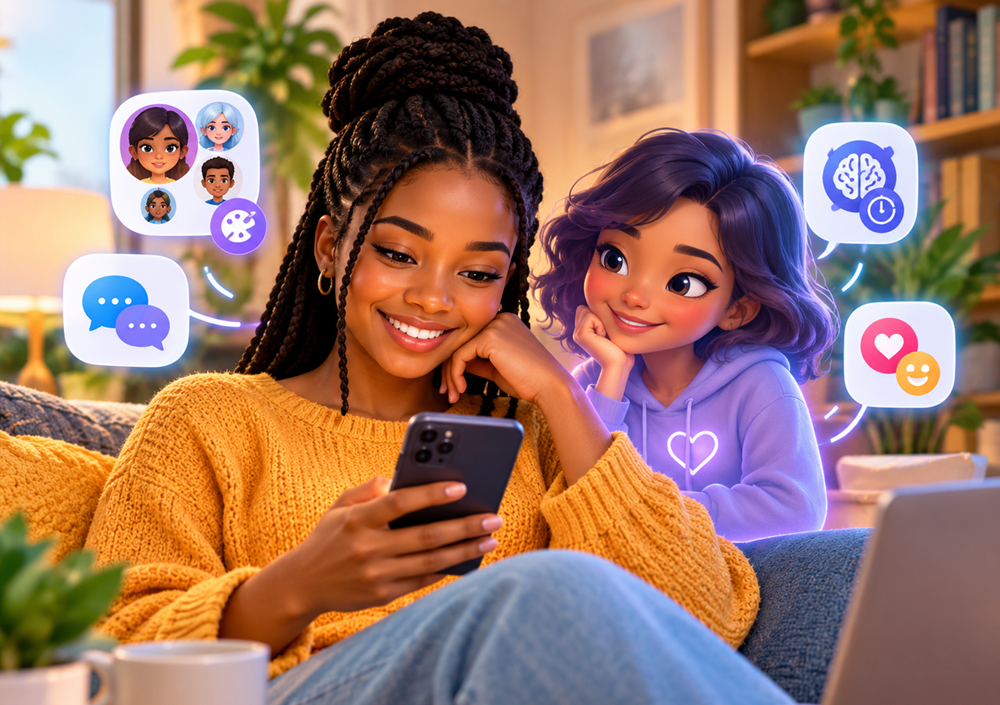
For years, the creation of great visual content has been a matter of technical skill, artistic talent and specialized equipment. The method was often difficult to follow, whether it was creating digital artwork, sketches or marketing visuals. Today, artificial intelligence is transforming that reality, making picture production accessible to a larger audience.
Many users now utilize technologies that enable them to create AI image content on such sites without requiring formal graphic design or photography experience. Users may create innovative graphics with a simple word prompt, which would have previously needed substantial effort and expertise to create.
The Traditional Barriers to Visual Creation
Historically, creating visual content demanded a combination of skills.
Designers often spent years learning:
- Composition
- Color theory
- Typography
- Photo editing
- Illustration techniques
- Visual storytelling
Professional software sometimes requires substantial training in addition to creative expertise. These limitations prevented many individuals and small enterprises from obtaining original graphic materials. Because of this, they often hired experts to finish their creative work or bought stock photos. By simplifying the creative process, AI-driven picture generation can solve some of these problems.
Why Beginners Are Adopting AI Tools
The accessibility of AI picture production is one of the reasons it has received so much attention.
Many novices value the ability to:
- Start without formal training
- Experiment with creative ideas quickly
- Generate multiple concepts in minutes
- Explore different visual styles
- Learn through trial and error
Traditional design applications often have a considerably steeper learning curve. This accessibility enables people who might otherwise avoid creating visual material to experiment and explore creatively.
Creativity and Technical Skill Are Not the Same Thing
A prevalent misperception is that artistic ability and creative thought are the same. In actuality, the skills are distinct. A person may have great ideas but lack the technical competence to illustrate them. AI picture production contributes to bridging that gap.
The technology handles much of the technical execution, enabling consumers to focus on:
- Concepts
- Storytelling
- Mood
- Visual direction
- Creative exploration
This does not mean that inventiveness is unnecessary. Instead, it redirects creative energy away from technical production and into concept development.
The Importance of Writing Effective Prompts
Even if AI makes creating images easier, communication is still necessary for great outcomes. The AI is guided toward a desired result by prompts, which function as instructions.
For example:
A vague prompt:
“A city.”
May generate a generic result.
A more detailed prompt:
“A modern city skyline at sunset with reflective glass buildings, warm golden light, and realistic photography style.”
Provides significantly more context. Beginners frequently develop quickly if they learn to describe scenes more clearly. Prompt writing has emerged as a key ability in current AI-assisted creativity.
Learning Through Experimentation
One advantage of AI picture production is the capacity to swiftly iterate. Traditional creative workflows may need hours of effort to test a single notion.
AI allows users to experiment with:
- Different environments
- Lighting conditions
- Color palettes
- Artistic styles
- Camera perspectives
This promotes inquiry and assists beginners in gaining a better knowledge of visual design concepts. Many users acquire principles like composition, balance, and beauty via continuous exploration.
Where AI Still Has Limitations
Although AI image generation is powerful, it is not perfect.
Users may encounter challenges such as:
Inconsistent Results
The same prompt can produce different outputs.
Complex Scene Interpretation
Highly detailed instructions may not always be interpreted perfectly.
Visual Errors
Occasional issues involving proportions, reflections, or object placement can still occur.
Limited Context Understanding
Skilled designers sometimes struggle with complex creative goals, and AI sometimes does as well. These boundaries show the continued importance of human judgement and augmentation.
Can AI Replace Professional Designers
Discussions concerning the future of creative careers have been sparked by the increasing popularity of AI picture generation. In actuality, AI is a better tool than a replacement for creativity.
Expert designers offer skills that go beyond visual output, like:
- Brand strategy
- User experience design
- Visual communication
- Marketing psychology
- Creative direction
While artificial intelligence might speed up some aspects of the creative process, many professional tasks still demand human expertise. But AI provides an easy entry point for people new to producing visual content.
Practical Uses for Non-Designers
People without design experience are already utilizing AI-generated pictures in a variety of ways.
Content Creation
Bloggers provide featured photos for articles and social media updates.
Small Business Marketing
Entrepreneurs develop promotional visuals without hiring large creative teams.
Education
Teachers create custom visuals that support lessons and presentations.
Personal Projects
Individuals visualize concepts, stories, and creative ideas.
E-Commerce
Online shops also include supporting visuals for their product related content. These illustrations demonstrate how AI may help those who lack access to specialist tools for producing visual content.
The Role of Refinement
Creating strong visuals often involves refinement rather than one-click perfection.
Many successful users follow a process that includes:
- Generating an initial image
- Evaluating strengths and weaknesses
- Revising prompts
- Adjusting visual details
- Improving composition and realism
Similar to traditional creative methods, this iterative approach often produces better outcomes. The most prosperous artists view AI not as an automated solution but as a collaborative tool.
The Future of Accessible Creativity
Recent advancements in AI image generation have made visual creation more approachable than ever before.
Newer systems continue to improve in areas such as:
- Prompt understanding
- Image realism
- Editing capabilities
- Visual consistency
- Creative control
More people will have access to tools that enable them to express themselves creatively as technology develops, independent of technical skill. For artists across all industries and skill levels, this movement will create new opportunities.
Conclusion
One of the most significant advances in current digital content production is the capacity to build AI picture designs without previous creative skills. AI lowers lots of the technological hurdles that once limited access to visual design, but it doesn’t erase the need for creativity. Now, beginners may try out new ideas, learn by doing, and use succinct verbal explanations to visualize their ideas.
Expertise is still crucial, even though AI-powered solutions have made creating visual content easier than ever. Ultimately, the capacity for original thought, lucid explanation of concepts, and active modification of the end product are more crucial when producing AI photos than technical design abilities. Many people believe that producing visual material is now simpler than it has ever been.