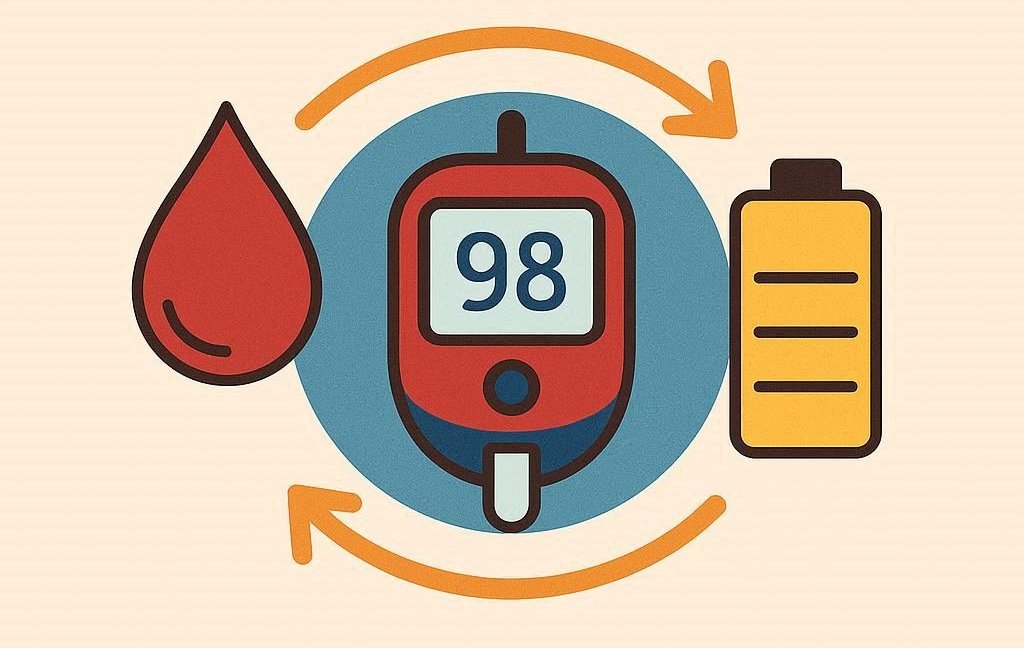
Without a steady flow of energy the human body cannot run even the simplest functions, such as breathing and thinking, movement and digestion. Glucose is a simple sugar, which is obtained by consuming food as one of the most significant sources of such energy. Glucose is the main fuel of the body and particularly the brain, muscles and other important organs. Nevertheless, to ensure effective functioning of the body, the blood glucose levels should be maintained within a well-regulated range. When blood sugar is too high or too low, it may disrupt the normal functioning of the cells and cause severe health problems. This balancing mechanism is referred to as glucose regulation and it is among the most vital illustrations of homeostasis in the human body.
The normal functioning of the body to keep blood sugar constant levels is highly dependent on the concerted efforts of hormones, particularly, insulin and glucagon, which are made by the pancreas. These hormones act in opposition in order to maintain the glucose levels in balance. Insulin aids in the transfer of surplus glucose in the blood to the cells after eating a meal, which leads to its utilization in the body or storage to serve future purposes. When one is fasting, exercising or spending a long time without food, glucagon aids in releasing glucose stored in the body into the blood to sustain the energy levels. This mucous process of storage and discharge makes the body always have a source of energy whenever it is required.
Not only to know how the body regulates energy, but to learn metabolic diseases like diabetes where this equilibrium is disturbed, it is important to understand how glucose is regulated. This paper discusses how the body regulates blood sugar, the role of the pancreas, insulin and glucagon, and what occurs when the body is not in control.
Knowing What Glucose Is and Why It Is Important
Glucose is a kind of sugar which is a major constituent of carbohydrates present in food stuffs like rice, bread, fruits, pasta and other foods high in starch or sweetness. After being ingested, carbohydrates are digested into glucose molecules, which are in turn absorbed through the bloodstream. Glycemic acid is then absorbed to cells all over the body where it is utilized to generate energy.
Glucose is important to the body since it is fast and effective source of energy. The brain is one body that almost solely relies on glucose to operate effectively. During the physical activity, glucose is also used by muscles, and its storage and release are regulated by other organs, including the liver and kidney.
However, glucose levels should be tightly regulated, in spite of its significance. Excess glucose in the blood may result in the damage of blood vessels, nerves, and even organs in the long run, whereas insufficient glucose may cause dizziness, weakness, confusion, and even a loss of consciousness. This is what makes glucose control such an important aspect of good health and metabolism
The functions of the pancreas in glucose regulation
The primary organ that controls glucose is the pancreas. It is situated behind the stomach and it has digestive and endocrine functions. It primarily plays an endocrine role, particularly in blood sugar regulation since it is responsible of secretion of the hormones insulin and glucagon.
The islets of Langerhans are special clusters of cells located within the pancreas. These have the beta cells which produce insulin and alpha cells which produce glucagon. These cells, together, continuously check the level of blood glucose and react to them during the day
The insulin is released by the pancreas when blood sugar levels increase after eating. It secretes glucagon when blood sugar levels decrease between meals or during fasting. This two-hormone system enables the pancreas to serve as an energy-balance control centre.
The pancreas thus becomes the central figure in the regulation of glucose, making sure that the blood sugar levels are maintained at a healthy level.
The mechanism of action of Insulin in Lowering Blood Sugar
One of the most significant hormones that are involved in the control of glucose is insulin. The beta cells of the pancreas release it when there is an increase in the levels of blood glucose, normally after a meal.
Its main role is to reduce glucose in the blood by assisting the glucose to be transported to the body cells. Glucose can be immediately used to produce energy once it is inside the cells.
Besides aiding cells in taking glucose in, insulin also tells the liver and muscles to store the extra glucose as glycogen. Glycogen is a temporary energy source that can be utilized in the future when the level of sugar starts to drop.
When the amount of glucose intake is higher than the immediate requirements and storage space, excess energy is converted into fat to be stored overtime as well; this is facilitated by insulin.
That is why insulin is one of the most significant hormones involved in the regulation of glucose, preventing the excessive levels of sugar in the blood.
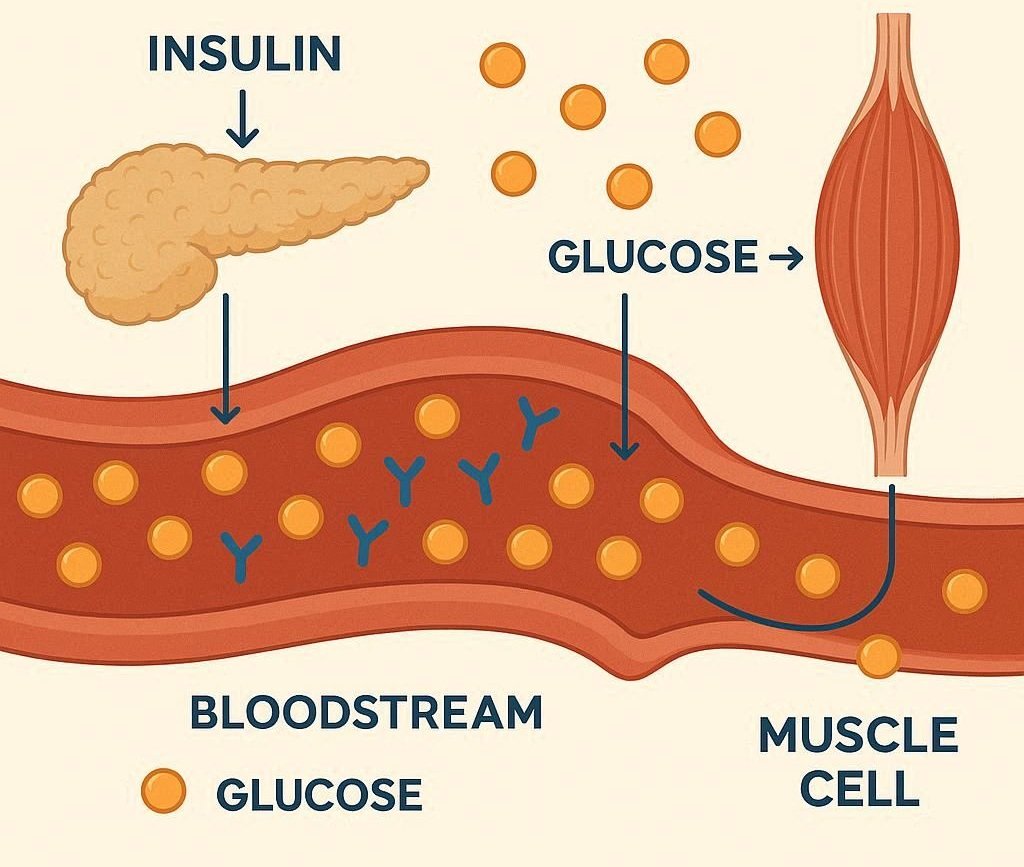
“insulin action in a glucose regulation in the bloodstream”.
The Effect of Glucagon in increasing blood sugar levels
- Insulin decreases blood glucose, but glucagon increases it. This is secreted by alpha cells of the pancreas in case of a decrease in blood sugar below normal levels.
- Glucagon instructs the liver to break down the stored glycogen into glucose and release it into the blood. This is called glycogenolysis.
- Glucagon is particularly essential in cases of fasting, extended exercise or sleep at night since it makes sure that the body still gets energy even in the absence of food consumption.
- Non-carbohydrate sources of glucose may also be produced in the liver, and this is known as gluconeogenesis.
The combination of insulin and glucagon forms a very effective balancing mechanism that characterizes the regulation of glucose.
Storing and Giving up Glucose
The body cannot solely depend on immediate food consumption as the source of energy and this is the reason why storage systems are imperative.
The liver and skeletal muscles are the two places where excess glucose is stored as glycogen after meals. The liver is the primary reservoir as it can discharge glucose into the bloodstream where required.
Glycogen is also stored in muscles, and it is mainly utilized locally as energy in the course of movements and exercise.
As the blood glucose decreases, the stored glycogen is degraded and discharged and this assists in the stabilization of the energy levels.
This storage-and-release cycle is an essential part of glucose regulation and can make sure that the body has an energy balance during the day.
Homeostasis and Blood Sugar Balance
A typical example of homeostasis, the body being able to maintain a stable internal environment, is glucose regulation.
The level of blood sugar is always dynamic based on meals, physical activities, stress, and sleep. In spite of these variations, the body constantly strives to bring about equilibrium.
This is done by negative feedback. Insulin release is caused by high blood sugar, and it reduces glucose levels. Low sugar level stimulates the release of glucagon, an event that increases glucose.
This continuous adaptation safeguards cells and organs against energy shortage and sugar overload.
When there is a disruption in Glucose Regulation leads to diabetes
Diabetes is among the most significant disorders that are associated with impaired glucose regulation.
The beta cells of the pancreas, which produce insulin, are killed by the immune system of the body in type 1 diabetes. This leads to minimal or no production of insulin.
In diabetes type 2, the body continues to secrete insulin, but the cells are now resistant to its action. This implies that glucose does not get into the cells effectively, but it stays in the blood.
Both disorders interfere with the normal regulation of glucose levels and may cause persistent high blood sugar levels.
In the long term, unmanaged diabetes can cause injury to blood vessels, nerves, kidney, eyes and heart.
This demonstrates the importance of maintaining the balance of glucose in the long-term.
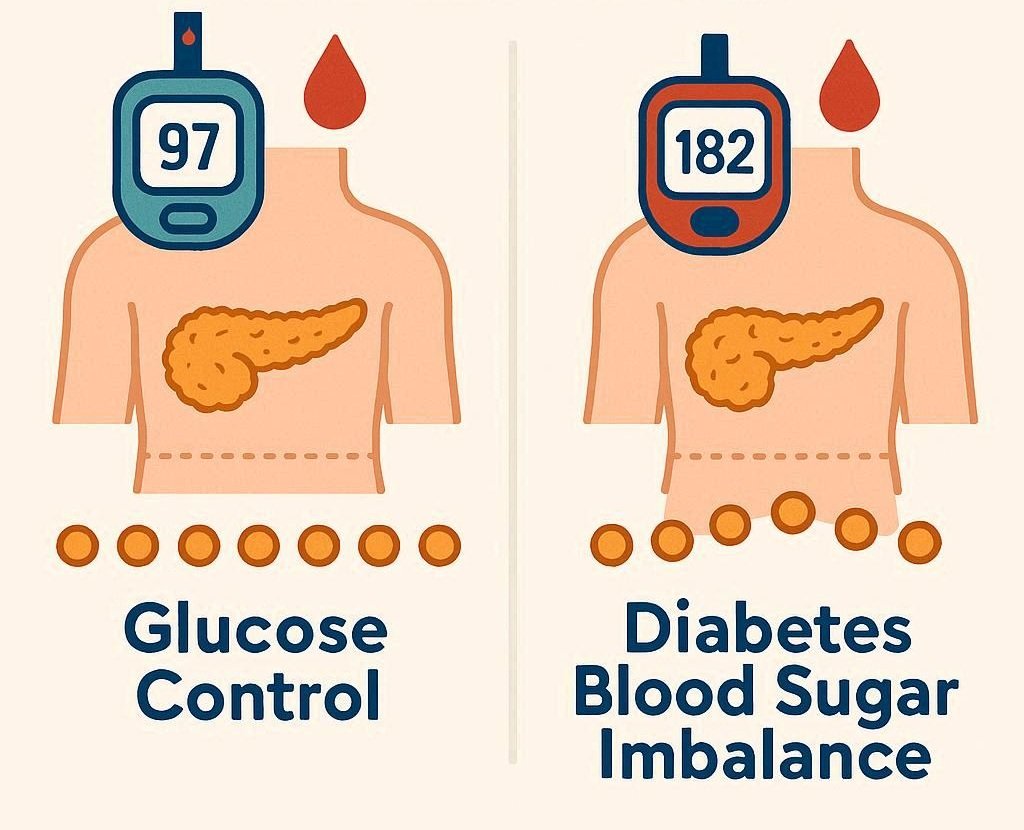
“glucose control and diabetes blood sugar imbalance”.
The importance of Stable Glucose Levels to Energy
Constant blood sugar levels are directly associated with constant energy levels.
A drop in glucose levels too low may make people feel fatigable, weak, or irritable, or unable to concentrate.
Glucose surging to excessive levels and then decreasing sharply can result in energy crashes and exhaustion.
Maintaining normal glucose levels assists in ensuring constant energy supply to the body and brain to perform both physically and mentally.
Lifestyle Factors that help in regulating glucose
There are effects of diet, physical activity, sleep, and stress on glucose regulation.
Healthy fats, protein, and fiber are all part of balanced meals which aid in slowing down glucose absorption.
Exercise enhances insulin sensitivity, enabling cells to utilize glucose in a more efficient manner.
Lack of sleep and continuous stress can raise blood sugar levels by changing the balance of hormones.
Long-term glucose control thus depends on healthy lifestyle habits.
Conclusion
One of the most important homeostatic processes in the body is glucose regulation. A combination of the pancreas, insulin, glucagon and the liver is involved in the regulation of blood sugar levels, to maintain a constant level of energy supply.
This equilibrium helps in the functioning of the brain, muscle work, and metabolic well-being. In cases of disruption such as diabetes, severe health complications can occur.