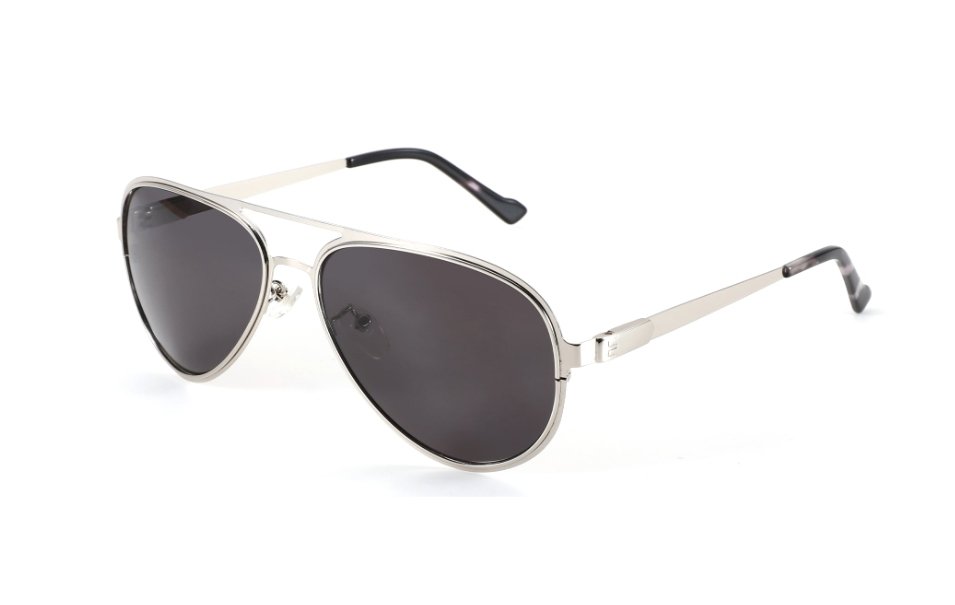
Few accessories carry as much effortless confidence as a well-chosen pair of aviators. Born from function and adopted by fashion, this silhouette has moved seamlessly from cockpits to city streets, becoming a wardrobe staple that flatters almost every face. The appeal is simple: the right frame instantly sharpens your look, shields your eyes from harsh light, and pairs just as naturally with a tailored jacket as it does with a weekend tee. If you have been searching for eyewear that delivers real style benefits without demanding a complicated decision, this is where your search gets easier. Below, you will discover exactly how the classic teardrop shape works in your favor, how to match it to your features, and how to wear it so it looks intentional rather than accidental. Consider this your practical roadmap to owning a piece that feels timeless today and stays relevant for years.
Why This Timeless Shape Keeps Winning
The teardrop lens design was never an accident. Its generous coverage and downward sweep were engineered to protect the eyes from glare at altitude, and that same geometry happens to be remarkably flattering on the ground. The gentle curve draws attention toward the cheekbones and balances a strong jaw, while the thin metal bridge keeps the frame feeling light and unobtrusive. This blend of purpose and proportion is why the style has outlasted countless trends. Where bolder shapes come and go with the seasons, a clean pair of Aviator Sunglasses reads as considered and self-assured, giving you a reliable option that never looks dated. The benefit is a look you can commit to, knowing it will still feel current long after novelty frames have been retired.
There is also a quiet versatility built into the design. Because the frame sits comfortably between sporty and refined, it slips into almost any context without clashing. You can wear it on a morning run, then keep it on for a lunch meeting, and it will feel appropriate in both. That flexibility saves you from owning a shelf full of specialized pairs, which is a genuine practical win for anyone who values a streamlined routine.
Matching the Frame to Your Face
The single biggest factor in how good a pair looks on you is fit, and fit starts with your face shape. The teardrop silhouette is famously accommodating, but a few small adjustments make the difference between good and great. If you have a round or oval face, look for a frame with slightly more angular lens edges to introduce contrast and definition. Those with square or angular features benefit from softer, more curved lenses that echo and gently offset a strong jaw. Heart-shaped faces, which are wider at the top, tend to look balanced in frames where the lens width stays close to the temple width rather than flaring outward.
Beyond shape, pay attention to scale. A frame that overwhelms your features will read as costume rather than complement, while one that sits too small can look pinched. The top of the frame should follow your brow line without covering it entirely, and the bottom edge should rest above the apples of your cheeks so the lenses do not touch your skin when you smile. Getting this proportion right is the surest way to make the accessory look tailored to you.
Bridge fit deserves the same care. The nose pads or bridge should hold the frame steady without pressing hard or leaving marks, and the arms should follow the curve of your head to your ears without squeezing. When these contact points are comfortable, you stop noticing the glasses entirely, which is exactly the point. Comfort is what lets you keep them on all day, and all-day wear is where the real style payoff lives.
Choosing Lenses and Finishes That Work for You
Once the shape fits, the finish shapes the personality of the piece. Metal frames in gold or silver tones lean classic and pair beautifully with warm or cool wardrobes respectively, while matte black or gunmetal versions feel more modern and understated. If you want the accessory to disappear into your look, choose a finish close to your usual metal tones in jewelry or watch straps so everything reads as coordinated rather than random.
Lens tint is more than a cosmetic choice. Neutral gray lenses preserve true color and reduce brightness evenly, making them a dependable everyday pick. Warmer brown and amber tints enhance contrast and can make overcast days feel crisper, which many people find easier on the eyes during long stretches outdoors. Mirrored and gradient lenses add visual interest and offer a little privacy, useful if you like a bolder statement. Whatever tint you prefer, prioritize genuine ultraviolet protection, because the real function of any sunglass is safeguarding your vision. A stylish frame that fails to block harmful light is only doing half its job.
Material quality quietly affects how the piece ages. Lightweight yet sturdy metals resist bending, and quality hinges keep the arms from loosening over months of daily folding. Brands that pay attention to these details tend to produce eyewear that still feels solid a year later. ZENOTTIC, for example, focuses on balancing durable construction with a comfortable, wearable fit, which is the kind of thoughtful engineering that turns a purchase into a long-term favorite rather than a short-lived impulse.
Polarized or Not: Making the Right Call
One decision trips up more shoppers than any other, and it is whether to choose polarized lenses. Polarization filters out the horizontal glare that bounces off flat surfaces like water, wet roads, and car hoods, so it noticeably sharpens vision and cuts eye strain if you spend time driving, boating, or walking in bright coastal light. The result is a calmer, higher-contrast view that many people describe as instantly more comfortable the first time they try it. For active outdoor days, the upgrade is easy to justify.
Polarization is not the automatic answer for everyone, though. Because it works by filtering certain light angles, it can make some digital screens look dim or reveal faint rainbow patterns, which is worth knowing if you check your phone constantly or read instrument panels. Pilots and skiers sometimes prefer non-polarized lenses for exactly this reason, since they need to read glossy displays and judge icy patches clearly. If your days are split between screens and sunshine, a quality non-polarized lens with strong ultraviolet protection may actually serve you better. Think about where you will wear the frame most, and let that honest answer guide the choice rather than assuming the pricier option is always the smarter one. Matching the lens technology to your real routine is what turns a good pair into the pair you never want to take off.
Styling Aviators for Any Occasion
The final benefit of this frame is how little effort it takes to style. For a polished daytime look, let the eyewear be the sharp accent against a neutral outfit, allowing clean lines and a simple palette to do the heavy lifting. The frame adds structure to relaxed pieces, so an unstructured linen shirt or a soft knit instantly looks more deliberate the moment you put them on. This is the shortcut to appearing put together even on days when your outfit was assembled in a hurry.
For evenings or dressier settings, a darker frame finish and a subtle lens tint keep the look refined rather than sporty. Pair them with tailored layers and let the metal detailing catch the light. On casual weekends, the same glasses shift effortlessly to complement denim, sneakers, and open collars, proving again how much range a single pair delivers. The trick is to treat the eyewear as a fixed anchor and build around it, rather than swapping frames for every context.
Care is the last piece of the puzzle, and it is refreshingly simple. Store the glasses in a firm case when they are not on your face, clean the lenses with a soft microfiber cloth rather than a shirt hem, and tighten the small screws occasionally to keep the fit precise. These minor habits protect your investment and ensure the frame keeps delivering that crisp, confident look every time you reach for it. A little maintenance is a small price for eyewear that consistently makes your outfit better.
Getting the Most From Your Pair
To pull all of this together, approach your choice as a series of quick, confident decisions rather than an overwhelming search. Start by confirming the shape flatters your face, then settle on a finish that matches your existing style, choose a lens tint suited to how you spend your days, and verify the ultraviolet protection is genuine. Once those boxes are checked, styling becomes almost automatic, because a well-fitted, well-chosen frame simply works with what you already own. That is the practical promise of this classic silhouette: less deliberation, more payoff, and a piece you will actually enjoy wearing day after day.
Your Everyday Style Upgrade Made Simple
A great pair of aviators earns its place in your wardrobe by doing several things well at once. It protects your eyes, flatters your features, and lifts nearly any outfit with almost no effort on your part. By focusing on fit first, then finish, then lens function, you turn what could be a confusing purchase into a straightforward win. The reward is a versatile, timeless accessory that feels right in the boardroom, on the boardwalk, and everywhere in between. Choose a frame that fits and protects properly, care for it with a few easy habits, and you will have eyewear that keeps elevating your everyday look for seasons to come.