Introduction
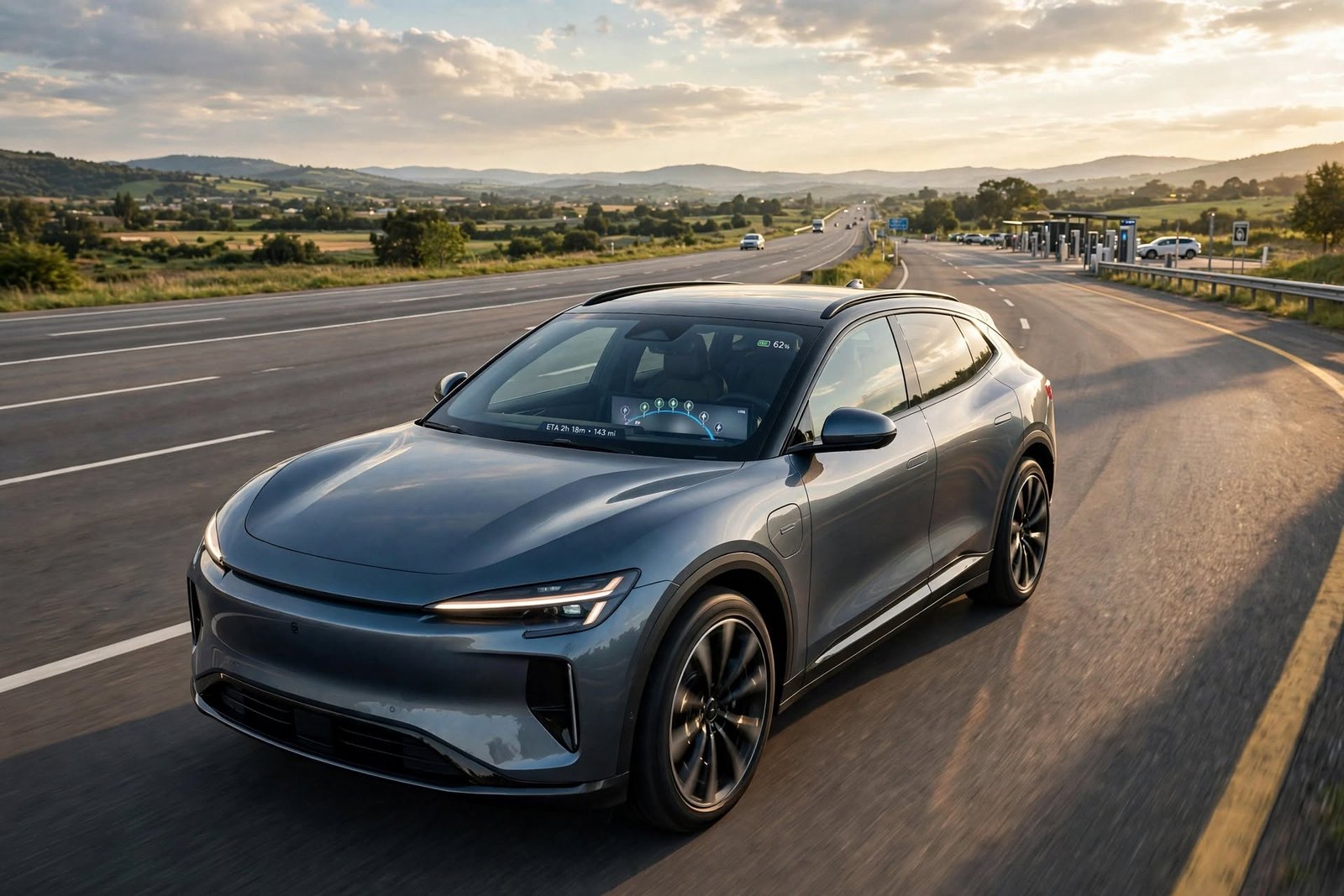
Automobile technology has revolutionized what we see in the market today, which is a far cry from the simple transport devices of the past. What we have today are cars that feature computers, cameras, sensors, artificial intelligence, and wireless connectivity, which in turn improve safety, convenience, efficiency, and the total driving experience. What was once only seen in premium luxury cars is now a standard feature in the family car, the SUV, and the electric vehicle.
Technologies like adaptive cruise control, digital instrument panels, vehicle telematics, auto safety features, and smart navigation are transforming the way in which we interact with our cars. These systems report road conditions, give alerts, take over some aspects of driving, and keep drivers in the loop. As auto tech grows, we see vehicles do more, but at the same time, it is up to the driver to pay attention and be responsible.
Advanced Driver-Assistance Systems
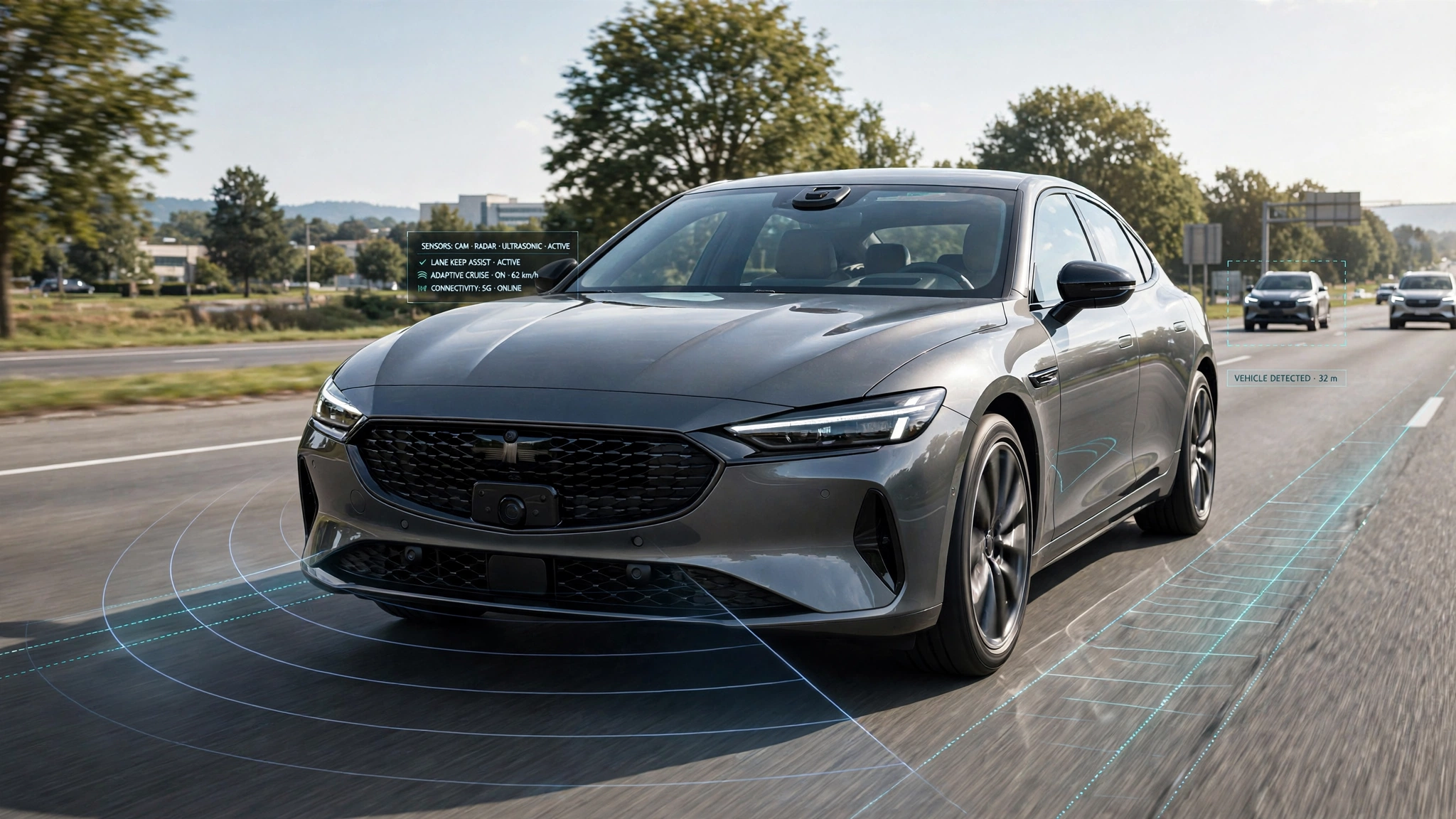
In the present time, advanced driver-assistance systems (ADAS) are at the forefront of automotive technology growth. What they do is use cameras, radar, sensors, and software to perform functions like lane keeping, blind spot detection, speed control, and alerts to collision risks.
Common in ADAS are adaptive cruise control, lane departure warnings, lane keeping assistance, blind spot monitoring, forward collision warnings, and automatic emergency braking. What we see is that these technologies may put out a warning or take corrective action when the vehicle’s sensors report an issue. But at the same time, they are put in to assist the driver, which in no way is to trade out human input and control.
Sensors and Smarter Vehicles
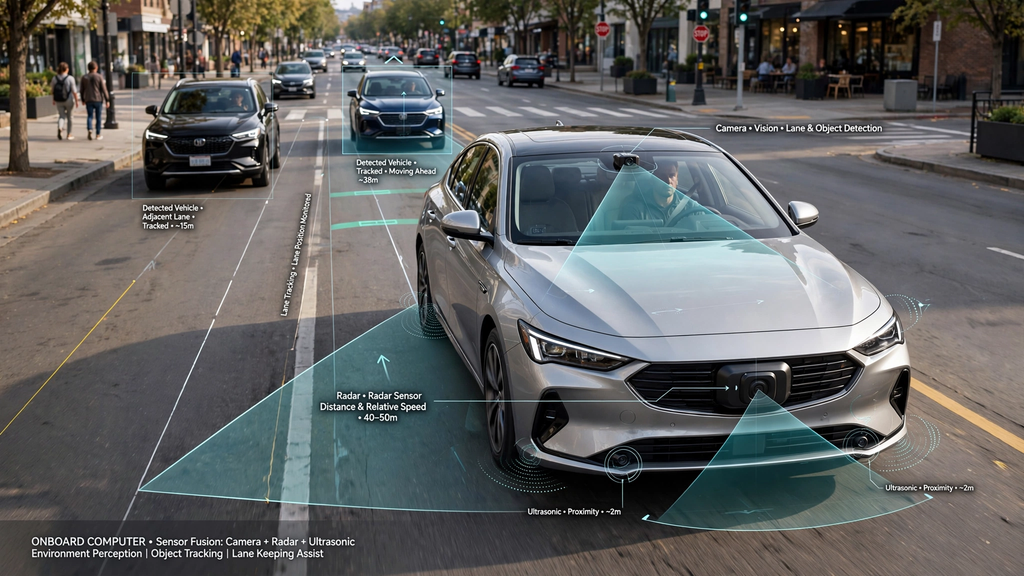
Sensors play a key role in today’s vehicle systems. In cars, we see the use of cameras, radar, and ultrasonic sensors, which, in addition to other devices, are used to study their environment and determine things like speed, distance, temperature, and vehicle movement. What the sensors collect is put through the car’s onboard computers, which in turn make different vehicle systems’ responses to changing conditions almost instant.
By the use of many sensors that report to the car, we see that vehicles better know what is going on around them. For example, cameras identify lane lines as well as what is present, which direction they are going, and what nearby vehicles are doing; at the same time, radars determine distance and the movement of nearby cars. These technologies support safety systems, parking aids, adaptive cruise control, and other driver-assist features.
Artificial Intelligence in Cars
Artificial intelligence is growing to be a key element in today’s cars. AI processes large sets of data from sensors, cameras, navigation systems, and other car components. It is also used to identify objects, to recognize certain driving conditions, to improve voice assistants, and to support intelligent safety features.
AI is also, in many cases, a component in which we see vehicles personalizing setups for their users and also providing better navigation. Also, to come, we see AI’s greater role in the prediction of maintenance issues, in the improvement of energy use, and in the better response of vehicle systems to varying road conditions.
Digital Dashboards and Displays
Digital and physical dials have been done away with in favor of what we see today, which is largely digital instrument clusters and large infotainment screens. What we have in digital dashboards is the display of speed, fuel or battery info, navigation directions, safety alerts, driving info, and a host of other vehicle-related data, which the driver can customize. This allows for a presentation of more info on a single screen instead of many separate gauges.
Modern tech suites also include navigation, music, phone connection, climate control, and voice commands. We also see in-car integration of smartphones, which in turn allows access to chosen apps and services within the car. But what we note is that manufacturers have to put in place careful designs for these systems, which at the same time do not over-distract the driver with access to info.
Connected-Car Technology
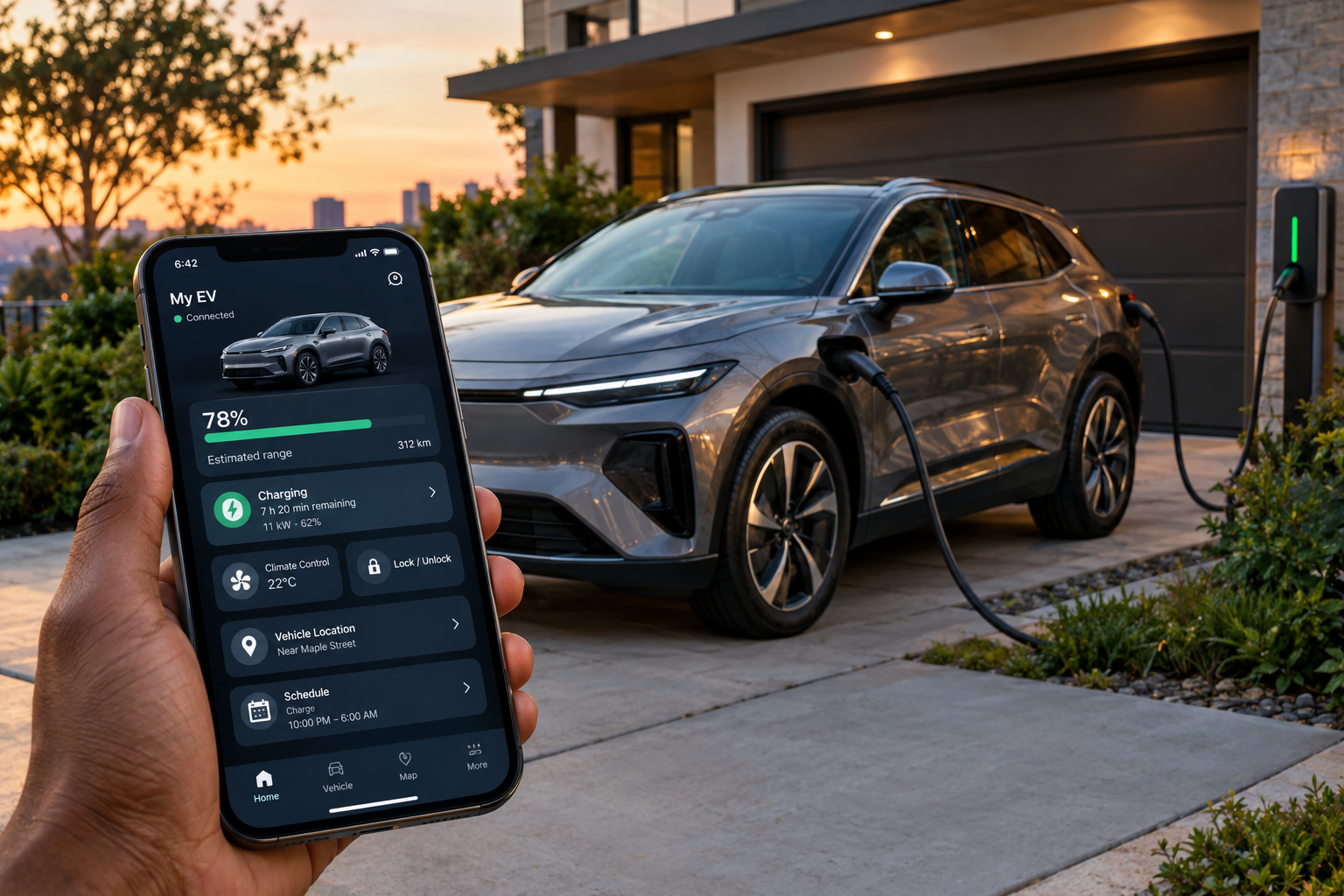
Connected-car technology is a feature that has vehicles talk to smartphones and online services as well as the car manufacturers. What a driver can do is use phone apps for a variety of things like seeing what is going on in the car, finding out where they left it, getting maintenance info, or remotely controlling some features. Also, some of the connected cars can give out info on traffic, update the nav system, and get into emergency response.
Connected in that some cars receive software updates over the air. What this also means is that manufacturers may improve on certain features or fix software issues without in-person installation of the update. But also, with greater connection comes a greater issue of cybersecurity and data privacy, as our cars in time will function very much like computers.
Automated Safety Features
Automatically, when dangerous situations present themselves, the safety systems kick in. For example, in the case of automatic emergency braking, we see that the car may take over and apply the brakes if it’s determined you aren’t responding in time. Also, we have blind spot detection and rear cross-traffic alert, which will alert you to cars or objects in areas that may be out of your view.
These systems do put out which is to reduce the risk of accidents from brief moments of inattention and also give drivers an extra layer of safety. At the same time, they are not perfect and may fail in all weather and road conditions. It is up to the driver to know what each system does and what it doesn’t do and to still pay attention while driving.
Improving Fuel and Energy Efficiency
Technology also plays a role in improving the efficiency of fuel and energy use in vehicles. In today’s cars, computers are used to run and adjust engine performance, which in itself is very different from what we had in the past. Also, we see the introduction of hybrid vehicles that use a mix of gas engines and electric motors to improve performance. Computers also play a key role in the management of all these elements for optimal vehicle performance.
Electric cars have a large role in which software and sensors play to monitor battery temp, energy use, charging, and motor performance. We also see that regenerative braking, which is used at deceleration, has some of the energy captured and put back into the battery. Also in play are tech advances which report to the driver how their car is using energy, which in turn improves efficiency.
Automated Parking and Driving Assistance
Parking technology has greatly improved. In today’s cars, you will find cameras and proximity sensors which support drivers’ view of the area which surrounds the vehicle. Also, some systems which provide steering aid during parallel or perpendicular parking are available, and we have even more advanced systems which do at least part of the parking process for the driver.
These features do improve the ease of parking in tight spaces and reduce the issue of maneuverability in dense areas. But what we see is that drivers still must pay attention, as the sensors may not pick up on all objects. Thus, it is out of the question that automated parking is put in the place of attentive driving.
The Future of Automobile Technology
In the future, we will see more of a blend between artificial intelligence, sensors, connectivity, and vehicle software in cars. We may also note that cars grow better at perceiving their environment, in and out of the garage; also, they will be at a better job at predicting when maintenance is needed, improving navigation, and also will have features which play to the strength of individual drivers.
Electric cars and those which are software-enabled will see great improvement via over-the-air updates. Also, as we move forward, manufacturers will have to pay attention to security, privacy, reliability, and ease of use. For tech to be of value, it must be what the driver can use safely.
Conclusion
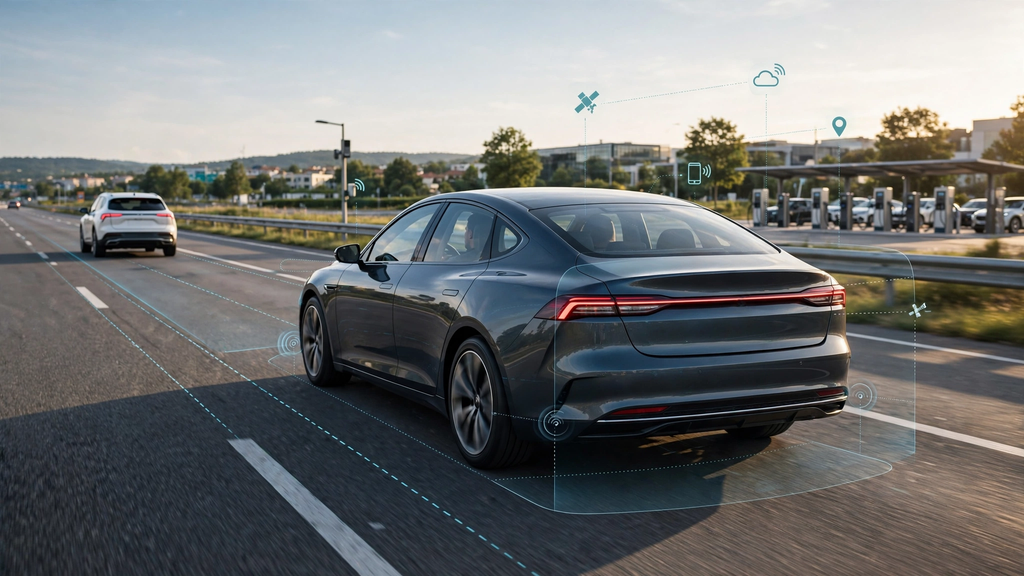
Automotive technology has transformed present-day vehicles in great ways. We see in ADAS, sensors, artificial intelligence, digital dashboards, connected-car services, and automated safety features which are making cars more intelligent, convenient, efficient, and safer. Also, these tech elements are playing a key role in what we see today in terms of everyday performance of our cars and in the direction which the auto industry is headed.
The greatest benefit we see is the fact that these technologies are integrated. Sensors which collect data, computers which process it, and intelligent systems that they put to work for the driver. As auto tech grows, we see cars becoming more connected and what they are able to do also increases, at which point man still is responsible for paying attention to the road, to his vehicle’s systems, and to make safe choices.