Introduction
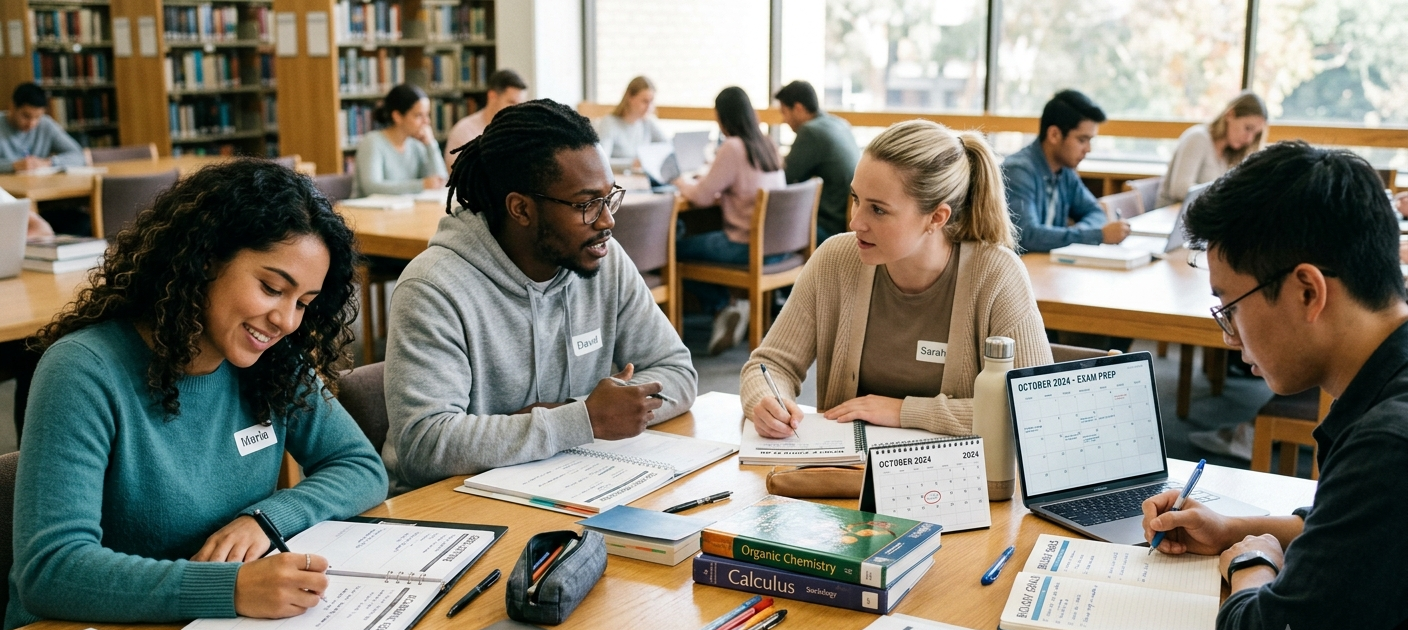
Education achievement is not a random occurrence but rather the outcome of sustained effort, good planning, discipline and clear objectives of the student. Students are eager to start the school year, and many have big plans for themselves – to get better grades, study more effectively, or learn more about tough subjects. But, if you don’t have the right goals, your dreams can become hard to come by. Academic goals give students direction and purpose because they help them to know what they want to do and how to do it to reach their outcomes. Proposing constructive objectives allows students to target their study and effort towards certain goals that can be met throughout the school year for growth and improvement.
Academic objectives are greater than just wanting to get better grades or be the top student in a class. Careful planning of goals, reasonable expectations, and ongoing assessment are key to achieving goals effectively. Pupils should be taught to distinguish between short-term targets and long-term targets and be taught to plan long-term targets appropriately to help them plan their academic lives. Students can have the opportunity to feel small rewards to big rewards through setting both types of goals. Academic objectives can be used to map a path to success regardless of whether a student needs to boost performance in a difficult subject, enhance their learning skills, study for important exams or gain confidence in their abilities.
Recognizing the Significance of Educational Objectives
Academic objectives are an important component to helping students stay focused and motivated throughout the school year. If there are no objectives, students may have difficulty prioritizing and may find themselves engaged in activities that are not directly related to their learning. Goals provide students with a sense of what they’ll need to do and prompt them to be responsible for their learning. Clear academic objectives increase the likelihood that students will develop effective study plans, meet deadlines on assignments, be engaged in class, and ask for support when they encounter challenges. A student with a clear goal has an understanding of why they do what they do, and that will help them stay committed to their studies, even when they find them difficult.
One advantage of academic objectives is that they can aid students gauge their own improvement. Teachers and students should not compare students to each other because everyone is unique with their own learning styles and abilities, and it can make them feel unconfident and not motivated. Rather, students should aim to make strides to enhance their performances, by establishing targets within their current skill level, but still challenging them to develop. For instance, a student that finds himself with difficulty in mathematics might decide to work on the concepts of algebra instead of studying higher topics. This enables students to identify improvement, be proud of their successes, and further develop skills over time.
How to Set Up Effective Academic Goals with the SMART Technique
The SMART goal setting process is one of the most effective ways of establishing academic objectives. SMART goals include the elements of being specific, measurable, achievable, relevant and time-bound. This approach enables students to articulate vague goals into specific goals to be pursued and assessed. A SMART goal to improve in school would be: “I want to improve my mathematics test score by one hour every weekday until the end of the term to go from 60% to 80%.” This goal is clearly written to define what the student hopes to gain, what success will look like and the time frame in which the student will have to do it.
Specific goals provide students with direction as to what they should practice. You will not get enough focus from the general statement of “I want to study more”, as it does not specify what or how much. A specific goal defines the specific area of improvement. Measurable goals give students an opportunity to check their progress against something measurable like test scores, completed assignments, reading goals, or study time. Realistic objectives help students develop realistic expectations given the time, resources, and level of their abilities. There are opportunities for students to deepen their understanding of how to establish realistic short-term goals that can facilitate long-term progress in smaller, more manageable steps.
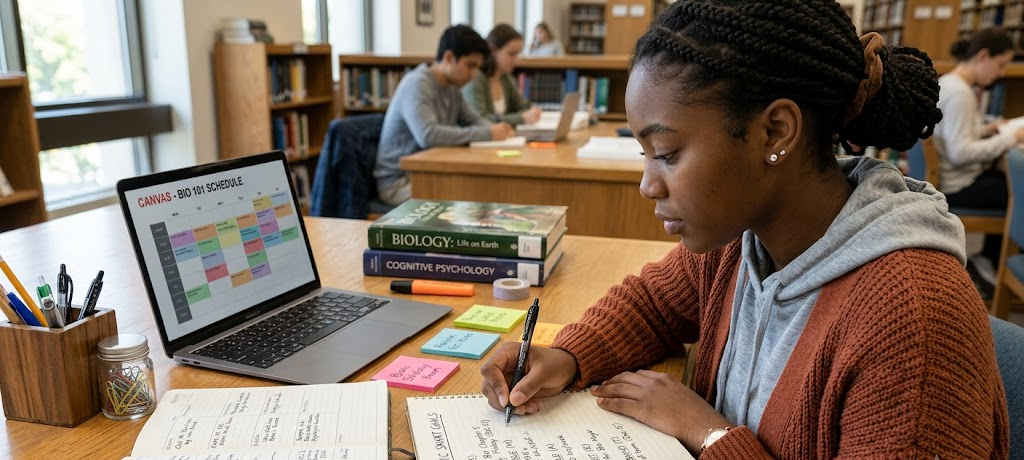
Relevant goals are tied to a student’s overall purpose of learning. For instance, a student studying for final exams should make revision, practice and enhancement targets instead of unrelated targets. Time-bound goals are those with deadlines that provide time urgency and responsibility. If a goal is set for a specific time, students will likely form an action plan and won’t procrastinate. Students will create achievable academic objectives with the help of the SMART method which is practical, motivating and achievable.
Making Short-Term Academic Objectives
Make Daily and Weekly Improvements
It is crucial that they have short-term academic objectives so that they can achieve steady progress towards larger objectives. Typically these goals are set in terms of activities that can be completed in days, weeks or a term of schooling. Short-term academic objectives might involve finishing homework assignments to a specific deadline, reading class notes every night, developing vocabulary, reading a specific amount of pages daily, or getting a better grade on the next test. These objectives might seem modest, but they are habits that make a huge difference in the long-term. By doing small tasks regularly, student’s confidence will be developed and students will learn discipline.
Daily and weekly objectives also help students avoid being overwhelmed with large academic responsibilities. For instance, studying for a big test months in the future could be a headache for a student who tries to visualize all of the subjects that will be studied. But, breaking down the preparation into smaller weekly goals can make it easier. A student can tackle certain chapters, do some questions, or review certain areas, at a time. This will lessen stress and make the person feel good about accomplishing a mini goal.
Make Short-Term Goals Action Oriented
The successful short-term goals should be action-oriented, not outcome oriented. Getting good marks is of course a good goal, but if exams have varying levels of difficulty, it is not always possible for students to achieve this mark. But they can manage their preparation, effort and learning strategies. A student may set a goal like “I will get an A in science” or action-based goals like “I will revise science notes in the evening for 30 minutes, and complete 2 science practice questions every day.” Action goals help students to focus on the behaviours that will result in success.
It is also important to have short-term goals that are flexible so that unforeseen events happen during the school year. Pupils can suffer from sickness, heavier workloads or the inability to grasp some concepts. A flexible goal is the goal that is adjusted by the students without giving up. For instance, if a student is unable to study for a planned study time for any reason, they can reschedule it, but not cancel the plan for that student. Flexibility is important to ensure that students remain motivated and learn to solve problems.
Creating Long-Term Academic Objectives
Define Your Bigger Academic Vision
Long-term academic objectives are guides to help students see the bigger picture and know why. These goals include actions that can only be completed over several months or even years, for example, graduating with top marks, getting into a top college, learning a new subject, or becoming proficient in a new skill. Long-term goals are used to remind students of the importance of what they are working towards in a day-to-day basis. If students have a clear vision of their future, they will be more likely to stay committed to their studies even when it gets tough because they know what they need to do now to be successful later.
Students will need to carefully consider their interests, strengths, and ambitions to develop long term goals. If a student wants to pursue medicine, engineering, technology, business, or another career, he or she might need to pay attention to certain academic classes and acquire specific skills. These requirements enable students to develop realistic plans. Long-term objectives should motivate the students but also be attainable with diligence and preparation.
Divide Long-Term Objectives into Smaller Ones
Sometimes goals can seem bigger than they are, especially when they are related to academic achievements. Long-term goals can be broken down into smaller steps. For instance, a student who wishes to perform very well in his examinations can break the task down into smaller steps like: getting better in certain subjects every term, getting better at studying, finishing revision plans and regularly practising past questions. The student advances towards the end goal with each task completed.
Tackling goals in smaller steps helps students to track their progress more closely. A student who sees that he is not making the progress that he believes he should, can spot which area he should adjust. This allows problems to be solved sooner rather than later, at the end of the school year. Small achievements also help to motivate as students can see that their efforts are having an impact.
Effectively Tracking Academic Progress
Check Your Performance on a Routine Basis
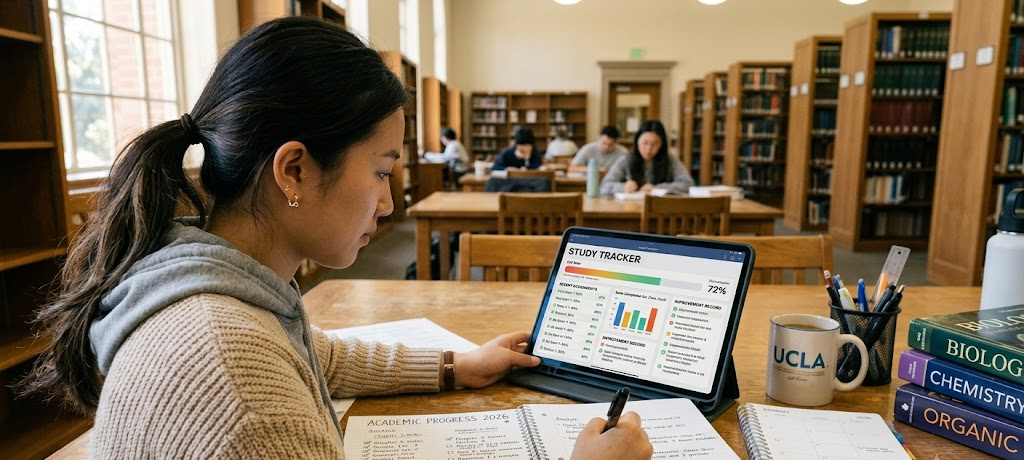
Going through a process of goal setting is just the first step; students need to monitor their progress to determine if the strategies used are effective. It provides students with the opportunity to recognise strengths and weaknesses, and identify ways to improve through regular monitoring. Students may monitor their progress by keeping study journals, planners, using digital applications, grade records or by using basic checklists. When activities and learning are documented, a clear picture of growth over time is established.
However, progress tracking fosters accountability as well. If students revisit their goals on a regular basis, they will become more aware of what they are responsible for and less likely to forget about important tasks. For instance, tracking students’ weekly study logs might show if sufficient time is being spent on more challenging topics. If progress is not as anticipated, students may be able to reschedule themselves, ask for extra assistance or modify their strategies.
Analyze and Modify Goals as Needed
Academic objectives should not be thought of as set-in-stone plans that can never shift. Students should review their goals on a regular basis and revise their goals as needed. Then there are also times when you might find that you cannot achieve that goal due to increased workload at school, or other life changes or unforeseen obstacles. The fact that a goal has been adjusted is not a failure to achieve it, but indicates maturity and good planning.
Successful students know that improvement needs regular Appraisal. They ask such questions as: “Am I progressing?” What strategies are working for me to learn more effectively, and what obstacles am I facing to reaching my objectives? Students can use these questions to reflect on their ideas and progress further on.
Maintain Focus and Drive When Studying Is Difficult
Form Good Habits and Discipline
While motivation may vary throughout the school year, discipline will enable students to keep working even when they are not highly motivated. Consistent habits including learning at regular times, regular review of lessons, organisation of materials, and regular completion of work are a great basis for success at school. Motivation is reduced and students rely on consistent processes instead.
Practice should be started with small steps and built up over time. Trying to completely change study behaviour overnight can become difficult to maintain. Little things, like setting aside 30 minutes per day for revision or tidying notes after class, can make great academic habits.

Understand That Learning From Mistakes and Failures Is Essential
Difficulties and failures are a natural part of learning. Pupils can be marked down or find aspects of a subject hard or have spells of slow progress. Rather than see these moments as failures, students should see these moments as learning opportunities and a chance to get better. Errors may highlight areas needing greater focus and aid pupils to identify more effective ways of learning.
By maintaining a positive mindset, students can stay motivated in challenging times. Successful learners are aware of the importance of perseverance, patience and ongoing effort to achieve academic progress. They concentrate on improvement instead of perfection and understand that everything they are faced with can be an opportunity to learn.
Conclusion
Establishing study objectives is perhaps the most beneficial method a student can use to stay focused, motivated and prepared throughout the school year. Students can plan their efforts, develop good work habits and persist in their work toward achievement of their academic goals by establishing clear short and long term goals. Short-term goals give you guidance as you go and will help you make daily improvements; long-term goals give you a vision for future success. With good monitoring, self-control, and a ready willingness to change, academic objectives are effective tools for self-development.
We all have difficulties, but when we have a plan to our goals, we can see that more clearly, and we are able to plan a way to overcome the obstacles and move forward. Success in school is not a one-time thing but something that is constantly developed by continuous efforts. By developing action plans, tracking progress, and staying committed to their learning, students can develop confidence, enhance their skills, and make educational journeys to achieve higher levels of academic achievement.