In today’s fast-paced product design world, the difference between market leaders and everyone else often comes down to one thing: speed. Transforming an idea from a rough concept into a market-ready product has never been more competitive, and the pressure to iterate quickly while maintaining quality is relentless. This is where contract manufacturing services emerge as a powerful ally for product designers and engineers seeking efficient prototyping solutions. By tapping into external expertise, advanced technologies like 3D printing, and scalable production capabilities, teams can accelerate every stage of product development without the overhead of building everything in-house. Whether you need rapid iterations, functional testing prototypes, or a seamless bridge from prototype to production, contract manufacturing offers a streamlined path forward. This guide is designed to help product designers and engineers understand how to leverage contract manufacturing for faster prototyping cycles, smarter validation, and ultimately, a quicker route from concept to market-ready product.
Understanding Prototyping in Modern Product Development
Prototyping is the process of creating early working models of a product to test concepts, validate designs, and identify flaws before committing to full-scale production. It plays a critical role in product development because it transforms abstract ideas into tangible objects that teams can evaluate, share with stakeholders, and refine based on real-world feedback. By catching design errors and usability issues early, prototyping dramatically reduces the financial risks and costly rework that come with discovering problems late in the manufacturing cycle. The practice has evolved significantly over the past decade—what once relied on handcrafted models and slow machining processes now leverages digital design tools, simulation software, and additive manufacturing to produce accurate prototypes in hours rather than weeks. In today’s competitive landscape, where product lifecycles are shrinking and consumer expectations are rising, the ability to prototype with both speed and precision is no longer optional. It’s a strategic necessity that separates successful product launches from expensive missteps.
The Integral Role of Contract Manufacturing Services in Prototyping
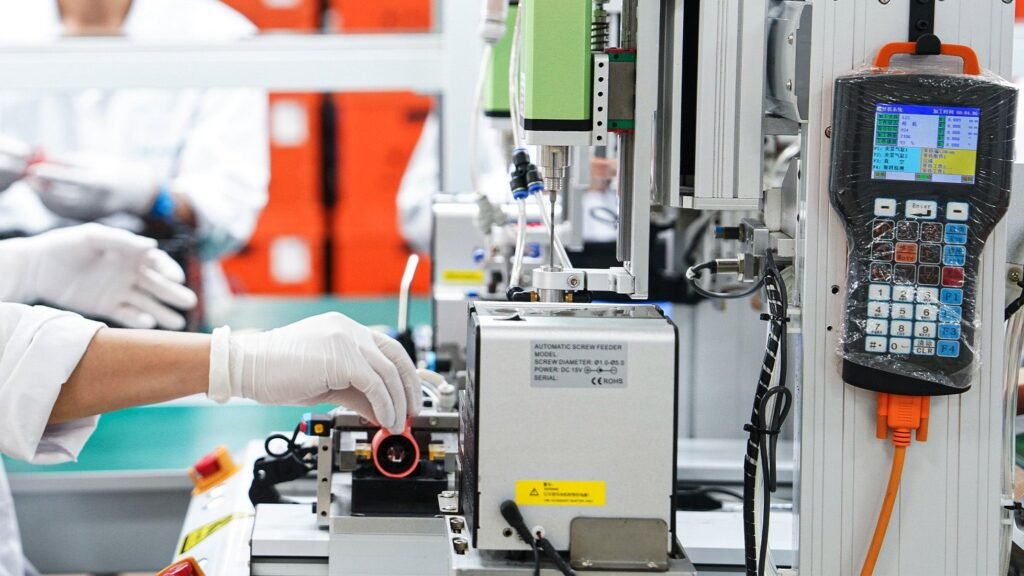
Contract manufacturing services involve outsourcing specific production tasks to specialized third-party providers—but their value extends far beyond high-volume mass production. Increasingly, these partners serve as prototyping accelerators, offering product designers and engineers access to advanced equipment, deep material expertise, and flexible production capacity that would be prohibitively expensive to maintain in-house. A contract manufacturer can deploy industrial-grade 3D printers, precision CNC machines, and specialized finishing processes on demand, eliminating the capital investment and learning curve your team would otherwise face. They also bring cross-industry experience, often identifying design-for-manufacturability issues that internal teams might overlook. Compared to in-house prototyping, where teams are constrained by limited equipment and competing project priorities, contract manufacturing provides scalability—you can run one prototype or fifty without disrupting your core workflow. This means product designers can focus on creative problem-solving and iteration while the manufacturing partner handles execution, compressing development timelines and freeing internal resources for higher-value engineering work.
Key Prototyping Methods: From 3D Printing to Advanced Techniques
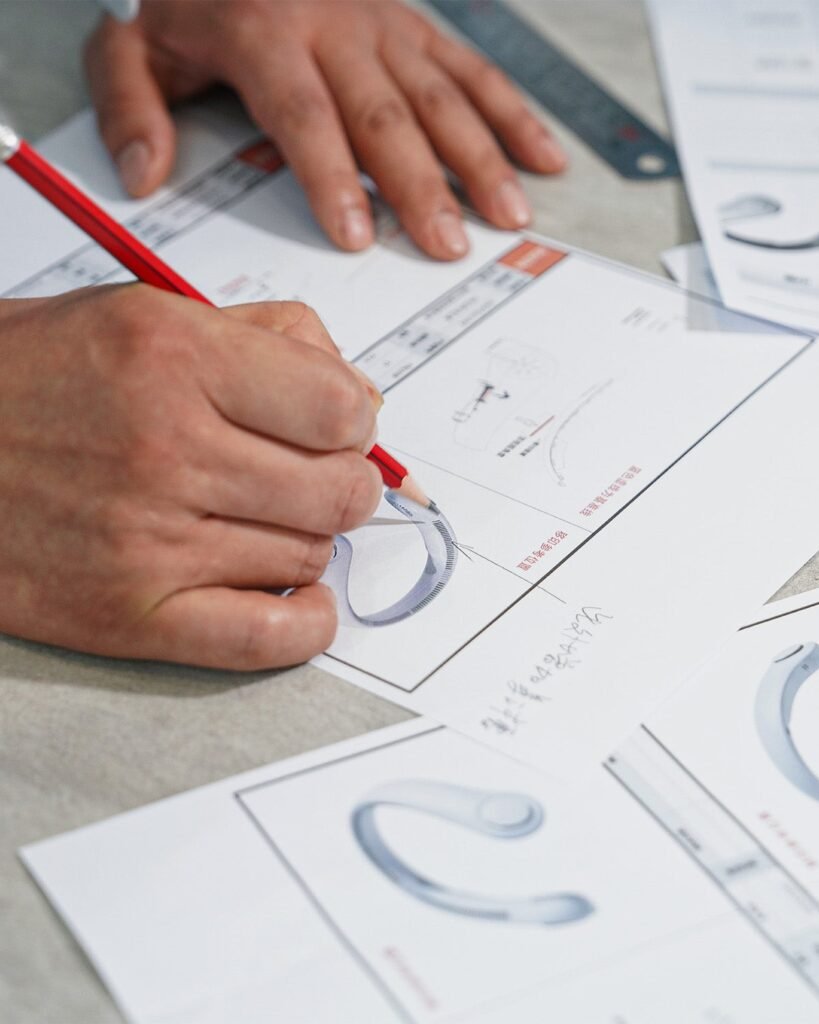
The prototyping landscape offers a broad spectrum of methods, each suited to different stages of product development and varying project requirements. 3D printing—also known as additive manufacturing—has become the go-to choice for rapid iterations, enabling designers to produce complex geometries directly from CAD files within hours. It excels during early-stage concept validation when speed matters more than final material properties. CNC machining, on the other hand, delivers tighter tolerances and works with production-grade metals and engineering plastics, making it ideal for functional prototypes that need to withstand mechanical stress or fit precisely within an assembly. For projects approaching production readiness, rapid injection molding allows teams to test parts in the actual material and process they’ll use at scale, revealing potential manufacturing defects before tooling investments are finalized. Vacuum casting offers a middle ground, producing small batches of high-fidelity parts from silicone molds. The real advantage of working with a contract manufacturer is access to all of these techniques under one roof. Rather than being locked into a single method, product designers can match each prototype’s purpose to the most appropriate technology—switching from 3D printed concept models to CNC-machined functional samples to molded pre-production parts as the design matures. This flexibility eliminates bottlenecks and keeps development moving forward without compromising on fidelity or relevance at any stage.
Why 3D Printing is a Game-Changer for Rapid Prototyping
3D printing fundamentally reshapes the prototyping timeline by removing tooling requirements entirely. A designer can finalize a CAD revision in the morning and hold a physical part by the afternoon, enabling multiple design iterations within a single week that would have previously taken months. The cost per iteration drops dramatically since there are no molds or fixtures to modify—only the digital file changes. Beyond speed and cost, 3D printing unlocks geometric freedom that traditional manufacturing cannot match, allowing engineers to test organic shapes, internal channels, and lattice structures without added complexity. This combination of rapid turnaround, low per-unit cost, and design flexibility makes 3D printing the most effective tool for accelerating early-stage product iterations through contract manufacturing partners.
Addressing Target Audience Needs: Quick Prototyping and Validation Solutions
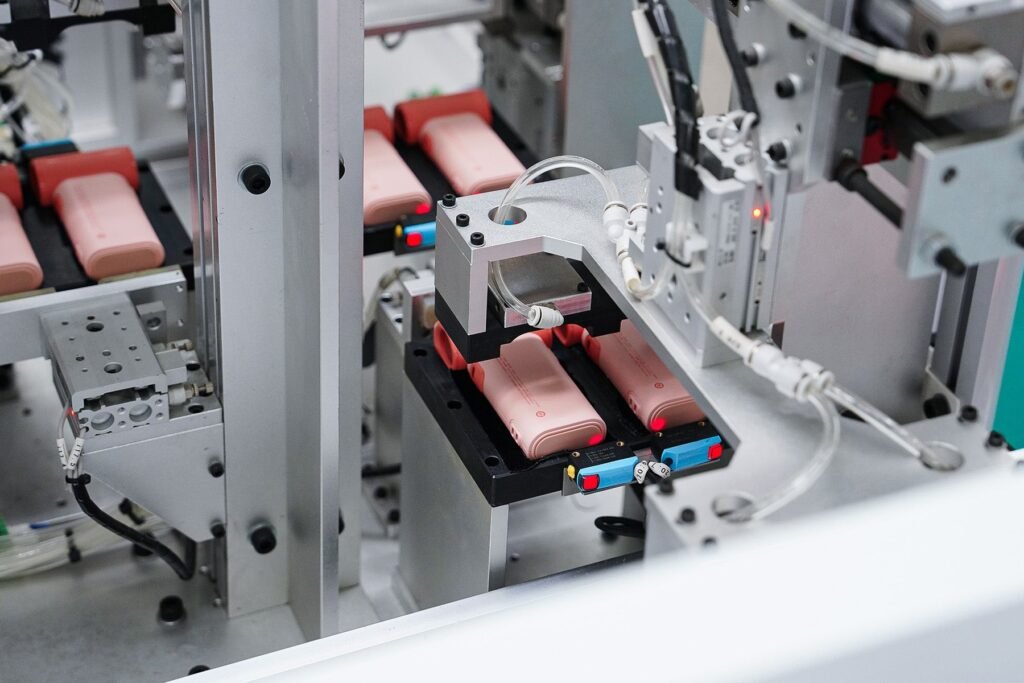
Product designers and engineers face a persistent tension: the need to move fast without sacrificing the rigor that ensures a product actually works in the real world. Tight development schedules demand rapid access to physical prototypes, yet every iteration must be meaningful—tested, validated, and informed by data rather than guesswork. Contract manufacturing directly addresses this tension by providing on-demand prototyping services that eliminate the queue times and resource conflicts common in internal workshops. Instead of waiting weeks for machine availability or material procurement, engineers can submit designs digitally and receive functional parts within days, keeping momentum through critical development phases. Equally important is what happens after a prototype arrives. Validation—the systematic process of confirming that a design meets its intended performance, safety, and manufacturability requirements—is where many teams stumble. Rushing to production without thorough prototype testing leads to expensive tooling changes, product recalls, or market failures. Contract manufacturers increasingly offer integrated validation support, from dimensional inspection and material certification to environmental stress testing, giving product teams confidence that what works in the lab will perform at scale. This dual capability—speed in building and discipline in testing—is what makes contract manufacturing indispensable for modern product development teams.
Accessing Quick Prototyping Services for Faster Iterations
Securing fast prototyping turnaround starts with selecting the right contract manufacturing partner. Evaluate providers based on their in-house technology range, typical lead times for your required processes, and their ability to handle design revisions without restarting the quoting process. Once you’ve identified a capable partner, streamline your workflow by submitting production-ready CAD files through digital quoting platforms, which many contract manufacturers now offer for instant feasibility checks and pricing. Specify critical dimensions, material requirements, and surface finish expectations upfront to avoid back-and-forth delays. Leverage just-in-time production models where prototypes are manufactured only when needed, reducing inventory waste and allowing your team to incorporate the latest design changes into every build. Establish a clear revision-tracking system so that each prototype iteration is tied to specific design updates and test objectives. Finally, negotiate framework agreements with your manufacturing partner that pre-approve materials and processes, cutting administrative overhead from each order cycle and ensuring that when inspiration strikes or test results demand a pivot, you can have new parts in hand within 48 to 72 hours.
Validation Methods to Ensure Product Quality
Effective prototype validation requires a structured approach that goes beyond simply checking whether a part looks correct. Functional testing should simulate real-world operating conditions—applying mechanical loads, thermal cycles, or chemical exposures that the final product will encounter—to reveal weaknesses invisible in visual inspection alone. Dimensional verification using coordinate measuring machines or 3D scanning confirms that critical tolerances are maintained, which is essential for parts that must interface with other components in an assembly. User feedback testing, where target customers or internal stakeholders interact with the prototype, uncovers ergonomic and usability issues that engineering analysis often misses. Compliance checks against relevant industry standards and regulatory requirements should happen early, not as a last-minute gate before production. Many contract manufacturers support these validation processes directly, offering in-house metrology labs, material testing capabilities, and documentation packages that align with ISO or industry-specific quality frameworks. By building validation checkpoints into every prototyping cycle rather than treating testing as a final hurdle, teams catch issues incrementally and arrive at production-ready designs with far fewer surprises.
Steps to Efficient Prototyping Using Contract Manufacturing
Building an efficient prototyping workflow with a contract manufacturer requires deliberate planning and clear communication at every stage. Start by defining your project requirements and goals with precision—document the prototype’s intended function, target tolerances, material constraints, and the specific questions each iteration needs to answer. A prototype built to evaluate ergonomics demands a very different approach than one designed to validate thermal performance, and clarity here prevents wasted cycles. Next, choose the prototyping method that aligns with your current development phase. Early concepts benefit from 3D printing’s speed and low cost, while later-stage functional validation may require CNC machining or rapid injection molding to replicate production conditions accurately. With your method selected, evaluate contract manufacturing partners based on their relevant capabilities, turnaround reliability, quality certifications, and willingness to support iterative workflows rather than treating each order as a standalone transaction. Molding manufacturing specialists like WEILAN MFG, for example, can be particularly valuable when projects transition from early-stage prototyping to injection-molded pre-production parts, offering the tooling expertise needed to bridge that critical gap. Once you’ve chosen a partner, establish a collaborative design review process where their manufacturing engineers provide feedback on your CAD files before production begins—this catches manufacturability issues early and reduces failed builds. After receiving each prototype, implement structured testing against predefined acceptance criteria, documenting results systematically so that every iteration builds on validated data rather than assumptions. Finally, use test findings to refine the design and resubmit for the next cycle, progressively narrowing toward a production-ready solution. This disciplined loop—define, build, test, refine—compresses development timelines while ensuring that the final design is thoroughly vetted before you commit to tooling and scale.
Best Practices for Testing Prototypes Before Mass Production
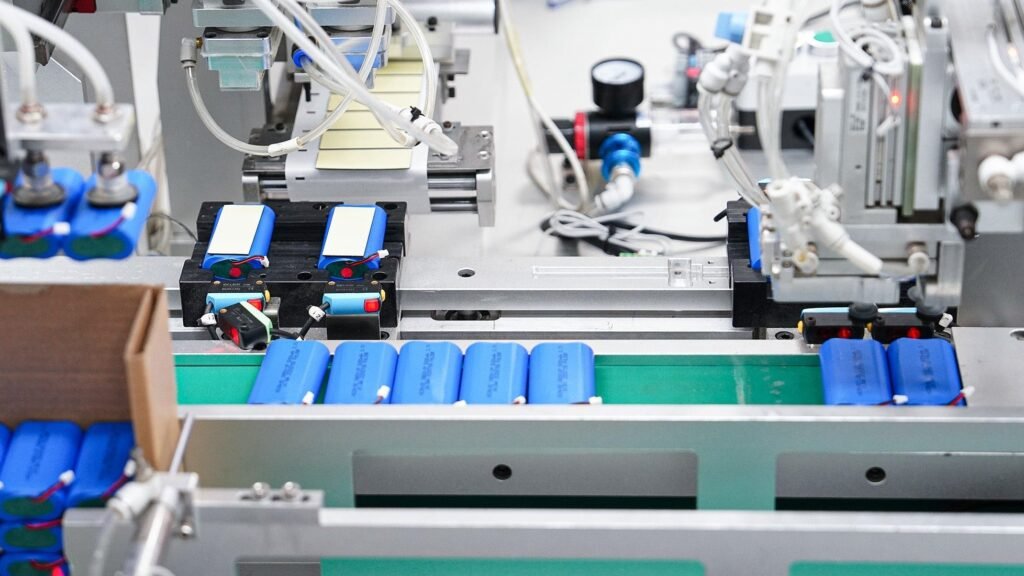
Successful prototype testing hinges on preparation and consistency. Before any physical evaluation begins, establish clear acceptance criteria tied to measurable performance benchmarks—dimensional accuracy, load capacity, cycle life, or user task completion rates—so that pass/fail decisions are objective rather than subjective. Involve cross-functional stakeholders early in the testing process, including manufacturing engineers, quality assurance specialists, and end users, because each group catches different categories of risk. Adopt iterative testing cycles where each round targets specific unknowns: an early cycle might focus on form and fit, a middle cycle on functional durability, and a late cycle on manufacturability under production conditions. Document every test result, failure mode, and design change in a centralized system that the entire team can reference, creating a traceable history that accelerates future projects and supports regulatory submissions. Integrate your contract manufacturing partner into this testing workflow by sharing acceptance criteria and failure data directly with their engineering team. This collaboration allows them to suggest process adjustments, alternative materials, or design modifications informed by their production experience, closing the gap between prototype performance and mass production reality before tooling commitments are made.
Accelerate Your Prototyping Journey From Concept to Production
Efficient prototyping is no longer a luxury—it’s the engine that drives successful product development in an era where speed and quality must coexist. Throughout this guide, we’ve explored how contract manufacturing services provide product designers and engineers with a powerful framework for accelerating every phase of the prototyping journey, from early-stage concept models produced through 3D printing to functional validation using production-grade methods like CNC machining and rapid injection molding. The ability to access specialized equipment, deep manufacturing expertise, and scalable capacity on demand eliminates the bottlenecks that slow internal teams and inflate development budgets. Equally important, integrating structured validation and testing prototypes into each iteration cycle ensures that designs arriving at mass production are thoroughly vetted, reducing costly surprises and strengthening market outcomes. The competitive advantage belongs to teams that iterate faster, validate smarter, and scale with confidence. If your current prototyping workflow feels constrained by limited resources or long lead times, now is the time to explore contract manufacturing partnerships that can transform how you bring products to market. Start by evaluating your next project’s prototyping needs and reaching out to qualified manufacturing partners who can turn your vision into reality—faster than you thought possible.