Allen-Bradley components are the backbone of countless manufacturing and industrial automation systems worldwide. From programmable logic controllers to digital output modules, these parts keep production lines running smoothly — until they don’t. When a critical component fails and the replacement is no longer in active production, the consequences can be immediate and severe: halted lines, missed deadlines, and mounting financial losses.
For purchasing agents and maintenance teams, the hunt for obsolete or discontinued Allen-Bradley spare parts is one of the most frustrating challenges in industrial procurement. The original manufacturer may no longer stock the item, lead times stretch into weeks, and the risk of encountering counterfeit components adds another layer of complexity to an already urgent situation.
This guide cuts through that complexity. Whether you’re tracking down a legacy PLC module or a hard-to-find digital output module, the following sections map out exactly where to look, how to evaluate suppliers, and how to execute a procurement process that prioritizes both speed and reliability. The goal is simple: keep your operations running without compromising on part quality or breaking your budget.
The Critical Challenge of Sourcing Obsolete Allen-Bradley Spare Parts
Every automation component follows a predictable lifecycle: introduction, active production, phase-out, and eventual discontinuation. For Allen-Bradley parts — particularly legacy PLC modules, I/O cards, and communication adapters — that final stage creates an acute problem for facilities still running equipment built around those components. Rockwell Automation regularly retires older product lines as technology advances, but the manufacturing systems those parts support don’t retire on the same schedule. A plant running a production line designed in the early 2000s may depend on components that haven’t been in active production for years.
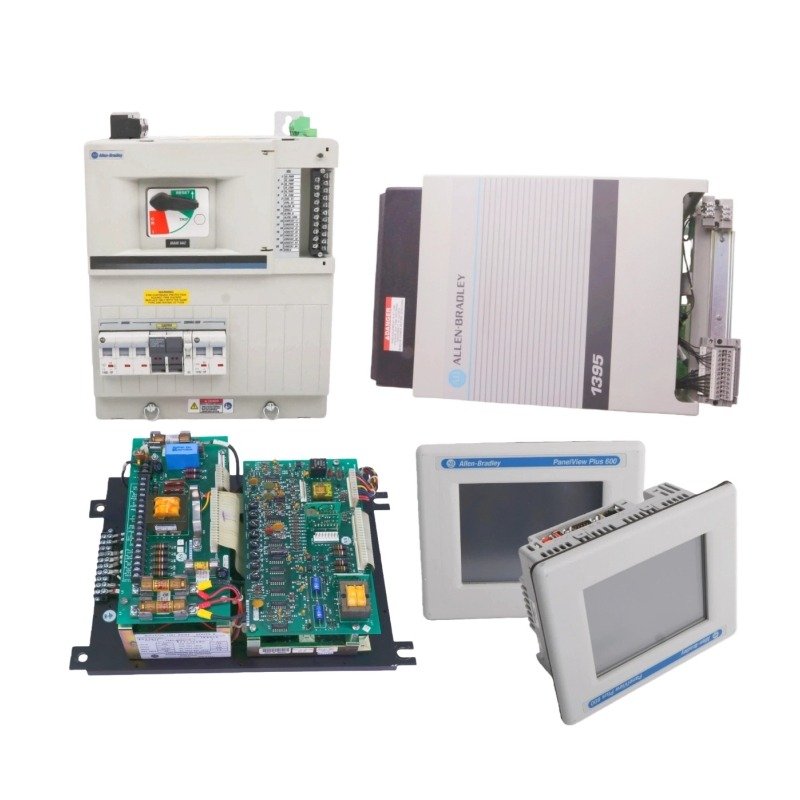
The business consequences of an unplanned component failure are immediate and measurable. A single failed module can halt an entire production line, triggering a cascade of losses: idle labor costs, missed delivery commitments, contractual penalties, and in some industries, safety shutdowns that require regulatory sign-off before operations resume. Every hour of downtime compounds the pressure on maintenance and procurement teams to find a replacement fast — often without a clear roadmap for where to look.
This urgency creates a dangerous opening for counterfeit and substandard components. The gray market for industrial automation parts is substantial, and not every seller operates with integrity. Counterfeit Allen-Bradley parts may pass a visual inspection but fail under operational load, introducing new failure points and potentially voiding equipment warranties. In safety-critical environments, the stakes are even higher.
What purchasing agents genuinely need isn’t just a part — it’s a verified, functional replacement from a supplier they can trust. That means prioritizing sources with documented testing procedures, transparent part condition disclosures, and clear warranty terms. Understanding where reliable supply exists, and how to distinguish credible suppliers from opportunistic ones, is the foundation of any effective obsolete parts procurement strategy.
Where to Look: Top Sources for OEM Automation Parts
When Rockwell Automation discontinues a product line, the OEM becomes the least practical starting point for procurement. Their focus shifts to current-generation hardware, and while they may occasionally facilitate migration paths or suggest newer replacements, they rarely maintain deep inventory of legacy components. That reality pushes purchasing agents toward alternative channels — and fortunately, those channels have matured significantly over the past decade.
Specialized Industrial Automation Distributors
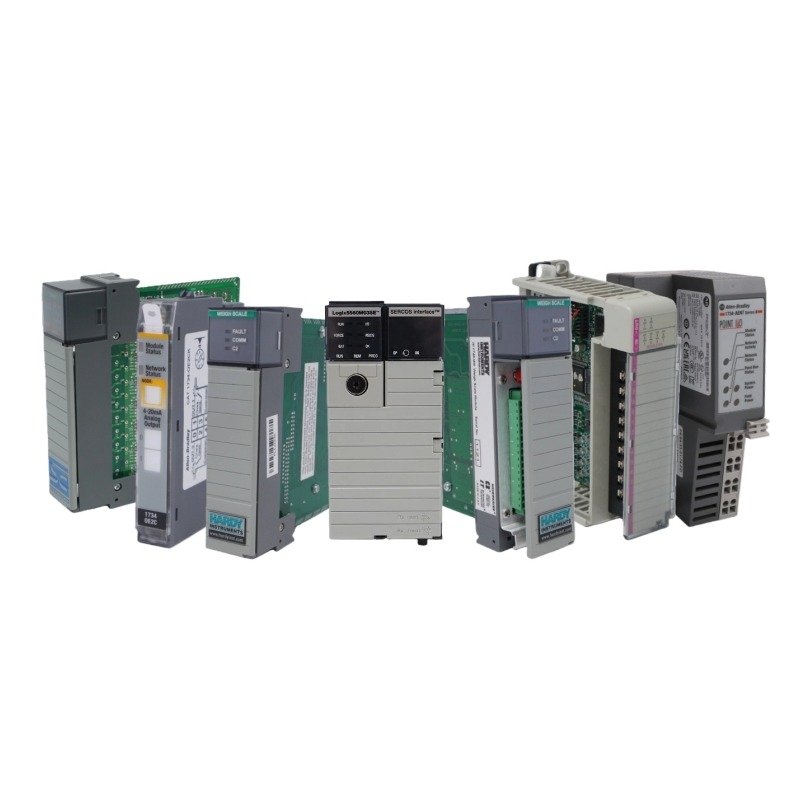
The most reliable source for obsolete Allen-Bradley parts is a distributor that has built its business specifically around surplus, refurbished, and end-of-life industrial components. These aren’t general electronics resellers — they’re specialists who understand the difference between a Series B and Series C revision, know which firmware versions are compatible with specific hardware configurations, and maintain warehouses stocked with components pulled from decommissioned equipment or purchased in bulk before discontinuation. Suppliers like Apter Power, which focuses on hard-to-find industrial and automation components, represent the kind of niche expertise that translates directly into deeper inventory, faster identification of hard-to-find modules, and technical staff who can answer specification questions that a general distributor simply couldn’t. For legacy PLC modules and I/O cards in particular, this kind of specialized knowledge is often the difference between a same-week resolution and a weeks-long search.
The Digital Advantage: Online Marketplaces and Inventory Databases
Digital platforms have fundamentally changed how purchasing agents approach obsolete parts sourcing. Dedicated industrial automation marketplaces now aggregate real-time inventory data from hundreds of distributors globally, allowing buyers to search a specific part number and immediately see which suppliers have stock, in what condition, and at what price point. This visibility collapses what used to be a multi-day phone-and-email search into a single query. Beyond simple marketplaces, some platforms offer direct RFQ submission tools, letting buyers reach multiple verified suppliers simultaneously and compare responses side by side. For time-sensitive situations — a failed digital output module halting a production line, for instance — this speed advantage is substantial. The key is using platforms that vet their listed suppliers and display condition ratings transparently, so you’re not trading speed for reliability.
Evaluating a Supplier for Your Allen-Bradley Parts Needs
Expertise in OEM Automation and Product Authentication
Not every supplier listing an Allen-Bradley part number is equipped to deliver a component you can trust. The first filter should be technical competence. A credible supplier will have staff who can speak to revision differences, firmware compatibility, and application-specific requirements — not just read back the catalog description. More importantly, they should be able to document how parts are tested before shipment. Look for suppliers who perform functional testing under load conditions, provide inspection reports, and back their inventory with a meaningful warranty — ideally 12 months or more. Certifications and quality management practices matter here too. Suppliers operating under ISO 9001-certified processes have made a structural commitment to consistency that translates directly into fewer surprises when the part arrives. If a supplier can’t explain their authentication process or deflects questions about testing documentation, that’s a clear signal to move on.
Logistics and Support: The Value of Immediate Shipment
When a production line is down, supplier response time becomes as important as part availability. A distributor sitting on the exact module you need is only valuable if they can get it to you quickly. Before committing to a supplier, confirm whether they offer same-day or next-day shipping on in-stock items, and verify their global logistics capabilities if you’re operating across multiple facilities or regions. Equally important is post-sale support. Can you reach a technically knowledgeable person if the part arrives with unexpected compatibility issues? Is there a clear return policy if the component doesn’t perform as specified? These aren’t edge-case concerns — they’re standard operational risks when sourcing from the secondary market. Responsive customer service, transparent shipping timelines, and a straightforward return process are the practical differentiators that separate a reliable long-term partner from a one-time transaction that leaves you exposed.
A Step-by-Step Guide to Procuring Your Needed Part
Step 1: Accurate Part Identification and Specification
Precision at the identification stage prevents costly mistakes downstream. Using a digital output module with 32 outputs as an example: don’t stop at the base part number. Pull the complete catalog number from the physical unit, the equipment manual, or the original bill of materials — then confirm the series letter and revision number, both of which are typically printed on the module label. These details matter because a Series A and Series B unit may share the same base number but differ in firmware compatibility or connector configuration. Document the operating voltage, output current rating, and communication backplane requirements before approaching any supplier. The more precisely you can specify what you need, the faster a knowledgeable distributor can confirm a match.
Step 2: Research and Supplier Shortlisting
With a complete specification in hand, run parallel searches across the channels outlined earlier. Start with specialized industrial automation distributors who focus on surplus and legacy Allen-Bradley inventory — search their online catalogs directly using the full catalog number. Simultaneously, query two or three aggregated marketplace platforms to capture real-time global availability. For a 32-output digital output module, you may find multiple suppliers with stock, which gives you genuine negotiating leverage. Narrow your list to three to five suppliers who clearly show the part in stock, display condition information, and have verifiable business histories or customer reviews. Avoid listings that show only a part number with no condition disclosure or contact details.
Step 3: Request Quotes and Verify Details
Submit a structured RFQ to each shortlisted supplier. Your request should explicitly ask for: unit price and available quantity, part condition (new, refurbished, or used), series and revision confirmation, testing documentation or inspection reports, warranty terms and duration, and estimated ship date with carrier options. For a critical component like a digital output module halting a live production line, ask directly whether same-day or next-day shipment is available for in-stock units. Compare responses not just on price, but on the completeness and transparency of the answers. A supplier who provides testing documentation and a 12-month warranty at a slightly higher price is almost always the better choice over a cheaper option with no quality assurances.
Step 4: Finalize Order and Ensure Support
Before issuing a purchase order, review the supplier’s terms carefully. Confirm the return policy covers the scenario where the module arrives with unexpected compatibility issues or fails initial bench testing. Clarify whether post-sale technical support is available — specifically, whether you can reach someone with application knowledge if installation reveals a problem. Once the order is placed, request a tracking number immediately and monitor shipment progress actively, particularly for international logistics. Upon receipt, inspect the unit against your specification checklist before installation. Document the transaction fully, including the supplier’s warranty documentation, so you have a clear record if a warranty claim becomes necessary later.
Building a Resilient Procurement Strategy for Legacy Components
Sourcing obsolete Allen-Bradley automation parts is a genuine operational challenge, but it’s far from an unsolvable one. The key is recognizing early that the OEM is rarely the right starting point for discontinued components, and redirecting that effort toward specialized industrial distributors and digital inventory platforms that exist precisely to serve this need. These channels offer deeper stock, faster response, and the kind of application-specific knowledge that general procurement approaches simply can’t match.
Supplier vetting is non-negotiable. Technical competence, documented testing procedures, meaningful warranty terms, and responsive logistics aren’t premium extras — they’re baseline requirements for any secondary-market procurement that carries operational risk. A slightly higher unit price from a verified, quality-assured supplier is almost always the more economical choice once you factor in the cost of a failed component or a counterfeit part that introduces new failure points into a live system.
The most resilient facilities don’t wait for a breakdown to build these supplier relationships. Identifying and qualifying two or three trusted sources for legacy Allen-Bradley components before a crisis hits transforms an emergency scramble into a manageable procurement task. That proactive posture — knowing where to go, who to call, and what to ask — is the single most effective defense against the costly downtime that obsolete component failures can trigger.