Introduction
A digital wallet can be used as a tool to help manage money and make payments. This can be done using a smartphone, tablet, smartwatch or other supported device. Digital wallets offer many benefits to consumers, such as providing a way to store your payment details easily. This can be used to make online purchases, pay for items in physical stores and transfer money between users. They are becoming increasingly popular as we are seeing improvements in mobile technology, banking, security and contactless payments. Digital wallets are becoming an important part of our daily financial activities, whether we’re buying groceries, paying our bills or shopping online. Understanding how they work, the technology and advantages and disadvantages will help you to make informed decisions.
What Is A Digital Wallet?
A digital wallet is an electronic service that can be used to store payment details on a smartphone, computer, tablet or other supported device. Depending on the provider, they can store your debit card, credit card, pre-paid cards, bank details, loyalty cards or digital identification. Examples include Apple Pay, Google Wallet, PayPal and Samsung Wallet. When you add a payment card to your digital wallet, your payment details will be processed securely. This can often involve encryption and tokenization. The payment will be processed with the payment processor, bank or payment network. Once approved by the financial institution, you’ll be able to make payments.
How They Store Payment Details
Depending on the digital wallet provider, they can either store your payment details using a secure chip or use an encrypted cloud. When you add a payment card to your digital wallet, they may check with your bank to ensure it is valid. Many digital wallets will use tokenization to protect your payment details. Tokenization is a security measure that will replace your real card details with a unique token. This will help protect your data. Extra security measures can also be put in place such as device verification, encryption and payment tracking. This means you’ll be able to use your digital wallet without worrying about your sensitive data being compromised.
15 Ways Digital Wallets Are Changing the Way We Pay
1. Fast Contactless Payments
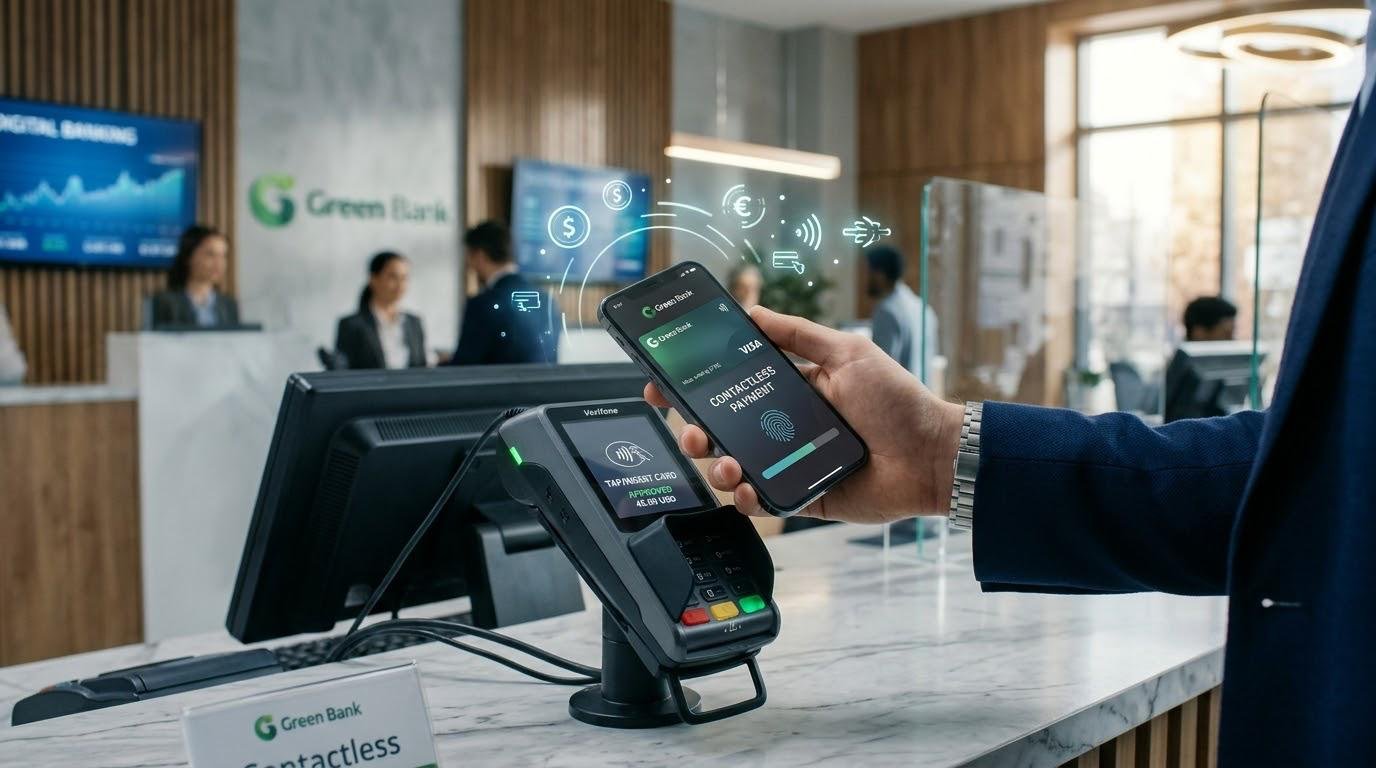
With a digital wallet, you can make payments to a compatible payment terminal by holding your smartphone or smart watch near the device. This usually involves Near Field Communication (NFC). This means you won’t need to rummage through your wallet for cash or bank card. You can simply tap your card. This is great for supermarkets, restaurants, transport and shops. It also means you don’t have to touch payment terminals. However, you’ll need a compatible device and payment terminal.
2. Easy Online Shopping
Digital wallets make online shopping easy by allowing you to pick your saved payment details. You won’t need to type in your card numbers, expiry dates, billing address etc. You can simply authorize your payment using your chosen digital wallet. This will save you time when checking out. Some digital wallets will also give you extra verification before you make your purchase. This will help protect you from unauthorized payments. For businesses, it can help improve the customer experience and will help reduce shopping cart abandonment.
3. Secure Payments Using Tokenization
Tokenization will help keep your payments secure. This will replace your sensitive card details with random tokens, when making payments using a compatible digital wallet, your merchant will usually only see a token. This will mean even if they gain access to your payment details, it may not be useful outside of the specific payment. Some payment systems will also use unique security codes for each transaction. This will also help keep your financial details safe. However, there are still risks involved with using tokenization.
4. Biometric Verification
Many digital wallets will have biometric verification to help verify who is attempting to authorize the payment. This could include fingerprint or face recognition. This means you can authorize payments quicker. It also adds a new layer of security. However, there are still some risks involved with using biometric verification. You should ensure you have good security on your device and understand what other verification methods you can use on your wallet.
5. Send and Receive Money
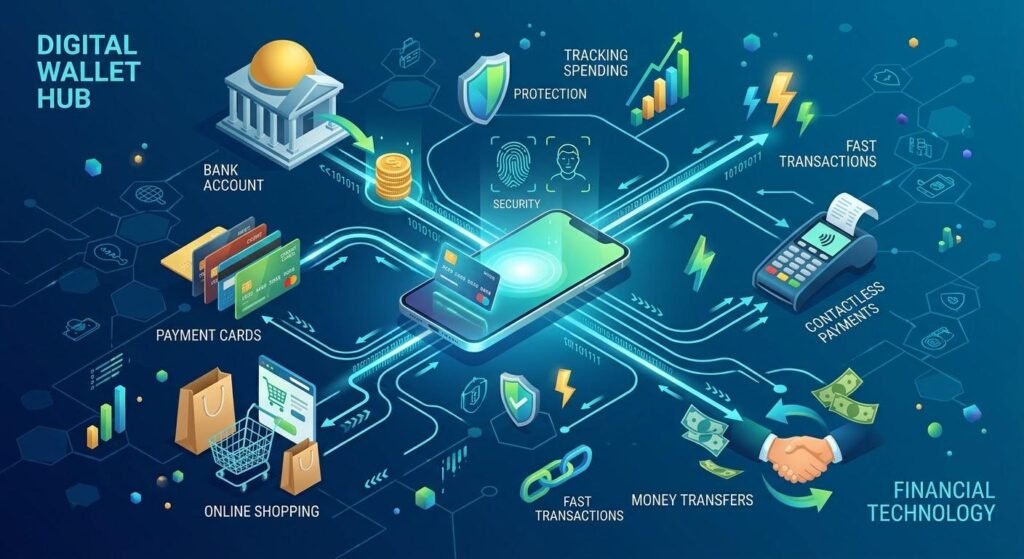
Digital wallets can help you send and receive money electronically. This can be very useful for splitting household costs, paying friends, supporting family and small business payments. Depending on the provider, you can often send money using a phone number, email address, username or wallet ID. These are often referred to as wallet to wallet transfers. Depending on the provider, payments can be made almost immediately. However, some may take longer to process. Always double check who you’re sending the money too and any charges that may apply.
6. Linked To Banking Services
Digital wallets are becoming more popular with banking. This means you’ll be able to link your eligible bank account and payment card to your chosen application. This will make it easier to fund your purchases. Depending on the provider, you may be able to see your balances, get payment alerts and manage your cards. Some will also allow direct payments from your bank. Others will rely on card networks or payment processors. This means there is a greater connection between your digital wallet and financial institution.
7. Track Your Transactions
Digital wallets can help you keep track of your purchases. This will show you what you’ve spent. Depending on the application, you’ll be able to see how much you’ve paid, when you’ve paid, who you’ve paid and any available account details. You’ll be able to easily see what you’re regularly spending. Some digital wallets will also give you an overview of how much you’ve spent. This can help you manage your budget. However, depending on the provider, you may not have the same tracking features. You should also understand how your data will be stored, processed and shared.
8. Mobile Application Payments
Many businesses now have digital wallet payment options built into their mobile application. This can help you purchase food, book transport, pay for subscriptions, order groceries and more. The digital wallet will communicate with the payment system on the app. This means you can make payments quicker. For businesses this can help them make payments more efficiently and encourage customers to make payments using their application.
9. Less Cash Required
Digital wallets can help you avoid carrying large amounts of cash. In areas where electronic payment systems are common, you’ll be able to make purchases, pay bills and transfer money. This will mean you won’t need to visit an ATM as often. However, using digital payments can make it easier to keep a record of your transactions. However, digital wallets cannot fully replace cash. Some sellers may not take electronic payments and you may have issues if your devices run out of battery or internet.
10. International Payments
Some digital wallets will allow you to make payments internationally. This can be useful for families that receive financial support, self-employed individuals who work with clients internationally or businesses wanting to purchase items from overseas. Depending on the provider, you may be able to send money in different currencies. You’ll also be given information on the exchange rates and charges. However, international digital wallets may only be available in certain locations. They may also have regulations, currency conversion costs and limits. Be sure to compare what is available.
11. Loyalty Schemes
Digital wallets can help you store your loyalty cards, membership details, discount vouchers and offers. This means you’ll be able to receive your rewards whilst shopping. Some digital wallets will automatically show you any offers or allow you to use your eligible discounts. This can also benefit retailers. As you’ll be using a loyalty scheme it can encourage you to purchase again. This means digital wallets can help you organize your shopping as everything is in one place. However, you should look at what information is being collected from loyalty schemes.
12. Subscription Payments
Digital wallets can help you make subscription payments. This can be for music streaming, online learning, software and bill payments. Once you’ve authorized a subscription payment, your service provider will be able to take payments. This means you won’t need to enter your payment details every month. Some digital wallets will allow you to view your subscriptions or payment methods. However, you should be careful with your recurring payments, understand how to cancel them and ensure you’re not paying for something you no longer use.
13. Help Small Businesses Accept Electronic Payments
Digital wallets can help small businesses accept electronic payments. Depending on the service, you’ll be able to receive payments using a compatible POS terminal, QR code, payment link or mobile application. This means you’ll have more payment options available. This can help you serve those who prefer to pay without cash. You’ll also be able to view payments easier as they’ll be recorded. However, you should consider transaction fees, payment times, network and security.
14. Easy Access to Financial Services
Digital wallets can help provide easy payment options for those who may not have easy access to banking services. Some digital wallets will allow you to set up an account, receive money, make payments and transfer money using your mobile. This can be beneficial in areas where there aren’t many bank branches but there is mobile access. They may also help you to get involved in e-commerce. However, not all digital wallets will provide full banking services. You may need to verify your identity, own a smartphone, have internet access and follow local financial rules.
15. Personalized Payments
Modern digital wallets can offer personalized payment options. Some will notify you of your transactions, save your preferences, give you insights into your spending and integrate with other financial applications. Some will use the available transaction data to suggest relevant offers, organize your spending or make checking out quicker. This can help you manage your everyday purchases. However, there are privacy concerns. Your payment history may give away information about what you’re purchasing, where you’re purchasing from and how you’re spending your money. You should look at your privacy settings and avoid giving unnecessary permissions. Understand how your data will be shared with the digital wallet provider.
Types of Digital Wallets
There are many different types of digital wallets available. Understanding the differences can help you decide which service to use. Closed wallets are generally for specific companies or businesses. This could be for purchasing items from a specific retailer. Semi-closed wallets will allow you to make payments with selected merchants and service providers. Open wallets may allow you to make a variety of payments. Device based wallets such as Apple Pay and Google Wallet are commonly used for contactless payments. Online wallets such as PayPal are commonly used for online payments. Depending on the category, you’ll have different features, limitations and acceptance.
Advantages and Disadvantages
The main advantage of using a digital wallet is that they are convenient. They can help you check out quicker, you won’t need to use physical cards as much, they can help you keep track of your payments and allow you to make payments using multiple methods in one application. They can also help you keep your data secure using tokenization, encryption and biometric verification. However, there are some disadvantages. Some may require a compatible smartphone, reliable internet connection or compatible payment terminals. There may also be transaction fees, spending limits, merchant limitations and international fees. There can also be privacy issues as your wallet provider may collect transaction data. Your device could also be stolen, you could be targeted by phishing, you could have weak passwords, fraudulent apps and account takeovers.
How to Choose a Suitable Digital Wallet
When deciding which digital wallet to use you should consider your payment habits, security needs and what is available in your area. Firstly decide what you’ll be using your digital wallet for. Will you mainly be using it for in-store payments, online payments, transferring money or a mixture? Check if your bank, favorite payment cards, frequently used merchants and compatible devices are supported. You should also consider what security features they have. This could include tokenization, biometric verification, account alerts and payment verification. Other things to consider include transaction fees, payment limits, international payments, privacy and customer service. Comparing features will help you decide which digital wallet will offer you the most benefits without adding extra costs or security concerns.
Conclusion
Digital wallets are changing the way we make payments. They can help make payments quicker, easier and increasingly connected to mobile technology. They can help you make contactless payments, use tokenization, biometric verification, online checkout and wallet to wallet payments. They can also be linked to banking services, loyalty schemes and financial applications. This can help you manage your spending better and improve business efficiency. However, there are some disadvantages. There can be privacy, cybersecurity, transaction fees and compatibility issues. Understanding how different wallets work and comparing features will help you decide which one to use. If used responsibly you can make digital wallets a valuable tool to help you manage your everyday purchases and get involved in the growing digital economy.
Get more well researched information about Digital Wallets here.