Introduction
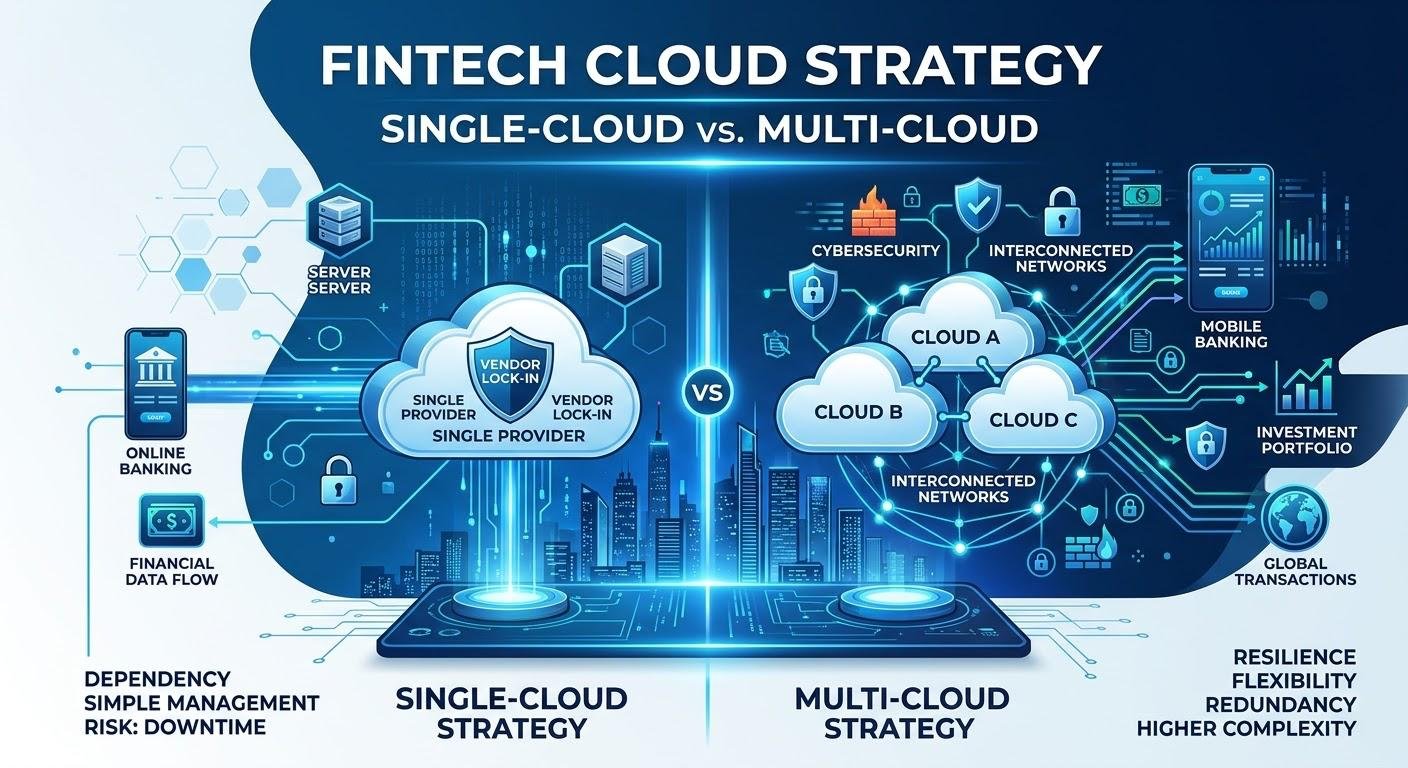
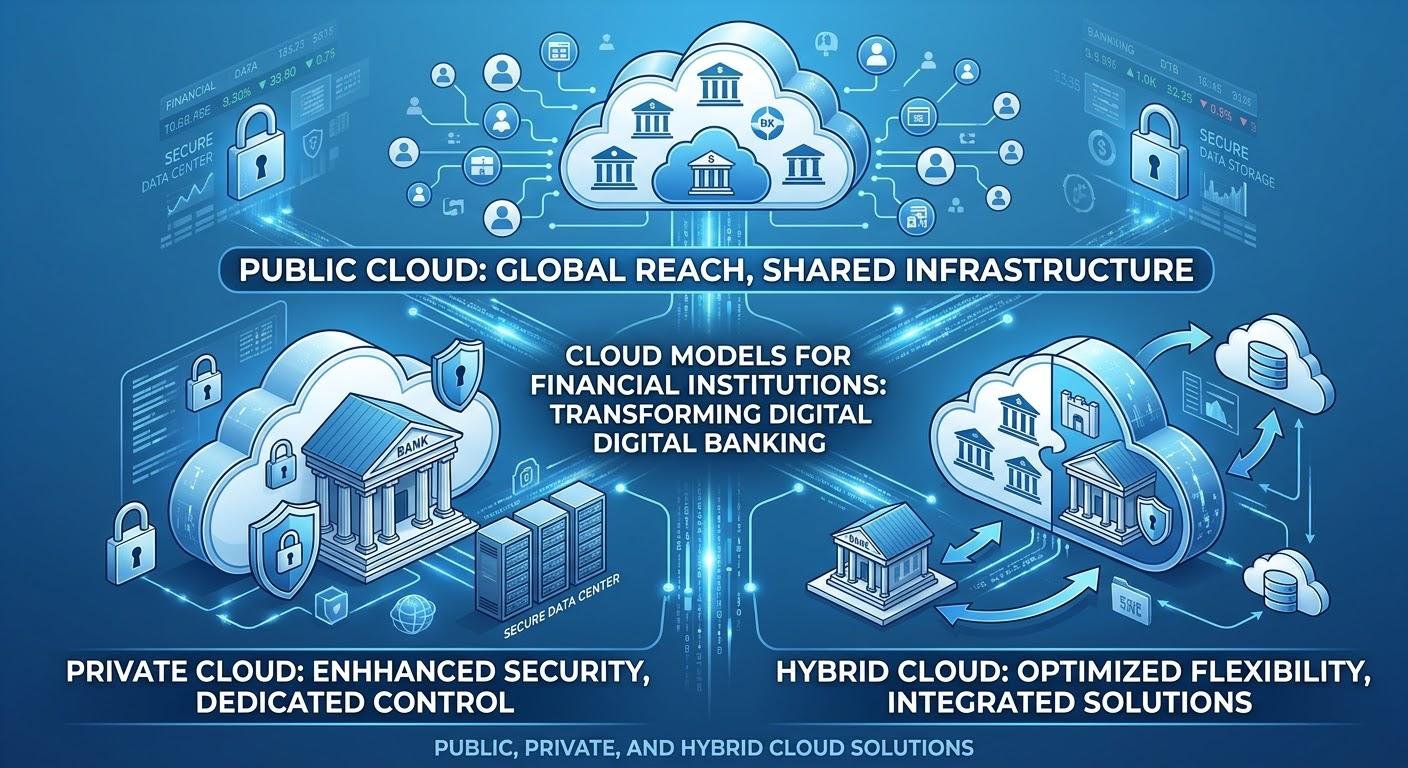
Cloud based services have reformed the financial services sector which in turn has made available to banks, fintech firms, insurance companies and other financial institutions very flexible, scalable, and economic options for information storage and operation of digital services. No longer do financial organizations have to rely fully on physical hardware and traditional data centers they may use cloud based solutions to run customer relationship management, process transactions, host applications and support online banking. At the same time that we see the benefits of cloud there also present issues of security which must be paid close attention to. Financial institutions deal with very private information which includes personal information, account information, transaction history, payment information which makes them prime targets for cyber criminals. We see that by use of multi factor authentication organizations can improve access security and at the same time reduce the risk of unauthorized access. It is also very important that financial institutions understand these security issues and put in place the right protective measures which in turn will help to keep customer trust and protect financial operations.
Cloud Security in Financial Services
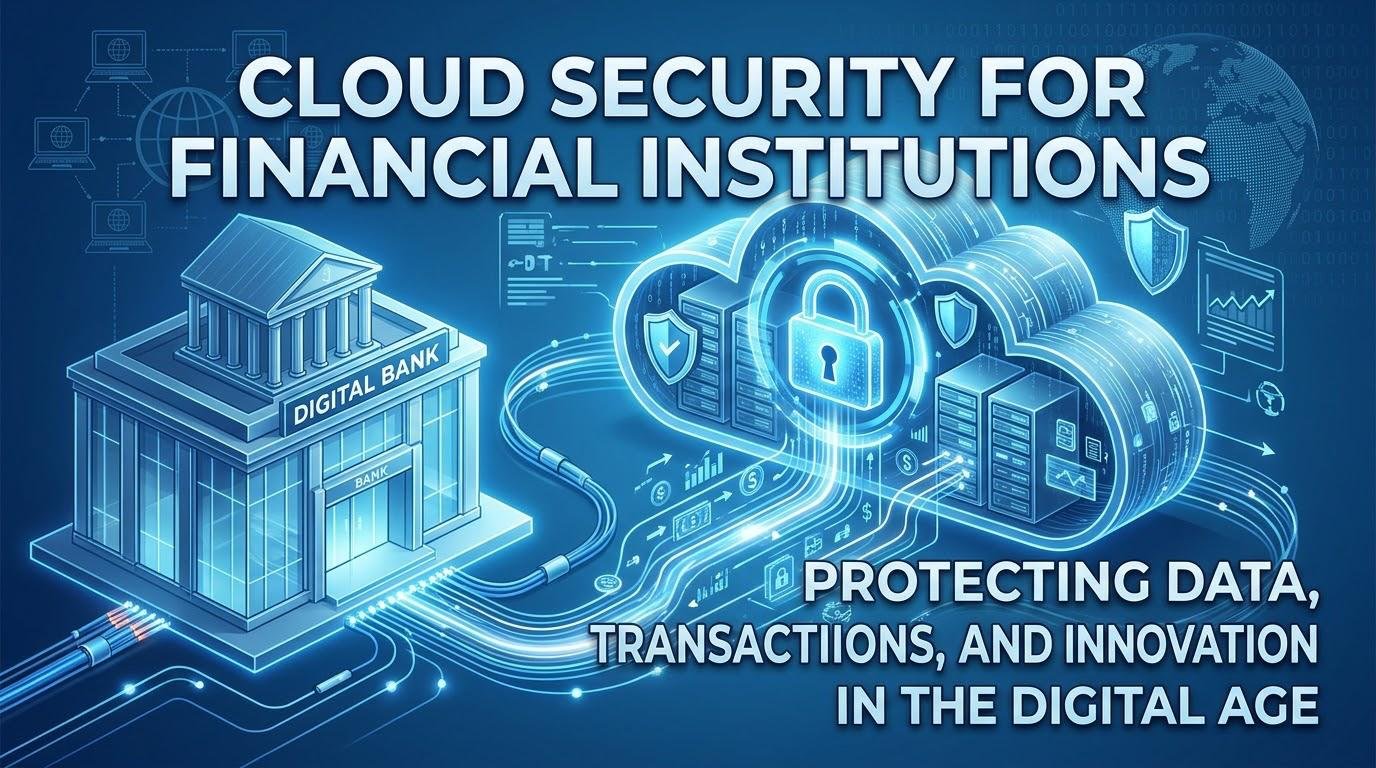
Cloud security is a field which includes the technologies, policies, procedures, and controls put in place to protect information, apps, and infrastructure in cloud computing settings. In financial services we see this play out in the securement of customer information, prevention of unauthorized transactions, maintenance of application availability, and the surety of financial systems. Also we note that cloud services usually present a shared infrastructure which means that financial institutions outsource some security responsibilities to cloud providers which at the same time are responsible for securing their apps, data, user accounts, and configurations. This is what is known as the shared responsibility model. While cloud providers do put in great work in to security tech their solutions do not remove risk of issues like poor configuration, weak passwords, vulnerable apps, or human error. What we see then is that financial organizations must know their role in this model and to put in place security strategies which address tech issues as well as human elements.
Major Issues of Cloud Security in Financial Services
1. Data leaks.
Data we leak out into the wild is what data breach is all about which includes information we keep in cloud which is of a very private nature. Financial institutions are very much at risk as they have information that can be used for identity theft, fraudulent transactions, account tampering and also other crimes. Breach may be due to weak authenticate systems, exposed storage which is out there for the taking, vulnerable apps, insider issues, or in large part due to poor access control. Results of a breach may be financial ruin, regulatory action, legal fees, damaged reputation and also less trust from customers. For example if a fin tech company’s cloud storage which is supposed to be private is in fact made public by mistake then in comes the attackers which get hold of ID docs, trans information and other very personal information. To stop these issues financial institutions must put in place data encryption, limit who has access to what, do regular reviews of cloud settings, and put in place monitoring for that which does not look right and may be a sign of a breach.
2. Ransom attacks.
Ransomware is a kind of malevolent software that stops organizations’ access to their files or systems which they do to encrypt your information and ask for payment to get it back. In the cloud environment which financial institutions operate in they may fall victim when attackers get in through vulnerable apps, employee accounts, or else they use malicious attachments and software. In a successful attack which may see banking services interrupted, financial transactions delayed, confidential information exposed, and a customer’s access to their accounts affected. Also some will put out published stolen information if demands aren’t met which puts extra pressure on the affected organizations. Fin tech can play it safe by way of maintaining secure and regularly tested backups, keeping software up to date, reducing administrative rights, and using advanced endpoint protection. Also having a great incident response plan which helps to isolate affected systems and get back key services without having to fully rely on the attacker.
3. Identity Fraud and Account Takeover.
Identity theft is a crime in which criminals get hold of another person’s personal information and use it for their benefit; on the other hand account hijacking is when a cyber-criminal takes over an existing account. These issues affect customers, employees, and financial admins which use cloud based banking apps and services. Cyber criminals get login information from phishing emails, fake sites, social engineering, password reuse, or from stealing devices. Once in, they will move funds around, change account information, look at private information, or set up fake transactions. In cloud settings the effect of stolen credentials is greater when the affected account has access to many related applications and databases. To improve security financial institutions should put in strong authentication requirements, push out unique passwords, use multi factor authentication, and put in risk based login evaluation. Also they should watch out for atypical login locations, repeat failed login attempts, sudden password changes, and odd account activity to identify issues as they come up.
4. Unprotected Application Programming Interfaces (APIs).
Application programming interfaces enable different software applications and services to interface and exchange information. Banks and fintech companies use APIs to integrate mobile banking apps, payment gates, customer information databases, financial management tools and also third party services. Also we see that poor API security may put sensitive information at risk or open up for unauthorized transactions. We see that in many cases there is inadequate authentication, we have over reach in data exposure, insufficient use of encryption, weak authorization checks, and also the use of out dated software components. Attackers may take advantage of those issues to get into customer information, change transactions, or interfere with between system communications. Financial institutions should secure APIs via very strong authentication, encrypted connection, rate limiting, and appropriate authorization measures. Also it is important to do regular API testing as security issues may present it when apps are updated or we add in new third party services. Also we see that which external integrations are put in place which access financial systems should be very closely looked at.
5. Internal Threats
Insider threats are presented by that which is within the organization’s network; this includes employees, contractors, administrators, and business partners which have legitimate access. These threats can be the result of a willful action, neglect, or an accident. For example an employee may save confidential customer information to an unsecured device, pass along login information to another person, or by mistake send out sensitive information to the wrong party. In more serious cases a leaving employee with high level of access may in fact steal financial reports, or play a role in the disruption of cloud services. What financial institutions also see is the importance of put in place clear access policies; provide regular security training, and monitoring of that which involves the use of sensitive information. Also it is important that financial institutions follow the practice of giving out the minimal amount of privilege an employee needs to do his job. Also to that point when an employee leaves the company or changes roles that access be removed immediately this in turn reduces risk.
6. Configured Improperly Cloud Resources
Cloud misconfiguration is also a very common security issue which affects companies that host information and run apps online. It is what happens when cloud resources are given the wrong security settings which in turn leave databases, storage systems, applications or admin interfaces open to access by unauthorized people. For instance a financial company may by accident set a storage container to public access which in turn exposes customer information to any that finds it. Also we see issues like weak fire wall rules, too many user permissions, exposed access keys, and security monitoring features which are left off. Also these issues may go undetected for large amounts of time if companies do not0 regularly look into their cloud settings. Financial institutions should put in place secure configurative standards, use automated security check ups, and continuous monitoring to find out issues. Also they should review permissions, remove public access, secure admin interfaces, and fix configurative errors as soon as they are found.

Best Practices to Improve Cloud Security in Financial Services.
1.Enable Multi factor Authentication.
Multifactor authentication is a key security measure which requires users to present two or more forms of identification before access is granted to an account or system. This may include something the user knows like a password, something the user has which may be a security key or registered device, or something intrinsic to the user which may be a biological characteristic like a fingerprint. This is to make it harder for cyber criminals to gain access to financial accounts with just a stolen password. Banks and fintech companies should require multifactor authentication of employees, admins, customers and other users which have access to sensitive systems. We should see greater use of strong authentication for privileged accounts and large value transactions which involve access to very confidential information. Also, we may see the introduction of extra verification during atypical log in attempts. By improving identity verification financial institutions may greatly reduce the risk of unauthorized access.
2. Protect Sensitive Financial Information.
Encryption turns what is meant to be read into an unreadable code without the proper decryption key. In terms of finance companies should put forward to use encryption for all sensitive information which is in the cloud as well as when it is between applications, servers, customers, and third party services. At rest encryption is for information that is in the database, backup, and cloud storage we put out there and in transit encryption is for information that is in motion across the network. Also we must take care of our encryption keys which if not protected well will bring down the whole security structure. We should limit access to these keys, review them often and use proper key management systems. By using strong encryption practices we reduce how much damage is done in the case of data breach and also help in the effort to secure customer information when some storage resources do get to unauthorized hands.
3. Put in Place Robust Access Controls.
Access in and out controls what people can do with, modify, download, or administrate in a cloud setting. In the case of financial institutions it is best to not give all employees full access to company systems which we find to be a large cause of accidental exposure and intentional misuse. The practice of least privilege is that we give people only what they need to do their job as assigned. Also with role based access we see that companies do better when they tie in what access an employee has to their job function which in turn makes it easier to manage access between departments. For example we may see that customer service reps require access to certain customer information, while at the same time cloud admins have different permissions to manage the infrastructure. We also see that it is a good idea for companies to regularly go over user accounts, remove what isn’t needed, and to disable what is not used. Strong access controls also help in that they contain the damage an attacker can do once they get in and also reduce the amount of information that is put out there in the case of a security incident.
4. Integrate Continuous Monitoring and Threat Detection.
Continuous presentment of our systems, applications, networks, and user actions is required to detect out of the ordinary activity and possible security flaws. Financial institutions must not put all their eggs in the basket of periodic security reviews as cyber threats may present very fast and unauthorized actions may transpire outside of business hours. We may use tools which watch for atypical login attempts, unexpected cloud configurative changes, large data transfers, repeat authentication fails, and out of the blue transaction trends. Also we see that Security Information and Event Management systems which collect and study security information from many sources may put together pictures of possible attacks. Where relevant we should have in place automated alerts and incident response actions which see to it that out of the ordinary events get attention right away. Continuous presentment improves over all visibility in cloud settings, supports quicker investigations, and also helps financial institutions react before security incidents do extensive operational or financial damage.
5. Perform Regular Security Audits and Assessments.
Security reviews which determine if financial institutions’ cloud systems meet set security standards and also if present protection is sufficient. We look at access controls, encryption methods, cloud settings, API security, backup systems, employee actions, and incident response in these assessments. Also we see that regular audits put to light weak points which may go unreported otherwise especially when we see the roll out of new applications or growth of cloud infrastructures. Also financial institutions are to do vulnerability assessments and pen tests to find out what security issues bad actors could use to their advantage. Also in from external security experts which give independent reviews and put forth improvement ideas. Also it is to report on audit results and to have set time frames for fixing what is found out. Regular assessments support responsibility, compliance, and also the development of a strong security program as tech and cyber threats also grow.
6. Perform Regular Backups and Have an Incident Response Plan.
Backups and incident response plans are a must for business continuity in the event of cloud security incidents. In the case of financial institutions we see that they should put in place protected copies of all important databases, transaction records, application settings, and other key information. Also to be done is the separation of these backups from primary production systems and application of access controls which in turn protects the original information as well as the recovery copies. Also do regular backup tests to prove out that indeed we may successfully restore information when we need to. As for incident response plans they should detail how personnel identify, report, investigate, contain, and recover from security incidents. Also included should be the responsibilities of various departments which may include IT, cyber security, legal, compliance and customer support teams. Also do regular response drills which get personnel familiar with their roles and which in turn allows financial institutions to get back to critical service much faster after an attack.
7. Employee Awareness and Compliance in Regulation.
Technology in itself does not guarantee cloud security which is also determined by what employees do and how the organization operates. Financial institutions must put out regular cybersecurity training to get employees to recognize phishing, suspicious links, social engineering, unsafe downloads and which they are asked to hand over personal information. Also staff must be made to see the value in protecting passwords, reporting out of the ordinary activity, and use of proper procedures when accessing financial systems from remote locations. Also these institutions must play by the books of data protection laws, financial regulations and industry security requirements. In the case of Nigeria we see that financial institutions must also look at what the Nigeria Data Protection Act and the Central Bank of Nigeria say. Compliance should be more than what is put in papers for an audit; it has to be a part of day to day security practices, data handling, vendor evaluation, and employee duties. By combining employee training with regulatory compliance we create a better base for protecting financial information and in turn that which earns customer trust.
Conclusion
Cloud computing provides financial institutions great opportunities to see improvement in efficiency, reduction of infrastructure costs, growth of digital services, and delivery of more convenient banking to our customers. But with these comes security issues which we must pay attention to. Issues like data breaches, ransomware, identity theft, account hijacking, unsecure APIs, insider threats, and misconfigured cloud resources put at risk sensitive information and can bring down essential financial processes. Also, it is on us to take a very large scale security approach to the cloud which includes multi factor authentication, encryption, access controls, continuous monitoring, regular security audits, secure backups, and employee training. We also must go over our cloud set up, look at our third party providers, and have in place effective incident response plans. In the end cloud security is an ongoing issue not a one-time tech project. Those financial institutions that are constant in their security practices will be in a better place to protect customer information, to meet regulatory requirements, to keep their reputation intact, and to earn out customers’ trust in digital financial services.
Get more well researched information about Cloud Security in Financial Services here.