Introduction
Banks as well as other financial institutions are turning to big data in large scale to improve customer service, detect fraud, determine creditworthiness, personalize financial products, and for better business decisions. In these processes they collect and analyze huge sets of sensitive information which include account details, transaction histories, ID records, credit reports, and digital banking activities. While big data presents great opportunity for growth and efficiency, also it brings in very large scale security and privacy issues. A single security breach can affect thousands or millions of customers’ identities, financial information, and put them at risk of fraud and surveillance. Thus financial institutions must put in place strong protective measures which cover information from the time of collection through to its use. Strategies like encryption, access control, secure cloud storage, and data anonymization may help banks get valuable information out of data while also reducing the exposure of personal information.
Issues Related to Big Data Security and Privacy in Banking.
Big data security is the protection of financial information against that which is unauthorized, alteration, theft, or destruction also we have data privacy issues related to how information is collected, used, shared, and stored. These issues cross over as a security break down can turn into a privacy issue and also poor privacy practices may lead to information which is at an unneeded risk. Bank information is very attractive to cyber criminals which is due to the fact that it may include what is necessary for account takeover, identity fraud, phishing, and unauthorized transactions. Also the volume, variety and speed of today’s financial data sets which we have made security more complex. Information may go between mobile apps, payment processors, internal databases, analytics platforms and external service providers. Each of these points of connection is vulnerability. Hence banks must put in place consistent security measures across all systems, identify what is sensitive information accurately, and also see to it that staff is aware of their roles in the care of customer records.
Major Issues of Security and Privacy in Big Data Banking
Data Breaches and Insider Threats
Data at large has been exposed with entry by non-intended parties who get into it through broken passwords, vulnerability in software, out clever fishy emails or a bad job configuration. In the field of banking which is my area we see that accounts numbers, ID docs, transactional information, and other personal data is what gets out which in turn causes issues like monetary loss, legal issues, and damage to brand image. Also we have the problem of the trusted insider which is an employee or a contractor that may either do purposeful or accidental information breach. We see that over given access, poor monitoring, and not enough training play a role in this. For banks we recommend that they give out the least privilege access which means that each employee is given only what they need for their job. Also we see that they should be monitoring for that which is out of the ordinary in account activity, keep audit logs, separate out those that handle sensitive information and also do regular security awareness trainings. By using tech controls along with defined accountability issues of inside and outside security incidents can be detected early and the chance of them happening is reduced.
Third Party and Cloud Security Risks
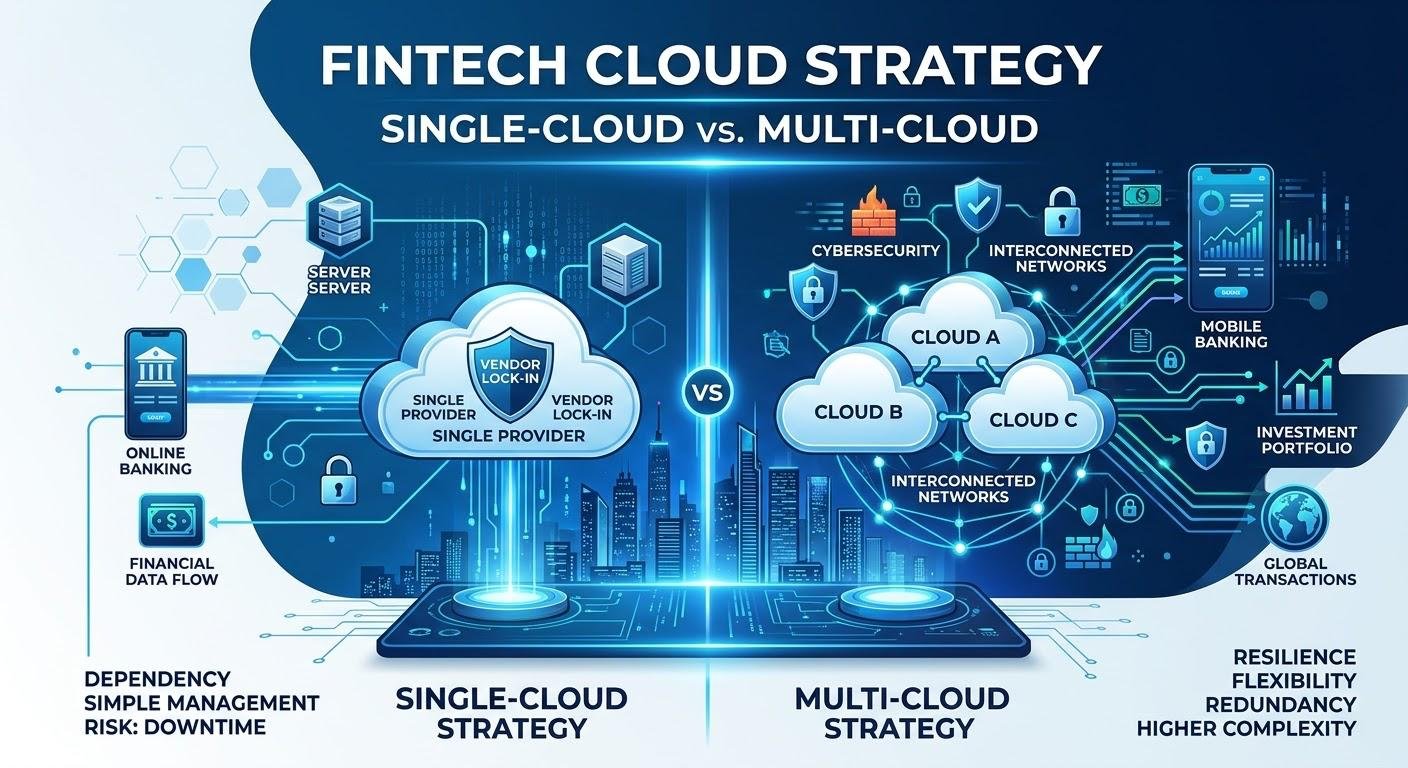
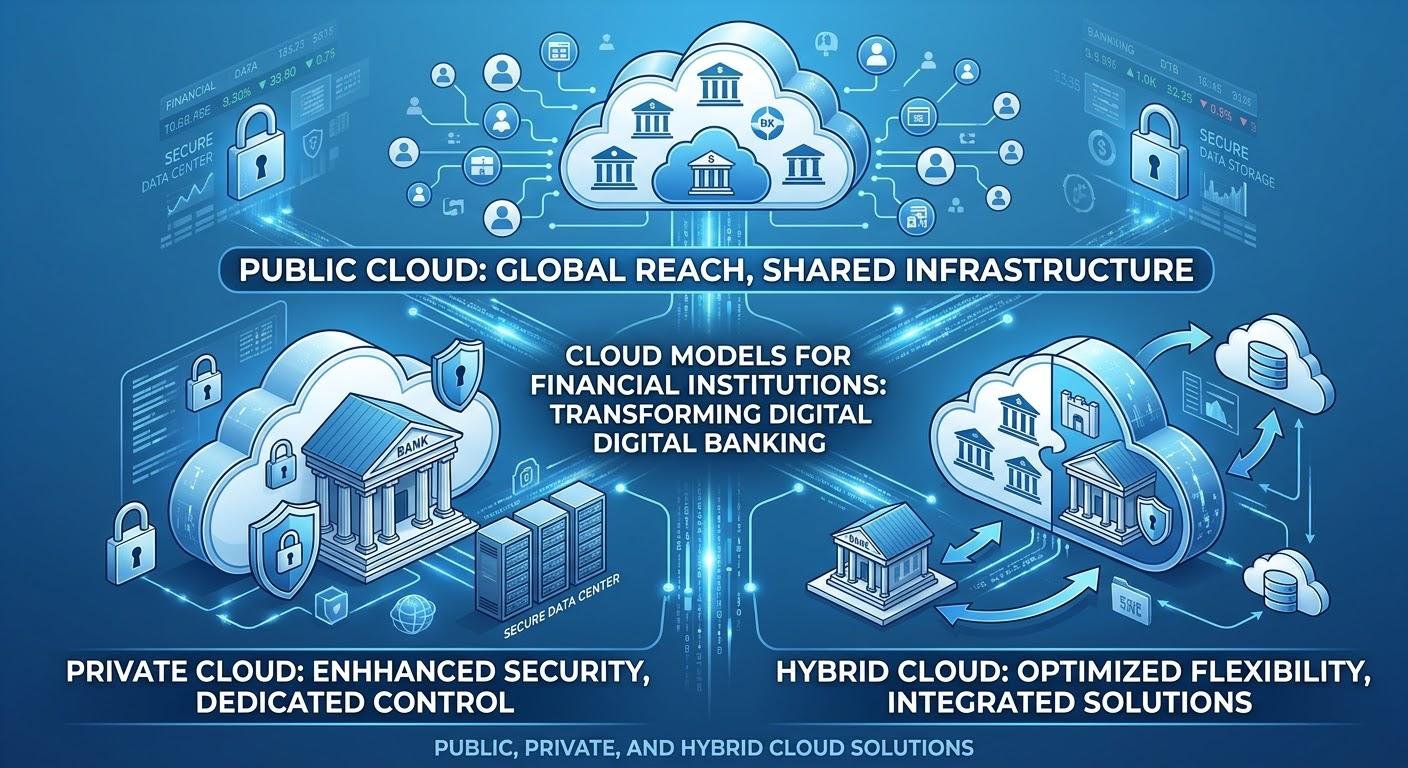
Financial institutions turn to cloud providers, payment processors, analytics companies, software developers, and other outside parties for their needs. These relationships fuel innovation, scale, and in term lower costs for the bank but also present elements beyond what the bank has control over. A supplier with weak security may put forth customer information via breach of systems, insecure application programming interfaces, or poor data handling. In cloud settings we see issues play out when admin’s misconfigure storage access, expose credentials, or do not properly separate sensitive workloads`. Banks must do their due diligence before going in to an agreement with a vendor, put in place clear security terms in the contract and also be an active participant in the vendor’s security practices. Secure cloud infrastructure should have in it encryption, network segmentation, continuous monitoring, proven backup systems, and strong admin authentication. Also banks should have incident response plans in place with their suppliers and that critical services will in fact keep running if the provider has a security incident or goes down.

Best Practices for Protecting Banking Data
Encryption and Access Controls
Encryption is a basic element of protecting financial data. It takes readable information and turns it into a protected format which without the proper crypto keys is hard to decode. Banks must encrypt customer data at rest which is to say when it is stored in databases or backup systems and also in transit as information moves between systems. Also very important is key management which includes protection and access to the keys which if they are compromised or not properly protected nullifying the encryption. Access controls are an also a very important layer of security which determines what people can do with the information – view, change, download, share. We see multi factor authentication, role based permissions, privileged access management and regular access reviews as very helpful in to prevent unauthorized use of accounts. Also institutions should right away revoke access which former employees had when they leave the organization. Together, encryption and well managed access controls reduce exposure when attackers get into the network or try to use valid but misused credentials.
Identity Management and Data Anonymization
Reliable identity management for banks includes the verification of users, control of access, and detection of abnormal authentication attempts. We see that strong password policies, multi-factor authentication, secure session management, and risk based identity checking may put down account compromise. Also in the field of identity protection we see the need to limit what personal information analytics systems have at their disposal. Data anonymization is the removal or transformation of identifiers which in turn means that individuals can’t really be put back together from the report. This allows banks to look at trends in spending, do a better job with service delivery, and build out analytical models without routinely putting customers’ direct identifiers out there. Pseudonymization which is the replacement of identifiers with made up values also plays a role in this, though the information may still be personal if you can trace it back to an individual. Banks must study what are the re-identification risks, what access we give to the original information, and what extra protections do we put in place when we combine sets. These actions support the analysis we need but at the same time reduce the unnecessary access to private customer information.
Data Governance and Retention Policies
Strong data governance sets out which rules apply to the collection, classification, access, sharing, and protection of financial information. Banks to determine what records are most sensitive, assign responsibility for their care, and document the use for which information is put. Also in play are data quality controls which we put in to avoid bad data that which is in accurate, incomplete, or out of date which in turn leads to poor lending decisions, poor fraud detection, and unfair treatment. As for what to do with information over time, we see out what we don’t need based on set policies which also specify how long to keep certain information and what to do with it once it’s out. Keep everything forever is a no go for obvious reasons of attack surface and also we don’t want to go the other way and delete it all out of hand which may break the law or mess up an investigation. What we in the financial world must do is to get our retention policies to play by the laws, contracts we have with others, and our own business needs. Also in to this are regular audit, documented delete procedures and secure destruction of what we don’t need any more which together help us to be accountable throughout the life of the data.
Regulatory Compliance and Responsible Artificial Intelligence
Meeting Legal and Regulatory Requirements
Banks work in regulatory spaces that put in place measures for consumer protection, financial stability, and to avoid misuse of personal information. What is required of banks varies by which jurisdiction they are in but usually includes data security, what is legal in terms of data use, customer rights, record keeping, reporting of breaches, and in which they account for third party issues. In the case of Nigeria, financial institutions must put into practice the Nigeria Data Protection Act 2023 and also comply with the Central Bank of Nigeria’s rules when it comes to data management. Also for international players’ compliance with other related privacy and financial regulations goes without say. Institutions should map out their data processing actions, put forward what the lawful use is of that data, do a proper risk assessment, and to have proof of their compliance. Also staff training and independent audit should be done which in turn will bring to light any weak spots before they lead to major violations. Compliance should not be a box ticking exercise but should in fact play a role in each day’s decision making process which includes what information the bank collects, how it is protected, and what we are allowed to share.
Responsible AI and Analytical Decision-Making
Artificial intelligence and machine learning see banks detect abnormal transactions, determine credit risk, tailor services, and automate compliance which in turn see these systems raise issues of privacy and fair play when they use too much personal information, based on biased data, or put out decisions which the customer has no chance to question or which they are not able to understand. Also we see that poorly secured AI may put out sensitive training information to the public or may be manipulated by outside users. Banks must apply privacy by design, reduce the information put into models, control access to training sets, and test for bias and security issues. Also very important is human oversight for large scale credit grants, fraud investigation, and account access issues. Also banks should document the what, why and results of the models, do continuous performance review, explain large scale decisions when needed, and put in place review processes. Responsible AI management allows banks to get in on the game of automation without at the same time falling short on issues of fair play, privacy, or customer responsibility.
Building Resilience and Maintaining Customer Trust
Protecting large scale data goes beyond what is done to prevent outside access; banks also have to be ready to get back from incidents and to keep key services going. A full scale security program should include tested backup systems, incident response plans, disaster recovery procedures, vulnerability assessments, and continuous monitoring. In the event of a breach institutions should have in place clear processes for containing the incident, determining cause, reporting to relevant authorities as required by law, and communication with affected customers. Also important is transparency. Customers are more to01 to trust institutions which put forward how they use information, provide easy to understand privacy notices, and give choice in data sharing. Banks should not collect information just because it is available and should put forth proper reasons for request of sensitive data. Consistent protection, responsible disclosure and good complaint handling improve customer confidence which in turn supports long term digital banking growth.
Conclusion
Big data is a tool which banks use to better their financial services, improve fraud detection, and information decision making which in turn pays off for them but that comes with the responsibility of proper information management. We see that data breaches, insider problems, secure issues in the cloud, third party weak points, and improper use of AI are what put at risk our customers’ confidence and institution stability. Banks may reduce these risks via encryption, identity management, tight access controls, data anonymization, good governance, and careful retention policies. Also they may comply with what the regulations say and do regular security checks which in turn will strengthen their accountability, also we have incident response plans which protect operational resilience. In the end what we see is that financial institutions must balance innovation with the fact they have a duty to protect customer privacy. By putting security and privacy at the heart of data collection, processing, storage and sharing banks may use big data better at the same time as they are building the trust which is the base of modern financial services.
Get more well researched information about Big Data Security and Privacy in Banking here.